

I remember the moment clearly. It was a chilly spring morning when I stepped onto my deck and noticed a small trickle of water seeping between the boards. At first, I thought it was nothing. But as the days went on, that tiny leak turned into a more concerning problem—rot starting to show, the wood softening where I least expected. It hit me then: I had overlooked an essential layer of protection during my initial build. That lightbulb moment made me realize—if I wanted my deck to stand the test of time, I needed to understand the importance of flashing tape.
Securing Your Investment with a Simple Yet Powerful Solution
Flashing tape is one of those things you might not think about until it’s too late. It’s a humble, peel-and-stick barrier designed to waterproof areas susceptible to water intrusion—like the seams where your deck meets your house or around ledger boards. Trust me, a small investment in quality flashing tape can save you thousands in repairs down the line. From personal experience and recommendations from seasoned contractors, I’ve learned that neglecting this step often leads to water seepage, wood rot, and even structural failure.
Is Flashing Tape Really Worth the Extra Step?
Early on, I made a rookie mistake of assuming my deck was adequately protected without properly sealing these joints. I skipped applying flashing tape around my ledger board, thinking the paint would do the job. Spoiler alert: it didn’t. Moisture still found its way in, and I paid the price with costly repairs. This experience taught me the hard way how crucial proper sealing is, especially for decks in our rainy climate. For a detailed walkthrough on how to apply flashing tape correctly, check out this guide on hidden fasteners. Don’t make my mistake—trust me, a little prep work can extend your deck’s lifespan significantly.
So, are you confident your deck’s vulnerable points are properly sealed? Or have you faced worries about water damage creeping in? Keep reading, because next, I’ll walk you through the essential steps to ensure your deck is watertight and ready to withstand years of use.
Prep Your Workspace for Flawless Application
Start by cleaning the area thoroughly. Use a stiff brush to remove dust, dirt, and loose debris from the deck surface and the surrounding joints. Ensure the surface is dry, as moisture can prevent the tape from adhering properly. I once rushed this step and ended up peeling off the tape after a week—learning the importance of a clean surface the hard way. For best tools, see this guide on using deck scraps creatively.
Cut and Fit the Flashing Tape Precisely
Measure the length of each seam or joint that requires sealing. Cut the flashing tape slightly longer than the measurement to ensure complete coverage. Overlapping sections by at least 2 inches prevents gaps. I recall misjudging a measurement and having to redo the whole strip—precision matters. Use a sharp utility knife for clean cuts and avoid tearing the tape. For specific blade recommendations, check tips on the right tools.
Apply the Tape with Firm, Even Pressure
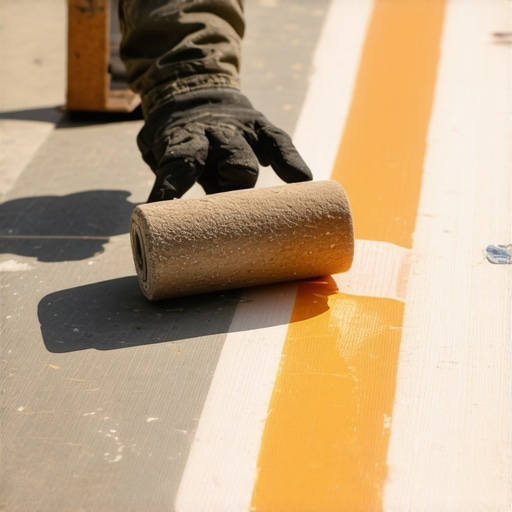
Peel back the backing and carefully position the tape over the joint. Use a squeegee or a firm roller to press the tape onto the surface, starting from the center outward. This method pushes out air bubbles and ensures good adhesion. I once skipped this step, resulting in air pockets that compromised waterproofing. Pressing firmly is like smoothing out a window decal—it makes all the difference. For special tools, see fastener options.
Seal Corners and Overlaps Thoroughly
Pay special attention to corners, ends, and overlaps. Fold the tape onto itself or slightly overlap adjacent strips to create a continuous barrier. Use your roller again to secure these overlaps tightly. In my experience, neglecting overlaps led to water seepage during heavy rains. Think of it as stitching a water-resistant seam—every layer provides extra protection. For design inspiration, explore modern deck designs.
Inspect and Maintain the Sealed Areas
Once the tape is applied, inspect for any air bubbles or gaps and press them out. Regularly check these sealed joints, especially before winter, to identify any lifting or damage. A quick reapplication of small sections can prevent major water intrusion later. My first repair was a simple peel and re-stick, which extended the deck’s lifespan by years. Remember, a well-sealed deck is like a well-guarded fortress—kept for the long haul. For ongoing maintenance tips, visit sealing old decks.
 When it comes to hiring deck builders in Needham, many homeowners rely on surface-level knowledge or common misconceptions. While selecting a contractor might seem straightforward—just compare prices or choose the most visible portfolio—there are subtle nuances and advanced pitfalls that can make or break your project. Let me share some insights from seasoned professionals that could save you time, money, and stress.
A prevalent myth is that all deck contractors are essentially the same. In reality, expertise goes well beyond the visible craftsmanship; it involves deep understanding of local building codes, climate-responsive materials, and long-term maintenance strategies. For example, many overlook the importance of proper joist spacing and framing techniques suited for Massachusetts weather. Ignoring these details can lead to premature wear or even safety hazards, despite an initially attractive appearance.
One common mistake I’ve observed—especially among first-time homeowners—is assuming that a quick, low-cost build equates to better value. This is a classic trap because cutting corners on foundational elements like flashing or proper drainage can result in costly repairs later. A study by the Home Innovation Research Labs highlights that poor drainage design is a leading cause of deck failure within the first decade. It’s tempting to prioritize aesthetics or initial cost, but investing in a contractor who understands the intricacies of durable design pays dividends over time.
Let’s address a critical question: How do I distinguish truly skilled deck builders from the rest? The answer lies in asking about their understanding of advanced construction practices. For instance, some contractors may skip proprietary fastening systems like hidden fasteners, which can affect the deck’s longevity and maintenance ease. Check out the benefits of hidden fastener systems—they’re often overlooked but can drastically improve your deck’s lifespan. Look for contractors who stay updated with innovations and regulations, and don’t hesitate to request references or inspect previous work for finesse and durability.
Another nuance is recognizing the importance of material choice tailored to Needham’s climate. Many assume that composite decking is maintenance-free; however, not all composites are created equal. Understand the R-value of insulation systems or the weather resistance of various brands. The cost analysis of IPE decks shows that upfront savings may lead to higher long-term costs if the material isn’t suited for local conditions.
Finally, beware of the “easy fix” mentality. It’s tempting to think that a simple repair or quick fix resolves all issues, but the reality is more complex. For example, addressing a warped board without identifying the root cause often results in recurring problems. Professional assessment and strategic solutions—like proper load distribution and substructure reinforcement—are key, and skimping here can compromise safety.
Have you ever fallen into this trap? Let me know in the comments. Remember, a knowledgeable homeowner recognizes that expertise in deck building encompasses more than visible craftsmanship—it’s about understanding the intricacies that ensure your deck stands the test of time.
Keeping Your Deck in Peak Condition with the Right Tools
Maintaining a stunning and durable deck requires more than just attention; it demands the right equipment to ensure longevity and safety. I personally swear by a high-quality cordless impact driver. It’s versatile and perfect for tightening stubborn screws or installing hidden fasteners—like those recommended here. The convenience of battery power means I can work efficiently without cords tripping me up, especially when working on multi-level decks in Needham.
When it comes to cleaning, I avoid power washers for routine maintenance on composite decks. Instead, I opt for a soft-bristle deck brush paired with oxygen bleach, which thoroughly cleans without risking damage or surface stripping. This gentle, effective approach helps preserve the deck’s appearance and structural integrity over years. For safe cleaning techniques, see this guide.
How do I keep my deck tools in top shape over time?
Regularly inspecting and maintaining your tools prolongs their lifespan. For example, I routinely sharpen drill bits and impact driver blades with a diamond file—sharp tools make work safer and more precise. Lubricating moving parts and storing tools in a dry place prevent rust and deterioration. Developing a scheduled maintenance routine ensures you’re always ready for quick fixes or routine care, saving time and money down the line.
Embracing Advanced Maintenance Techniques for Longevity
One game-changing tip I’ve adopted is applying a high-quality sealant on deck joints every three years. This proactive step prevents water intrusion, especially around ledger boards and seam overlaps, which are vulnerable points. Using a precision brush, I carefully coat these areas, ensuring complete coverage. It’s a small effort that pays big dividends by preventing rot and warping. Explore gutter systems in conjunction with sealing to optimize protection against moisture.
Where is deck maintenance heading in the next few years?
Innovations like smart deck sensors that monitor moisture levels and structural integrity are on the horizon. These devices can alert homeowners or contractors to trouble spots before problems develop. As technology becomes more affordable and user-friendly, expect these tools to become standard in professional decks, enabling proactive maintenance and peace of mind. I recommend trying out some of the advanced methods and tools available today to future-proof your deck—start with sealing vulnerabilities proactively or upgrading to tools designed for composite materials.
Incorporate these tips into your routine, and your deck will not only look fantastic but remain safe and stable for years to come. Remember, staying ahead with maintenance tools and techniques is the best way to enjoy your outdoor space for seasons to come.
What the Hardest Lesson Taught Me About Deck Preservation
Early mistakes in my deck-building journey, especially overlooking flashing tape, cost me dearly. The most valuable lesson? Never underestimate the power of a small protective layer—sometimes, a simple strip of flashing tape can prevent years of headaches. That lightbulb moment changed my approach entirely, emphasizing proactive waterproofing over reactive repairs.
My Favorite Tools That Make Deck Maintenance Easier
Investing in quality tools has transformed my deck care routine. A versatile cordless impact driver, for instance, speeds up fastener installation and ensures secure fittings. Coupled with gentle cleaning methods like applying oxygen bleach, I maintain my deck’s appearance without risking surface damage. These tools aren’t just convenience; they’re long-term investments in your outdoor space’s durability.
Why I Now Prioritize Proactive Deck Sealing and Inspection
Routine inspections have become a cornerstone of my maintenance schedule. Paying close attention to vulnerable points like ledger joints and overlaps helps me catch issues early. Applying high-quality sealants every few years seals the deal—literally—and keeps moisture out. Embracing these practices has extended the lifespan of my deck, saving me time and money while enjoying peace of mind.
Resources That Changed How I Approach Deck Care
Three resources stand out in shaping my understanding and approach: DIY tips for recycling deck scraps taught me creative ways to repurpose materials; hidden fasteners’ benefits improved the look and longevity of my boards; and choosing the right tools for different tasks makes maintenance safer and more efficient. These guides and products empower me to care for my deck confidently.
Your Next Step: Keep Your Deck in Top Shape and Enjoy It for Years
Maintenance isn’t just about preservation; it’s about enhancing your outdoor living experience. By incorporating proactive sealing, using the right tools, and learning from trusted resources, you can turn deck upkeep into a gratifying routine. Remember, a well-maintained deck isn’t just beautiful—it’s a safe, lasting space for family and friends to gather. So go ahead, embrace these insights, and make your deck the pride of your home for years to come.