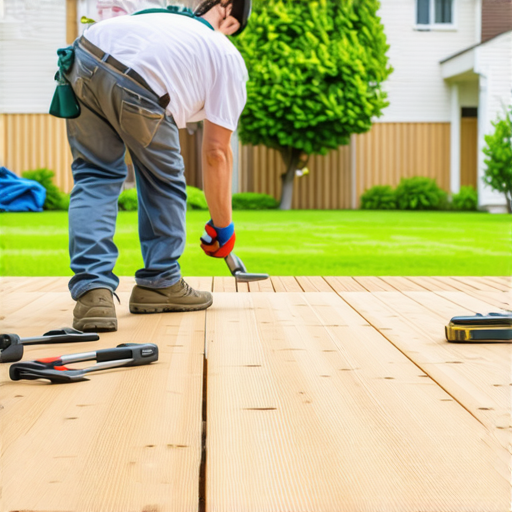
I still remember the day I first tried to install a deck, rushing through the fasteners, eager to finish. It looked good at first—until a few months later, when I started noticing loose planks and irritating squeaks that just wouldn’t go away. That lightbulb moment made me realize: I’d overlooked the importance of proper fastening, and now I was paying the price.
Every homeowner dreams of a beautiful, durable deck—a perfect spot for summer barbecues, relaxing evenings, or just enjoying the fresh air. But beneath that smooth surface lies a critical decision: should you go with hidden fasteners or stick to the traditional nails and screws? It’s a small detail that can make a huge difference in the longevity and appearance of your deck.
Today, I want to share why choosing hidden fasteners — even if they take a little extra labor — is absolutely worth it. Trust me, this isn’t just about aesthetics; it’s about building a safe, long-lasting structure that you can enjoy for years to come.
The Hidden Cost of Cutting Corners on Fasteners
The truth is, rushing through your deck installation by opting for the quickest fastening method can seem tempting. But as I learned the hard way, shortcuts often lead to costly repairs down the line. Loose or improperly secured decking planks can result in dangerous wobbling, tripping hazards, or worse, structural failure. What seemed like a fast fix ends up costing more in the end.
Hidden fasteners might require a bit more labor and skill initially, but their benefits quickly outweigh the upfront effort. They provide a clean, polished look without visible nails or screws that can catch shoes or catch your eye. Plus, they help prevent water from seeping into the fasteners, reducing the risk of rot and corrosion—common issues that plague traditional nailing methods.
If you’re interested in making your deck safer and more visually appealing, I recommend checking out some of the [best fasteners for long-lasting decks](https://deckbuildersneedham.com/the-best-fasteners-for-a-long-lasting-mahogany-deck). It’s a small investment of time that pays dividends in durability and aesthetic appeal.
Have you faced frustrations with deck fasteners popping up or causing uneven surfaces? You’re not alone. Many homeowners discover too late that what looks simple at first can become a nightmare if not done right from the start.
Next, I’ll walk you through the key reasons why hidden fasteners are the smart choice and how they can save you time, money, and headaches in the long run. Ready to transform your deck into a lasting masterpiece? Let’s dive in.
Start with Precise Planning and Layout
Before you even pick up a fastener, define your deck’s shape and size based on your yard’s conditions. Use a chalk line or a string to outline the deck perimeter accurately, ensuring everything is square. When I built my first deck, I skipped this step and faced uneven edges, which made installing fasteners frustrating. Proper layout simplifies the process and guarantees a level, professional look. Consider consulting a professional layout plan for complex designs.
Choose the Right Hidden Fasteners
Not all fasteners are created equal. Select high-quality, corrosion-resistant hidden fasteners designed for your decking material—composite, cedar, or hardwood. I personally swayed towards stainless steel screws paired with clip systems, which provided both durability and clean appearance. Research brands like TimberTech or Trex for options that suit your deck’s material. Using subpar fasteners results in early failures, as I learned when my neighbor’s deck started squeaking after just a year.
Prepare and Space Your Decking Properly
Ensure your joists are level, spaced correctly—typically 16 inches on center—and secured firmly. Use a high-quality level to verify, and check safety-critical elements as you go. I once neglected to level my joists properly, which caused uneven board installation and visible gaps. Prepare a clean, dry surface to prevent debris from interfering with fastener placement. This attention to detail makes the fastening process smoother and the finished surface flawless.
Install Fasteners Methodically
Start from one corner, working systematically across the deck, so each board aligns perfectly. For hidden fasteners, insert clips into the grooved edges of the deck boards, then secure with stainless steel screws. Push each clip into the groove, ensuring it clicks into place, and then tighten lightly—over-tightening can cause deformation. During my project, I found that using a pneumatic screwdriver with adjustable torque saved time and maintained consistent force, reducing the risk of damaging fasteners or boards.
Pay Attention to Water and Drainage
Proper fastener installation allows for drainage and minimizes water pooling, which can cause rot. Ensure fasteners don’t sit flush with the surface if they might trap water—using clips with slightly recessed fixing points helps. I discovered this by accident when water pooled around my deck edges after a rain, despite proper sealing. Adjust your fastener depth and spacing to promote efficient runoff, which extends your deck’s lifespan.
Final Inspection and Adjustments
Once fasteners are in place, walk your deck to identify any loose or protruding pieces. Tighten screws where needed, and replace any damaged clips. I noticed a few loose fasteners weeks after installation; tightening them immediately prevented future squeaks. Regularly check your deck, especially after severe weather, to maintain safety and appearance. Checking post brackets can also preempt structural issues before they escalate.
Many homeowners assume that any local contractor can deliver quality work, but in my experience, there’s a hidden nuance that many overlook. The misconception is that price is the best indicator of skill; however, this often leads to choosing a builder based solely on lower bids, risking subpar craftsmanship. Proven expertise in deck construction requires comprehensive understanding not just of materials but of local code nuances, weather considerations, and long-term maintenance—details that aren’t immediately obvious but are critical for durability.
One trap I see frequently is the over-reliance on generic design templates, which might look appealing initially but fail to meet specific site conditions or aesthetic goals. This is why I’ve always emphasized the importance of a tailored deck design, which can be significantly more durable and visually pleasing. Investing in a professional layout plan ensures that every component—from joist spacing to fastener selection—is optimized for your unique environment. For a deeper dive into how a proper design can save time and money, check out this guide on professional deck layouts.
Another myth is that hidden fasteners are purely aesthetic indulgences. In reality, they play a crucial role in the longevity of your deck. Unlike traditional nails or surface screws, hidden fasteners prevent water infiltration, reduce surface gaps that trap debris, and eliminate tripping hazards. However, a common mistake is selecting incompatible fasteners for certain materials—using staples on hardwood or low-quality clips on composite decking often leads to early failures. The key is choosing high-quality, corrosion-resistant fasteners designed for your specific decking material, such as stainless steel clips for composite or hardwood. For insights into the best fasteners for longevity, visit this comprehensive review of deck fasteners.
Advanced readers often ask about environmental factors affecting fastener performance. For instance, in Needham’s climate, moisture and temperature fluctuations can cause fasteners to expand or contract, leading to loosening or deformation. Experts recommend regularly inspecting fasteners and replacing any corroded or loose ones before they compromise the deck’s integrity. Incorporating these practices can prevent costly repairs and safety hazards—something I’ve learned the hard way.
In essence, many misconceptions stem from a superficial understanding of deck construction. Recognizing the importance of tailored designs, appropriate fastener choices, and site-specific considerations can make all the difference. Have you ever fallen into this trap? Let me know in the comments and share your experiences with deck building pitfalls. When you invest in understanding these nuances, you’ll enjoy a safer, more beautiful outdoor space for years to come.
Proper maintenance of your deck is essential to ensure its longevity and safety. Over time, wear and tear, weather conditions, and usage can compromise even the sturdiest structures. That’s why investing in the right tools and adopting a consistent maintenance routine is crucial. As someone who has built and maintained decks in Needham for years, I can attest that the right equipment makes all the difference.
Power Washing Equipment for Deep Cleaning
One of the most effective ways to keep your deck looking fresh is regular cleaning. I personally rely on a high-quality pressure washer with adjustable pressure settings. A model like the Sun Joe SPX3000 offers the versatility to remove dirt, algae, and grime without damaging the wood or composite material. Using the correct nozzle, typically a 25-degree spray, ensures a gentle but effective clean. Regular power washing prevents buildup that can lead to rot or surface deterioration and is especially important before applying protective stains or sealants.
Detail-Oriented Sanding Tools
After power washing, I recommend using a handheld orbital sander with fine-grit sandpaper. This step smooths out rough spots and prepares the surface for staining. For tight corners or detailed edges, a detail sander proves invaluable. Personally, I keep a Dewalt DWE6411 on hand, as its vibration control and variable speed make delicate sanding easy and precise. Proper sanding not only enhances appearance but also improves the adhesion of protective finishes, extending your deck’s lifespan.
Quality Sealants and Stains
Choosing the right protective product is half the battle. I prefer using a quality, non-toxic hybrid stain that provides UV protection and water resistance, like Benjamin Moore’s Arborcoat. Applying with a high-quality brush or roller ensures even coverage. Remember, not all sealants are compatible with all decking materials, so always check manufacturer’s recommendations. Regularly reapplying sealants every 2-3 years keeps your deck resistant to moisture, mold, and fading.
Essential Safety and Inspection Tools
Safety is paramount—visit critical safety checks regularly. A good flashlight and a sturdy ladder are basics, but I also recommend a magnetic inspection mirror to check underneath and between boards for hidden issues. An inspection schedule—quarterly inspections for loose fasteners, degraded wood, or rust—can prevent small problems from turning into costly repairs. Consider using a moisture meter to assess wood dryness, which affects stain absorption and overall durability.
The Future of Deck Maintenance Tools
As technology advances, I predict that smart sensors embedded in decks will alert homeowners to moisture levels, structural shifts, or material fatigue. Drones equipped with high-resolution cameras might someday perform quick inspections of large or hard-to-reach structures. Embracing these innovations now can save time and money in the long run. In the meantime, mastering the use of current tools and maintaining a proactive schedule will keep your deck safe and beautiful.
To really take your deck upkeep to the next level, I encourage trying out an advanced tip like applying a dual-action sander with a dust collection system for efficient prep work. Not only does this minimize cleanup, but it also ensures a smoother finish. Depending on your deck’s size, investing in the right tools can be a game-changer. Ready to give it a try? Your future self will thank you for the effort!
The Hardest Lesson I Learned About Deck Builders Needham
One of my most valuable realizations was that rushing during installation or neglecting proper fastener choices can jeopardize the entire project. I once skipped detailed planning, leading to uneven boards and squeaks that took months to fix. Now, I understand that investing time upfront—like selecting high-quality, corrosion-resistant fasteners and meticulously measuring—saves headaches later. This lightbulb moment taught me that patience and attention to detail are the true cornerstones of durable decking.
3 Myths About Deck Builders Needham That Held Me Back
Many believe that all fasteners are the same or that hidden fasteners are merely aesthetic. In reality, using the wrong fasteners or neglecting hidden options can cause early deterioration and safety hazards. I once thought affordable nails were sufficient, only to face a deck with loose planks within a year. Myth-busting these misconceptions helped me appreciate the necessity of quality materials and expert techniques. For a deeper understanding, check out why professional deck layout planning is worth it.
What Experts Won’t Tell You About Deck Builders Needham
The truth is, a successful deck project hinges on tailored design and precise execution. Many overlook the importance of site-specific planning and proper fastener selection—leading to costly repairs and safety issues. I learned that discussing your needs with experienced professionals ensures your deck withstands local weather conditions and usage demands. Remember, a well-designed, properly fastened deck isn’t just beautiful; it’s safe and long-lasting. Curate your resources and consider consulting these safety checks before starting.
My Essential Toolkit for Deck Maintenance
Over the years, I’ve relied on a few trusted tools that make deck upkeep manageable: a high-quality pressure washer like the Sun Joe SPX3000 for deep cleaning, a Dewalt orbital sander for smooth surfaces, and Benjamin Moore’s Arborcoat stain for protection. These choices have proven durable and effective for my needs, ensuring my deck remains inviting and safe. Investing in reliable maintenance equipment extends your deck’s lifespan and saves money in the long run.
Where to Go from Here
If you’ve been contemplating a deck renovation or just want to improve your current space, start with thorough planning and quality materials. Educate yourself on hidden fasteners and site-specific considerations; use trusted tools and follow regular maintenance routines. Remember, the effort you invest today will reward you with a beautiful, safe, and durable outdoor retreat for years to come. For tailored guidance, explore resources like how to build a deck that lasts decades.
Step Into Your Deck’s Future
Now is the perfect time to turn your deck dreams into reality. With informed choices and a commitment to quality, you can create a space that isn’t just appealing but truly built to endure. Don’t let misconceptions or shortcuts undermine your plans—embrace expert advice, trusted tools, and intentional design. Your future self will thank you for the effort you put into making your outdoor space a lifelong haven.
Have you ever struggled with choosing the right fasteners or planning your deck layout? Share your experiences below and let’s build something lasting together!
,