One sunny afternoon, I stepped onto my deck and immediately felt that unsettling wobble in the framework. A quick visual scan revealed what I dreaded—more than a few rotten joists and signs that the structure was nearing its breaking point. It was a lightbulb moment for me: before splurging on a resurfacing project, I had to ask—is my deck frame still solid enough to support the new surface? This question isn’t just about aesthetics; it’s about safety, longevity, and saving yourself from costly repairs down the line.
Why Knowing Your Deck Frame’s Condition Matters Now More Than Ever
With the weather getting more unpredictable and homeowners in Needham seeking to upgrade their outdoor spaces, many are eager to breathe new life into tired decks. But what happens if the foundation isn’t up to the task? A weak or compromised frame can lead to serious safety issues and undermine your entire investment. Research shows that wood rot, in particular, is responsible for around 60% of deck failures, often hidden beneath the surface. That’s why it’s crucial to evaluate the condition of your deck’s frame before diving into resurfacing or remodeling projects.
In my early days as a DIY enthusiast, I made the mistake of assuming that a deck with a weathered surface was always sound underneath. Turns out, I overlooked signs of decay and deterioration that could have been caught early with a simple inspection. Trust me—skipping this step can turn a manageable repair into a costly rebuild. For example, [spotting wood rot](https://deckbuildersneedham.com/how-to-spot-wood-rot-before-it-spreads-to-the-frame) early on can save you hundreds of dollars and, more importantly, prevent accidents.
In this post, I’ll guide you through the essential steps to assess your deck’s structural health. Whether you’re planning to replace just the surface or undertake a complete overhaul, understanding your deck’s frame condition will ensure you make informed decisions and achieve a safe, durable outdoor space for years to come.
Start with a Visual Inspection
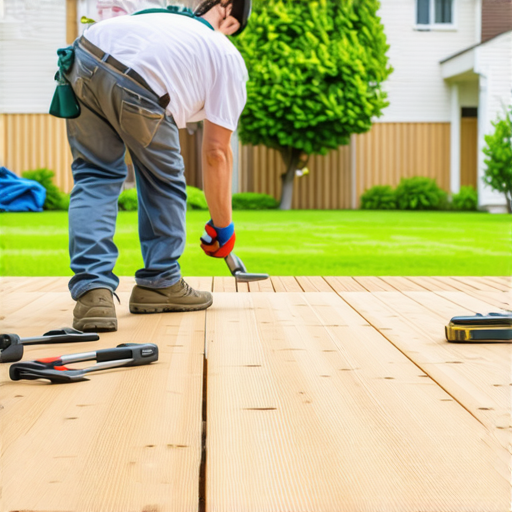
Begin by walking around your deck and looking for obvious signs of damage such as sagging, cracked boards, or uneven surfaces. Use a flashlight to examine hidden areas like the underside of the deck, joists, and ledger boards for rot or insect damage. During my first inspection, I spotted a small crack in a joist, which I initially thought was harmless, but further probing revealed it was compromised, leading me to replace that section entirely.
Test Structural Components for Stability
Check for Wobbling or Give
Gently shake railing posts, stairs, and the deck surface. If any component wobbles, it indicates loose connections or weakened supports. Use a pry bar or a sturdy stick to see if the posts and joists move more than slight give. In my experience, fixing a wobbly post involved tightening the post sleeve and reinforcing the connection with new fasteners, which restored stability.
Inspect and Evaluate Joist and Beam Condition
Look for signs of wood rot, mold, or insect infestation on joists and beams. Test the wood with a screwdriver or punch—it should resist penetration. Soft, crumbly areas signal decay. I remember finding a rotted beam that was almost sponge-like, which I replaced using a DIY approach that involved cutting out the bad section and anchoring a new piece—this saved me money and prevented future problems.
Assess Support Connections and Fasteners
Ensure that all nails, screws, and metal brackets are secure and not rusted or bent. Loose or corroded fasteners can weaken the whole structure. Use a screwdriver or drill to tighten or replace them. When I did this, I discovered some nails had started to back out, which I replaced with corrosion-resistant lag bolts for extra strength.
Evaluate the Overall Foundation
Check for signs of shifting or sinking in footings or piers. Look for gaps between the deck and support posts or uneven foundation surfaces. If you notice any movement, it could indicate underlying shifting issues that need professional attention. I once observed a slight tilting in one corner, which prompted me to consult a contractor and fix the foundation before proceeding with surface upgrades.
Document your Findings and Plan Next Steps
Take notes or photos of areas that need repair or reinforcement. This documentation helps if you decide to hire a professional or order replacement materials. My detailed notes helped me break down repairs into manageable projects, from replacing rot-prone joists to upgrading fasteners, ensuring my deck remained safe and reliable for years to come.
Always remember that assessing your deck’s frame isn’t a one-time task. Regular inspections can catch issues early, preventing costly repairs and keeping your outdoor space safe for family and friends.
When it comes to deck construction, many homeowners assume that following the basics guarantees a durable and safe outdoor space. However, as an experienced deck builder in Needham, I’ve observed that most people get a few critical nuances wrong, which could compromise the entire project. One common misconception is the idea that premium materials alone ensure longevity. While high-quality wood or composite materials are essential, neglecting the importance of proper installation techniques and understanding the local climate nuances often leads to premature failure. For example, many assume that sealing the surface is enough to prevent rot, but ignoring the significance of ventilation and moisture management can trap water underneath, accelerating decay.
Are Your Fasteners and Joist Spans Up to Code
An advanced mistake I see is overlooking the subtle details in fastener spacing and joist spans. Using the wrong spacing or inferior fasteners can cause the deck to wobble or, worse, fail under load. According to a study by the American Wood Protection Association, improper fastener installation significantly contributes to deck failures within five years, especially in climates like Needham’s where freeze-thaw cycles are common. Proper fastening and adherence to local building codes are non-negotiable for a long-lasting deck. Moreover, some builders cut corners by assembling decks with non-corrosion-resistant hardware, which can lead to rust and structural compromise over time. Another critical nuance is deck ventilation. Many overlook airflow beneath the deck surface, which plays a vital role in preventing moisture accumulation and wood rot. Ensuring that your design incorporates adequate ground clearance and venting options, like gable vents or vented skirting, can extend your deck’s lifespan considerably. You might be tempted to cut costs by skipping these details, but it’s a false economy. Proper attention during installation will save you from costly repairs down the line. Spotting wood rot early and ensuring your fasteners meet the best workmanship standards is crucial for safeguarding your investment. Remember, the devil is in the details, and understanding these nuances can make the difference between a deck that lasts for decades versus one that needs replacement after a few seasons. Have you ever fallen into this trap? Let me know in the comments.
Keep Your Deck in Top Shape with the Right Tools
Maintaining a deck that stands the test of time requires more than just a good eye; it demands the right equipment and a strategic approach. Over the years, I’ve refined my toolkit to include specific items that ensure quality work and durability. One indispensable tool is a
Another key item I recommend is a moisture meter. Before applying any sealant or stain, testing the wood’s moisture content helps guarantee optimal adhesion and longevity. I regularly use a digital moisture meter to confirm that the wood is below 15%, in line with industry standards for sealing wood in humid climates. This practice significantly reduces the risk of future rot or mold issues.
For thorough cleaning, I swear by a pressure washer with variable settings. However, I always keep the PSI below 1,500 to prevent surface damage. For delicate areas, I switch to a garden hose with a high-pressure nozzle for spot cleaning. As for stain application or sealing, a high-quality paint sprayer ensures even distribution and efficient coverage—saving time and achieving professional results. Remember, proper maintenance tools are investments that pay off by extending your deck’s lifespan.
Predicting Trends in Deck Care and Maintenance
Looking ahead, advancements in automated maintenance technology suggest the rise of smart, IoT-enabled products—like moisture sensors integrated into decking boards that alert homeowners of potential issues before damage occurs. Additionally, eco-friendly, durable sealants and finishes are expected to dominate the market, aligning with sustainable building standards. Staying ahead means embracing these innovations while adhering to proven practices.
How do I keep my deck working smoothly over time?
Routine inspections combined with strategic use of specialized tools—such as moisture meters and quality pressure washers—are your best bets. Regularly checking fasteners, cleaning with appropriate equipment, and sealing with high-quality products help maintain structural integrity and aesthetic appeal. Don’t underestimate the power of preventive care; catching small issues early can prevent costly repairs in the future. For in-depth advice, consider reviewing best practices for fastener maintenance or exploring options like vetted contractors who understand these nuances.
Try incorporating a digital moisture meter into your routine this season—it’s a game-changer in detecting hidden problems and ensuring your deck remains a safe, beautiful space for years to come.
What the Little Lessons Taught Me About Deck Durability
One of the most eye-opening realizations I had was that even a beautifully built deck with premium materials can fail prematurely if you overlook the fine details. I once believed that once the surface was sealed and the fasteners looked new, my deck was set for years. But lurking beneath that shiny surface were small signs of moisture creeping in, showing me that proper ventilation and meticulous fastening are just as crucial as choosing quality lumber. These insights reminded me that every nail, every joint, and every vent plays a part in your deck’s resilience, a lesson I wish I’d learned earlier.
My Must-Have Tools That Changed Deck Maintenance
Over the years, I discovered that having the right tools makes all the difference. A high-quality moisture meter became my go-to for preventing rot, ensuring the wood’s moisture stays below 15% before sealing—something I recommend you try. A reliable pressure washer allows me to clean without damage, and a good set of deck-specific fasteners ensures longevity. These tools aren’t just gadgets; they’re investments that help me catch problems early and extend my deck’s lifespan. Trust me, integrating them into your routine can save you significant costs in the long run.
The Future of Deck Care Looks Bright
Looking ahead, I believe smart technology will revolutionize how we maintain decks. Imagine moisture sensors embedded in your wood, alerting you to trouble before visible signs appear. Eco-friendly, durable sealants are also evolving, providing better protection against the elements. By staying open to these innovations, homeowners in Needham can ensure their outdoor spaces are not just beautiful but also smarter and more sustainable. Remember, proactive care today keeps repairs at bay tomorrow, so embrace these future trends now.