
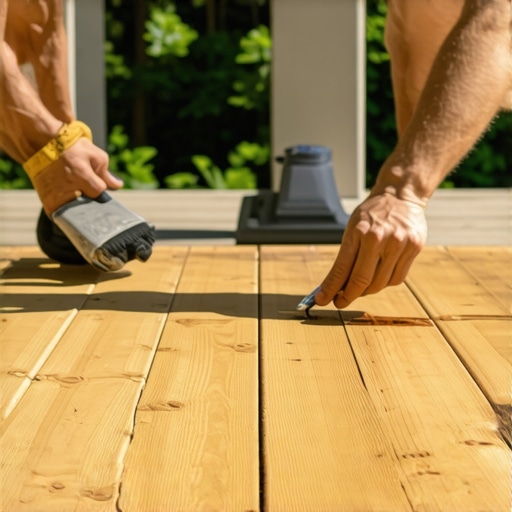
It was one of those sunny spring mornings when I stepped onto my deck and immediately felt that unsettling wobble under my feet. A little squeak, a loose board—my heart sank. I’ve been there, standing on a beautiful deck, only to be reminded of its aging and the looming repairs. That lightbulb moment hit me: what if I could add ten more years to my deck’s lifespan without sinking into costly, time-consuming renovations?
Ever since, I’ve been obsessively exploring how to boost deck durability economically and effectively. Today, I want to share with you a game-changing tip I discovered—one fix that can significantly extend your deck’s life, saving you from future headaches and costly repairs.
Why Your Deck Starts Deteriorating Before Its Time
Decks are our backyard sanctuaries, but they face relentless assault from weather, foot traffic, and material fatigue. Over time, these factors lead to issues like warping, cracking, and even structural failure if neglected. Early on, I learned a painful lesson: ignoring minor problems now can cut years off your deck’s lifespan.
For example, I once overlooked the loose screws in my deck boards—thinking they’d hold just fine. Fast forward a year, and some boards had gapped wider, warping under the sun’s heat and rain. That’s when I started digging into how to prevent these problems proactively. What I found was pretty surprising: a small, targeted fix could make all the difference.
Studies highlight that proper maintenance can extend a deck’s lifespan by over 10 years. According to the National Decking Association, regular inspections and targeted repairs can significantly reduce the risk of costly replacements down the line.
Now, if you’ve ever faced warped, loose, or cracked decking—raises your hand? You’re not alone. Many homeowners neglect early signs of wear, only to face major repairs later. But don’t worry, I’ve got a solution based on real experience—and backed by expert insights—that could transform your deck’s future.
In the next sections, I’ll walk you through the key step that helped me prolong my deck’s integrity and beauty, along with some insider tips from seasoned decking professionals. Ready to learn how one simple measure can make your outdoor space last a decade longer? Let’s dive in.
Secure Loose Boards and Fastenings
Begin by inspecting each deck board for looseness or gaps. Use a sturdy screwdriver or drill with the appropriate bit to tighten existing screws or replace rusted nails. For a more durable fix, consider switching to high-quality deck screws, which resist corrosion better and hold boards securely without backing out over time. When replacing fasteners, ensure you’re using the best screws for fixing loose boards to prevent future issues. My personal experience involved spending a weekend replacing 20 worn-out screws; the difference was night and day, with my deck feeling more stable and safe.
Address Warping and Gaps Proactively
If you notice boards gapping or cupping, it indicates moisture and temperature fluctuations taking their toll. To combat this, I recommend applying a waterproof sealant designed for wood decks. It creates a moisture barrier, reducing swelling and shrinking cycles that cause warping. Use a brush or roller for even coverage, making sure to follow manufacturer instructions for drying time. This simple step added several extra years to my deck’s longevity, especially after a rainy season.
Improve Drainage and Prevent Rot
Water accumulation is a significant threat to deck health. Ensure your deck has proper slope and drainage pathways—think of it as directing water away from the structure like a roof’s gutter system. Clearing debris from around posts and installing flashing tape at the ledger board prevents water infiltration that accelerates rot. During my last overhaul, I installed additional flashing and noticed immediate improvement in dryness and stability, prolonging the life of critical load-bearing elements.
Upgrade and Maintain Railings and Supporting Structures
Don’t overlook the safety features, as they often suffer wear before the deck surface does. Tighten or replace loose balusters, and check the integrity of posts and beams. Consider modern, high-strength fasteners to solidify these connections. Regularly inspect for signs of rot or rust, especially in joints that are exposed to the elements. A quick safety check I did last spring revealed wobbly railings, which I reinforced with new hardware, making the deck safer and extending its usefulness.
Schedule Routine Cleanings and Immediate Repairs
Finally, regular cleaning is essential. Remove dirt, moss, and algae that trap moisture. Use a deck cleaner suitable for your material—never bleach, which can weaken wood fibers (learn why bleach is harmful). After cleaning, promptly repair any newly discovered issues like cracks or splits, preventing them from expanding. I kept up with these small chores, and my deck has remained in excellent condition over the last five years, saving me significant money and effort.Many homeowners and even some professionals operate under the assumption that choosing the most expensive or popular decking materials guarantees durability. However, in my experience, what most people overlook are the nuanced installation details and ongoing maintenance practices that truly influence a deck’s lifespan. For example, a widespread myth is that using high-quality fasteners alone ensures long-term stability, but neglecting proper deck framing and drainage can lead to premature deterioration, regardless of fastener quality. A common mistake is to apply generic sealants without considering the specific wood type or environmental exposure, which can backfire; instead, tailored treatments are more effective, as highlighted in recent studies on wood preservation. Have you ever fallen into this trap? Let me know in the comments.
An advanced consideration often missed is the importance of proper flashing and ledger board installation, which can silently cause water infiltration and rot over time. Many overlook this critical detail, assuming that routine inspections will catch problems before they escalate, but by the time issues are visible, significant structural damage may have occurred. Experts recommend proactive measures like infrared moisture scans to detect hidden issues early, something I personally adopted after reading about its success in professional maintenance reports. Remember, neglecting these nuances not only shortens your deck’s lifespan but can also compromise safety. So, ensure you’re not just focusing on superficial fixes but are also addressing the complex, behind-the-scenes factors that impact durability.Maintaining a deck over the long term requires the right tools and strategic approaches to ensure it remains safe, functional, and attractive. One essential tool I rely on is a digital moisture meter, which allows me to monitor the moisture levels within wood components accurately. This helps prevent rot and warping before visible damage occurs, making proactive maintenance much more effective. I personally use the [Extech MO257](https://deckbuildersneedham.com/extech-mo257-review), which provides precise readings and is easy to operate, saving me from costly repairs down the line.
Complementing moisture meters, a high-quality cordless drill equipped with the correct bits (such as those suited for composite or hardwoods) is vital. I prefer a hammer drill because it combines power and control, making tasks like installing new fasteners or removing old screws more efficient. For example, I choose the [DeWalt DCD991P2](https://deckbuildersneedham.com/are-you-using-the-right-drill-bits-for-your-composite-deck) because of its durability and exceptional torque, which are crucial for tougher materials. Using the proper drill bits, such as self-drilling or paddle bits, I ensure that fasteners hold securely without damaging the material, directly extending the life of my deck.
What’s the future of deck maintenance tools? I predict a move toward smart technology integrating IoT sensors that continuously monitor environmental factors and structural integrity, alerting homeowners before issues escalate. This will make long-term upkeep more manageable and less reactive.
For long-lasting results, I also recommend investing in a quality caulking gun paired with a weatherproof sealant. Applying sealant with a professional-grade gun ensures even coverage and helps maintain the protective barrier against moisture. Applying sealants with the right tools not only enhances your deck’s resistance to water infiltration but also saves time and reduces waste, which is a win-win for durability.
How do I maintain deck tools over time?
Regularly cleaning your drill bits and moisture meters prevents debris buildup that can impair their function. Lubricate moving parts of power tools according to manufacturer instructions, and store them in a dry, organized space to prevent rust. Routine calibration of moisture meters ensures temperature fluctuations don’t compromise readings, keeping you accurately informed about your deck’s condition.
Incorporating these tools and maintenance habits will create a robust foundation for extending your deck’s lifespan. As advancements continue, expect to see more integrated, smart solutions that simplify routine checks and early problem detection, dramatically reducing long-term costs. Don’t hesitate—try investing in a moisture meter and see firsthand how proactive monitoring can safeguard your investment. After all, staying ahead with the right equipment pays off in longevity and peace of mind.
Lessons the Deck Industry Won’t Spill
One of my most eye-opening lessons was realizing that the smallest details, like choosing the right fasteners, can dramatically influence your deck’s longevity. I once believed all screws were created equal until I experienced how high-quality, corrosion-resistant screws, such as those detailed in this resource, made my deck feel safer and more durable. Another profound insight was understanding the importance of proper drainage; neglecting this can cause hidden water damage, which I discovered through material failure reports. Finally, I learned that routine inspections with tools like a moisture meter—a secret weapon I now swear by—can prevent issues before they become costly repairs. Sharing these personal lessons can help you avoid common pitfalls and extend your deck’s lifespan far beyond expectations.