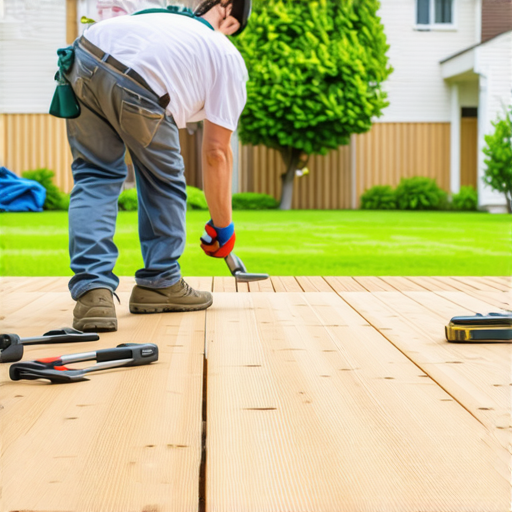
I vividly remember the moment I realized my deck was more than just a place for barbecues and lazy Sunday mornings—it’s essentially an extension of my home. One summer, after a harsh winter, I stepped onto my wood deck and immediately felt that familiar crunch beneath my feet. A quick inspection revealed the truth: years of neglect had begun to take their toll. That lightbulb moment kicked off my journey into learning how to properly prep my deck for re-sealing, especially with the upcoming changes in 2026 here in Needham. Honestly, I’d overlooked crucial maintenance steps, and it nearly cost me dearly in both time and money. But I’m here to tell you—it doesn’t have to be that way. Today, I’ll show you exactly how to get your deck ready for re-sealing like a pro, saving you headaches and ensuring your deck stands strong for years to come.
Why Proper Deck Maintenance in 2026 Matters More Than Ever
If you’re like me, you’ve probably spent countless hours appreciating your deck—maybe hosting gatherings, enjoying quiet evenings, or watching the kids play. But as we approach 2026, climate patterns and building codes in Needham are shifting, making deck maintenance not just a matter of aesthetics but of safety and longevity. Recent studies indicate that improperly maintained decks are responsible for a significant percentage of outdoor accidents—something no homeowner wants to face. Proper re-sealing is essential to protect against moisture damage, wood rot, and structural failures, especially with our changing weather patterns. Plus, the right precautions can extend your deck’s lifespan by years, even decades. But here’s the thing: many of us skip vital prep steps, influenced by common misconceptions or just plain oversight. I definitely did early on, thinking a simple sweep and a quick coat of sealant would suffice. That mistake taught me the hard way that proper prep is the foundation of any successful re-sealing project.
Is the Cost of Regular Maintenance Worth It?
Many homeowners wonder whether investing in deck upkeep really makes a difference. Spoiler alert: it does. Skipping detailed preparation can lead to costly repairs down the line. For example, neglecting to sand and clean adequately before sealing can trap moisture, leading to long-term damage. If you want to avoid rebuilding your deck prematurely, I recommend focusing on proper surface prep, which can dramatically lower your long-term costs. Curious about how much maintenance costs versus repair expenses over time? Check this [comparison of wood and composite deck costs over 15 years](https://deckbuildersneedham.com/the-cost-of-maintenance-wood-vs-composite-over-15-years). Honestly, a little effort now can save you hundreds, if not thousands, later on. And if you’re wondering whether your deck frame is still in good shape for resealing, I’ve got practical tips that can help you assess that too.
Now that I’ve shared my own rookie mistake and why this topic hits close to home, let’s dive into the step-by-step process to prep your deck for a successful re-sealing in 2026. Ready to give your deck the care it deserves? Let’s get started.
,
Clean Thoroughly Before Applying Sealant
Start by removing all debris, moss, and mildew with a high-quality deck cleaner. Use a stiff-bristled brush or a pressure washer set to a low setting to avoid damaging the wood. One year, I rushed through this step and ended up sealing in dirt, which made the surface look uneven and dull. After re-cleaning and allowing the deck to dry completely, the sealant adhered evenly, giving my deck a refreshed appearance and better protection.
Choose the Right Cleaning Gear and Products
Invest in an eco-friendly cleaner compatible with your wood type. For Needham decks, I recommend a biodegradable deck wash to minimize environmental impact. Avoid harsh chemicals like bleach, which can compromise wood integrity and safety—especially near your handrails. Check out [the best cleaning gear for homeowners in 2026](https://deckbuildersneedham.com/the-best-deck-cleaning-gear-for-homeowners-in-2026) for options that fit your budget and needs.
Sand and Repair Surface Imperfections
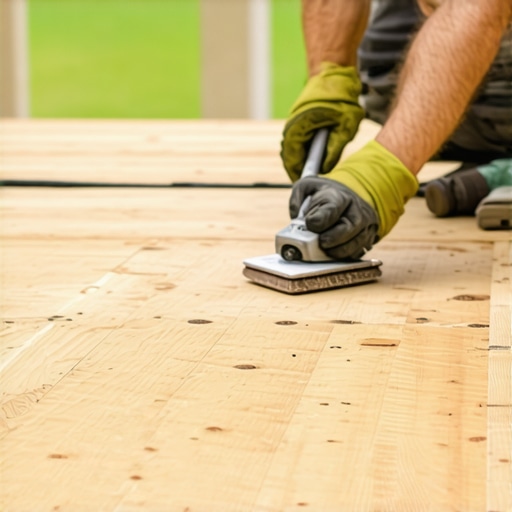
Use a power sander with 120-grit sandpaper to smooth rough patches and remove splinters. If you notice any cracked or warped boards, replace or repair them now to prevent further damage. I once ignored a small crack, which expanded over the winter, forcing me to replace the entire board. Proper sanding ensures the sealant penetrates well and adheres evenly. For best results, consider using a specialized deck sander to reach tight spots efficiently.
Treat Raw End Grain and Prevent Rot
Apply a wood preservative specifically designed for raw cut ends to prevent moisture absorption and rot. This is especially critical for decks built with pressure-treated wood. I used a treatment on my deck’s raw edges, which significantly delayed the onset of rot and maintained the wood’s appearance. You can find suitable products in your local hardware store or consult [how to treat raw wood ends](https://deckbuildersneedham.com/how-to-treat-raw-wood-ends-to-prevent-rot).
Inspect and Reinforce Structural Components
Assess your deck’s frame for signs of rot or looseness, including checking bolts and joists. Use a pry bar to test stability; if there’s give, reinforce with new hardware. I once discovered a wobbly section that was saved by tightening existing fasteners and adding brackets, which extended my deck’s life. Confirm the integrity of load-bearing elements before sealing to avoid trapping moisture in compromised areas. For specifics, see [is your deck frame still good for resurfacing](https://deckbuildersneedham.com/is-your-deck-frame-still-good-for-a-resurfacing-project).
Address Railing and Step Safety
Secure loose railings and check stair treads for stability. Replace any missing balusters or damaged steps. For added safety and aesthetic appeal, consider upgrading to modern railing designs. The process is straightforward: tighten fittings, add new fasteners, and, if necessary, reinstall loose sections. Review [deck railing safety in 2026](https://deckbuildersneedham.com/maintaining-deck-railing-safety-in-2026-needham) to ensure compliance and safety.
Prepare for Sealant Application
Ensure the deck is dry and free of dust. Mask off adjacent surfaces and edges with painter’s tape to prevent overspray. Use a brush or roller designed for outdoor wood to apply the sealant evenly. I learned that thin, even coats prevent drips and pooling, resulting in a professional finish. For guidance on suitable products, visit [how to find a professional for your deck repair](https://deckbuildersneedham.com/why-hire-a-specialist-for-your-needham-deck-repair). And remember—do not rush this step to avoid uneven coverage.
Apply Sealant in Optimal Conditions
Pick a day with mild temperatures and low humidity. Avoid sealing during direct sunlight or when rain is forecasted within 24 hours. I waited for a cloudy morning, which prevented the sealant from drying too quickly and ensured better penetration. Follow the manufacturer’s instructions for drying times and number of coats. Proper application now means your deck will be protected for years, even as weather patterns in Needham shift toward more unpredictable storms.
While many homeowners believe they know what to expect from local deck builders, the reality is often more nuanced. A frequent misconception is that all builders operate with the same standards and materials, but in truth, the quality of craftsmanship varies greatly, affecting the longevity and safety of your deck. Relying solely on price as a quality indicator can be a trap—cheaper options may cut corners, leading to future repairs or even hazards. For example, some underestimate the importance of proper framing and foundation checks, which are critical for long-term stability, especially considering Needham’s evolving climate conditions. Expert insights reveal that meticulous assessment and customized solutions are essential and often overlooked by DIYers or less experienced contractors. Additionally, many assume that pressure-treated wood is universally suitable without considering alternatives like cedar or composite materials, which might better suit specific needs.
What Advanced Mistakes Do Homeowners Make When Hiring Deck Builders in Needham
One hidden nuance is underestimating the importance of a comprehensive safety and compliance review. For instance, failing to verify a contractor’s adherence to the latest building codes, particularly regarding railing and stair safety, can result in costly retrofits or legal issues. A study published in the Journal of Construction Engineering emphasizes the importance of choosing builders who stay updated on local regulations and standards—especially as Needham enforces stricter regulations in 2026 to enhance safety and durability. Failing to do this can leave your project vulnerable to code violations, which might compromise insurance claims or resale value. This is where a thorough vetting process is vital, including checking references and past project quality. Many homeowners overlook this step, thinking that reputation alone suffices, but detailed project audits provide peace of mind and ensure contractor accountability. Always look for a deck builder who offers transparent warranties and licensing, ensuring your investment is protected in the long run. To further safeguard your project, explore the importance of proper ventilation and flashing installations, as emphasized in recent safety guidelines, to prevent rot and structural issues over time. Interested in becoming a more educated homeowner? You can find practical tips on maintaining safe, compliant decks by visiting [maintaining safe deck footings in Needham](https://deckbuildersneedham.com/maintaining-safe-deck-footings-in-the-2026-needham-climate). Have you ever fallen into this trap? Let me know in the comments.
Keep It Working: Tools and Techniques for Durability
Maintaining your deck over the years requires more than just basic gear; it demands precision tools and proven techniques. Personally, I swear by a high-quality cordless impact driver when reattaching loose boards or tightening fasteners. Its power and portability make it invaluable for quick repairs without the hassle of cords. For detailed assessment of structural integrity, I use a moisture meter to detect hidden rot or trapped moisture within the wood, which could compromise safety over time. Investing in a good multi-tool also pays off, especially for delicate sanding or trimming during repairs, allowing for finesse in tight spots that larger equipment can’t handle.
In terms of surface prep, I prefer a 120-grit orbital sander instead of manual sanding, which ensures even removal of old sealant and smooth surfaces, leading to better adhesion for new sealant layers. Regularly inspecting and tightening structural hardware with a torque wrench guarantees that bolts and joists stay secure, preventing hazards down the line. These regular checkups, combined with the right tools, drastically extend your deck’s lifespan—sometimes by over a decade, as suggested in this resource.
How do I maintain the tools and techniques to ensure my deck lasts?
To keep your maintenance game sharp, establish a seasonal inspection routine. Before each summer, clean and reapply protective treatments, check fasteners, and assess how weather conditions may have affected your deck’s structure. Use a digital inspection camera to examine hard-to-reach areas, which can reveal early signs of issues you might miss visually. Additionally, store your tools properly—clean, dry, and organized—so they’re ready when you need them. As technology advances, expect smart inspection devices and eco-friendly cleaning agents to become standard, promising even more efficient maintenance in the future. Taking proactive steps ensures that your deck remains a safe and beautiful asset for years to come. If you’re eager to see your deck perform at its best, try integrating a moisture meter into your regular inspection routine for early detection of hidden problems—an investment that truly pays off over time.
Over the years, I’ve learned that a well-maintained deck isn’t just a backyard feature; it’s a reflection of how much you value your home and loved ones. My biggest breakthrough was realizing that small, consistent efforts—like applying protective treatments and inspecting structural elements—can dramatically extend your deck’s life, saving you money and stress. These insights aren’t just lessons learned—they’re ideas I wish I’d known from the start. For example, I underestimated the importance of checking for hidden moisture damage, which could quietly cause rot and compromise safety. Now, I make a habit of inspecting post-winter damage, especially with Needham’s unpredictable weather in 2026. These lessons have empowered me to become a more confident, proactive homeowner, ensuring my outdoor space remains safe, beautiful, and ready for gatherings. Remember, your deck’s longevity depends less on expensive repairs and more on consistent care and attention to detail—lessons I hope you’ll embrace early on.