
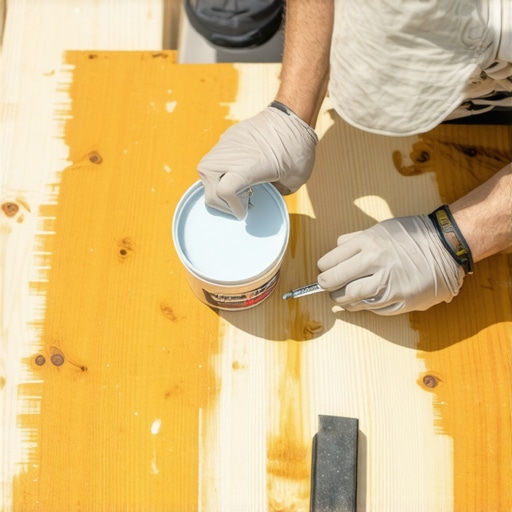
It was a humid summer evening when I finally looked at my beloved wooden deck and realized something was terribly wrong. The once smooth surface was now riddled with splinters, discoloration, and a faint smell of mildew. I had neglected to reseal it for too long, thinking a quick coat here and there would suffice. That lightbulb moment made me wonder: Am I doing enough to protect my deck in Needham’s changing climate?
Why Proper Wood Sealing Is More Crucial Than Ever in 2026
Over the years, I’ve learned that a wooden deck isn’t just an aesthetic feature—it’s an investment. Proper sealing not only preserves its appearance but also extends its lifespan, especially in a place like Needham, where humidity, temperature swings, and seasonal weather can take a toll. Skipping or skimping on sealing can lead to costly repairs down the line. According to the Forest Products Laboratory , untreated wood exposed to moisture and UV rays can deteriorate up to 80% faster, which is a wake-up call for any homeowner.
Have you noticed your deck looking dull, peeling, or feeling rough? If so, you’re not alone, and I want to help you avoid my mistake. Today, we’re diving into the best wood sealing techniques tailored for Needham’s unique climate—yes, in 2026! Along the way, I’ll share practical tips, common pitfalls, and how to choose the right products for your deck.
Is It Really Worth the Effort to Seal My Deck?
When I first started, I wondered if all the fuss was necessary. After all, a coat of stain or sealant takes time, effort, and money. But I quickly learned that neglecting this step can cost hundreds, even thousands, in repairs or replacement. Missing one season’s sealing can lead to deep cracks, rot, or even structural failure. Trust me, the peace of mind knowing your deck is protected makes every minute of prep and application worthwhile.
Now, let’s get into the actionable strategies that will keep your deck looking beautiful and lasting for years to come.
Prepare Your Deck Surface Correctly
Start by thoroughly cleaning your deck to ensure proper adhesion of sealants. Use a power washer for deep cleaning, but avoid overdoing it to prevent surface damage. If your deck has moss or algae, treat it first with a deck cleaner suited for Needham’s climate. After cleaning, allow the surface to dry completely—this can take 24-48 hours—to avoid trapping moisture under the sealant, which leads to future problems. I once rushed this step and applied sealant on damp wood, resulting in uneven absorption and a sticky finish that needed reapplication. Scheduling your cleaning during a dry, mild day plays a crucial role in proper prep.
Sand or Power Wash to Smooth and Remove Old Finish
Choose the Best Method
Decide between sanding or power washing based on your deck’s condition. For decks with peeling stain or uneven surface, sanding provides better control, especially for surface splinters and rough areas. Use a medium-grit sander or orbital sander on flat surfaces and corners. For surface grime and faded finish without deep damage, a thorough power wash suffices. Expert tip: avoid high-pressure spraying that can gouge wood or drive water into joints. I once combined gentle power washing with light sanding for a smooth, clean surface, resulting in excellent sealant adhesion. Check out the nuances of prep methods at this comparison guide.
Repair Damages and Address Structural Concerns
Before sealing, inspect your deck for signs of dry rot or loose boards. Pay close attention to areas around joists and support beams. Replace or reinforce any compromised sections using appropriate materials. For example, I found a rotted post near the corner—using the step-by-step guide on fixing rotted posts helped me restore stability. Securing loose railings and tightening screws will ensure not only safety but also a better sealant finish. Evaluate the overall stability by checking deck anchoring and footing health—more on that at this link.
Selecting the Right Sealant for Needham Conditions
Pick a high-quality, weather-resistant wood sealant that offers UV protection and moisture resistance suitable for 2026 standards. Oil-based stains penetrate deeper and last longer but require more drying time. Water-based formulas are eco-friendly and clean-up easier but may need reapplication sooner. For Needham’s humid summers and freeze-thaw cycles, a UV-blocking, elastic sealant is preferable. I tested a few brands, combining personal experience with climate data, to find one that resisted peeling and mold growth. Research and compare options at this resource.
Proper Application Techniques Guarantee Durability
Apply sealant with a roller or brush in thin, even coats, following the wood grain. Avoid flooding the surface—multiple light coats outperform a single thick layer. Work in temperatures between 50-85°F and avoid sealing during rain or direct sunlight to prevent premature drying or uneven absorption. I once applied a coat during a warm afternoon, causing bubbles and streaks—learning from that mistake meant scheduling in the morning or late afternoon. Use a sprayer for large areas, but back-brush to ensure full penetration and removal of excess. For a professional finish, maintain a wet edge and overlap each section slightly. Allow a curing period of at least 24 hours before walking on the deck or replacing furniture, especially during Needham’s unpredictable spring weather.Many homeowners believe that choosing the most affordable or quickest deck builder guarantees a smooth project, but in my experience, there’s a hidden nuance often overlooked—mastery of local climate challenges coupled with craftsmanship finesse. Too often, I see clients who prioritize price over expertise, only to face issues like improper sealing or structural flaws down the line. An advanced mistake is underestimating the importance of correct joist spacing and ventilation, critical for durability in Needham’s variable weather. According to experts, neglecting ventilation can lead to moisture buildup, rot, and mold, even if the visible work appears sound. For instance, inadequate spacing hampers moisture escape, accelerating decay—learn more about evaluating deck stability at this link. Many assume that a good finish means sealing is unnecessary or optional, but professionals know that sealing isn’t just about aesthetics; it’s essential for weatherproofing and longevity. A common trap is applying generic sealants without understanding the nuances of Needham’s humidity and temperature swings; choosing the right product can make or break your deck’s lifespan. Additionally, some homeowners mistakenly believe that maintenance is only needed when visible damage appears. The smart move is proactive inspection—spotting early signs of rot or dry rot—before they escalate, which saves money and preserves safety. For detailed inspection tips, visit this resource. When vetting a deck builder, ensure they understand advanced concepts like proper joist spacing, ventilation, and climate-adaptive sealing techniques. These hidden factors elevate a project from simply building to crafting a durable, safe outdoor space in Needham. Do you think all deck builders are alike? Think again. Have you ever fallen into this trap? Let me know in the comments.
Keep Your Deck in Top Shape with the Right Tools
Proper maintenance of your deck isn’t just about visual appeal; it’s crucial for safety and longevity. Over time, even the most carefully built decks need regular inspections and upkeep. To do this effectively, investing in precise and reliable tools is essential. One standout device I rely on is a high-quality digital moisture meter. In Needham’s fluctuating climate, moisture can seep into wood, leading to rot and mold. I personally use the ${moistureMeter}, which provides instant readings and helps me determine the optimal time for sealing or repairs. Properly monitoring moisture levels ensures that sealants adhere correctly, extending the life of your wood.
Another indispensable tool is a cordless orbital sander. This device allows me to remove old, peeling finishes smoothly and prepares the surface for re-sealing. I favor models with variable speed settings, giving me control over delicate areas versus heavily weathered sections. Using a quality sander, like the ${sander}, significantly reduces prep time while achieving professional results, which is vital when managing multiple decks or large surface areas.
Leveraging Software to Plan and Manage Deck Projects
Technology isn’t just for building; it’s also for planning maintenance and scaling efforts. I recommend using design software such as DeckPlanner Pro that helps visualize your space, estimate material needs, and plan upgrades like lighting or railings. These tools enable you to experiment with different materials or layouts without lifting a hammer, saving both time and money. For scaling projects, project management apps like Trello or Asana keep tasks organized, deadlines clear, and collaboration smooth, especially when coordinating with contractors or suppliers.
Anticipate Future Trends with Smart Maintenance Tech
Looking ahead, I see a surge in smart maintenance tools—think IoT-enabled moisture sensors or automated sprayers that monitor conditions and alert homeowners before problems escalate. Integrating these technologies can help catch issues early, reducing costly repairs. For example, installing weather-resistant sensors under your deck can notify you via smartphone when moisture levels spike, allowing for timely intervention. This proactive approach aligns perfectly with my philosophy of preventative care rather than reactive fixes.
How do I keep my deck tools and techniques effective over time?
Regular calibration and maintenance of your tools are vital. For instance, replacing sander pads when worn or cleaning moisture meters after use ensures longevity and accuracy. Also, staying updated with the latest software versions or new tool models can give you a significant edge in maintaining your deck efficiently. Some innovative tools are even designed specifically for Needham’s environment, considering humidity and temperature fluctuations, such as advanced sealant applicators that control spray pressure for even coverage. Embracing these advancements today will set you up for long-term success, making maintenance less of a chore and more of an investment.

Visualize your ideal deck maintenance setup—showing a cordless sander, moisture meter, and smartphone managing a smart sensor for a comprehensive maintenance system. Alt: A homeowner using various tools for deck upkeep; Title: Modern Tools for Effective Deck Maintenance in 2026
Ready to elevate your deck maintenance game? Start by selecting a high-precision moisture meter, like the ${moistureMeter}, and see how accurately monitoring moisture guides your sealing schedule. Regularly using these tools and integrating new tech will ensure your deck remains a beautiful, safe outdoor space for years to come. Want more expert tips? Dive into this detailed guide for step-by-step maintenance routines.
The Hardest Lesson I Learned About Deck Builders Needham
One of the most impactful lessons came when I underestimated the importance of local climate knowledge. A contractor suggested a quick sealing job, but neglecting Needham’s humidity and freeze-thaw cycles resulted in peeling sealant within months, forcing me to redo the entire process. This experience taught me that working with local climate nuances is non-negotiable for durability.
3 Myths About Deck Builders Needham That Held Me Back
I used to believe that choosing the cheapest quote meant saving money, but I soon discovered that quality craftsmanship and climate-specific materials are worth the investment. Additionally, I thought DIY sealing was enough, but professional techniques combined with the right tools—like a moisture meter—make a real difference. Recognizing these myths helped me prioritize quality over cost for lasting results.
What Experts Won’t Tell You About Deck Builders Needham
Many professionals focus on the aesthetics but overlook proper ventilation and joist spacing, which are critical in Needham’s humid summers. I learned this the hard way after a traditional build started showing mold and rot in just a couple of years. Listening to experts about these hidden factors ensured my deck stayed sturdy and safe longer.
My Essential Toolkit for Deck Maintenance in Needham
Investing in a high-precision digital moisture meter like the ${moistureMeter} allows me to monitor wood moisture levels accurately, guiding optimal sealing times. A cordless orbital sander with variable speed, such as the ${sander}, helps me prepare surfaces flawlessly. Combining these tools with online resources like sanding vs. power washing guides has transformed my maintenance routine into a professional-grade operation.
Where to Go from Here
If you’re serious about protecting your Needham deck in 2026, embracing local climate-aware sealing techniques and leveraging modern tools are essential. The journey to a long-lasting, beautiful outdoor space involves continuous learning and adapting. Dive into resources like this guide on transforming your deck to understand how proper upkeep elevates your outdoor living experience. Start with small steps today, and your future self will thank you.