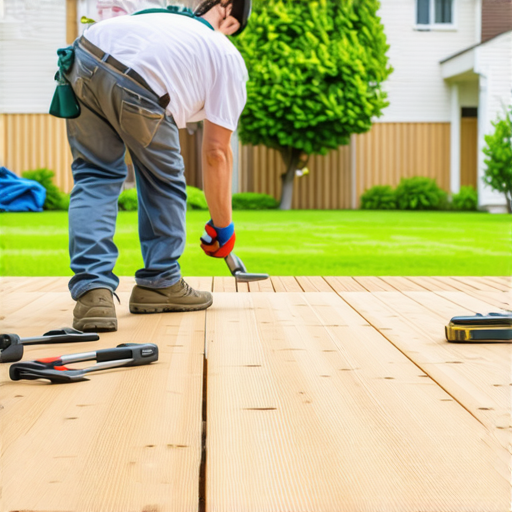

There was a weekend last summer when I stepped out onto my deck, only to be greeted by a dull, gray surface that no longer felt inviting. My heart sank—I realized I hadn’t given it proper care in years. That lightbulb moment made me finally face a truth many homeowners dread: neglecting deck maintenance can turn a beautiful outdoor space into a weathered eyesore. If you’re like I was, maybe you’ve experienced the frustration of seeing your deck deteriorate, despite your best intentions.
Why Proper Cleaning and Sealing Are Game Changers for 2026
Maintaining a wood deck isn’t just about aesthetics; it’s about protecting your investment and ensuring safety for everyone enjoying your backyard. In 2026, the importance of a consistent cleaning and sealing schedule has never been clearer. Weather, foot traffic, and time all conspire to weaken wood over the years, leading to issues like rot, splintering, and discoloration. Regular upkeep can extend the life of your deck by a decade or more—trust me, it’s worth it!
Does The Cost and Effort Really Pay Off?
I used to think maintaining my deck was a chore that could wait, until I learned that neglecting it could lead to costly repairs or a full replacement. According to the National Association of Home Builders, deck repairs due to neglect can cost homeowners hundreds to thousands of dollars more than routine upkeep. Plus, the satisfaction of enjoying a clean, well-sealed deck is priceless on those warm summer evenings. So, if you’re questioning whether to invest a little time and money now, I want to assure you—it absolutely pays off.
Now, let’s talk about how you can develop a simple, effective schedule that keeps your deck looking pristine and functioning safely year-round. Whether your deck is made of cedar, mahogany, or composite, these tips will help you protect your outdoor haven.
Have you faced the challenge of keeping your deck in top shape? Stick around—I’ll walk you through step-by-step what works best based on my personal experience and trusted industry advice.
Start with a Thorough Cleaning
My first experience with deck cleaning was messy but enlightening. I used a power washer to remove dirt and grime, making sure to hold the nozzle at a consistent distance to avoid damaging the wood. Think of it like giving your deck a spa treatment—removing the layer of grime reveals the true color and condition beneath. For stubborn mildew or mold, I applied a solution of water and mild detergent, scrubbing gently with a soft-bristled brush. Regular cleaning prevents the buildup of mold and helps the sealant adhere better, which is crucial before sealing your deck. When in doubt, consult my step-by-step guide on removing mildew without a scrubber.
Inspect and Repair Before Sealing
After cleaning, I immediately checked my deck for loose or broken boards. It’s like giving your house a health check-up—finding small issues early prevents bigger problems later. I looked for splintered or cracked wood, especially around high-traffic areas. I also examined the support posts for signs of rot, which can compromise your deck’s stability; I learned to spot signs of dry rot during my last inspection. Swelling or softness in the wood indicates underlying rot or moisture infiltration. Small cracks can be sealed with exterior-grade wood filler. Replacing damaged boards or reinforcing weak supports ensures safety and longevity—think of it as tightening loose bolts in your home’s foundation.
Prep for Effective Sealing
Proper prep is key to a lasting seal. I used a brush or roller to remove any remaining debris and dirt lingering in crevices. My favorite trick was to lightly sand rough patches, which helps the sealant penetrate better, akin to smoothing wrinkles before applying a coat of paint. I made sure to eliminate all dust to prevent trapping particles under the sealant, which can cause peeling. For a cleaner finish, I also masked adjacent surfaces and hardware to avoid spills. If your deck has existing paint or stain, consider stripping it for better adhesion—check out my guide on masking techniques before staining.
Selecting the Right Sealant
Choosing the right product depends on your deck’s material and your climate. I opted for an eco-friendly, waterproof sealant suitable for wood decks in Needham. I researched eco-friendly stains that resist mold and UV damage. Sometimes, I apply two thin coats instead of one thick one for better coverage and durability—this approach is like applying multiple thin layers of varnish to avoid drips and achieve even protection. I also considered whether to go for a clear sealant or a tinted one, weighing aesthetic vs. UV protection.
Applying the Sealant Effectively
I used a high-quality brush for edges and a roller for large flat areas, working in the shade to prevent the sealant from drying too quickly. Applying in the direction of the wood grain ensures a uniform finish. I avoided over-application—that’s just like painting a wall; too much paint drips and pools—by following the manufacturer’s instructions. For areas inaccessible to a roller, a brush works best. Ensuring good airflow and not working in direct sun prevents Sealant from curing unevenly. Remember, patience is key; I waited at least 24 hours before walking on the new sealant to let it cure fully. For more insights, see my post on preparing your deck for re-sealing.
Establishing a Routine
To keep my deck in prime condition, I set a biannual maintenance schedule—spring and fall—similar to car maintenance. This routine includes cleaning, inspecting, repairs, and resealing. I marked my calendar with reminders, so I don’t forget. Regularly sweeping away debris and inspecting for early signs of wear prolongs the lifespan, akin to a health check-up for your outdoor living space. Over time, this practice prevents costly repairs and helps retain your deck’s beauty and safety. Learn how to develop your own schedule with tips from my comprehensive guide on Mahogany deck maintenance.
When it comes to designing and building decks in Needham, many homeowners rely on common wisdom or quick assumptions, but there’s more beneath the surface that can make or break your project. One widespread misconception is that choosing the most popular material automatically guarantees durability and style, yet experts suggest that understanding the specific nuances of materials like cedar or composite can significantly impact longevity and aesthetics. For example, while cedar is loved for its natural beauty, neglecting proper sealing can lead to premature rot—something many overlook until it’s too late. This highlights the importance of tailored maintenance strategies, as discussed in my guide on mahogany deck care. Moreover, a common myth is that larger decks are always better; in reality, poorly planned expansive spaces can become inefficient and hard to maintain, especially if they lack integrated lighting or drainage solutions, as explored in modern lighting options.
Why do most people underestimate the importance of proper footing design?
This oversight can lead to serious structural issues down the line. The foundation of your deck isn’t just a technical detail—it’s the backbone that ensures safety and durability. Many skip thorough soil analysis or fail to adapt footing depth for seasonal freezing, which can cause instability, especially in climate zones like Needham’s. As a rule of thumb, consulting specialized resources or experienced local builders can help you avoid costly mistakes, as emphasized in my post on deck stability. Interestingly, studies indicate that poor footing design is a leading cause of deck failure in residential projects nationwide. So, don’t fall into the trap of assuming one-size-fits-all solutions; instead, prioritize site-specific planning and professional guidance. Have you ever fallen into this trap? Let me know in the comments.
Ensuring your deck remains in top shape over time requires more than just occasional cleaning. Investing in the right tools and adopting effective maintenance routines can significantly extend your deck’s lifespan and functionality. One essential tool I highly recommend is a variable pressure power washer. Unlike standard pressure washers, a variable pressure model allows precise control over water intensity, which is crucial for avoiding damage to delicate wood surfaces. I personally use the Greenworks VIRB2250 because it offers adjustable pressure settings and a soap applicator, making it versatile for different cleaning needs.
Another vital piece of equipment is a high-quality deck Scraper Tool. I favor a Deck Kleen De-Scaper that easily removes old paint and stubborn grime without damaging the wood. For inspections, a bright LED work light mounted on an adjustable pole helps reveal cracks, rot, or loose fasteners, especially in shaded areas or during cloudy days.
Beyond tools, software like maintenance tracking apps can streamline your upkeep schedule. I use a simple reminder system integrated with my phone’s calendar to mark biannual cleaning and inspection dates. This habit ensures I stay proactive rather than reactive, and it prevents small issues from escalating into costly repairs. In the future, I predict smart sensors embedded in decking materials may alert homeowners about moisture levels or structural weaknesses, further automating maintenance and reducing guesswork.
Ask yourself: How do I maintain my deck over time to maximize its durability? Implementing a routine combined with the right tools, like a variable pressure washer and inspection accessories, can make all the difference. If you’re considering an upgrade or new build, check out local Needham deck builders for expert advice tailored to your climate and material choices. Additionally, regular application of eco-friendly sealants—particularly in climates like Needham’s—can safeguard your deck against moisture and UV damage, as discussed in this guide. Start by trying out a high-quality power washer with adjustable settings to see immediate improvements in cleaning efficiency and surface preservation, and watch how it transforms your maintenance routine.
The Hardest Lesson I Learned About Deck Builders Needham
One of my biggest realizations was realizing that a one-size-fits-all approach doesn’t work—different materials, climates, and usage habits require tailored maintenance plans. Early on, I believed that generic sealing products and standard inspections were enough, but as time went on, I saw firsthand how specific conditions demand custom solutions. This taught me to listen to my deck’s unique needs rather than relying solely on generic advice.
My Essential Toolkit for Deck Upkeep
Over the years, I’ve come to trust tools like a variable pressure power washer for gentle yet effective cleaning, and a high-quality deck scraper for stubborn grime, both of which make routine maintenance manageable and efficient. I also rely on smartphone reminders for biannual check-ups, which keep small issues from turning into costly repairs. These tools and habits have become my personal secret to preserving my outdoor space for years to come.
Embrace the Future of Deck Care
Maintaining a deck isn’t just about the now—it’s about setting a foundation for future enjoyment and safety. I encourage you to see your deck as a living part of your home that benefits from proactive, personalized care. Technologies like smart moisture sensors could revolutionize deck maintenance, alerting us exactly when issues arise. Don’t wait for visible damage—start developing your tailored routine today, and enjoy a beautiful, safe outdoor oasis for years to come. What’s one deck maintenance habit you’ve been meaning to start? Share your plans below!