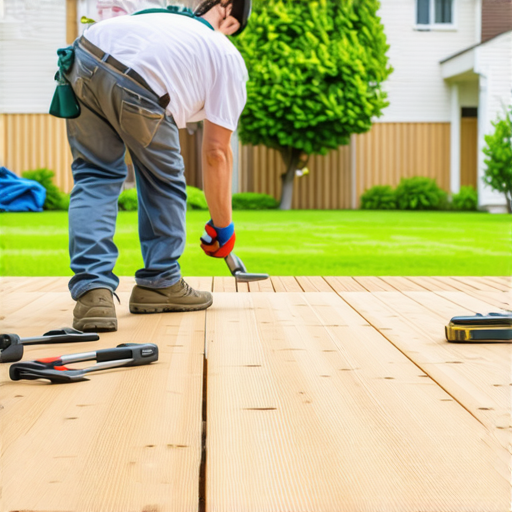
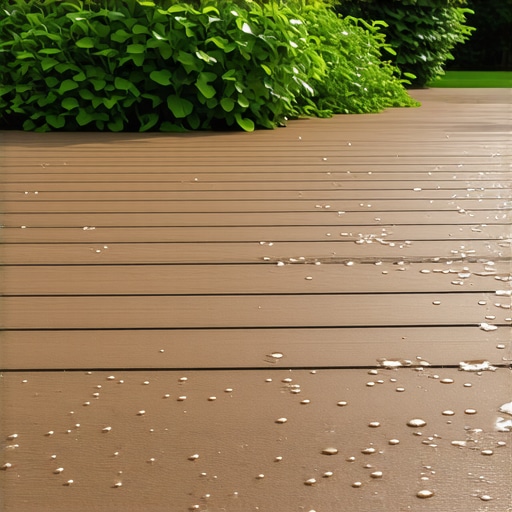
One rainy afternoon, I stepped onto my deck and immediately noticed a dull, warped board—a stark reminder of my earlier mistake. That moment was a lightbulb flashing in my mind: I had underestimated the importance of moisture resistance in deck materials, especially in our wet Needham climate. If you’ve ever faced deck swelling, mold, or warping, you know how frustrating and costly those problems can be. Today, I want to share how understanding and investing in the right composite decking, particularly the innovative 2026 models, transformed my outdoor space and saved me from future headaches.
Why Moisture Resistance Matters More Than Ever
In Needham, our unpredictable weather makes moisture management in decks a top priority. The truth is, traditional wood decks can’t hold up against our rain and humidity, leading to rot, mold, and a slippery surface—a safety hazard. That’s where modern composite decking, like the 2026 models, shines. They’re engineered to repel moisture, resisting the swelling and decay that plague traditional wood. When I first considered composite options, I was skeptical. Wasn’t it just plastic-looking siding in disguise? But after digging into the performance tests—like the scratch test results comparing Fiberon and Trex—you realize that durable, high-quality composites can look stunning and stand the test of time.
Have you ever felt that sinking feeling when your outdoor retreat starts showing signs of moisture damage? If so, you’re not alone. Many homeowners underestimate how critical the right decking material is until it’s too late. My early mistake was choosing a cheaper, non-moisture-resistant deck, which led to warping and surface scratches I couldn’t repair easily. Since then, I’ve learned that selecting the proper material, backed by real-world testing, is a game-changer. For practical tips on choosing the best composite decking, check out our detailed comparison of Fiberon vs Trex.
Now, let’s explore how to ensure your deck remains a worry-free, beautiful space for years to come.
Select the Right Material for Your Climate
Start by choosing a high-quality composite decking such as the 2026 models, renowned for their moisture resistance. I vividly remember visiting local suppliers and inspecting samples, feeling skeptical until I noticed the dense, non-porous surface that resisted water absorption. This initial step is crucial because inferior materials can lead to warping and mold over time. Research and verify performance through real-world tests; I used Fiberon vs Trex scratch tests to inform my decision.
Prepare and Level the Foundation Properly
Ensure your deck’s foundation is solid and level. I used a laser level and concrete footings to create a flat, stable base, much like laying a foundation for a house. This prevents uneven settling which can stress the decking and cause cracks. Invest time in digging precise piers or footing holes, adhering to Needham foundation rules. An uneven base is the root of many problems, so take this step seriously—my initial shortcut led to wobbly rails that I had to fix later.
Install Proper Drainage and Ventilation Systems
Embedding under-deck drainage systems prevents water pooling underneath and damaging the structure. I learned this firsthand when my deck’s surface remained dry, but water seeping underneath caused concealed rot. Use products like under-deck drainage systems and ensure adequate gap spacing for airflow. Think of your deck like a sponge—if water gets trapped, decay quickly follows. Proper slope and drainage piping also help divert runoff efficiently.
Secure the Deck’s Frame with Corrosion-Resistant Hardware
Choosing the right fasteners is vital. I opted for stainless steel or coated screws, which resist rust even in our rainy climate. It’s akin to choosing a stainless knife versus a regular one—lasting decades without corrosion. Follow guidelines from local building codes on fastener specifications. During my install, I used the correct length and type of screws for composite, avoiding nails that can loosen or cause splitting over time.
Apply Protective Sealers and Regular Maintenance
Post-installation, I applied a quality sealer designed for composite surfaces, especially to seal edges and cut areas. Although composite decks require less upkeep than wood, periodic cleaning prevents mold and surface scratches—like the ones I dealt with after a year. For scratches, I turned to repair methods for surface scratches. Regular inspections and washing with gentle, composite-safe detergents keep the deck looking new and prolong its lifespan.
Incorporate Design Features for Durability
Adding features like built-in drainage channels, slip-resistant textures, and strategic spacing enhances longevity. I integrated these elements into my design, inspired by custom layout ideas, ensuring water runoff and safe footing. These small but significant details make your deck more resilient against weathering and heavy use.
Many homeowners believe that choosing the cheapest quote guarantees the best deal for their deck project, but in my experience, this often leads to surprises or overlooked details that can escalate costs later. It’s crucial to look beyond price and focus on the builder’s expertise, materials, and adherence to local codes. Another misconception is that all composite decking models perform equally well; in reality, some, like the 2026 models, offer superior moisture resistance and scratch durability, which you can verify by reviewing performance tests. Many think that a DIY approach will save money, but without proper knowledge of structural requirements and local regulations detailed in Estimate Reading, you risk costly mistakes or safety issues. It’s also a myth that installing a deck is straightforward—consider the importance of proper foundation preparation, drainage, and hardware corrosion resistance, which expert contractors can handle efficiently. The Advanced nuances involve understanding the subtle differences in composite formulations and testing standards; studies show that some composites exhibit better edge sealing and UV stability, essential for Needham’s variable climate. Avoid the trap of ignoring local building codes regarding railing heights or load limits, which could lead to safety violations, as detailed in Code guidelines. Recognizing these myths and nuances ensures your investment yields long-term satisfaction, saving you both money and stress. Have you ever fallen into this trap? Let me know in the comments to share your experience and learn more about what truly matters when hiring deck builders in Needham.Maintaining a beautiful, durable deck requires not only quality materials but also the right tools and consistent effort. Over the years, I’ve refined my toolkit to ensure my deck remains safe, functional, and visually appealing, even after harsh weather or heavy use. One of my go-to items is a high-quality power sander, specifically a orbital sander with variable speeds. It allows me to quickly remove surface scratches and prepare areas for repairs, especially when resurfacing worn sections, as detailed in [repairing surface scratches on composite decks](https://deckbuildersneedham.com/repairing-surface-scratches-on-composite-decks-2026). Regular maintenance tools like a stiff-bristled scrub brush and a garden sprayer for cleaning essential surfaces help me keep algae and grime at bay, prolonging the life of my decking. For deeper inspections, I rely on a moisture meter to identify hidden water ingress that could lead to rot, supporting proactive repairs. When it comes to software, I use detailed project management tools such as Trello or Asana to organize inspections, repair schedules, and supplier contacts, ensuring nothing falls through the cracks. Predicting future trends, I believe that automation and smart technology integration will become standard, with sensors monitoring moisture levels and structural integrity in real time. If you want your deck to stay long-lasting, focused maintenance with these precise tools is key.
How do I maintain my deck over time?
Regularly inspect your surface for scratches or cracks, and address issues promptly using appropriate repair techniques. Applying a high-quality sealer annually, especially to seal edges and cut areas, helps prevent water penetration. Incorporating advanced tools like moisture meters can detect hidden issues early, saving you money and effort down the line. Try investing in a good orbital sander and moisture meter, and schedule periodic inspections—these small steps make a significant difference in preserving your deck’s integrity. For a comprehensive maintenance plan, considering the guidelines in [building a safe, long-lasting deck](https://deckbuildersneedham.com/ensuring-structural-integrity-2026-needham-deck-safety) can provide additional insights. Ready to take your deck maintenance to the next level? Start with a detailed inspection using your moisture meter, then follow up with targeted repairs using your orbital sander—your future self will thank you for the effort.
The Hard-Earned Lessons That Changed My Deck Approach
One of the biggest realizations I had was that skipping quality moisture-resistant materials always comes back to haunt you. I once thought I could save a few dollars by choosing cheaper decking options, only to face warping and mold within a couple of years. That experience taught me the importance of investing in high-performance composite decking, especially models like the 2026 series, which are engineered to withstand Needham’s wet climate without compromising style or durability. I’ve learned that a small upfront investment in superior materials translates into long-term savings and peace of mind.
Seeing the difference between those who cut corners and those who prioritize quality was an eye-opener. A key lesson was understanding that real-world testing results—like the scratch, UV, and moisture resistance tests from brands such as Fiberon and Trex—are invaluable in making informed decisions. Now, I always look for evidence-backed features and performance ratings, avoiding products with flashy marketing but poor durability.
Finally, I discovered that consistent maintenance, like applying the appropriate sealers and regular inspections, extends your deck’s life significantly. It might seem simple, but integrating these habits into your routine and choosing gear like accurate moisture meters can save you a ton of future headaches and expenses.
Tools and Resources That Elevated My Deck Game
My go-to toolkit now includes a robust orbital sander, which helps restore scratched or worn areas quickly—check out our guide on repairing surface scratches. To keep tabs on hidden issues, a quality moisture meter has become indispensable, allowing me to spot potential trouble before it escalates. Pairing these tools with a DIY project planner like Trello helps me stay organized and proactive.
When it comes to information, I rely heavily on performance test reports and local guidelines, which ensure my practices align with Needham’s building codes. For deeper insights, engaging with experienced contractors familiar with 2026 standards offers peace of mind and expert advice that DIY can’t always match.
Embracing innovative ideas like integrated drainage systems and slip-resistant textures has also transformed my deck’s resilience. These additions are worth researching—my projects include custom layout ideas that maximize longevity and safety.
What Keeps My Deck Strong and Safe Each Season
Maintaining a backyard deck isn’t just about initial installation—it’s an ongoing commitment. Regular inspections for cracks, loose fasteners, and surface scratches, combined with annual sealing, keep the deck looking and functioning its best. Using quality tools like under-deck drainage systems and moisture meters allows me to catch issues early. Consistency in upkeep—sanding, cleaning, and sealing—extends the lifespan significantly, especially in Needham’s fluctuating weather.
Future innovations, such as moisture sensors integrated into deck structures, excite me, promising smarter maintenance. But for now, a dedicated routine of inspections, minor repairs, and using trusted materials remains the most effective way to keep my deck safe, beautiful, and ready for any season.