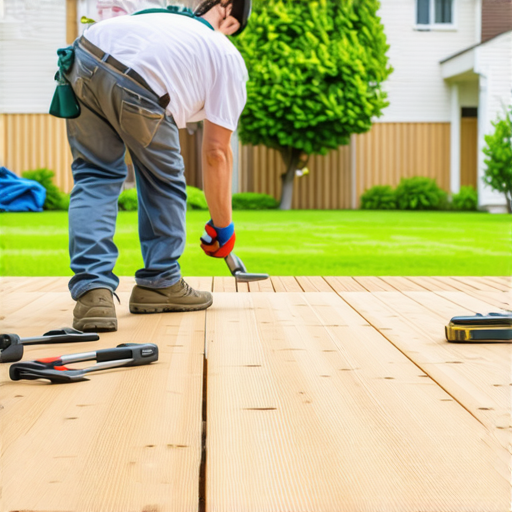
![Repairing Surface Scratches on Composite Decks [2026]](https://deckbuildersneedham.com/wp-content/uploads/2026/04/Repairing-Surface-Scratches-on-Composite-Decks-2026.jpeg)
I remember the moment clearly — I was eager to host my first summer barbecue on my newly installed composite deck, only to notice a deep scratch right in the middle of the surface. That sinking feeling of realizing, “My beautiful deck has already lost some its shine,” hit me hard. It was a lightbulb moment. I had underestimated how easily everyday mishaps could mar the surface, even on durable composites. Since then, I’ve learned that surface scratches are more common than you might think and can significantly impact your deck’s appearance and longevity.
Why Surface Scratches Can Feel Like a Personal Attack on Your Outdoor Space
Composite decks are prized for their low maintenance and robustness, but they’re not invincible. Everyday life—kids playing, outdoor furniture moves, accidental dragged tools—can leave unsightly marks. These scratches aren’t just cosmetic; they can open the door for moisture intrusion, leading to warping or staining if left untreated. Plus, a scratched deck diminishes curb appeal and can even affect your home’s value. That’s why understanding how to prevent and repair these surface imperfections is essential.
Is Repairing Surface Scratches Worth the Effort?
I admit, early on, I thought a quick touch-up wouldn’t make much difference. I made the mistake of ignoring minor scratches, thinking they’d blend in over time. Instead, those tiny marks became more noticeable, especially under sunlight. The truth is, neglecting surface damage can accelerate wear and tear, ultimately costing more down the line. The good news? With the right techniques, you can restore your deck’s beauty—and I’ll show you how in this guide. If you’ve ever faced this problem, keep reading; you’re not alone. For more comprehensive advice, you might check out [general cleaning and sealing tips for 2026](https://deckbuildersneedham.com/cleaning-and-sealing-your-wood-deck-2026-pro-schedule), which can help maintain your deck’s surface in top condition.
Assess the Damage Precisely
Start by examining the scratch depth and length. Light surface marks can often be corrected with simple sanding, while deeper gouges may need filling or decking replacement. I once noticed a faint scratch after a party; I used a flashlight angled just right, revealing that the damage was superficial, which saved me time and effort.
Identify the Scratch Depth
Gently run your fingernail over the scratch. If your nail catches, it’s deeper than a superficial mark and requires more intensive repair. For shallow scratches, proceed with fine-grit sandpaper. For deeper ones, consider epoxy fillers suited for composite surfaces.
Prepare the Surface for Repair
Clear the area of debris, dust, and loose material. Use a leaf blower or a damp cloth to ensure a clean working space. I once accidentally brushed away gravel that was aiding in the cleanup, which delayed my repair. Always double-check the surface is spotless before proceeding.
Sand the Surface Smooth
Use 220-grit or finer sandpaper—think of it as fine polishing. Gently sand along the grain of the composite, avoiding excessive pressure which can create new scratches. I once pressed too hard on a stubborn spot, causing a larger area to become dull; patience is key here.
Apply a Suitable Repair Compound
Choose a repair paste or filler recommended for composite decks. Mix according to manufacturer instructions, then apply with a plastic spreader. For example, I used a epoxy-based filler for a deeper scratch, and it blended seamlessly after curing. Remember to work quickly before the compound sets.
Color Match and Texture
If color mismatch is a concern, select a filler that closely matches your deck’s color or consider staining afterward. I learned this the hard way when my repair was more noticeable because I didn’t consider color matching. Once the filler is cured, lightly sand the area again to blend seamlessly.
Finish and Seal the Repaired Surface
Apply a high-quality sealant or clear coat to protect the repair and match the finish. For composite decks, a UV-resistant sealant enhances longevity. I once neglected sealing, and the repaired spot faded faster under summer sun, reminding me of the importance of proper finishing. Use a brush or roller to evenly coat the area.
Optional: Rejuvenate the Deck’s Appearance
If the repair area looks dull compared to the rest, consider applying a deck refinishing product or stain. This step restores uniformity and may improve the overall look. I experimented with a tinted sealant, which gave my deck a fresh, uniform appearance, making the scratches virtually invisible.
Prevent Future Scratches
Consider placing protective pads under furniture, avoiding dragging heavy objects, and trimming overhanging branches. These simple steps can preserve your deck’s surface. I added felt pads to my furniture legs, and the difference was noticeable—less wear over time.
For ongoing maintenance tips, check out how to clean and seal your deck regularly. Routine upkeep can prevent surface damage and keep your outdoor space looking new longer, saving you time and money in the long run.Many homeowners believe that hiring a decking contractor is as simple as picking the lowest bid or assuming that all providers deliver the same quality. In my experience, these assumptions can lead to costly mistakes, especially if you’re aiming for a durable, safe, and visually appealing deck. One widespread myth is that local builders are always the most reliable; however, some contractors may lack the proper licensing or expertise in specific materials, which can compromise your project’s longevity. For example, opting for an inexperienced team might result in improper railing installation, risking safety and violating local codes—check out [deck railing height and baluster spacing requirements](https://deckbuildersneedham.com/deck-railing-height-and-baluster-spacing-2026-needham-rules) to understand the importance of compliance.
Another misconception is that premium materials automatically guarantee better results; while quality materials are essential, the craftsmanship and installation techniques are equally critical. For instance, improper sealing can lead to wood rot or warping, even if high-end wood is used. To learn the best sealing techniques for your project, explore [wood sealing strategies for Needham in 2026](https://deckbuildersneedham.com/best-wood-sealing-techniques-for-needham-in-2026).
Beware of the trap of underestimating the importance of permits and adhering to local building codes. Some homeowners assume permits are optional or unnecessary, but neglecting permits can delay your project or result in fines or safety issues down the line. Structural integrity, especially in areas with specific climate challenges, requires adherence to regulations, such as proper footing depths or load capacities—you can find detailed guidance on [deck stability and safety standards](https://deckbuildersneedham.com/deck-stability-what-every-needham-owner-needs-to-know-2026).
Finally, the allure of choosing a builder solely based on price might seem economical upfront, but it often leads to subpar work that costs more to fix later. Investing in experienced, reputable local professionals ensures you get quality craftsmanship that will stand the test of time. Always verify credentials, reviews, and previous work—don’t just rely on a short-term quote. Remember, the reality is that rushing the selection process or ignoring these nuances can jeopardize your outdoor investment.
Are you guilty of any of these misconceptions? Have you ever fallen into this trap? Let me know in the comments! For a comprehensive approach tailored to your needs, consider consulting experts who stay updated with standards and regulations, like those experienced in [creating safe and compliant Needham decks](https://deckbuildersneedham.com/creating-an-outdoor-retreat-on-your-needham-deck-2026). Proper planning and choosing the right professionals can make all the difference in transforming your outdoor space into a true sanctuary.
Keep Your Deck in Peak Condition with the Right Tools
Ensuring your deck remains beautiful and safe over the years requires more than just occasional cleaning. It starts with investing in specialized tools that streamline maintenance and extend the lifespan of your outdoor sanctuary. I personally rely on a high-quality electric sander with variable speed control because it gives me precise sandpaper pressure, preventing damage to composite surfaces and ensuring a smooth repair process. For cleaning, a commercial-grade pressure washer with adjustable PSI settings is indispensable; I set mine to around 1500 PSI to remove grime without eroding the wood or composite surface, as recommended by experts in Needham decking standards. Always use a fan tip and keep the nozzle at least 12 inches from the surface to avoid gouges.
Using Software to Track Maintenance Cycles and Repairs
Modern technology can augment manual efforts. I use a dedicated project management app with calendar features to schedule regular inspections and record repairs. This habit helps me catch minor issues—like loose railings or small surface scratches—before they escalate. For more advanced deck management, consider apps like Trello or specialized home maintenance software that allows for reminders based on local climate considerations, ensuring long-term preservation. In the future, I predict AI-integrated monitoring tools will automatically alert homeowners about potential problem zones, based on wear patterns detected through imaging.
Long-Term Strategies to Protect Your Investment
Adopting a proactive approach means not just reacting to damage but preventing it. Routine application of a high-quality sealant, such as those recommended in Needham sealing techniques, shields your deck from moisture and UV damage. I schedule sealing every 2-3 years, depending on exposure, which preserves the surface and maintains color vibrancy. Additionally, installing protective furniture pads and repositioning items regularly can significantly reduce surface scratches and dents. When scaling operations, such as adding new features or expanding your deck, consult building codes like those outlined in Needham standards to ensure safety and compliance.
How Do I Maintain a Deck Over Time Without Overloading My Schedule?
Break down maintenance routines into manageable tasks—cleaning, inspecting, sealing—scheduled seasonally. Using the right tools for each task speeds up the process and ensures high-quality results. For example, I use a lightweight, ergonomic scraper to remove stubborn debris from tight corners, reducing strain and preventing damage. Remember, consistent upkeep minimizes costly repairs and keeps your outdoor space inviting year-round. For more detailed maintenance plans, see the comprehensive schedules outlined in local guidelines and adapt them to your usage patterns. Going forward, integrating IoT devices capable of monitoring moisture and temperature levels could revolutionize maintenance, offering real-time insights and recommendations.
To test your skills, try applying a high-grade sealant using a brush or roller for a uniform finish — it’s a simple step that pays dividends. Regularly updating your toolset and adopting smart maintenance habits truly makes a difference in preserving your deck’s value and safety. Remember, paying attention to detail today ensures your outdoor haven remains stunning and durable for many seasons to come.
How I Learned to Avoid Costly Deck Repairs: Secrets from Real Experience
The biggest lesson I learned about decks in Needham is to prioritize preventative maintenance over reactive fixes. A minor scratch might seem trivial, but overlooking small issues can lead to significant damage, especially with the region’s climate. Investing time in routine sealings, inspections, and using the right tools has saved me money and stress in the long run. This experience underscored that understanding the nuances of composite surfaces and adhering to best practices is essential for lasting beauty and safety.
My Top Tools and Resources for Deck Longevity
I rely heavily on a high-quality electric sander with variable speeds for precise repairs, along with a commercial-grade pressure washer set at 1500 PSI for gentle cleaning. For sealing, I trust the techniques detailed in Needham’s best sealing methods. These resources have consistently helped me maintain my deck without mishaps. Additionally, using home management apps like Trello helps me schedule maintenance, ensuring no step is forgotten and prolonging my deck’s lifespan.
Keep Moving Forward With Confidence
Embarking on your deck maintenance journey may seem daunting at first, but the rewards are tangible—your outdoor space remains inviting, safe, and beautiful year after year. Remember, each small step you take today adds value and durability to your deck tomorrow. Stay committed, stay informed, and don’t hesitate to seek professional advice when needed. You’re capable of creating an outdoor sanctuary that reflects your care and attention. Are you ready to implement these insights and protect your deck?