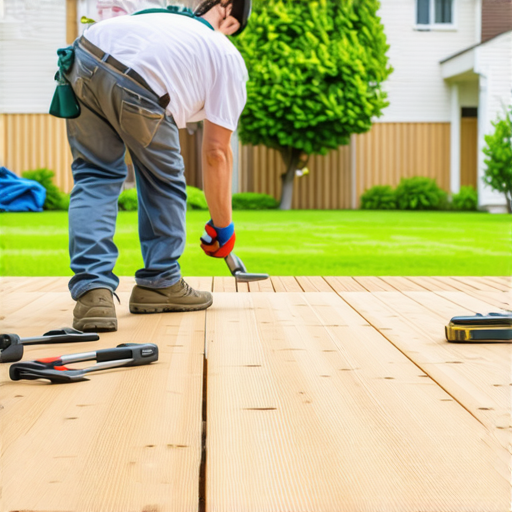
Imagine finally finishing your dream deck, only to see it fade, peel, or suffer damage within a couple of seasons. I remember the first time I painted my Needham Pine deck years ago. I was excited, confident I chose the perfect stain. But by summer’s end, it looked dull and cracked—my mistake was underestimating the importance of selecting the right stain for my climate and wood type.
Why Picking the Right Deck Stain Matters More Than You Think
The reality is, your deck faces a barrage of challenges year-round—UV rays, humidity, temperature swings, and sometimes even ice and snow. Especially in Needham, where we experience all four seasons, the wrong stain can turn into a costly mistake. When I finally realized this, I took a step back and started researching how to pick a stain that not only enhances my deck’s appearance but also extends its life. The right choice can prevent rot, protect against mold, and keep your wood looking fresh for years.
Choosing a stain isn’t just about color or gloss. It’s about understanding your needs, the specifics of your pine wood, and the environmental factors. I promise we’ll walk through the process together, so you avoid the common pitfalls that can make or break your deck’s durability. Trust me, a little research now will save you a lot of headache—and money—in the future.
Concerned About Wasting Money or Time?
I’ve been there—spending on products that promised magic but delivered disappointment. Early on, I made the mistake of opting for overly cheap stains, thinking I was saving money. But I learned that quality matters. As the National Wood Flooring Association points out, investing in premium stains can significantly increase your deck’s lifespan, saving you from frequent reapplications and repairs. So, let’s ensure you make an informed decision that leaves your deck stunning and resilient.
Ready to dive into the specifics? We’ll cover everything from the best types of stains for pine in Needham to how climate influences your choice. Plus, I’ll share tips from my personal experience so you can feel confident your deck will stand up to whatever Mother Nature throws at it.
Now, let’s get started and turn that weather-worn slab into a vibrant backyard centerpiece!
Assess Your Deck’s Needs First
Start by inspecting your deck thoroughly; look for signs of rot, mold, or peeling stain. This initial step helps determine whether your deck requires cleaning, repairs, or a complete restain. For example, I once overlooked a subtle mold patch on my pine deck, which led to a premature stain failure. Addressing issues early prevents costly damage and ensures the stain bonds properly. Use the Needham deck inspection checklist to guide your assessment.
Choose the Right Stain Type
Oil-Based Stains for Deep Penetration
Oil stains seep into the wood, providing excellent protection against moisture and UV rays. I once applied oil-based stain to my deck, and a year later, it retained vibrant color with minimal peeling despite Needham’s humid summers. These stains are ideal if you want rich color and durability. Remember, application requires proper surface preparation to maximize adhesion—never skip cleaning or sanding, especially on weathered wood.
Water-Based Stains for Ease and Eco-Friendliness
Water-based stains dry faster and emit fewer fumes, making them suitable for DIYers who prefer less hassle. They also clean up with soap and water. In my experience, they work well on recent pine decks, providing a natural look that enhances the wood grain. However, they may require more frequent reapplications in harsh climates. When selecting, check for stain compatibility with your wood.
Match the Color and Finish to Your Style
Opt for a color that complements your house and landscape. Lighter shades reflect sunlight, keeping the deck cooler in summer, while darker hues add richness but absorb heat. Glossy finishes offer a sleek appearance but may be slippery when wet, so consider a semi-gloss or matte for safety. My personal favorite is a semi-transparent stain that offers protection along with a natural look, demonstrating how color choice impacts your outdoor aesthetic.
Consider Climate Factors
In Needham, where winters are cold and summers humid, selecting a stain with UV and moisture resistance is critical. High-quality products have added polymer resins or UV blockers, extending the lifespan of your stain. Don’t forget to check winterizing tips to protect the stain during cold months. A mistake I made was applying a standard stain before a harsh winter; because I opted for a high-performance formula, my deck showed less wear after the season.
Prepare the Surface Properly
Cleaning and sanding are essential before staining. Use a deck cleaner specifically designed for pinewood and follow the manufacturer’s instructions. I once hastily washed my deck with a garden hose and skipped sanding, resulting in uneven stain absorption. Afterward, I learned that a thorough cleaning—removing dirt, old stain residues, and roughening the surface—ensures better adhesion. For stubborn spots, consider using a deck grinder or a power sander to achieve a uniform surface, especially on weathered areas. Proper prep work is the foundation of a successful stain job.
Test Before Committing
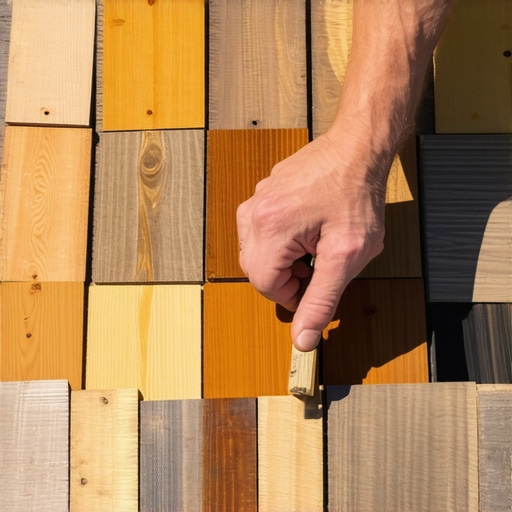
Always trial a small sample on your decking to see how the stain looks once dry. This step prevents surprises in color or finish. I applied a small patch on a hidden corner of my deck, which helped me confirm I liked the hue and sheen—saving me from redoing the entire surface later. Testing is especially important on pine, which can absorb stains differently depending on grain and moisture content. Use a sample board or an inconspicuous section of your deck for accurate results.
Apply the Stain Evenly
Use quality brushes or rollers for smooth application. Work in manageable sections, following the wood grain for a uniform look. My first attempt was a messy, streaky application because I rushed through a large section with a foam brush. Then I switched to a roller with a brush tip, which gave me better control. Apply the stain in thin layers—multiple coats deliver better protection and color depth. Allow sufficient drying time between coats, typically 4-6 hours, depending on weather conditions. Proper technique prevents blotches and uneven wear down the line.
Maintain and Reapply as Needed
Regularly inspect your deck for signs of wear. Clean and reapply stain every 2-3 years or as recommended by the manufacturer. When I neglected periodic maintenance, my pine deck’s color dulled and spots peeled. To keep it looking fresh, I now plan seasonal cleanings and routine touch-ups, which help prolong the life of your stain and, by extension, your deck. For detailed guidance on maintaining your deck, visit drainage and slope considerations to prevent water pooling that can accelerate stain degradation.
Many assume that choosing a deck builder in Needham is just about comparing prices or quick turnaround times, but the real secret lies in understanding the nuanced expertise that separates top-tier professionals from the rest. A common myth is that all deck builders are interchangeable, but in my experience, this couldn’t be further from the truth. Skilled builders possess an in-depth knowledge of local climate challenges, material compatibilities, and advanced construction techniques that safeguard your investment for years to come.
One of the most overlooked pitfalls is the misconception that bigger companies always deliver better results. While they may have more advertising, smaller firms often have more specialized skills and personalized approaches. For example, a tiny oversight like neglecting proper drainage under your deck can lead to costly rot—hidden hazards that many clients stumble upon too late. The key is hiring a builder who understands these subtle factors and has a proven track record of addressing them proactively.
Why do some decks last decades while others fail in just a few years?
This question gets to the heart of expertise versus assumption. Advanced builders don’t just build; they analyze your specific property conditions, like soil stability and wind exposure, tailoring their approach accordingly. A study published by the American Society of Civil Engineers highlights that improper foundation choices are a leading cause of deck failure, underscoring the importance of technical know-how. In Needham, where weather extremes can stress decks unexpectedly, this expertise becomes even more critical. Never settle for a contractor who doesn’t evaluate your property thoroughly; missing this step can lead to premature repairs or rebuilds.
Another nuance is the importance of proper inspection and maintenance planning, often neglected by DIY enthusiasts or inexperienced builders. Regular assessments can spot issues before they escalate—inspection checklists serve as a valuable guide here. An expert builder anticipates these needs during construction by designing decks with long-term health in mind, such as incorporating proper ledger flashing and water barriers, which are crucial in our climate.
Many fall prey to the trap of focusing solely on aesthetics—like color or style—without considering durability. The advanced builder balances beauty with function, ensuring your deck not only looks great but withstands what seasons in Needham throw at it. My advice: prioritize builders who communicate technical details clearly, helping you make informed decisions rather than just selling a style. Remember, a well-built deck is an investment, not just a project.
Have you ever fallen into this trap? Let me know in the comments! The more we understand the real expertise behind deck building, the better prepared we are to choose wisely and enjoy a stunning, long-lasting backyard sanctuary.
Keep Your Deck in Peak Condition with the Right Tools
Maintaining a durable and beautiful deck requires more than just periodic cleaning; it demands the right set of tools designed for precision and efficiency. I personally rely on a high-quality power washer with adjustable pressure settings, such as the Sun Joe SPX3000, which allows me to remove dirt and old stains without damaging the wood. A soft-bristle brush attachment complements the washer, giving me control over stubborn grime while protecting delicate pine surfaces. For applying stain, I prefer a foam paint roller paired with a sturdy brush for corners—this combo ensures even coverage and smooth finish, especially on textured pine wood.
Invest in a Moisture Meter for Long-Term Results
One of the most overlooked maintenance tools is a moisture meter. It helps determine whether your wood has absorbed enough stain or if it’s ready for sealing. I use the Lignomat Moisture Meter, which provides instant readings, ensuring I don’t apply stain on damp wood that could trap moisture and cause issues like peeling or rot. Regular monitoring with a moisture meter can prevent costly repairs and extend your deck’s lifespan, especially in the humid summers of Needham. As experts advise, maintaining optimal moisture levels enhances stain adhesion and durability.
Harness Software for Inspection and Planning
While physical tools are essential, digital solutions can streamline maintenance schedules. I recommend using a project management app like Trello to keep track of inspection dates, maintenance tasks, and product reapplications. A dedicated checklist—such as the Needham deck inspection checklist—can be digitized for easy access and timely reminders. This proactive approach ensures issues like hidden hazards or cracks are caught early, preventing escalation. Leveraging apps and inspection software represents the future of deck maintenance—integrating technology for smarter care.
Future of Deck Maintenance in Needham
Innovations like eco-friendly stains with enhanced UV protection and smart moisture sensors are set to revolutionize how we care for outdoor spaces. As companies develop biodegradable products with longer reapplication cycles and integrated sensor technology, maintaining your deck will become more efficient and sustainable. Inspired by advancements in material science, I predict a trend toward fully automated monitoring systems that notify homeowners when stains need reapplying or repairs are necessary, saving time and resources.
How do I keep my deck working without constant guesswork?
The secret lies in combining reliable physical tools like moisture meters and power washers with digital planning and monitoring software. For instance, scheduling seasonal inspections, tracking product reapplication dates, and using sensors for real-time moisture assessment can drastically reduce guesswork. Implementing these strategies not only prolongs your deck’s appearance and structural integrity but also maximizes your investment. I encourage you to try integrating a moisture meter into your routine—this simple step can dramatically improve your maintenance results and give you peace of mind about your Needham deck’s health.

The Hardest Lesson I Learned About Deck Builders Needham
One surprising insight was realizing that hiring the lowest bid often leads to higher costs later. I once chose a budget contractor, only to face headaches from poor workmanship and repairs. Now I know that investing in experienced, local professionals ensures your deck stands strong through Needham’s weather.
3 Myths About Deck Builders Needham That Held Me Back
Believing that all deck builders are equal cost me time and money. Popular myth: bigger companies always do better. Personal experience taught me that smaller, specialized teams often provide more personalized service and attention to detail — critical for durability in our climate.
What Experts Won’t Tell You About Deck Builders Needham
Often, I overlooked the significance of proper drainage and foundation planning. Your deck’s longevity hinges on these subtle details. Trusted sources highlight that proactive assessment and tailored construction techniques prevent failure, especially in challenging seasons.
My Essential Toolkit for Deck Maintenance
For sustained beauty and strength, I rely on a high-quality power washer, a moisture meter, and a clear inspection checklist available at this resource. These tools empower me to catch issues early and keep my deck in top shape, even after harsh winters.
Books That Changed How I View Outdoor Spaces
The book Building Better Decks by professional builders offered invaluable insights into design and maintenance, emphasizing long-term durability. I recommend it for anyone serious about their backyard upgrade to understand technical nuances beyond aesthetic choices.
Where to Go from Here
If you’re ready to transform your backyard with a resilient, beautiful deck, start by evaluating your space and selecting the right stains and materials suited for Needham’s climate. Remember, investing in knowledge and quality craftsmanship now will reward you with years of outdoor enjoyment.
Your Turn to Try
Have you ever struggled with choosing the right stain or finding a trustworthy deck builder? Share your experience below—I’d love to hear how you’ve navigated these challenges and what you’ve learned along the way.