It was a chilly spring afternoon when I realized my beloved Needham deck was starting to show its age. The wood had faded, tiny cracks appeared, and I caught myself hesitating before stepping onto it. That moment hit me hard — I felt a pang of regret for not taking better care of it sooner. Maybe you’ve experienced something similar? That feeling that your outdoor sanctuary isn’t as vibrant or sturdy as it used to be, especially with the unpredictable weather swings in Needham. But here’s the good news: with a few savvy upgrades and maintenance tricks, you can significantly extend your deck’s lifespan, even into 2026 and beyond.
Why Taking Action Now Matters More Than Ever
Getting your deck ready for the upcoming years isn’t just about keeping it looking good; it’s about safety, value, and making the most of your outdoor space. Think about it — if your deck isn’t resilient enough, it could pose safety hazards or lead to costly repairs down the line. According to the American Society of Home Inspectors, neglecting deck maintenance can reduce a deck’s lifespan by up to 50%. That’s a big number, and frankly, it’s an incentive I keep in mind as I plan my next steps.
Being proactive not only preserves your investment but transforms your deck into a haven suited for every season. Whether it’s adding weather-resistant coatings or upgrading to low-maintenance materials, each step helps you enjoy your backyard more while avoiding the dreaded repair bills. And let’s be honest — I’d rather spend my weekends relaxing than fixing boards or battling mold.
If you’re wondering where to start, I highly recommend learning how to identify and prevent pests that threaten wood longevity. Pests like carpenter ants can silently eat away at your deck’s foundation, causing irreparable damage over time. You can find helpful tips on how to screen your deck for pests at [this resource](https://deckbuildersneedham.com/how-to-screen-your-deck-for-pests-in-needham), which might be one of the easiest preventative measures.
But even better, today I’ll walk you through simple, actionable steps you can take to breathe new life into your Needham deck — ensuring it stays sturdy, beautiful, and inviting well into 2026 and beyond. Ready to turn back the clock on deck deterioration? Let’s dive in.
Inspect and Clean Thoroughly
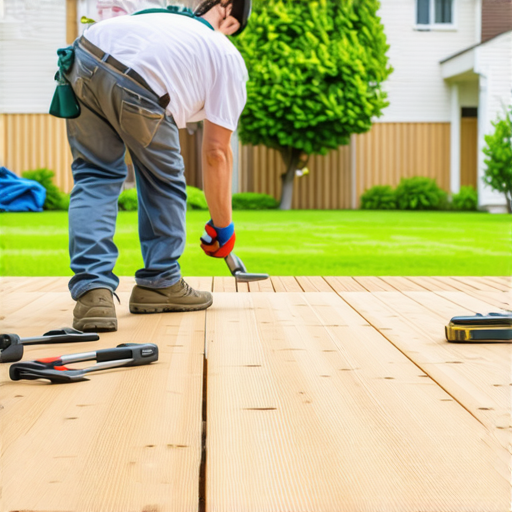
Start by giving your deck a detailed inspection. Use a sturdy flashlight to highlight hidden areas and look for signs of rot, loose boards, or pest activity. Clear away debris and dirt with a stiff-bristle broom, reminiscent of cleaning a stubborn entryway. I once spent a Saturday scrubbing my deck with a power washer, which revealed cracked boards I hadn’t noticed before. The power washer was effective but aggressive, so I learned to hold it at a safe distance to avoid damaging the wood.
Identify and Address Pest Damage
Pests like carpenter ants can silently undermine your deck’s structure. To catch these issues early, examine the wood for small holes, sawdust, or hollow sounds when tapping. For a quick assessment, I used a screwdriver to probe suspect areas—if it was hollow or crumbly, I marked it for repair. Screening your deck for pests is simple yet essential; check out this guide for detailed steps. Applying eco-friendly wood preservatives after inspection can deter future pests and extend the wood’s lifespan, especially considering Needham’s humid climate.
Decide on Repair or Replacement
Once damaged boards are identified, choose whether to repair or replace them. For minor rot, a basic repair with a wood filler and sealant might suffice. However, severely compromised boards require replacement; in such cases, match your new boards to the existing material to ensure consistency. I once replaced a stringer on my deck with a sample from a local supplier, carefully matching the grain and tone. This quick fix revitalized the look and preserved the integrity of the structure.
Apply Protective Coatings
Protect your deck from moisture and UV damage by applying the appropriate stain or sealant. Consider the climate—Needham’s freeze-thaw cycles demand a durable, water-resistant coating. I opted for a solid stain recommended in this resource, which offers UV protection and mold resistance. Apply the product with a brush or roller in the direction of the grain, avoiding puddles and drips. Regular reapplication every couple of years maintains the appearance and longevity of your deck.
Upgrade for Accessibility and Safety
Enhance safety features, such as installing anti-slip coatings or updating railings, which is especially vital if you have children or elderly guests. A practical example: I added slip-resistant tape to the steps after a neighbor’s accident. For aesthetic upgrades, consider adding post caps or decorative lighting; check these tips for inspiration. These improvements not only boost safety but also make your deck more inviting and functional.
Many homeowners assume that hiring a deck builder is a straightforward task focused solely on craftsmanship. However, in my experience as an expert in Needham deck construction, one common myth is that all decks are created equal and that more expensive materials always mean better durability. This oversimplification can lead to costly mistakes, especially when you overlook nuanced factors like climate-specific wood choice or proper pest prevention strategies. For example, some believe that composite decking doesn’t require maintenance, but without proper installation and sealing, it can still suffer from mold and fading, challenging this misconception. An advanced mistake I often see is neglecting the importance of proper footing installation to prevent frost heave during Needham’s freezing winters—a subtle issue that can cause decks to shift or crack over time, leading to structural concerns(see more here). Additionally, many people underestimate the significance of hidden hazards like ledger board leaks or improper flashing, which can result in water damage and rot before visible deterioration appears. These issues are often missed during initial inspections but can be costly if ignored. To avoid such pitfalls, it’s vital to choose a qualified Needham contractor who understands these advanced considerations—checking their licensing, insurance, and experience with local challenges(learn how to hire the right professional). I recommend paying close attention to the subtle cues during consultations and insisting on detailed project plans that address climate-specific solutions like frost-resistant foundations or eco-friendly preservatives(see recommended products). Remember, the difference between an average deck and a long-lasting, safe outdoor space often lies in these nuanced choices. Have you ever fallen into this trap? Let me know in the comments.Maintaining a deck that stands the test of time requires the right tools and a strategic approach. One of my go-to pieces of equipment is a high-quality electric power washer. Unlike traditional garden hoses, a power washer with adjustable pressure settings allows me to deep clean the wood surface effectively without causing damage. I set it to a moderate psi, around 1,500 to 2,000, which is effective for removing dirt and mold without stripping the wood’s protective sealant. For smaller, stubborn areas, I rely on a deck brush and eco-friendly cleaning solutions, such as arborist-approved cleaners that are safe for wood and pest-resistant treatment. Choosing the right cleaning agents is critical; I prefer products backed by research, like those discussed at this resource, which focus on environmental impact and long-term durability. Furthermore, implementing periodic inspections with a digital moisture meter helps me gauge the wood’s condition over time, ensuring issues like rot or pest intrusion are caught early. This proactive monitoring aligns with the recommendations in the study by the Wood Preservation Society, emphasizing regular moisture assessment for extending deck lifespan. As for software, I utilize project management tools like Trello to plan maintenance schedules, track repairs, and schedule annual sealing—this organized approach ensures nothing falls through the cracks. Looking ahead, the trend is leaning toward smart, sensor-integrated decking systems that can alert homeowners to moisture buildup or pest activity before visible signs appear. To get the most out of your tools, I suggest dedicating time each season to comprehensive cleaning and inspection routines. Start by setting up your power washer at the correct psi, choose environmentally safe cleaners, and incorporate regular monitoring to maintain your deck’s integrity. Why not try integrating a moisture meter into your routine and see how it can spotlight hidden issues? Remember, a well-maintained deck not only looks great but remains safe and functional for years to come.
Hidden Lessons That Only Experience Reveals
One of the biggest realizations I had during my deck restoration was that proper inspection is more than surface-deep. Spotting early signs of pest damage or subtle rot requires patience and a keen eye—once, I missed a tiny crack that eventually led to a major repair. That taught me the importance of routine checks, especially in climates like Needham’s, where seasonal changes accelerate wear. Additionally, I learned that materials aren’t one-size-fits-all; choosing the right wood species or composite type significantly impacts long-term durability, contrary to popular belief that cheap options are enough. Finally, I discovered that proactive maintenance—think sealing, pest prevention, and upgrades—pays dividends in peace of mind and backyard enjoyment, rather than waiting for visible failures to act.
Tools and Resources That Elevated My Deck Project
Over the years, I’ve come to trust a few essentials for maintaining and upgrading my deck. First, a moisture meter, which helps detect hidden moisture pockets that could lead to rot—an invaluable tool I now rely on before any sealing. Second, eco-friendly preservatives from this trusted source ensure pest resistance without harming the environment. Third, consulting detailed guides from local experts, like the strategies outlined at this resource, has sharpened my pest prevention routine. Lastly, staying connected with Needham-specific contractor advice, especially when considering structural repairs or upgrades, has been vital—see how this guide simplifies that process.
Seize the Moment and Make Your Deck Last
Your outdoor space is an extension of your home, and safeguarding it is an act of love for your family and sanctuary. If you haven’t already, start with a thorough inspection, then zero in on preventative measures that keep pests and weather at bay. Remember, the effort you put in today ensures countless enjoyable days in the years ahead, especially as we look toward 2026 and beyond. Don’t wait for minor issues to turn into costly repairs—your deck’s best days are still ahead. Take action now, armed with knowledge and the right tools, and watch your outdoor retreat flourish like never before.