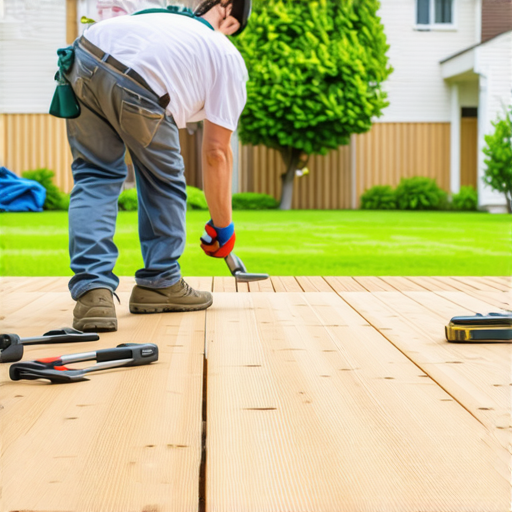
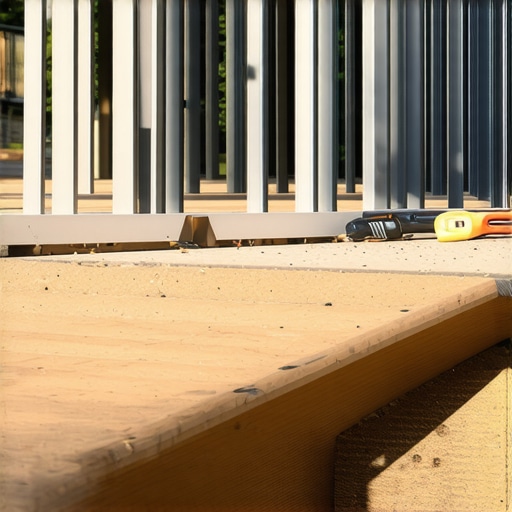
There I was, staring at my old, weathered deck railing, contemplating a costly complete replacement. It was a bright Saturday morning, and I had almost convinced myself that the only way to give my outdoor space a fresh look was to tear everything down and start from scratch. But then, a lightbulb moment hit me—what if I could update only the railing? That simple idea saved me thousands and transformed my deck into a stunning, modern oasis.
Why Replacing Deck Railings Without Dismantling the Deck Is Such a Game Changer
If you’re in the same boat as I was—frustrated with outdated, worn-out railings yet hesitant about the hassle and expense of replacing your entire deck—you’re not alone. Many homeowners face the dilemma of wanting a fresh look without the upheaval of a full rebuild. Opting to update just your railing can be a practical, cost-effective solution, but it requires some know-how and a little creative thinking.
Is Upgrading Rails Worth the Hassle
Honestly, I doubted it at first. Would new railings match my existing deck? Would they stand up to weather? Early on, I made a common mistake—focusing too much on aesthetics and ignoring durability. But I quickly learned that selecting the right materials and installation techniques makes all the difference. For example, exploring options like aluminum or composite railings can dramatically boost your deck’s safety and style. If you’re considering this project, I recommend checking out this guide on aluminum railings – it helped me decide what suited my needs best.
In the sections ahead, I’ll walk you through my journey and share tips to help you confidently upgrade your deck’s look without the full overhaul. Ready to discover how you can breathe new life into your outdoor space?
Measure and Choose the Right Materials
Start by carefully measuring your existing railing to ensure new components will fit perfectly. In my case, I used a tape measure to record the length, height, and spacing between balusters. When selecting materials, consider durability and aesthetic appeal; options like aluminum or composite railings are popular. Check out this guide on aluminum railings for insights that helped me decide.
Remove Old Railing Components Safely
Put on safety gloves and goggles before starting. Use a cordless drill or screwdriver to detach screws or bolts holding the existing railing. Be cautious of hidden fasteners or rusted parts that might resist removal. In my project, the old screws were rusted, so I applied penetrating oil and waited for 15 minutes before proceeding. This prevented stripping the screws and made removal smoother. For stubborn parts, a pry bar can help, but do so gently to avoid damaging the deck structure.
Prepare the Deck Surface for New Installation
Inspect the deck framing for rot or damage—see this repair guide. Sand down any rough edges or splinters to achieve a clean surface. If the deck surface has been painted or stained, consider cleaning thoroughly and removing old coatings to ensure the new railing is securely anchored. This step is crucial for long-term stability and safety.
Install the New Railing Components
Align the new posts with existing deck framing and mark their placement. Use a level to ensure verticality, and temporarily clamp the posts to hold them in position. Drill pilot holes to prevent splitting and then secure the posts with corrosion-resistant screws or bolts. Attach the top and bottom rails, ensuring all parts are level and flush. I found that using a spacer tool during assembly helped maintain consistent spacing between balusters, resulting in a professional finish.
Add Safety Features and Finishing Touches
Double-check that all fasteners are tight and that the railing is sturdy. For added safety, consider installing a continuous handrail or self-closing gates—see this guide. Finish by applying weatherproof sealant or paint compatible with your chosen material, which extends your railing’s lifespan and keeps it looking new. During my update, I opted for a high-quality sealant, and it made a noticeable difference in resisting weathering.
Regular Maintenance to Keep Your Railing Looking Its Best
Periodically inspect your railing for loose fittings or damage. Clean it with mild soap and water, and reapply sealant every few years. This routine prevents deterioration and maintains safety. For related tips on deck maintenance, visit this maintenance guide. Proper upkeep is the key to enjoying your updated deck for years to come.Many homeowners assume that hiring a deck builder in Needham is a straightforward decision, but there are nuanced pitfalls even experienced DIYers often overlook. One prevalent misconception is that selecting the cheapest quote guarantees savings, yet this frequently leads to subpar materials or rushed installations. Investing in quality, like understanding the benefits of aluminum railings explained here, pays off in the long run. Another mistake revolves around neglecting hidden structural issues; for instance, many ignore signs of deck joist rot, which if left unaddressed, can compromise safety. Homeowners often procrastinate on inspecting and repairing these, especially in older properties, increasing the risk of costly repairs later.
What advanced homeowners get right about deck safety in Needham
They focus on proactive maintenance and detailed inspections, as recommended by experts. Research shows that regular checkups can prevent accidents and extend deck lifespan. The misconception that all deck materials are equally durable leads many to choose aesthetic over function, ignoring climate considerations unique to Needham’s weather patterns. For example, composites with mold-resistant properties, highlighted here, can be a game changer for shady yards prone to moss. Remember, every choice from fasteners to finishes impacts long-term durability. During your project, avoid shortcuts; they are often false economies that come back to haunt you. My advice is to prioritize quality and informed decision-making. Have you ever fallen into this trap? Let me know in the comments.
Maintaining a beautiful and durable deck requires more than just initial construction; it demands the right tools, consistent upkeep, and informed choices over time. From inspecting joists for rot to addressing pest damage, having a set of reliable equipment and knowledge can save you time and costly repairs in the long run.
Equip Yourself with Precision and Reliability
One of my go-to tools is a high-quality digital moisture meter. It allows me to assess the moisture content in wood, which is crucial for detecting hidden rot or impending decay before it becomes a serious problem. In Needham’s humidity conditions, moisture intrusion often accelerates deterioration, making regular checks indispensable. I personally rely on the
For cleaning and sealing, I find a power washer with adjustable pressure settings to be invaluable. It helps remove stubborn dirt, moss, and mildew, ensuring that protective sealants adhere properly. I prefer models that come with variable nozzles, like the
Stay Ahead with Regular Inspections
Scheduled inspections are key to keeping your deck in prime shape. Using a sturdy flashlight and a mirror, I check for signs of pest damage or pest-related issues, such as holes or sawdust accumulation, which can indicate active infestations. Addressing pest damage promptly prevents further structural harm. Additionally, inspecting fasteners for rust and tightness helps prevent loose or falling components, especially considering Needham’s weather fluctuations.
For example, loose or corroded fasteners increase the risk of safety hazards. I recommend using a cordless impact driver, like the
Plan for Seasonal Challenges
In Needham, winter snow and ice can wreak havoc if your deck isn’t prepared. Investing in a durable, non-slip ice melter and snow removal tools like a plastic shovel ensures safety without damaging the surface. I also consider installing weather-resistant covers during off-seasons to shield vulnerable components. These proactive measures preserve your investment and reduce emergency repairs.
How do I maintain deck components over time?
Adopting a routine maintenance schedule that includes cleaning, sealing, and inspecting will prolong your deck’s life. Regularly applying products like chosen stains and sealants can prevent early deterioration. Moreover, staying informed about products and techniques—such as the latest in composite decking technology detailed here—helps you make better maintenance decisions.
To see tangible results in your deck’s lifespan, I strongly encourage trying advanced maintenance techniques like using a moisture meter periodically or upgrading to innovative hardware that resists corrosion, such as hidden fasteners explained here. Start implementing one of these tips today, and you’ll notice your deck staying beautiful and safe for years to come.
What I Wish I Knew Before Starting My Deck Update
- Choosing durable materials like aluminum or composite not only saved me money in repairs but also kept my deck looking new longer. The biggest lightbulb moment was realizing that investing in quality pays off over time.
- I underestimated the importance of precise measurements. Double-checking dimensions prevented costly mistakes and made installation smoother. It’s a small step that can save hours of frustration.
- Safe removal of old railing components involves patience and the right tools. Applying penetrating oil to rusted bolts and using gentle pry bars avoided damaging my deck structure.
- Regular inspections and maintenance routines, like checking fasteners and applying weatherproof sealant, are essential to extend the lifespan of your deck. Staying proactive prevents surprises down the line.
- Not every project needs full replacement; sometimes, upgrading key features like railings transforms your space without the hassle of total reconstruction. Think creatively about what can be enhanced.
My Go-To Resources for Deck Perfection
- This guide on aluminum railings gave me clarity on durability and cost, helping me choose the right material for Needham’s weather.
- Repair techniques for joist rot kept my structure safe and sound, emphasizing the importance of early detection and fixing.
- This resource on sealants showed me how proper sealing shields my deck from the elements and prolongs its beauty.
- Information about concealed fasteners helped me achieve a sleek, professional look, avoiding visible screws and enhancing safety.
Your Next Step: Embrace the Deck Building Journey
Revamping your deck doesn’t have to be daunting—careful planning, quality materials, and regular upkeep make all the difference. Remember, each upgrade is an investment in your home’s comfort and beauty. Whether you’re tackling a railing update or a more extensive renovation, trust in your ability to create a space that inspires relaxation and enjoyment.
What part of your deck do you find most exciting to upgrade or maintain? Let me know below and share your insights or questions on transforming outdoor spaces in Needham!
.
Reading about your experience with updating deck railings without the need for full replacement really resonated with me. I’ve often hesitated to undertake such projects, especially when considering the cost and effort involved. It’s inspiring how you managed to save so much by focusing solely on the railings, and I agree that choosing the right materials—like aluminum or composite—is crucial for longevity and weather resistance.
One thing I’ve found helpful is carefully planning the measuring process and ensuring crystals to align the new components perfectly. Have you ever encountered issues with mismatched measurements or fitting problems? I’d love to hear how you handled any surprises during the installation process. Also, the tip about applying weatherproof sealant really makes a difference for maintaining the appearance and durability over time. How often do you recommend reapplying the sealant to keep everything in top shape?
Thanks for sharing such detailed insights. It’s motivated me to consider a similar upgrade for my deck, especially focusing on safety and aesthetic upgrades with minimal hassle.