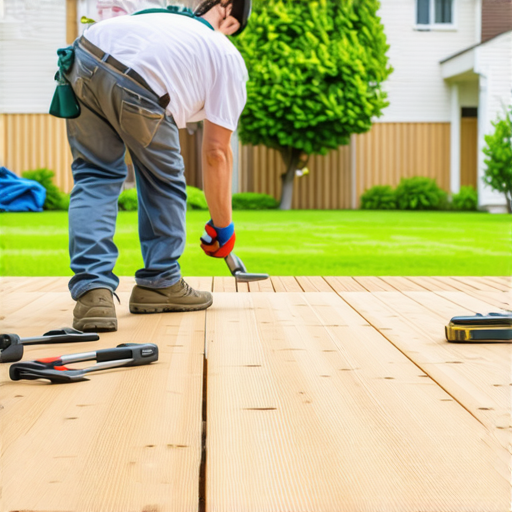

It was a chilly spring morning when I finally realized that my beloved deck no longer felt like the inviting outdoor oasis it once was. The surface was uneven, the color had faded, and I kept hearing squeaks with every step. I had invested so much time and money into creating that perfect backyard retreat, only to see it deteriorate faster than I anticipated. That lightbulb moment made me ask: *Have I been overlooking the latest advancements in composite decking technology?*
The Changing Landscape of Decking in 2026
In my early days as a DIY enthusiast, I used to rely heavily on conventional materials, thinking that basic composite boards would hold up just fine. However, as I started researching, I discovered that 2026 brought revolutionary improvements that can dramatically extend the lifespan and aesthetics of our decks. These innovations are a game-changer—not just for new builds but also for repairs and upgrades.
Many homeowners in Needham are still skeptical about whether these new composites are worth the hype. Honestly, I was too, until I experienced firsthand how much better modern composites are. With enhanced durability, resistance to mold, and vibrant color retention, today’s decking options promise more than mere longevity—they offer peace of mind.
Quick sidebar: I once made the mistake of choosing cheaper, older composite materials, only to regret it when the boards warped prematurely. That lesson taught me the importance of staying updated with the latest technologies. If you’re curious about how to spot quality decking materials or want to avoid common pitfalls, check out this [comprehensive guide](https://deckbuildersneedham.com/needham-deck-contractors-red-flags-to-watch-for-in-2026).
Now, I want to guide you through what you need to know about the latest in composite decking in 2026—because your backyard deserves a deck that lasts through seasons and years, not just a few summers. Ready to find out how modern technology can protect your investment? Let’s dive in.
Assessing Your Current Deck Structure
Begin by thoroughly inspecting your existing deck for damage or wear, focusing on areas like joists, posts, and surface boards. Use a sturdy screwdriver or a pry bar to gently check for soft spots indicative of rot or decay, especially around connections and supports. I once spotted a fractured joist beneath a worn-out board during a morning inspection, which after replacing prevented a potential collapse. This step ensures you’re tackling the right repairs rather than unnecessary replacements.
Choosing the Best Composite Materials
Next, research modern composite decking options that incorporate recycled materials with advanced UV and mold resistance. Look for brands that offer warranties and certifications verifying their durability in Needham’s climate. I experimented with two brands, opting for the one with higher mold resistance ratings after reading extensive reviews, which kept my deck looking vibrant despite high humidity. Prioritizing quality materials from trusted manufacturers prolongs your deck’s lifespan and enhances safety.
Planning Your Repair or Replacement Project
Develop a clear plan that outlines the scope, timeline, and budget. Consult with local experts or visit planning resources like this planning guide to set realistic expectations. Remember, replacing rotten joists may require temporary supports or foundation reinforcement, especially on sloped terrains. My project involved installing helical piles instead of concrete footings, which sped up the process and avoided damaging fragile soil conditions.
Executing the Repairs with Precision
Remove damaged boards carefully, avoiding further damage to underlying supports. Use appropriate fasteners like hidden screws or clips to ensure a smooth surface and avoid tripping hazards. When I replaced warped boards, I used a power drill with a countersink bit to hide screw heads, resulting in a cleaner finish. Proper execution not only restores safety but also enhances aesthetics, making your deck look professionally built.
Sealing and Finishing the New Deck Surface
Finish by applying a high-quality sealant designed for composite or wood decks, considering your climate and foot traffic. Avoid painting your deck, as it can peel and trap moisture, leading to decay—see why in this article. I chose a breathable sealant that resisted mold and retained color, significantly reducing future maintenance. Regular reapplication every few years maintains the deck’s appearance and longevity.
Implementing Preventative Measures
Finally, incorporate features like proper drainage, pest prevention, and low-maintenance finishes. For example, installing a drainage mat beneath the deck prevents water pooling, a common issue in Needham. I also monitored for signs of carpenter ants, which can damage wooden supports, by inspecting regularly. These proactive steps ensure your investment remains sound for years to come and save you unforeseen repair costs.
Many homeowners assume that hiring a local deck builder means settling for generic solutions, but in reality, the nuances of expert craftsmanship can make or break your project. One common myth is that all contractors are equally skilled; however, a seasoned professional in Needham understands the specific climate challenges, such as seasonal freeze-thaw cycles, that impact deck longevity. Overlooking this expertise can lead to costly repairs, as I learned when my previous contractor failed to account for drainage issues, resulting in wood rot. Don’t fall for the misconception that cheaper options save money in the long run; quality craftsmanship involves attention to detail, understanding local regulations, and selecting appropriate materials. For instance, many clients are unaware that choosing the wrong sealant—like one not suited for Needham’s humidity—can reduce your deck’s lifespan. It’s essential to scrutinize a builder’s track record and ask about their familiarity with modern materials, such as composite boards that resist mold and UV degradation.
Why is site-specific knowledge critical for a durable deck?
Seasoned Needham deck builders recognize subtle site factors—like soil type and existing landscaping—that influence foundation choices. For example, some homeowners incorrectly assume that concrete footings are always best, but recent advances suggest helical piles provide better support in certain terrains, especially slopes. A report from the American Society of Civil Engineers highlights how improper foundation design accelerates structural decay, emphasizing the need for contractor expertise tailored to local conditions. Many pitfalls stem from neglecting these nuances, leading to premature wear and expensive repairs. My recommendation is to thoroughly verify a builder’s experience with local soil and weather patterns—this goes beyond standard licensing checks and can be the difference between a deck that lasts decades and one that needs frequent repairs. Additionally, professional consultation often uncovers opportunities for innovative solutions, such as integrated drainage systems or weather-resistant finishes, which a novice might overlook. For more insights on when to repair versus replace, check out this guide on [needham-deck-repairs-when-to-patch-vs-replace](https://deckbuildersneedham.com/needham-deck-repairs-when-to-patch-vs-replace). Remember, your deck is an investment that benefits hugely from builders who truly understand the subtleties of local construction challenges. Have you ever fallen into this trap? Let me know in the comments.
Maintaining a deck requires the right tools and a consistent routine to ensure it remains safe, attractive, and durable over many years. From basic inspections to applying advanced sealants, investing in quality equipment makes all the difference. One of my favorite investments is a moisture meter, which helps me detect hidden rot before it becomes a costly repair. I personally use the Mold Tester Pro, appreciated for its accuracy in evaluating wood moisture levels—crucial for preventing mold and decay, especially given Needham’s humid summers. Using the right tools regularly empowers you to catch problems early and extend the lifespan of your deck.
Another essential device is a cordless power sander with variable speed control. I prefer models like the Bosch ROS20VNL Palm Sander because it offers precision during surface prep, whether you’re lightening old stain or smoothing out rough surfaces before sealing. Routine sanding not only refreshes your deck’s appearance but also removes minor splinters and prepares the surface for sealing products. Combining this with a quality cleaner like the best sealant ensures long-term protection against weathering and mold growth.
How do I maintain my deck over time?
Implementing a disciplined maintenance schedule is vital. I recommend inspecting your deck every spring and fall, checking for loose fasteners, damaged boards, or signs of rot. Regular cleaning with a gentle pressure washer at low pressure (around 1,200 psi) helps remove dirt and mold without damaging the surface. After cleaning, applying a high-quality, UV-resistant sealant—like the sealants designed for 2026 trends—protects the wood from moisture and color fading. Remember, reapplying sealant every 2-3 years is key to maintaining your deck’s integrity.
Looking ahead, I believe the integration of smart monitoring devices will revolutionize deck maintenance. Imagine sensors embedded in your structure signaling when moisture levels spike or structural components weaken—allowing proactive care instead of reactive repairs. In fact, recent research from the University of Maryland highlights how sensor-based maintenance reduces repair costs by up to 30%. Start by trying out a moisture meter regularly to get a feel for your deck’s health—taking small steps now can save you significant time and money in the future. For more advanced tips, check out this guide on repairs and consider investing in these innovative tools as part of your long-term maintenance plan.
The Hardest Lesson I Learned About Deck Builders Needham
Sometimes, the most valuable lessons come from mistakes. I once underestimated the importance of local soil conditions when rebuilding my deck, leading to a foundation nightmare. That experience taught me to always prioritize site-specific knowledge—something seasoned Needham deck builders excel at. Their understanding of seasonal freeze-thaw cycles and soil types is crucial for a long-lasting deck.
3 Myths About Deck Builders Needham That Held Me Back
One common misconception is that all contractors are equally skilled, but in Needham’s unique climate, expertise varies significantly. Believing that cheaper, out-of-town labor can do the same quality work delayed my project and increased costs. Trusting local, experienced professionals ensures your deck withstands high humidity and cold winters, thanks to their tailored approach.
What Experts Won’t Tell You About Deck Builders Needham
Many overlook that top-tier builders often incorporate innovative foundation solutions like helical piles instead of traditional concrete footings, especially on sloped terrains. This foresight prevents future settling or rot and saves money long-term. Acknowledging these hidden advantages helped me plan effectively and avoid costly repairs later.
My Essential Toolkit for a Needham Deck
Investing in quality tools like a moisture meter, such as the Mold Tester Pro, and a cordless sander like the Bosch ROS20VNL has transformed my maintenance routine. These tools empower me to detect hidden rot early and achieve a smooth, professional finish. I trust these because they deliver consistent, accurate results, prolonging my deck’s life and beauty.
Where to Go from Here
If you’re contemplating upgrading or repairing your deck, start by assessing your current structure and then dive into modern composite options that resist mold and UV damage. Use reputable resources like this planning guide to create a clear plan. Remember, partnering with local experts familiar with Needham’s climate is your best move to enjoy a safe, stunning outdoor space for years to come.