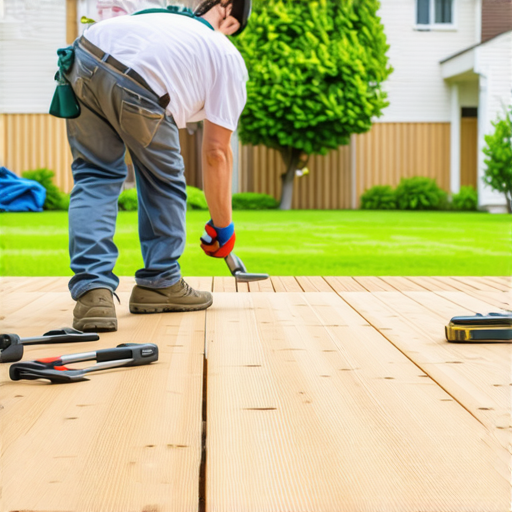
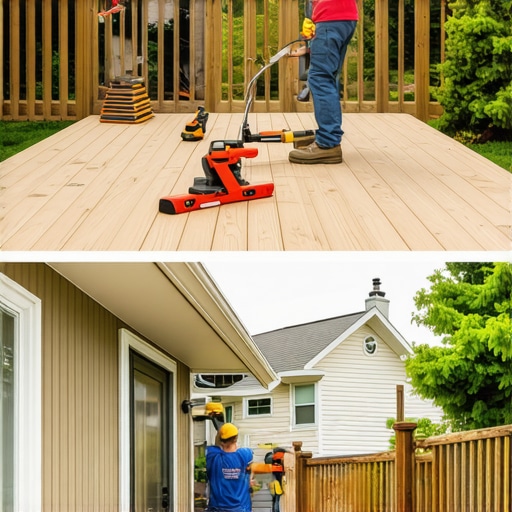
I remember the moment I realized I was in way over my head with my first deck project. It was a bright Saturday, and I had just finished laying the screws, only to find a wobbly railing and uneven planks. My heart sank. That lightbulb moment made me question whether tackling deck building myself was worth it or if I should call in the pros. If you’ve ever stood in your backyard, arms crossed, staring at an incomplete or crooked deck, you know exactly how that feels.
Are you ready to decide between DIY and professional deck building?
In this post, I’ll walk you through what I’ve learned from personal experience and deep dives into the latest trends for 2026. Whether you’re eager to save money, or just want the satisfaction of doing it yourself, understanding the real differences is crucial. I’ll help you weigh the risks and rewards, so your new deck isn’t a source of regret but a beautiful, durable outdoor space you can enjoy years to come.
Is the DIY hype actually worth the effort?
I jumped into my first project thinking I’d save thousands. Turns out, my early mistake was underestimating the importance of proper permits and knowledge about local building codes—something I wish I had known before trying to cut corners. According to a recent study, approximately 30% of DIY projects end up costing more in repairs and corrections. No one wants to start with good intentions, only to go back and fix the mistakes later. If you’d like to avoid that, I recommend checking out some essential safety and quality tips, like how to properly prevent mold growth on composite decks, which can be a game-changer for longevity.
If you’re feeling overwhelmed or unsure whether to embrace the DIY route, stay with me. We’ll explore the key considerations and practical steps that will help you make an informed decision for your Needham deck project. Ready to get started? Let’s dive into the core differences and see which approach suits your goals and skills best.
,
Plan with Precision and Clear Steps
Start by sketching your desired deck layout on paper, clearly marking dimensions, entry points, and any built-in features. Think of it as drawing a blueprint for a house—details matter. Once your layout is set, measure your yard meticulously, using a tape measure and marking stakes to visualize the space. This early planning ensures accuracy and helps you avoid costly adjustments later.
Gather Quality Materials and Tools
Invest in reputable materials suitable for your climate and aesthetic preferences. For pressure-treated wood, I preferred brands known for durability, which minimized maintenance. Assemble all necessary tools—drills, saws, level, post-hole digger—and double-check they are in good working order. Proper preparation simplifies the building process and prevents delays caused by missing equipment.
Mark Your Foundation Accurately
Use stakes and string lines to outline the deck perimeter. Ensuring the lines are perfectly square is crucial; I once used a carpenter’s square and a chalk line to verify right angles, which saved me from a crooked deck. Accurate marking prevents alignment issues and sets a solid foundation for your framing.
Build a Strong Foundation First
Set Your Posts Correctly
Dig post holes at the marked points, ensuring they are deep enough—usually about one-third the post length—to prevent shifting. I used a depth gauge and poured concrete around the posts for stability. Remember, proper footings are vital, especially if you plan to install heavy features or expect high foot traffic.
Ensure Level and Plumb Frames
Assemble the frame on the ground first, using a level and string line to verify straightness. When I built my first deck, I laid the beams on sawhorses, checked each with a level, and adjusted before raising them into position. A leveled frame is the backbone of a visually appealing deck and prevents uneven surfaces.
Focus on Safe and Precise Decking Installation
Begin attaching the decking boards from one end, spacing them properly using spacers for consistent gaps. Secure each board with corrosion-resistant screws, and periodically check your work with a square and level. For added safety, consider the latest trends like stair and railing codes to ensure your deck meets local standards. I once overlooked proper spacing, which led to water pooling—a costly fix I had to address later.
Final Checks and Protective Finish
Inspect the entire structure thoroughly; look for loose screws, unstable connections, or uneven surfaces. Apply a high-quality deck sealer to protect your wood from weather damage. When I finished sealing my deck, I noticed how it extended the lifespan and maintained the wood’s appearance, saving me maintenance time in the long run.
Stay Adaptive and Observe Best Practices
Throughout your build, pay close attention to detail and don’t rush. Use levels frequently, measure twice, and double-check your measurements. Remember, patience and precision build a sturdy, safe, and beautiful deck that will stand tall for years. If you encounter issues, resources like repairing rusty connectors or checking hidden hazards can guide you in maintaining structural integrity.
Many homeowners assume that hiring a deck builder in Needham is as simple as choosing the lowest bid or relying solely on reviews. However, this oversimplification often leads to overlooked complexities and pitfalls. A common misconception is that all deck builders adhere to the same standards and processes, but in reality, the nuances of experience, craftsmanship, and understanding local regulations can dramatically affect the outcome. For instance, some contractors might cut corners on foundational work, leading to structural issues down the line, which is why understanding the foundation techniques they use is crucial.
Another trap that many fall into involves underestimating the importance of climate considerations specific to Needham, such as frost heave and moisture management. Not all contractors are equally prepared to address these challenges, which can result in premature rot or structural instability. For example, some builders overlook the benefits of applying proper sealants or using appropriate hardware designed for local weather patterns.
Let’s also dispel a prevalent myth: that professional deck installation is always faster or less costly than DIY. In practice, inexperienced builders might take longer due to initial misjudgments or mistakes that need correction. As an expert, I advise verifying a deck builder’s credentials and past projects, and ensuring they follow local building codes—something I learned the hard way with my first project.
What sophisticated signals should you look for before hiring a deck builder in Needham?
Beyond reviews and price, assess their knowledge of advanced topics like load calculations, material selection tailored to Needham’s climate, and familiarity with the latest code updates. An experienced contractor will proactively discuss these details, showing a depth of understanding that protects your investment. Remember, a well-built deck isn’t just about aesthetics; it’s about longevity, safety, and compliance.
Be aware of the trap of choosing a builder based solely on initial impressions or a flashy portfolio. To truly ensure quality, ask for references and follow up with past clients, or even visit an ongoing project if possible. This due diligence can save you from costly mistakes and unnecessary repairs, such as fixing rusted connectors or replacing compromised posts later on.
In summary, understanding these subtle differences and common misconceptions enables you to make an informed decision. Don’t let the hype or superficial features cloud your judgment—delve into the details that differentiate a competent Needham deck builder from the rest. Have you ever fallen into this trap? Let me know in the comments.
Essential Tools for Long-Term Deck Care
Maintaining a beautiful, durable deck requires more than just periodic cleaning. Over the years, I’ve found that investing in a few specialized tools can drastically extend your deck’s lifespan and keep it looking new. For instance, a high-quality orbital sander is invaluable when you need to sand down weathered surfaces before restaining or sealing. I personally prefer models with variable speed settings, like the Makita BO5041, because they give me precise control and prevent damage to the wood during delicate refinishing tasks.
Another must-have is a moisture meter. Regularly checking your deck’s moisture content helps prevent issues like mold and rot, especially in climates with high humidity. I recommend the Delmhorst BD-2100, which offers quick readings and reliable data, guiding you on when to apply sealants or perform repairs. For cleaning, a deck-specific pressure washer with adjustable PSI settings ensures you’re not stripping away necessary surface layers or damaging the wood.
Software and Methods That Make Maintenance Smarter
Embracing technology can make deck maintenance more efficient. I utilize design software like SketchUp to plan repairs or renovations, visualizing different options before committing physically. For scheduling regular inspections and upkeep tasks, tools like Trello help me set reminders—for example, checking for hidden hazards under your deck or replacing rusted connectors, which are common issues in Needham homes.
Additionally, tracking your deck’s performance with weather apps that provide local frost and rain forecasts can inform optimal times for sealing and cleaning. Staying proactive—such as applying high-quality sealants—can drastically reduce long-term damage and maintenance costs. In the future, I predict that integrating IoT sensors into decks to monitor moisture and structural integrity will become mainstream, automating maintenance alerts and preventing costly repairs.
How do I maintain my deck over time?
Consistent inspections are key. I recommend inspecting your deck every spring and fall, focusing on areas prone to moisture accumulation like around the posts and beneath the joists. Use a moisture meter to assess whether the wood is drying properly, helping you decide when to reapply sealants or perform repairs. Regular cleaning with a deck-safe pressure washer, combined with annual sealing, forms a robust maintenance routine. Also, stay vigilant for signs of rusted connectors or hidden hazards under your deck—quick repairs prevent larger issues down the line, and resources like this guide on rust repairs can be invaluable for DIY fixes.
Developing a systematic approach, using the right tools, and staying educated about new techniques ensures your deck remains safe, functional, and attractive for years to come. Trying out a moisture meter or scheduling seasonal inspections could be your next step toward mastering deck maintenance. Remember, a well-maintained deck isn’t just about beauty—it’s about safety and longevity. For comprehensive planning, consider consulting with local experts or exploring advanced tools tailored to Needham’s climate.
The Hardest Lesson I Learned About Deck Builders Needham
The biggest mistake I made was assuming that all deck builders in Needham follow the same standards. I learned early on that experience, transparency, and familiarity with local codes are crucial. Overlooking this risked costly fixes, such as rusted connectors or structural weaknesses. Now I know that asking for detailed references and verifying their adherence to briefed updates, like the 2026 deck stair code, can save you from surprises.
3 Myths About Deck Builders Needham That Held Me Back
One false belief was that cheaper offers meant better deals. In reality, cutting corners often leads to future repairs, such as mold issues or deck sinking. Another myth was that hiring a builder in Needham is straightforward—without checking their certification like compliance with the latest foundation practices, you risk subpar results. The third was underestimating local climate factors, like frost heave, which demand customized hardware and foundation techniques—something many overlook but is vital for longevity.
What Experts Won’t Tell You About Deck Builders Needham
Many experienced deck builders emphasize the importance of proper framing and foundation, but often don’t talk about how integrating new materials or code updates can improve your deck’s lifespan—and how this can be a cost-effective upgrade. I realized that understanding how to distinguish skillful craftsmanship from superficial work is essential. For example, seeking contractors who proactively discuss foundation tech like helical piles or latest stair safety codes empowers you to make smarter choices.
Your post really hits home about the pitfalls of trying to DIY a deck without thorough planning and knowledge. I remember my first project; I went in thinking I could handle it myself and saved money at first, but small mistakes like improper leveling and not considering local climate factors led to issues down the line. Since learning from that, I’ve realized how crucial it is to fully understand local building codes and use quality materials suited for the environment, especially in areas prone to frost heave like here in Needham. It’s interesting how you mentioned the importance of foundation techniques—I’ve personally found that using adjustable helical piles can really improve stability in challenging soils. Have others here tried innovative foundation solutions or specific materials that weather cowboy shortcuts? It seems like investing in proper planning and expert advice upfront can save a lot of headache later on.