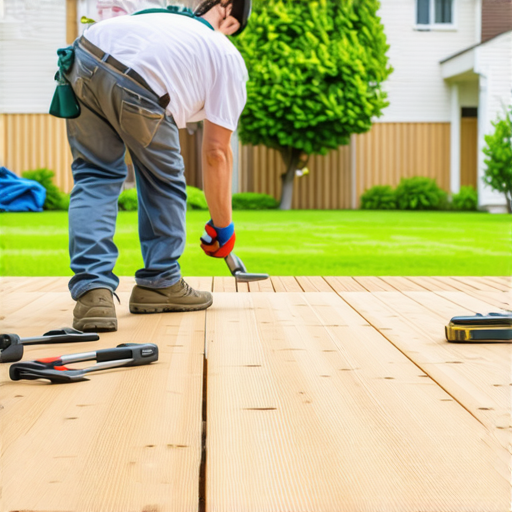
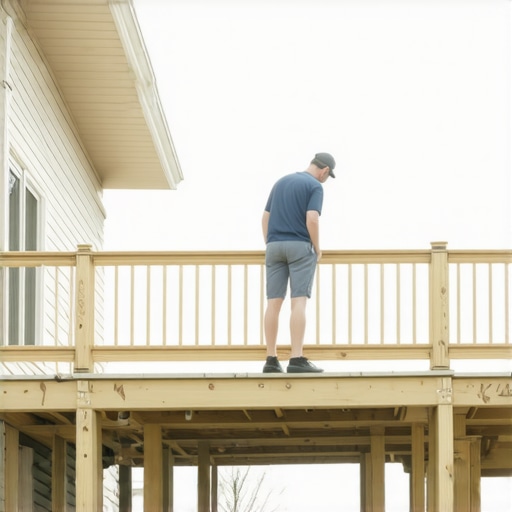
I remember the first time I stepped onto my deck and felt that unsettling wobble under my feet. It was a warm weekend afternoon, and I was eager to enjoy a barbecue with friends. But as I shifted my weight, I noticed a slight sag in one corner. That tiny dip was more than just an annoyance—it was a warning sign. From then on, I realized how crucial it is to regularly check your deck’s connection points for signs of sagging before the issue spirals into costly repairs or safety hazards.
Why Spotting Deck Sag Early Can Save You Big Bucks
Understanding the importance of monitoring your deck’s stability isn’t just about maintaining beauty; it’s about safety. A sagging deck isn’t always immediately visible, but if left unchecked, it can lead to structural failure. Homeowners often underestimate how quickly deck issues can escalate. Early detection allows for simple fixes, like tightening connections or replacing worn-out joists, which are far less expensive than major rebuilds. Recognizing symptoms of sagging early can also preserve your investment—nothing beats the feeling of confident relaxation on a sturdy, secure deck.
Is Checking Your Deck Connection Really Worth the Effort?
Sure, it might seem tedious to inspect every connection point, but let me be honest—I made a common mistake early on. I thought a quick visual check was enough, only to find out a few months later that underlying issues had worsened. Falling into that trap of neglecting small signs can turn a minor fix into a major headache, especially in Needham, where weather conditions can accelerate wear and tear. Regular inspection, including looking for loose bolts or cracked wood, is an investment in safety and longevity.
If you’re still skeptical about whether routine checks are necessary, consider how often you use your deck and the unpredictable weather patterns that can weaken supports over time. Not to mention, neglecting connection points can compromise the safety of children and pets. So, in the following sections, I’ll walk you through practical steps to inspect your deck connection points effectively—helping you catch potential problems early and keep your outdoor space safe and beautiful. And if you want a comprehensive guide on other safety considerations, don’t miss our article on Needham deck fire safety.
Get Hands-On With Your Deck
Start by gathering essential tools—flashlight, wrench, screwdriver, and a sturdy ladder. Recall a time I checked my own deck after a heavy rain; I found a loose bolt beneath a sagging joist that could have led to future failure if unnoticed.
Identify Critical Connection Areas
Focus on bolts, screws, and joist hangers, especially in corners and areas with visible dips. Think of these as your deck’s joints—like the hinges on a door. If a hinge is loose, the door swings unevenly. Similarly, loose connections compromise stability. I once found a cracked joist hanger hidden behind overgrown foliage, and replacing it restored the deck’s firmness.
Locate Loose or Rusted Fasteners
Inspect all fasteners for rust, corrosion, or movement. Looseness can be subtle—mild rust looks like a surface stain, but weakens the entire connection. Use a wrench to test tightness and tighten any loose bolts. When I tightened a few rusty screws on my deck, I immediately noticed improved stability.
Check for Cracks or Damage
Look for cracked wood, splitting, or warped framing members. These signs indicate compromised support and must be addressed promptly. I discovered hairline cracks in a joist that I reinforced with additional bracing, preventing further sagging.
Assess Deck Levelness
Use a level or a straight 2×4 board to check the surface across various points. Place it on different sections—if gaps are evident beneath the board, you might have uneven supports. Once, I noticed a slight tilt in my deck, which prompted me to inspect and tighten posts and brackets. For complex issues, consider consulting professionals, especially if your joist system is aged or appears undermined—learn more about checking your deck frame safety.
Evaluate the Support Post Connections
Ensure posts are firmly anchored and free of leaning. Use a level to verify vertical alignment. Wear gloves and be cautious—posting supports can be under tension. I once found a post leaning slightly due to soil shifting, which I remedied by adjusting the footing and adding additional support piers. This action prevented further sinking and sagging.
Inspect the Ledger Board Connection
This connection is critical—check for gaps, corrosion, or wood rot where the deck attaches to your house. A loose or compromised ledger can cause significant sag. In my case, a concrete pier was eroding, so I sealed the area and reinforced it with a new flashing system. To avoid future issues, see our guide on preventing ledger failures.
Document Your Findings and Plan Repairs
Keep a detailed record of what you find, noting loose bolts, cracked wood, or leaning supports. Create a repair plan—tighten, replace, or call a professional if the damage is extensive. After my own inspection, I scheduled a professional for replacing a compromised joist, ensuring my deck remained safe for years to come.
While many homeowners believe that selecting the most visible or popular builder guarantees quality, the truth is more nuanced. Among the biggest misconceptions is that all deck builders in Needham follow similar standards—this is far from reality. Skilled professionals like those found at Needham deck contractors emphasize the importance of inspecting a builder’s credentials, experience with local climate conditions, and adherence to safety codes. Overlooking these factors can lead to subpar craftsmanship, which might only surface after years of exposure to{‘ ‘}
Why Do So Many Still Fall for Quality Assumptions?
In my experience, many homeowners assume that all decks are equally durable or that lower prices indicate lower quality, which isn’t always true. As an expert, I advise that you examine the materials used, like weather-resistant composite versus pressure-treated wood, and ask for references or previous projects. Remember, cutting corners during the build process can lead to sagging, warping, or even safety hazards, especially in Needham’s unpredictable weather. I recommend reviewing our guide on preventing ledger failures for detailed insights.
Many believe that deck design is purely aesthetic—nothing could be further from the truth. The intricacies of structural support, post anchoring, and foundation stability often go unnoticed but are crucial for longevity. An advanced mistake homeowners make is not considering future load requirements or local soil conditions, which can cause sinking or uneven surfaces over time. For instance, selecting helical piles in unstable soil can prevent costly repairs down the line.
Now, addressing the common trap that many fall into: trusting off-the-shelf solutions without verifying local expertise. Every Needham backyard presents unique challenges—soil stability, humidity, and frost lines all influence the appropriate construction techniques. A professional with experience recognizes these nuances and tailors their approach accordingly. Skipping this step can lead to premature deterioration or safety issues. If you want to ensure your deck withstands years of use, it’s worth consulting specialists and verifying their familiarity with local building codes and climate considerations.
Have you ever fallen into this trap? Let me know in the comments. Remember, choosing a deck builder isn’t just about getting the job done—it’s about ensuring your outdoor space remains a safe, beautiful retreat for years to come.
Keeping your deck in top shape requires the right tools and a consistent maintenance routine. Over the years, I’ve found that investing in quality equipment not only streamlines the process but also ensures long-term durability. One of my go-to tools is a digital moisture meter, which helps me quickly assess wood condition, especially in areas prone to rot or mold. Regularly checking moisture levels prevents issues before they become visible, aligning with our tips on preventing mold growth.
For manual inspections, a good cordless impact driver makes tightening or replacing fasteners a breeze. I prefer models with adjustable torque settings to avoid over-tightening, which can damage wood or hardware. When working overhead or in tight corners, a lightweight ratchet wrench paired with a mirror helps me access hard-to-reach fasteners without straining. These small choices in tools save time and reduce fatigue during routine checks.
Power washers are often debated among homeowners, but I use mine cautiously. Using a low-pressure setting combined with a wide spray nozzle allows me to clean surface grime without harming sealants or damaging wood fibers. Before washing, applying a biodegradable cleaning solution with a pump sprayer ensures thorough cleaning, especially in textured areas. Regular cleaning is essential, particularly after seasons with heavy rain or snowfall, which can accelerate deterioration if left unchecked.
Monitoring hardware is equally important. I’m a firm believer in applying corrosion-inhibiting spray to fasteners annually. My favorite is a lithium-based spray that adheres well and resists moisture, extending the lifespan of posts and joists. This maintenance prevents rust from compromising structural integrity, a common concern in our climate. For more detailed hardware advice, I recommend reading our guide on repairing rusted connectors.
Looking ahead, I predict that sensor technology will become more integrated into deck maintenance routines. Wireless moisture sensors or strain gauges could alert homeowners via smartphone about potential issues in real time, much like the advancements seen in smart home systems. Investing in early detection tools today can save big on repairs tomorrow.
How do I keep my deck working over time?
Consistency is key. Schedule seasonal inspections using your best tools—like the moisture meter and impact driver—to catch problems early. Always clean your deck thoroughly after harsh weather, and treat or seal it periodically based on the material. Remember, small, routine tasks surpass major repairs down the line. For complex situations or significant damage, consulting professional contractors, such as those at Needham deck contractors, ensures your deck remains a safe, beautiful focal point of your backyard. Try integrating a smart sensor system into your maintenance routine to stay ahead of issues—it’s an advanced tip worth exploring for decades of enjoyment.
What I Wish I Knew Before My First Deck Inspection
One of the most valuable lessons I learned is that even tiny signs of wear—like a loose bolt or a small crack—can be indicators of much bigger problems down the line. Ignoring these early warnings can lead to costly repairs or, worse, safety hazards. Embracing a routine inspection mindset transformed the way I care for my deck, saving me time, money, and peace of mind.
My Toolbox of Love: Tools That Keep My Deck Solid
Over the years, I’ve curated a set of trusted tools— from a good impact driver to moisture meters— that make inspections thorough and efficient. I trust these because they’ve saved me from potential disasters and keep my deck looking pristine. For DIY enthusiasts, investing in QUALITY tools means investing in your home’s safety and longevity.
Falling for the Beauty Trap: Why Material Choice Matters
Initially, I thought any decking material would do as long as it looked good. But learning about materials like weather-resistant composite and how they resist Needham’s challenging climate changed my perspective. Material quality directly influences how well your deck withstands time and elements, making informed choices essential for a lasting outdoor space.
Lessons from Experience: When to Call the Pros
While routine checks can catch many issues, I discovered that some problems— like deep foundation shifts or structural damages— require professional expertise. Knowing when to dive in yourself and when to bring in specialists ensures safety without unnecessary stress. Visiting sites like Needham deck contractors helped me understand the importance of trusting seasoned professionals for complex repairs.
Letting Go of My Assumptions About Quality and Cost
I used to believe that high price meant quality, but my experience taught me that thorough research and proper credentials are key. Choosing the right builder or materials— especially in Needham’s unique climate— can make all the difference for durability and safety. Don’t settle for less; prioritize experience, reputation, and proper certifications.
Why My Deck Deserves More Than Just a Pretty Surface
Building a beautiful deck is great, but ensuring its structural integrity is what truly matters. Failing to consider future load needs or soil conditions can result in sinking or unstable surfaces. Using advanced techniques like helical piles in unstable soil saved me from costly rework and prolonged the life of my outdoor sanctuary.