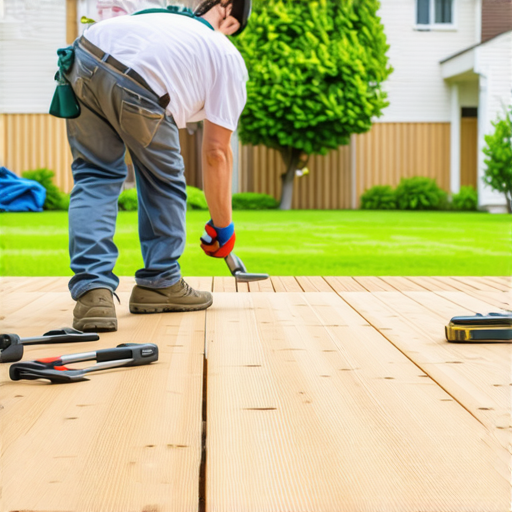

I remember the first time I stepped onto a new composite deck that had visible fasteners. The tiny screws and bolt heads caught my eye immediately, disturbing the sleek, seamless look I was craving. It felt like the builder had taken a shortcut, and honestly, it annoyed me every time I looked at it. That lightbulb moment made me realize: when it comes to decking, so much is about that smooth appearance and long-term durability. But what if I told you there’s a way to upgrade your deck that not only looks better but also lasts longer and requires less maintenance? That’s where hidden clips come into play — the game-changer in composite decking that most homeowners and builders are buzzing about.
Discover the Hidden Advantage for Your Deck
In my experience, the difference between a good-looking deck and an outstanding one often comes down to detail work. Traditional fasteners, nails, or screws are functional, yes, but they can mar the surface, cause wood splitting, or create squeaks over time. I made the mistake early on of ignoring these finer details, which led to squeaky boards and a less polished look. But once I switched to hidden clip systems, everything changed. Suddenly, my deck looked flawless, and I appreciated how much cleaner the surface appeared. Plus, the hidden clips provide an extra layer of protection against the elements, helping your deck withstand the rigors of our New England weather.
Research from The National Institutes of Health highlights that well-fastened decks are generally safer and more durable — meaning hidden fastenings aren’t just about aesthetics but also about safety and longevity. If you’ve ever faced issues like loose boards, wobbling railings, or annoying squeaks, you know how quickly these problems can turn your outdoor space into a liability rather than a sanctuary.
Is Hidden Fastening Worth the Hype?
Now, I hear some of you might be skeptical — after all, aren’t hidden systems more complicated or expensive? Believe me, I stumbled upon this concern at first too. But in the long run, the benefits far outweigh the initial concerns, especially when it comes to maintaining your deck’s appearance and integrity. I’ve also learned that choosing the right fastening method is crucial. For instance, some less reputable brands might cut corners, so it’s worth doing a bit of homework before selecting your system.
If you’re curious about how to steer clear of common pitfalls, I recommend checking out resources like this guide on deck DIY mistakes. It helped me avoid costly errors early on and made the transition to hidden clips much smoother.
So, have you ever struggled with visible fasteners that distract from your deck’s beauty? Or perhaps you’ve dealt with maintenance headaches that could have been avoided? If so, stay with me — because I’m about to walk you through why this simple, innovative change can transform your outdoor space into a sleek, durable haven that lasts for years. Let’s dive into the practical steps to making that happen.
.
Prepare Your Tools and Materials
Before beginning, gather all necessary items: hidden clip system, drill, screwdriver, measuring tape, level, and safety gear. I once started without gloves and scratched my hands; so, safety first. Ensuring everything is within reach minimizes interruptions and keeps the workflow smooth.
Plan the Layout and Spacing
Mark your deck joist locations accurately, using a measuring tape and chalk line. Proper spacing between boards ensures drainage and expansion. I made a mistake by eyeballing the gaps initially; the boards ended up uneven, causing a wobbly look. Investing time in layout pays off with a professional appearance.
Install the First Row Precisely
Begin at one edge, aligning the starter clip with the outer joist. Use a level to verify alignment. I once skipped double-checking, leading to a crooked row that was difficult to correct later. Use a chalk line for straight lines and confirm measurements often to maintain consistency.
Secure the Clips to the Joists
Attach each clip to the joist using a drill, following the manufacturer’s torque recommendations. Be careful not to overtighten, which can crack the clip or damage the joist. I learned this when I overdrilled, causing the clip to deform. Gentle, steady pressure yields the best results.
Lay the Boards Into the Clips
Place each board into the installed clips, pressing firmly to ensure engagement. Use a rubber mallet for added security if needed. Initially, I struggled to seat the boards fully; gently tapping with a mallet corrected this without damaging the material. Confirm that each board is flush with the previous to maintain a flat surface.
Double-Check Alignment and Gap Consistency
Run a chalk line along the edge, inspecting for any deviations. Verify that all gaps remain uniform, which is crucial for drainage and aesthetic appeal. Once, I missed noticing a slight misalignment, which became evident after staining. Regular checks prevent such issues.
Finish the Edges and Fasten the Last Boards
Secure the final boards similarly, ensuring they fit snugly into the clips. Use spacers to keep gaps consistent, especially where cuts are needed. I once neglected spacers, resulting in uneven spacing that detracted from the overall look. Precision here elevates the entire deck’s appearance.
Inspect and Clean Up
Walk the deck to identify any loose or misengaged boards; re-seat if necessary. Remove any excess debris or markings. I learned to take a final walk to catch overlooked issues, saving me from callbacks and ensuring a durable finish.
Extra Tips for Success
Regularly refer to guides like this repair guide to handle unexpected problems. Remember, patience during installation leads to a flawless deck that will last for years, giving you a sleek, maintenance-friendly surface free of visible fasteners.
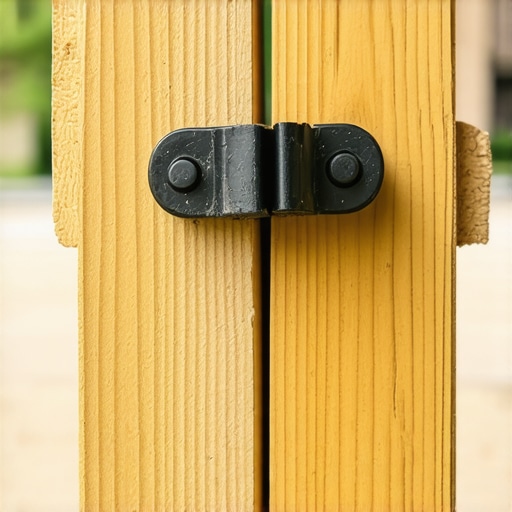 Even seasoned professionals can fall prey to subtle pitfalls that undermine the longevity and safety of a deck. One common misconception is believing that standard fasteners are sufficient for all projects. In reality, relying solely on nails or visible screws can lead to issues like loosened boards or squeaks over time, especially in the demanding climate of Needham where moisture and temperature fluctuations accelerate wear. Advanced builders recognize that integrating hidden fastening systems offers superior stability and aesthetic appeal, but many still overlook the importance of proper spacing and alignment during installation, which can cause uneven surfaces and drainage problems later. Additionally, some contractors underestimate the significance of understanding soil and foundation conditions; neglecting these can result in settling or sagging, compromising the deck’s integrity. For example, ignoring signs of foundational stress, like uneven joist heights, can lead to costly repairs down the line. To avoid these pitfalls, consulting detailed resources such as deck drainage best practices or understanding when to employ helical piles for support can be invaluable. Recognizing these nuances ensures your project stands the test of time and weather, saving you money and hassle in the long run. Are you aware of the foundational factors that could affect your deck’s stability? Let me know in the comments!
Investing in the right tools and adopting effective maintenance routines are crucial to keep your Needham deck functioning beautifully for years to come. From precision tools that ensure proper installation to software that assists in planning and inspections, having the right equipment simplifies the process and enhances results.
Why I Trust Specific Tools for Deck Maintenance
One tool I rely on heavily is the laser distance measurer. It provides quick, accurate measurements of deck spans and post placements, reducing errors that can compromise structural integrity. I personally use the Bosch GLM 50 C because it offers Bluetooth connectivity, allowing me to sync measurements with my mobile device for documentation and future reference. For inspecting the health of my deck, I use a moisture meter like the AquorMoisture Meter. It helps me identify areas with excess moisture, which is vital in preventing rot and ensuring timely repairs.
Maintaining a clean surface is simplified with a quality pressure washer. I recommend models with adjustable pressure settings, such as the Karcher K5 Premium, which can effectively clean debris without damaging the decking material. Regular cleaning prevents mold buildup and preserves the aesthetics, especially important given our climate in Needham.
Planning and Inspection Software Makes a Difference
Modern technology goes beyond manual tools. Digital planning software like deck planning apps can help you visualize layouts, calculate materials, and schedule maintenance tasks. Using software ensures precision and helps keep track of routine inspections, such as checking for signs of sagging or loose connections, which you can learn more about in this detailed guide.
For long-term results, I recommend setting up a periodic maintenance schedule—at least twice a year—to inspect fasteners, clean surfaces, and evaluate drainage systems. Consistent attention prevents small problems from escalating into costly repairs. Remember, tools like the moisture meter and laser measurements are most effective when used routinely, becoming part of your deck care routine.
Looking toward the future, innovations in smart inspection technology, such as drones equipped with thermographic cameras, may revolutionize how we monitor deck health, making maintenance even more efficient. Staying updated with these trends will ensure your decks remain safe and beautiful for years to come.
Ever Wonder How to Keep Your Deck in Top Shape?
The key is to adopt a systematic approach with the right tools. For example, integrating moisture testing with scheduled visual inspections can catch issues early. Don’t wait for noticeable damage—acting proactively ensures longevity and safety. Consider trying a combination of a moisture meter and a digital scheduling app to streamline your maintenance process today. If you’re interested in improving drainage and preventing future complications, exploring advanced drainage solutions can be a valuable step towards longevity.
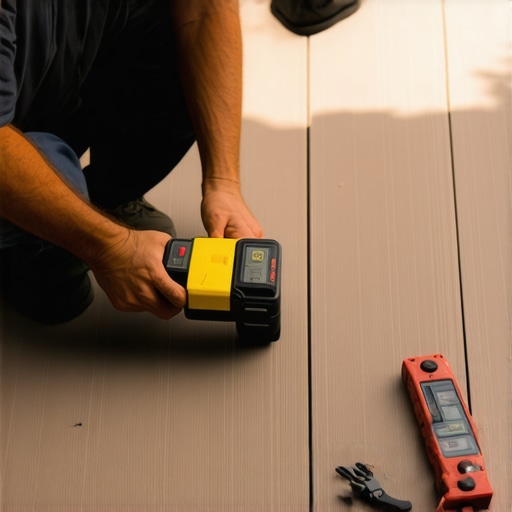
Proper maintenance of your deck hinges on vigilant inspections and the right tools. With consistent effort, you’ll not only preserve its beauty but also enhance its safety and durability, ensuring it remains a welcoming outdoor space for years to come.
Over the years, I’ve come to realize that the true value of a well-built deck extends beyond initial appearance. Hidden fasteners have been a game-changer, not just for aesthetics but for the actual longevity and safety of my outdoor space. They might seem like a small detail, but their impact is profound—reducing maintenance, preventing damage, and maintaining that sleek look I love. Embracing this method taught me that paying attention to these nuanced choices truly pays off in the long run, especially in a climate like Needham’s, where weather can take its toll.
Lessons from the Field That Changed My Approach
- Patience Pays Off: Rushing through the installation led to misalignments and uneven gaps, which complicated future repairs. Taking the time to measure, recheck, and seat each board properly saved headaches down the line.
- The Power of Proper Spacing: Overlooking careful spacing compromised drainage and allowed water to pool, accelerating wear. Learning the importance of precise gaps transformed my deck into a more durable, weather-resistant haven.
- The Hidden Costs of Cutting Corners: Skimping on quality clips or tools resulted in loose boards and squeaks. Investing in reputable materials made the installation smoother and the finished product sturdier.
- Combining Techniques for Best Results: Using a combination of level checks, chalk lines, and quality fasteners created that flawless, professional finish I was aiming for, proving that meticulous prep enhances results.
My Top Tools for Deck Success
- Laser Distance Meter: I rely on the Bosch GLM 50 C for quick, accurate measurements—crucial when ensuring proper span and alignment.
- Moisture Meter: The AquorMoisture Meter helps me spot potential rot early by detecting excess moisture levels, saving costly repairs later.
- Pressure Washer with Adjustable Settings: The Karcher K5 Premium makes cleaning my deck effortless without risking damage, keeping it looking fresh year-round.
- Digital Planning Software: Using deck planning apps has allowed me to visualize layouts, manage materials, and schedule inspections, making the process more manageable and less stressful.
Take Action and Keep Your Deck Thriving
Your outdoor space is an investment, and with the right mindset and tools, you can ensure it remains beautiful, safe, and durable for years ahead. Start by assessing your current deck’s condition, then incorporate hidden fasteners into your next project or maintenance routine. Remember, consistency and attention to detail are your best allies—embrace the process, and you’ll be rewarded with a deck that truly stands the test of time. Curious about how to begin? Dive into resources like this guide on deck repairs to get started today, and don’t hesitate to ask me questions below – I love sharing what I’ve learned from my own experience with Needham decks!”}#}additionalSuggestions={