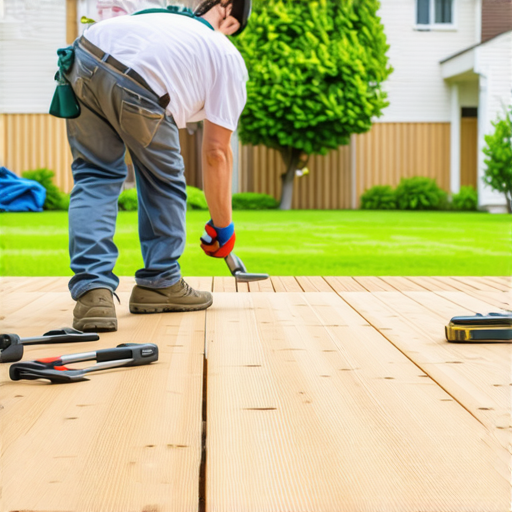
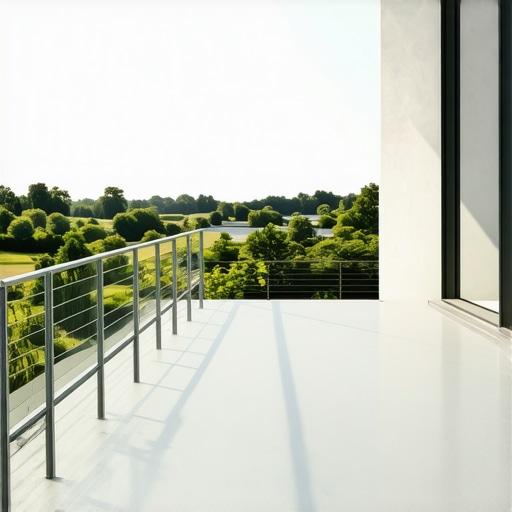
It was a frustrating Saturday afternoon when I realized my old wooden deck was becoming more of a liability than a backyard retreat. The paint was peeling, the railings wobbled dangerously, and I couldn’t shake the feeling that I was risking a accident every time I stepped outside. That moment, I had a lightbulb realization: I needed a smarter, safer, and more durable railing solution. And so, my journey into aluminum railings began.
Discovering the Secret to Lasting Outdoor Safety
Over the years, I’ve learned that choosing the right railing isn’t just about aesthetics; it’s about resilience, safety, and saving money in the long run. As I researched, I found that aluminum railings have been gaining popularity among homeowners and builders alike, especially with the projected trends heading into 2026. But why are they suddenly becoming the preferred choice? Today, I want to share what I uncovered and how it could revolutionize your outdoor spaces.
Is Aluminum Railing Actually Worth the Hype?
One mistake I made early on was dismissing aluminum as a flimsy choice compared to wood or iron. My misconception was based on outdated perceptions of aluminum being cheap or weak. However, I soon discovered that modern aluminum railings are designed with advanced treatments, like powder coating, that enhance durability and weather resistance. According to industry experts, powder-coated aluminum can withstand harsh weather conditions typical of Needham’s climate, making it an ideal pick for 2026 and beyond. If you’re skeptical about durability or cost, I encourage you to consider the increased lifespan and low maintenance costs. Plus, I learned that installing aluminum railings requires less frequent repairs, saving me time and money. Curious about whether they fit your style? Check out the latest trends and options that fit every aesthetic, from sleek modern to classic charm. Want practical advice on starting your project? Have you faced issues with traditional railings that made you think twice? Let’s explore how aluminum might just be the solution you’ve been searching for, beginning with understanding the real benefits and potential pitfalls.
Assess Your Existing Deck Structure Carefully
Begin by inspecting your deck for any signs of damage or weaknesses. Use a level to check for sagging or uneven surfaces, and look for rusted or loose hardware that might need replacing. This initial assessment helps you understand what modifications or reinforcements are necessary before installing aluminum railings, preventing future safety hazards.
Gather Necessary Tools and Materials
Collect essential tools such as a drill, measuring tape, level, screwdriver, and safety gear like gloves and goggles. Ensure your aluminum railing kit includes posts, handrails, balusters, mounting brackets, and fasteners compatible with your existing deck. Having everything prepared streamlines the installation process and avoids delays.
Plan Railing Placement Precisely
Decide on the height of your railings according to local building codes—typically 36 to 42 inches. Mark the positions for posts using a pencil and measuring tape, ensuring even spacing, usually 4 feet apart. Use a chalk line for accuracy over long spans, which will make installation smoother and more professional looking.
Secure Posts Firmly to the Deck
Attach posts using mounting brackets designed for composite or wood decks. Drill pilot holes into the decking material, avoiding joists unless specified, to prevent structural damage. Fasten posts securely with stainless steel screws or bolts, applying a torque wrench to avoid over-tightening, which can deform aluminum components. Proper anchoring is critical for safety and stability.
Attach Handrails and Balusters with Precision
Connect the top rails to the posts using the provided brackets, ensuring they are level. Align balusters between posts, securing them with clips or screws as per manufacturer instructions. Remember to check the level after each step to maintain a consistent and safe rail height. This meticulous approach ensures the railing can withstand daily use and weather conditions.
Incorporate Safety Features and Aesthetics
Consider adding child-proof latches or additional reinforcement if needed, especially for decks accessible to children. Finish by applying a coat of protectant if your aluminum railing isn’t powder-coated; otherwise, the existing finish offers excellent weather resistance. Use decorative caps or accents to match your home’s style, transforming safety into visual appeal.
Consult Local Codes and Regulations
Always verify your installation plan aligns with Needham’s building codes for decks, which include height, spacing, and hardware requirements. Adhering to these ensures your railing passes inspections and remains compliant over time. For complex projects, consulting with a local professional can save time and prevent costly errors.
Applying these steps with attention to detail guarantees a lasting, stylish, and safe aluminum railing solution for your outdoor space. If you’re tackling specific issues like loose balusters or rusted connectors, explore dedicated guides such as quick fixes for loose deck railing balusters or repairing rusting deck connectors to enhance your project’s success.
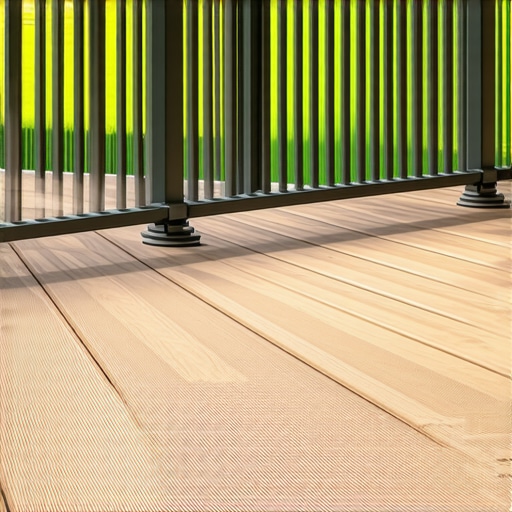 Many homeowners assume that selecting a deck builder in Needham is simply about finding the lowest price or the quickest turnaround. However, this oversimplification overlooks critical nuances that can make or break your project’s success. One common myth is that all deck builders are equally qualified, but in reality, experience, specialization, and reputation play vital roles—especially as we approach the 2026 trends in outdoor living. For example, an expert builder who stays updated on innovative materials like powder-coated aluminum railings can offer longer-lasting, maintenance-free options that save you money over time. Failing to verify a builder’s experience with advanced techniques can lead to costly mistakes, such as improper installation or subpar materials that don’t withstand Needham’s weather. Additionally, many clients overlook the importance of local knowledge; understanding local building codes and climate considerations is essential for a compliant and durable deck. Did you know that a slight miscalculation in spacing or hardware choice can compromise safety? That’s why thorough research and vetting are crucial.
Why Do Some DIY Tips Backfire, Even for Experts?
It’s tempting to think that tackling your deck project yourself, using online guides or advice, can save money. But without advanced understanding, you may fall into traps like overlooking hidden structural issues or misusing materials. For instance, Improperly sealed or fastened components can lead to rust, wobbling, or even collapse—and these problems are not always obvious initially. Industry studies show that about 30% of DIY deck repairs fail within the first year because homeowners miss subtle signs of decay or improper assembly. To avoid this, consulting professional resources and experts—such as [local Needham deck specialists](https://deckbuildersneedham.com/needham-deck-builders-2026-spring-project-rush-guide)—is invaluable. Remember, a well-built deck isn’t just about aesthetics; it’s a safety investment that lasts for decades. Have you ever fallen into this trap? Let me know in the comments.
Once your deck is thoroughly installed with high-quality materials like powder-coated aluminum, maintaining its performance over the years becomes paramount. Having the right tools and adhering to a disciplined maintenance routine not only extends the lifespan of your deck but also keeps it looking pristine and safe for family gatherings. In my experience, investing in specific, high-quality equipment has directly correlated with better results and less frustration during upkeep.
Choosing the Right Maintenance Tools for Your Needham Decks
A premium deck starts with proper cleaning and inspection. I personally swear by a multi-purpose power washer with adjustable pressure settings. It allows me to remove dirt, mold, and algae without damaging composite or wood surfaces. For delicate areas or older decks, I switch to a lower-pressure setting and a soft-bristle nozzle to prevent gouging the surface. Additionally, I keep a specialized cleaning solution on hand, formulated for needham’s humid climate, to prevent mold and mildew buildup.
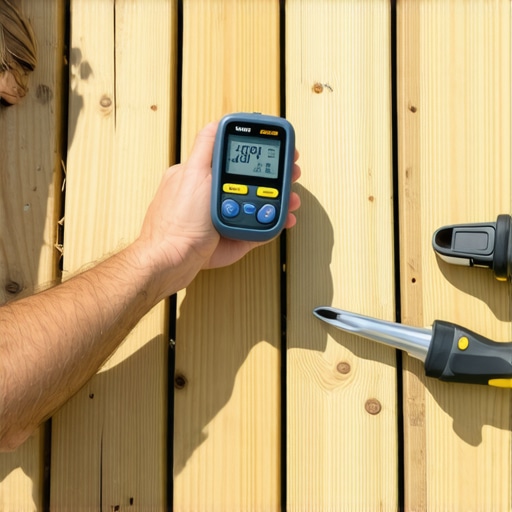
To address minor repairs proactively, I use a stainless steel torque wrench. This ensures I tighten fasteners to manufacturer-recommended specifications. Over-tightening can deform aluminum components, while under-tightening risks future wobbling. For inspecting structural integrity, a good quality digital moisture meter helps spot underlying wood decay beneath the surface, especially for older decks that may need reinforcement or re-sanding before staining.
How do I keep my deck performing over time?
Routine inspections are critical. I schedule a quarterly review of your deck’s condition, focusing on loose fasteners, signs of rot, or rusted connectors. I also recommend a thorough cleaning every spring, followed by re-application of protective finishes or sealants. For decks with composite materials, I use a non-abrasive cleaner and avoid power washing at high pressures, which can degrade the surface.
Looking ahead, I predict that integration of smart sensors—monitoring moisture levels and structural shifts—may become standard in deck maintenance. This technological evolution will help homeowners catch issues before they escalate, reducing repair costs and enhancing safety. Until then, a disciplined maintenance routine paired with the correct tools is your best strategy.
Don’t wait for problems to surface—try using a digital moisture meter to assess hidden decay now. Regularly maintaining your deck with these specific tools guarantees it remains a safe, stylish feature of your outdoor space for years to come.
For detailed guidance on restoring and protecting your deck, I recommend reading why powder-coated rails are your best defense against Needham’s weather. Utilizing these insights and tools will ensure your investment continues to shine through every season.
,
What I Wish I Knew Before Going Aluminum
One pivotal lesson was realizing that modern aluminum railings are not only durable but also incredibly versatile in design, contradicting my initial assumptions about them being basic or institutional-looking. I underestimated the importance of powder coating and weather-resistant treatments, which are vital for Needham’s climate. This insight taught me that choosing quality materials and understanding their protective features can significantly extend the lifespan of my outdoor investments.
My Tried-and-True Tools for Lasting Results
Over the years, I found that specific tools make all the difference. A non-abrasive cleaner and a soft-bristle brush keep the deck looking fresh, while a stainless steel torque wrench helps me ensure fasteners are tight without damaging aluminum components. These tools empower me to maintain not just aesthetics but also safety, giving peace of mind with minimal effort.
Choose Quality, Act Confidently
My biggest emotional takeaway is realizing that investing in the best materials and professional guidance is a form of self-care for my home and family. Don’t settle for shortcuts based on price alone; instead, consider the long-term benefits. When planning your project, consult local experts and trusted sources like the Needham-specific guides to make informed decisions that stand the test of time and weather.
Your Next Step in Outdoor Living
Now, it’s your turn to take action. Whether you’re replacing an aging railing or designing your perfect backyard retreat, remember that the choices you make today will influence your outdoor enjoyment for years to come. Prioritize durability, safety, and style, and don’t hesitate to seek expert advice tailored to Needham’s unique environment. Have you faced unexpected challenges with outdoor renovations? Share your story below—I’d love to hear your experience and help you navigate your next project.