Ever stepped onto your deck, expecting a steady, sturdy surface, only to feel a sudden wobble or hear a unsettling creak? That moment of doubt can strike unexpectedly. I remember the first time I ignored a small loose board and later found a neighbor’s caught foot, nearly causing a fall. That lightbulb moment made me realize: this isn’t just about comfort—it’s about safety. Small issues like loose fasteners tend to creep up over time, especially in our fluctuating Needham weather, and before you know it, what started as a minor annoyance can become a serious hazard. The good news? Regularly checking for loose deck board fasteners can be your first line of defense.
The importance of routine inspections for your deck’s safety
What if I told you that a simple, quick check could prevent a costly and dangerous accident?
Many homeowners underestimate how critical it is to stay vigilant about these tiny fasteners. I used to think—”It’s just a squeaky, loose board; I’ll fix it later.” But that “later” sometimes turned into a full replacement when boards started warping or breaking. Early in my DIY testing, I made the mistake of assuming that all fasteners were secure; I didn’t realize a few missing or rusty screws could compromise the entire deck’s stability. According to the Consumer Product Safety Commission, thousands of injuries each year are caused by deck failures, often due to overlooked fasteners and connections. That’s why establishing a safety routine—checking fasteners before each season—can literally save lives and money.
Thinking about it, the process is straightforward. But many homeowners still question if it’s really necessary or if their deck is still safe, especially if it’s only a few years old. Nope! Even newer decks require regular maintenance and inspections. Neglecting this step can lead to deck boards pulling loose, warping, or, worse, causing someone a serious injury. The best approach is proactive: walk around your deck, give each board a gentle tug, and tighten any loose fasteners. If you notice rust or damage, it’s best to replace those fasteners promptly—don’t wait until you hear a loud crash.
Already faced a loose board or a sliding fastener? Share your experience in the comments below. For those looking to dive deeper into deck safety, check out how to inspect your deck’s framing to ensure overall structural soundness.
Will this routine really make a difference in your deck’s longevity?
Start with the Right Tools
Gather essential equipment
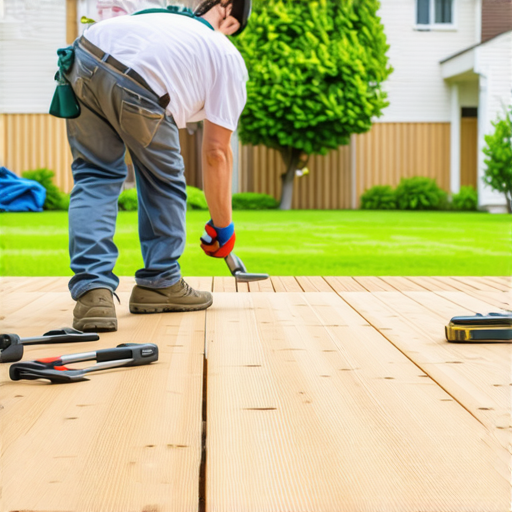
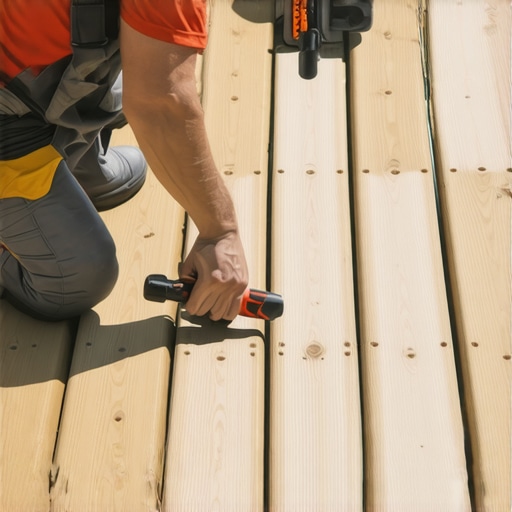
Before inspecting your deck, assemble a cordless drill, screwdriver, pry bar, and safety gear like gloves and goggles. I remember the first time I did this, I set out with just a screwdriver—inefficient and frustrating. Using a powered drill sped up the process and reduced frustration, especially on larger decks. Proper tools make quick work of tightening or replacing fasteners, preventing small issues from escalating.
Visualize the Fastener Checklist
Create a systematic inspection routine
Imagine walking your deck like a detective searching for clues—each fastener is a potential culprit. I marked a diagram of my deck to track inspected boards and fasteners. Starting at one corner, I move methodically across each row. This prevents missing sections, which is common when you work haphazardly, risking overlooked loose screws that could cause hazards later. This systematic check is especially crucial before seasonal changes or after storms when weather stresses fasteners.
Perform Hands-On Fastener Testing
Gently tug and observe
I recall tugging on a loose board in my backyard—initially hesitant, fearing I might damage it. But gently pulling each board helps identify fasteners that are barely holding on. If a screw pivots or pulls out, it’s time for fixing. For rusted or worn fasteners, tightening alone won’t suffice—replace them with corrosion-resistant deck screws, which outperform nails in durability. Think of it as replacing a weak link in a chain; your safety depends on it.
Address Rust and Damage Proactively
Replace or treat compromised fasteners
Upon discovering rusted screws during my inspection, I immediately replaced them with stainless or coated steel fasteners. Rust weakens metal and could infect surrounding wood, risking structural integrity. I also cleaned the surrounding area and applied a protective coating. Regularly replacing rusty fasteners is like giving your deck a health check—preventing potential failures that could lead to costly repairs, similar to [maximizing your deck’s square footage in 2026](https://deckbuildersneedham.com/maximizing-your-needham-decks-square-footage-in-2026).
Reinforce Weak Spots
Add extra supports where needed
If a board has multiple loose fasteners, consider reinforcing with additional blocks or joist hangers. I once added a hidden reinforcement underneath a sagging section, which restored stability instantly. Proper reinforcement is the foundation for a safe, long-lasting deck—think of it as upgrading from temporary fixes to permanent solutions, much like [inspecting your deck’s framing to ensure overall safety](https://deckbuildersneedham.com/is-your-needham-deck-framing-still-safe-how-to-check).
Maintain a Documented Routine
Track inspection dates and repairs
After my initial overhaul, I created a simple spreadsheet recording inspection dates, findings, and actions. This habit ensures I don’t neglect routine checks, especially before winter or spring. Regular maintenance extends the lifespan of your deck and prevents unexpected failures, echoing the benefits of consistent [deck maintenance season-by-season](https://deckbuildersneedham.com/deck-maintenance-a-season-by-season-2026-guide). Staying proactive is your best defense against costly repairs and unsafe conditions.
Why Most People Overlook the Nuances of Expert Deck Building
While many homeowners in Needham believe that choosing a deck builder is just about comparing prices or quick turnaround, there’s a deeper layer of expertise that often goes unnoticed. A common myth is that all contractors are equally qualified, but in reality, the nuances of craftsmanship, local building codes, and material expertise set the truly skilled apart. Rushing the hiring process or trusting generic recommendations can lead to subpar results, costly repairs, and safety hazards. Recognizing the difference between a novice and a seasoned professional involves understanding their experience with specific materials like Ipe vs. Mahogany or their familiarity with local climate challenges in Needham.
Beware of the Quick Fix: The Hidden Trap
A prevalent mistake is assuming inexpensive or quick-to-quote projects guarantee quality. This can be a dangerous misconception. Cheap labor or low-quality materials might seem appealing initially but often result in faster deterioration, especially when exposed to New England’s fluctuating weather. For example, improper fastening techniques can accelerate wood rot or woodpecker damage, undermining the entire structure. A specialized insurance indicates a builder’s professionalism and commitment to accountability. Always verify credentials and look for references to avoid being caught in this “trap”.
Can a Newer Deck Be Less Reliable Than an Old One?
Many assume that a newer deck doesn’t require as much attention or inspection, but this is a strategic misunderstanding. Contemporary materials like composite decking demand specific maintenance routines that differ from traditional wood. Skipping these details can cause premature fading, warping, or deck instability, which a seasoned Needham builder would proactively address. Remember, quality installation—whether with traditional or composite materials—is vital for longevity. It’s comparable to trusting an experienced deck screw specialist over a general handyman.
What Advanced Insight Should Homeowners Keep in Mind?
Beyond the basic inspections, understanding the importance of deck framing integrity is crucial. Small issues like hidden rot in joist hangers or inadequately reinforced areas can escalate if overlooked, especially with the seasonal stress from Massachusetts weather. An expert captures these nuances, ensuring your outdoor space remains safe and durable for years to come. Whether you’re considering a simple repair or a full rebuild, trusting a qualified professional is a step toward long-term satisfaction. Have you ever fallen into this trap? Let me know in the comments.
Remember, the key to a successful deck project isn’t just in the initial build, but in understanding the artistry and technical expertise involved. When in doubt, seek out specialists who prioritize quality and safety, like those who focus on the specifics—whether it’s specialized insurance or material mastery—because your deck’s longevity depends on it.
Keeping Your Deck in Top Shape with the Right Tools
When it comes to maintaining a durable and safe deck in Needham, having the proper equipment can make all the difference. I personally rely on a high-quality cordless impact driver because it allows me to quickly tighten or replace fasteners without the fatigue of manual screwing. Its variable speed settings give me precise control, especially when dealing with sensitive materials like Ipe or Mahogany, which require careful handling. Additionally, I keep a digital magnetic torque wrench on hand to ensure fasteners are tightened to manufacturer specifications, preventing under- or over-tightening that could compromise safety or longevity.
Aside from power tools, I recommend using a stainless-steel brush for cleaning rusted fasteners or debris from the wood surface before applying protective coatings. This step helps extend the lifespan of fasteners and prevents corrosion, especially considering Needham’s seasonal weather fluctuations. For inspecting deeper structural elements, such as joists, I utilize a boroscope camera to peer into hidden areas and identify rot or pest damage early. This proactive approach saves money and keeps the deck secure for years to come.
Future Trends in Deck Maintenance Tools
Industry analysts predict that wearable technology, like smart moisture meters integrated into gloves or wristbands, will become more prevalent in deck inspections by 2026. These devices can rapidly assess wood moisture levels, helping prevent early-stage rot. Embracing such innovations will undoubtedly make routine maintenance more efficient and reliable, empowering homeowners and professionals alike to catch issues before they escalate.
How do I maintain deck tools over time?
Regularly cleaning and lubricating your power tools, especially after exposure to outdoor elements like rain or humidity, is crucial. Using manufacturer-recommended lubricants prevents rust and keeps the mechanisms running smoothly. Storing tools in a dry, organized shed not only prolongs their lifespan but also ensures you’re always prepared for maintenance tasks. I also invest in rechargeable batteries with a high cycle count, so I minimize downtime and maintain consistent performance. Keeping your tools sharp, clean, and well-maintained ultimately translates into safer, quicker inspections and repairs—key for extending the life of your Needham deck.
Take Action: Try a Precision Tightening Technique Today
One effective tip I recommend is using a torque-controlled impact driver with a digital torque wrench attachment to ensure fasteners are secured to exact specifications. This small upgrade can dramatically reduce the risk of loose fasteners and wood splitting, boosting your deck’s longevity. Make a point to incorporate this step into your routine—it might just save you costly repairs down the line. Embrace precision, and your Needham deck will thank you for it!
The Hardest Lesson I Learned About Deck Builders Needham
Early on, I believed that once my deck was built, it was maintenance-free. The harsh reality was that neglecting routine checks led to costly repairs and safety concerns. I realized that understanding the intricacies of deck fasteners, drainage, and seasonal upkeep is vital—it’s not just about aesthetics but about safety and longevity.
3 Myths About Deck Builders Needham That Held Me Back
I used to think that all contractors were equal, and that choosing the cheapest option was sufficient. However, I learned that expertise, local material knowledge, and proper insurance matter immensely when ensuring a durable, safe deck. Recognizing these factors helped me avoid shoddy craftsmanship and expensive surprises.
What Experts Won’t Tell You About Deck Builders Needham
Many assume that newer decks don’t require inspection, but seasoned professionals know that all structures, regardless of age, benefit from periodic safety checks—especially before seasonal transitions. Moreover, experts understand the importance of using the right tools and materials tailored to Needham’s climate, which can dramatically extend your deck’s lifespan.
Curated Recommendations for Long-Lasting Decks
I Trust DeWalt Impact Drivers: Their power and reliability make tightening fasteners quick and effortless, preventing future issues. Specialized insurance from reputable contractors offers peace of mind, ensuring accountability and quality. Books like “Decks: A Clear Guide to Construction and Maintenance” by Randy V. Wilmot provide in-depth knowledge for proactive upkeep. Lastly, DIY guides on joist repair help me spot early signs of decay before they become major problems.
Define Your Deck’s Future with Confidence
Taking these lessons to heart empowers you to maintain a safe, beautiful outdoor space for years. Regular inspections, using the right tools, and partnering with knowledgeable professionals turn deck care from a chore into a rewarding hobby. Your deck is more than wood and screws—it’s an extension of your home and lifestyle, deserving of your care and attention.
What’s the most surprising thing you’ve learned about maintaining your deck? Share your insights below—we all benefit from shared experience!