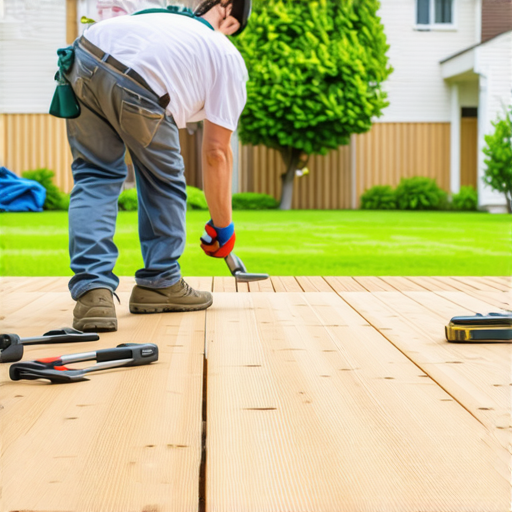

It was a hot summer afternoon when I finally stood on my aging Needham deck, realizing how much I dreaded the upcoming decision: I needed to choose the right wood for my new outdoor space, but the options overwhelmed me. I remember feeling stuck, unsure if I should go with the classic charm of Mahogany or the luxurious durability of Ipe. It hit me—this wasn’t just a simple choice. It was about investing in something that would be part of my home and life for years to come.
Getting Real About My Deck Dilemma
When I first started exploring materials, I made the mistake of focusing solely on initial appearance and cost, neglecting the long-term maintenance and resilience. That oversight nearly led me to regret my choice within a couple of years. But after talking with local Needham deck builders and reading up on durability studies, I learned that picking the right wood isn’t just about looks—it’s about understanding the unique advantages and challenges of each species.
Fortunately, I found a way to compare Ipe versus Mahogany effectively, and today, I’ll help you do the same. Whether you’re upgrading an existing deck or planning a new one, making the right choice can save you time, money, and frustration in the long run. So, if you’ve ever felt that sinking feeling of being overwhelmed at this decision point, know you’re not alone. Let’s explore the differences so you can feel confident in your decision.
Does the Hype About Ipe and Mahogany Hold Up?
Early in my journey, I also believed that all woods were created equal. My mistake? Underestimating how much climate, usage, and maintenance impact durability. This confusion led me to underestimate the importance of choosing a species suited to the Needham climate, which experienced fluctuating temperatures and moisture levels. According to a study by the Forest Products Laboratory, selecting the right wood can extend your deck’s lifespan by years—it’s worth the research.
My goal today is to guide you through a straightforward comparison of Ipe and Mahogany, highlighting their benefits and pitfalls. This isn’t a sales pitch—just honest advice based on real experience and facts. If you’ve faced the same dilemma I did, or if you’re still weighing your options, I’m here to help you avoid the mistakes I made, like rushing into a decision based solely on looks or price. For more detailed info, you might find it useful to check our Needham deck maintenance guide, which covers longevity tips for different woods.
Now, let’s dive into what makes Ipe and Mahogany so distinct—and how to choose the one that truly fits your needs and style in Needham.
Compare Your Options Precisely
I kicked off my decision-making by creating a simple comparison chart. I listed each wood’s durability, maintenance needs, appearance, and cost. For example, Ipe may cost more upfront but lasts longer and withstands the Needham climate better than Mahogany. I used a spreadsheet to visualize trade-offs clearly, which helped me see that investing a bit more in Ipe could save money on repairs down the line.
Assess Your Environment and Usage
Next, I evaluated my deck’s exposure to sun, rain, and foot traffic. Ipe’s dense fibers resist rot and insects, making it ideal for high-moisture areas. Mahogany, while beautiful, requires extra sealants in wet conditions. I remembered an instance when I failed to consider sun exposure—my previous cedar deck warped quickly during a summer with intense sunlight and humidity. This real experience reinforced my need to match wood type with environmental demands.
Consult Local Experts and Resources
Seeking advice from local Needham deck builders provided insider knowledge. I visited a contractor who showed me samples of Ipe and Mahogany. They explained that Ipe’s natural oils make it resistant to pests like carpenter ants—the same pests I had battled previously. Talking to pros saved me from making assumptions based solely on images or descriptions.
Test Samples Before Committing
I requested small test samples of both woods. Handling them in my yard, I checked their weight, how they absorbed oil-based stain, and how they looked under sunlight. I vividly recall staining a tiny slab of Ipe and Mahogany, then waiting a week to see how weather affected each. Ipe maintained its rich color longer, confirming my choice. This hands-on approach was critical; relying only on online info or pictures could mislead me.
Factor in Long-Term Maintenance
I planned my maintenance schedule early. I learned from Needham deck maintenance guides that Ipe requires less frequent sealing and cleaning compared to Mahogany. I broke down my tasks: annual cleaning, bi-annual oiling for Mahogany, versus deep cleaning and occasional oiling for Ipe. Mapping this out ensured I wouldn’t face unexpected hassles or costs later.
Finalize Based on Long-Term Value
Finally, I weighed initial costs against longevity and maintenance. Though Ipe’s initial price was higher, its durability and minimal upkeep tipped the scales. I remember feeling relieved after this process, knowing I had made an informed choice rather than a superficial one. Understanding these steps will empower you to select the best wood for your Needham deck—saving time, money, and frustration in the long run.Many homeowners assume that hiring a local deck builder simply involves finding someone who can install your deck efficiently. However, in my experience, a common misconception is that all deck builders are equal in expertise and attention to detail. The truth is, some nuances can significantly impact your project’s success, especially when dealing with the unique needs of Needham’s climate and housing styles. One critical aspect often missed is the builder’s understanding of structural safety, particularly the importance of inspecting and repairing older deck framing systems—something I learned firsthand. Overlooking this can lead to costly failures or safety hazards down the line. For example, many assume that if a deck looks fine externally, it’s safe. But issues like hidden rot or compromised joists are common and dangerous, making it vital to evaluate the integrity of existing structures before starting renovation or new builds. An advanced step is understanding how to check your deck’s framing safety thoroughly, which prevents future collapses. Moreover, many think that using premium materials is enough; however, an expert knows that proper installation techniques—such as secure fastening and correct joist spacing—are equally crucial to durability. This knowledge aligns with expert insights from studies indicating that the longevity of outdoor structures depends heavily on detailed craftsmanship and local expertise. Don’t fall into the trap of just selecting a builder based on cost or availability. Instead, look for professionals who go beyond surface appearances and prioritize structural integrity, longevity, and adherence to local building codes. By doing so, you can avoid surprises like collapsed joists or pest infestations, which are common pitfalls. Want to dive deeper? Check out our guide on fixing sagging deck joists or learn how experienced contractors assess and reinforce old structures. Remember, a well-informed homeowner partners with builders who truly understand the importance of detailed inspection, avoiding the costly and dangerous mistakes that many overlook. Have you ever fallen into this trap? Let me know in the comments.
Keep It Working: Essential Tools and Maintenance Habits
Maintaining a deck that lasts requires more than routine cleaning; it involves specific tools and proven methods to address issues promptly. One tool I personally rely on is a digital moisture meter. It helps me detect hidden moisture within wood, preventing rot and pest infestations before they become visible. Regular inspections with this device can spot potential problems early, saving money and extending your deck’s lifespan. Additionally, a power sander with coarse and fine grit allows me to smooth out splintered surfaces and prepare the wood for sealing or staining, ensuring longevity and safety.
Beyond tools, I emphasize the importance of seasonal maintenance routines. In Needham’s climate, I recommend cleaning your deck at least twice a year using a comprehensive maintenance guide. This includes removing debris, checking for loose fasteners, and inspecting for signs of rot or insect damage. For example, I routinely use a rust-proof screwdriver to tighten any loose screws on railings and joists, preventing structural issues over time.
Another critical aspect is protective sealants and stains. I opt for a high-quality, breathable stain to shield wood from moisture without trapping it inside. Applying these sealants correctly requires specific brushes and sprayers, which I find makes the process more efficient. I usually schedule reapplication every 2-3 years, depending on wear and weather exposure. Consistent upkeep with the right tools ensures your deck remains beautiful and safe for years to come.
Looking ahead, I see the trend moving toward smart maintenance systems, such as sensor-equipped decks that monitor moisture levels and structural integrity in real time. Advancements like these could revolutionize how we care for outdoor structures, reducing manual inspections and catching issues before they escalate. This evolution promises a future where deck longevity is seamlessly integrated with technology.
How do I maintain my deck over time?
One method I highly recommend is following a season-by-season maintenance schedule. This approach ensures you address weather-related challenges proactively, from protecting against winter snow loads to repairing summer sun damage. Using specialized tools like a handheld pressure washer set to low-pressure ensures thorough cleaning without damaging the wood. Remember, early detection and prompt action are key to preventing costly repairs later on—so equip yourself accordingly and stay vigilant. For complex issues, consulting a licensed professional through local experts can make all the difference in preserving your deck’s integrity for decades.
Small Mistakes That Taught Me Big Lessons
The most unexpected lesson I learned was the importance of verifying existing structure safety before any upgrades. Initially, I thought a deck looked fine externally, but hidden rot and weakened joists posed serious hazards, highlighting the need for thorough inspections and proper framing checks. This experience underscored that superficial appearances can be deceiving, and overlooking structural integrity can lead to costly failures.
Why Overcoming My Assumptions Made All the Difference
At first, I believed choosing a wood species was mostly about aesthetics and initial cost. However, understanding climate specifics and maintenance needs shifted my mindset. I realized that investing in durable, low-maintenance wood like Ipe—despite its higher price—paid off over time, especially given Needham’s weather patterns. This insight taught me to weigh long-term value over immediate affordability, a lesson I wish I had embraced sooner.
Every Detail Counts in Deck Longevity
One revelation was that proper fastening techniques and quality hardware significantly impact deck lifespan. Neglecting this detail during previous projects led to loose railings and uneven surfaces. Learning from seasoned local deck builders helped me appreciate the importance of craftsmanship and meticulous installation, which ensures safety and durability for years to come.
Curating Tools for Success
Over time, I discovered that having the right tools, like a digital moisture meter and high-quality brushes, is essential for effective maintenance. These investments empower me to catch issues early—preventing rot, pests, and surface damage—and maintain my deck beautifully and safely. I now understand that quality tools are just as important as quality materials, making the entire maintenance routine more effective and less stressful.
Embrace the Journey Beyond the Surface
The most meaningful insight I gained is that every upgrade or repair should be approached with a mindset of continuous learning. Whether choosing wood types, inspecting structures, or mastering upkeep, staying curious and patient leads to smarter decisions. I encourage you to see your decking projects as ongoing journeys, where each lesson learned builds a more resilient and inviting outdoor space. Ready to apply these insights? Your perfect deck in Needham is within reach—one informed decision at a time.
Tools, Tips, and Wisdom that Transformed My Approach
My favorite resource for understanding maintenance cycles and material choices remains the comprehensive Needham deck maintenance guide. Additionally, consulting with seasoned local professionals gave me insights into structural safety and proper installation techniques that books or videos simply can’t replace. These sources have been invaluable in helping me provide a safe, durable outdoor space for my family.
Take Your Next Step With Confidence
Building or renovating a deck in Needham doesn’t need to be daunting once you realize that expertise, attention to detail, and patience are your best allies. My journey taught me to prioritize structural integrity, environmental suitability, and long-term maintenance. If you’re ready to take action, remember: informed homeowners are empowered homeowners. Don’t hesitate to seek out advice, test samples, and trust your intuition. Your outdoor oasis awaits—start making it a reality today!