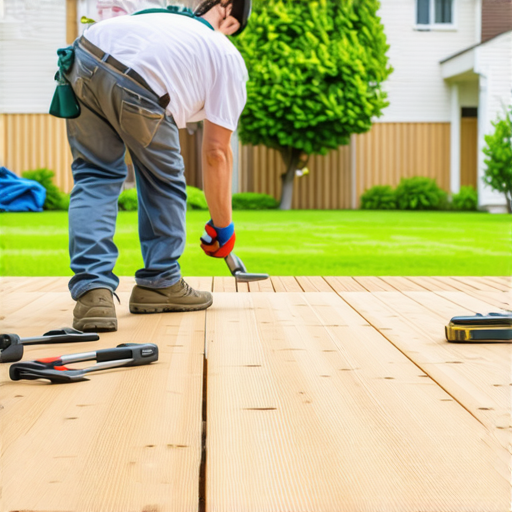
I remember the first time I stepped onto a newly built deck in Needham and immediately spotted something wasn’t right. A loose railing, a poorly installed post—small details that whispered of shortcuts and overlooking safety. It was a lightbulb moment for me: many homeowners are unknowingly living beneath roofs held up by code violations, risking safety and future costs. If you’ve ever wondered whether your deck complies with local regulations or have faced unexpected repairs, you’re not alone. Today, I want to share my experience and show you how to identify common deck code violations that could be lurking in your own backyard, ensuring your outdoor space remains safe and beautiful.
Spotting the Gray Areas in Your Needham Deck
Is Your Deck’s Safety Up to Standard? A Skeptic’s Perspective
Many homeowners think they’ve got their decks covered—believing that if they see no visible damage, everything must be fine. But that’s a dangerous assumption. Early in my deck journey, I made a mistake by assuming that superficial appearances meant full compliance. It wasn’t until a professional inspection that I learned some violations aren’t immediately obvious but could cause serious problems down the line. For instance, insufficient joist spacing or improper flashing can lead to rot and structural failure. According to the Consumer Product Safety Commission, poorly maintained or incorrectly built decks are among the leading causes of home-related injuries, highlighting the importance of thorough inspections (CPSC Data). This realization prompted me to educate myself on the most common code violations and how to spot them before they become costly repairs or safety hazards. If you’ve ever had a nagging suspicion about your deck’s safety, this is the sign to take action. Let’s explore the key issues homeowners often overlook and how you can prevent them from turning into disasters.
Start with a Visual Inspection
Begin by walking around your deck, paying close attention to the connections and materials. Look for loose or wobbly railings, uneven boards, or signs of rot. Use a flashlight to peer into hidden areas like underneath the deck or inside corners, where issues often hide. During my first inspection, I noticed a railing post was loose—tightening it immediately prevented future safety concerns. Take notes of any irregularities to inform your next steps.
Check Structural Components and Spacing
Ensure the joists are properly spaced—ideally 16 inches on center for standard decking, but check local code. Use a tape measure to verify spacing, and look for signs of unevenness or sagging that could indicate improper installation. Confirm that the beams and ledger boards are securely attached and free of decay. I once discovered a beam with soft wood, indicating rot; replacing it before any failure occurred saved potential disaster. For specifics on joist requirements, visit this guide.
Assess the Fasteners and Hardware
Examine all screws, nails, and bolts. Loose or corroded fasteners compromise deck stability. Switch out any rusted or damaged hardware with stainless-steel screws, which resist corrosion and last longer. For example, I replaced all deck screws on my project with stainless steel fasteners, improving my deck’s longevity and safety. Ensure that all hardware is used according to manufacturer specifications.
Inspect Flashing and Waterproofing Measures
Look underneath the ledger board for proper flashing—metal strips that prevent water intrusion. Proper flashing is crucial to prevent rot at the connection point between the deck and house. I once found missing flashing during an inspection, which could cause significant damage over time. If absent or improperly installed, add or replace flashing following local codes or consult a professional.
Identify Signs of Motion or Damage
Push gently on railings and posts to detect movement. Excessive play might signal loose connections or structural issues. Also, check for cracks or splinters in wood—these are early signs of decay. I once encountered a deck with a cracked post; replacing it quickly prevented a potential injury. Regular testing helps catch issues early before they escalate.
Execute Targeted Repairs or Replacement
Address encountered violations immediately. Tighten or replace loose hardware, reinforce weak posts, or re-deck areas with damaged boards. When replacing individual deck boards, be precise to avoid ruining the rest—using tools like a reciprocating saw ensures clean cuts. If your deck needs a full refresh, consider upgrading to composite materials or other durable options. For comprehensive upgrades, plan your budget with guidance from this budgeting guide.
Consult Local Code Requirements
Finally, verify that your deck complies with Needham’s regulations—whether regarding railing height or load capacity. Familiarize yourself with local ordinances or hire a professional for a certified inspection, especially if you suspect violations. Remember, safety isn’t just about aesthetics but ensuring your outdoor space is secure and compliant.
Many homeowners assume that hiring a local deck builder in Needham guarantees a flawless project, but in my experience, there’s a common misconception about what truly defines an expert contractor. The prevailing myth is that experienced builders simply follow a checklist of standard procedures, but the reality is far more nuanced. True expertise involves understanding the subtle differences in material performance, code nuances unique to Needham, and the long-term implications of design choices. For example, many assume that pressure-treated wood is always the best choice, but advanced materials like composite decking offer superior durability and low maintenance, especially important in Massachusetts’s climate—more on this at this guide. Common pitfalls include overlooking hidden rot-prone areas or underestimating load capacities, which can compromise safety over time. An advanced mistake many make involves neglecting proper flashing and waterproofing details around ledger boards, risking costly water damage. As an expert, I recommend inspecting not just the visible parts but also the unseen structural elements, using techniques like moisture meters or professional-grade inspections—something many novices skip. Have you ever fallen into this trap? Let me know in the comments.
A critical misconception is that aesthetically pleasing decks are automatically compliant with safety codes. However, many are unaware of the specific code requirements in Needham, such as deck railing height, baluster spacing, or load capacities. For instance, overextending beyond permissible spans without proper support can lead to code violations and safety hazards. The key is blending beautiful design with rigorous adherence to local regulations, which often requires professional consultation. Remember, a beautifully built deck that ignores local standards isn’t just unsafe; it could also impact your homeowner’s insurance or resale value.
The hidden nuance lies in the importance of understanding the lifetime performance of materials and techniques used. Opting for cheaper fasteners or neglecting to use stainless steel hardware might save money upfront but will cost you more in maintenance and repairs later. For example, corrosion-resistant hardware like stainless steel screws greatly extend your deck’s lifespan. Similarly, neglecting proper ventilation underneath a low-profile deck can trap moisture, leading to accelerated rot—a subtle but crucial detail many builders overlook.
In essence, credible deck design and construction involve anticipating issues before they manifest, understanding that long-term durability depends on small yet critical specifics. This is where true expertise shines. Don’t fall for the myth that cost-cutting or superficial inspections suffice. A detailed understanding of material science, local building codes, and structural integrity makes all the difference.
Investing in expert guidance ensures your deck remains safe, beautiful, and functional for years to come. Ready to elevate your project? Check out this budgeting guide to plan your upgrade effectively. Remember, in decking, as in life, the devil is in the details. Have you ever overlooked a crucial detail that cost you later? Share your experience below!Maintaining a deck that stands the test of time requires more than just routine inspections—it involves using the right tools and techniques to ensure longevity and safety. I personally swear by a high-quality orbital sander for removing old paint or stain before applying a fresh coat, as it provides even surface prep, reducing the risk of peeling and ensuring a professional finish. Additionally, a moisture meter is invaluable; it helps me identify hidden rot or moisture issues beneath the surface, which are often the silent threats to deck stability.
For sealing and waterproofing, I recommend using a pneumatic sprayer. It accelerates the application process and ensures an even coat, especially on larger surfaces. When inspecting for loose fasteners and hardware, a cordless impact driver with adjustable torque settings helps tighten or replace bolts without damaging the wood or hardware, maintaining the structural integrity of your deck.
Looking ahead, I believe the trend towards smart maintenance will grow, with digital sensors integrated into decks to monitor moisture levels and structural stress in real-time. This tech-driven approach will make preventive maintenance more proactive and less costly.
How do I maintain my deck over time? The key is establishing a regular schedule for cleaning, inspections, and minor repairs. For example, I revisit my deck every spring using a combination of power washing, checking fasteners, and applying sealant. This routine not only preserves the deck’s appearance but also catches issues early—saving money and preventing safety hazards.
For quick and effective sealing, I suggest trying a high-quality semi-transparent stain, which both protects the wood and enhances its natural beauty. If you’re considering a significant upgrade, plan your budget carefully and consult resources like this budgeting guide. Incorporating these tools and strategies will keep your Needham deck functional and inviting for years to come. Ready to up your maintenance game? Start with a moisture meter to identify hidden issues—early detection makes all the difference.
What I Wish I Knew Before Hiring a Deck Builder in Needham
One of the biggest lightbulb moments in my deck journey was realizing that experience isn’t just about years in business—it’s about mastery of local codes, materials, and long-term durability. I once hired a contractor thinking that a quick job would save me money, only to find out later that I overlooked critical details like proper flashing and hardware, which led to costly repairs. Now, I advocate for deep research and trusting those who understand Needham’s unique building regulations. The lesson? Don’t just look at reviews or price—dive into their knowledge of local compliance and craftsmanship quality.
My Favorite Tools for Ensuring Deck Safety and Longevity
Over time, I’ve curated a toolkit that helps me keep my deck in tip-top shape. A moisture meter is essential for detecting unseen rot, especially around ledger boards and post bases. A cordless impact driver makes tightening fasteners effortless, preventing structural issues. I also rely on a high-quality painter’s sander for prepping surfaces before staining, which prolongs the deck’s life. Trust me, investing in these tools saves you time and money in the long run, and often reveals hidden issues before they escalate.
Your Next Step—Building Confidence in Your Outdoor Space
Taking the time to learn from personal experiences and trusted resources transforms a daunting project into an empowering journey. Implementing proper inspections, using the right materials, and partnering with knowledgeable professionals ensures your deck isn’t just beautiful, but safe and durable for years to come. Remember, every detail counts—whether it’s correct fastener installation or understanding local codes. Ready to elevate your deck game? Start with an honest assessment of your current setup or consult a local expert to get expert opinions. Have you ever overlooked an important detail that cost you later? Share your story below and let’s learn together!