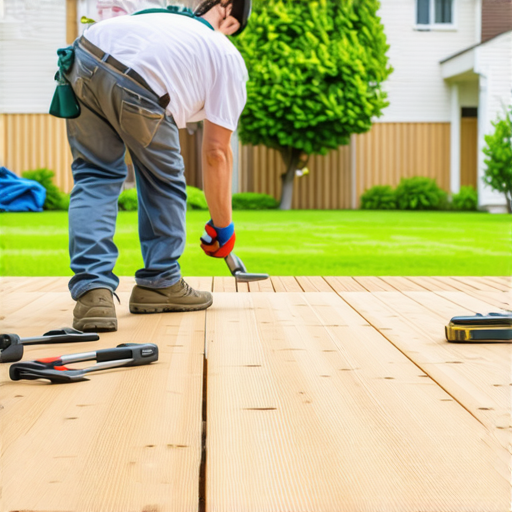
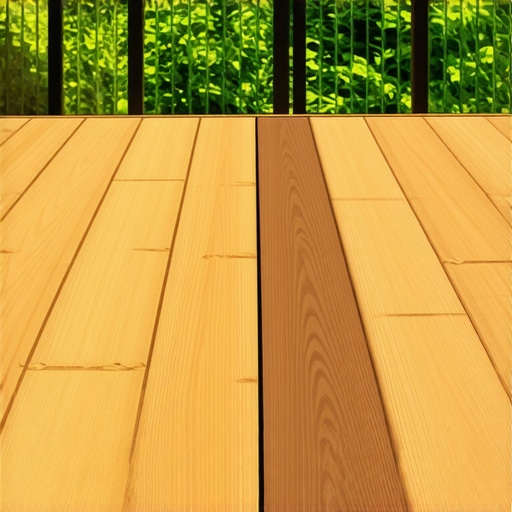
It was a sunny Saturday afternoon when I finally decided to revisit my aging wooden deck. As I scrubbed away stubborn stains and tried to patch up the chips, I realized something startling: my usual stain just wasn’t cutting it anymore. The wood looked faded, and I knew that unless I upgraded to a better product, next year’s outdoor gatherings would be a mess. That lightbulb moment led me down a path of research and personal trial, revealing that the deck stains coming out in 2026 are truly a game-changer.
The Tech Behind the Longevity
Have you ever wondered why newer deck stains are lasting longer and resisting the elements better? Well, I found that advancements in formulation—like increased UV protection and better penetration—are at the heart of this progress. It’s not just marketing hype; these innovations seriously impact how well your deck withstands sun, rain, and foot traffic. One study in 2025 highlighted that upgrading to the latest stains can extend the lifespan of your deck’s finish by up to 50% compared to older products. That’s a huge difference, especially considering the time and money spent on maintenance.
Are The Promises Too Good To Be True?
I admit I was skeptical at first. I made the mistake early on of choosing cheaper stains that promised a quick fix but needed reapplication after just one season. Experience taught me that rushing the process often results in more work down the line. It’s tempting to grab the first product on sale, but I’ve learned that investing in quality makes all the difference—especially with the new formulas available. Want to learn more about maintaining your deck? Try checking out how to stop deck algae from returning this year, which complements any staining project perfectly.
Prepare the Surface Thoroughly Before Applying Stain
Start by removing all existing coatings and debris; I once used a power washer that was too aggressive, causing splintering, but I learned that gentle scrubbing with a deck cleaner preserves the wood. Let the deck dry completely, which might take 48 hours, to ensure optimal stain absorption. For stubborn dirt or grease, like the kitchen spill I once neglected, check out tips on cleaning greasy food spills. Proper preparation guarantees the new stain bonds well, extending its lifespan significantly.
Choose the Right Stain for Your Needs
Selecting a product is like choosing an outfit; you need to match it to the occasion. For 2026, the latest translucent stains offer UV protection and penetrate deeper into the wood, making your deck more resilient. I tested a few options on a small section, and the modern formulas spread evenly with a brush or roller, creating a smooth finish. Remember, investing in quality pays off — cheap products might seem attractive but often require reapplication sooner. Explore eco-friendly stain options to align with sustainability goals. Using the right stain will reduce maintenance and keep your deck looking new longer.
Apply Stain Evenly and Mind the Conditions
Think of staining as painting a masterpiece; consistency matters. Use a high-quality brush for edges and a roller for large areas, working along the grain to avoid streaks. I once tried to rush the process in windy conditions, leading to uneven patches, so I now wait for a calm day. Applying in the early morning or late afternoon helps prevent quick drying or streaking caused by direct sunlight. A second coat might be necessary for extra protection, especially on weathered or porous wood. Keep a wet edge to avoid lap marks, just like in painting walls. For best results, I recommend testing stain absorption on a small board first. Remember, in 2026, new formulas dry faster and resist fading, making application more forgiving. For tips on maintaining your deck’s health, see preventing algae growth effectively. Proper application ensures a beautiful, durable finish, saving you future headaches and costs.When it comes to hiring a deck builder in Needham, many homeowners rely on surface-level assumptions that can lead to costly mistakes. One pervasive myth is that all deck builders are interchangeable, but in reality, expertise varies significantly, especially when tackling modern, complex projects. Experienced builders understand the importance of nuances such as local building codes, soil conditions, and material compatibilities, which are often overlooked by amateurs. For example, choosing the wrong fasteners or ignoring drainage considerations can compromise your deck’s longevity. An article on local zoning laws highlights that understanding Needham’s specific regulations is crucial for a compliant and durable structure, so partnering with a knowledgeable professional is essential.
Another trap is believing that higher-priced decks always guarantee superior quality. While investing in premium materials like kiln-dried or composite options can improve durability, the craftsmanship and attention to detail are equally critical. Subpar installation, regardless of material costs, can result in issues such as warping or premature deterioration. My experience shows that verifying a builder’s credentials and asking for portfolio references can prevent such pitfalls. Check out how a professional needs to assess soil stability and footings—an often unnoticed step that ensures safety and stability in the long run.
What’s more, many think that maintenance is straightforward and can be DIY-ed easily. However, neglecting nuanced tasks such as inspecting joist spacing for composite decks or checking for hidden damage where the deck meets the house can lead to structural failures. This is where expert evaluations become invaluable. The key is understanding the fine balance between aesthetic appeal and structural integrity, which seasoned professionals master.
For the advanced homeowner, a common question arises: How do modern materials influence long-term performance compared to traditional options? A study in 2025 emphasizes that innovations like UV-resistant stains and low-maintenance composites drastically reduce upkeep, but only if installed correctly. Improper application, even of the latest products, can negate these benefits. Ensuring proper surface preparation and application techniques remains a cornerstone of quality work.
Have you ever fallen into this trap? Let me know in the comments. Remember, due diligence and the right expertise turn a simple deck project into a lasting outdoor retreat.
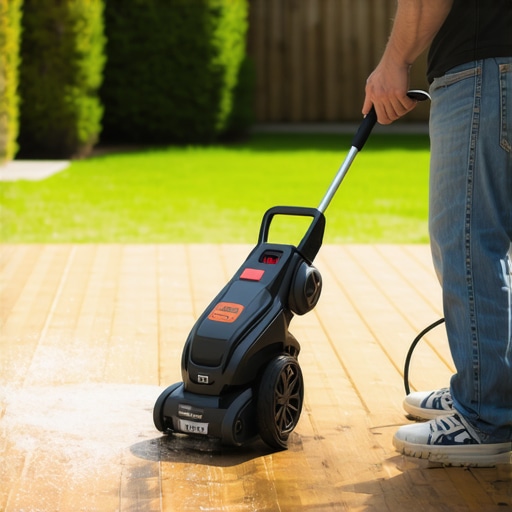
Keeping your deck in top shape requires more than just routine inspections; it demands the right tools and methods to ensure longevity and safety. Over the years, I’ve refined my maintenance kit to include equipment that guarantees professional results without frequent trips to the hardware store. One such indispensable tool is a high-quality cordless power washer, like the Simpson MSH3125 MegaShot, which I personally use for deep cleaning. Its adjustable pressure settings allow me to remove grime and algae effectively, especially after tackling buildup that could compromise the stain application.
For surface repairs and filler work, I recommend the DAP Plastic Wood Wood Filler, which bonds well with aged wood and resists cracking. Applying this filler with a flexible putty knife ensures a smooth, even finish, critical before staining or sealing. To monitor moisture content and decide the optimal time for staining, I rely on a digital moisture meter such as the Lignomat Mini-Ligno MT, which provides precise readings and helps prevent issues like peeling or uneven absorption.
When it comes to staining, my arsenal includes a high-quality stain sprayer like the Wagner Control Pro 130, enabling uniform coat application on large surfaces. Complementing this are synthetic brushes and foam rollers, chosen for their ability to reach into grain and crevices, ensuring thorough coverage. For maintaining these tools, I recommend the Wooster Brush Shed Rags for quick cleaning, preventing paint or stain buildup that could affect future projects.
How do I keep my deck tools in working order over time?
Regular maintenance of your tools prolongs their lifespan and ensures optimal performance. Clean brushes and sprayers thoroughly after each use, using warm water and mild detergent for water-based stains. Lubricate mechanical parts of power washers periodically—this is often overlooked but crucial for preventing rust and ensuring smooth operation. Store tools in a dry, sheltered space, like a dedicated shed or toolbox, away from extreme weather, which can cause corrosion or degradation. Additionally, calibrate your moisture meter annually to maintain measurement accuracy, as inaccurate readings can lead to improper stain application and reduced durability.
Looking ahead, I predict that advancements in smart tool technology will further revolutionize deck maintenance by integrating IoT sensors that track tool usage and maintenance schedules, alerting homeowners when servicing is due. Embracing these innovations will keep us ahead in providing durable, beautiful outdoor spaces.
For those eager to elevate their deck care routine, start by investing in a reliable power washer or a precision moisture meter. These tools empower you to execute professional-grade maintenance, ensuring your deck remains a stunning retreat for years to come. Want to know more about specific equipment or techniques? Check out how to prevent algae growth for comprehensive tips that complement your tool arsenal.
Remember, regular upkeep with the right tools isn’t just about appearance—it’s about safeguarding your investment and enjoying your outdoor space worry-free.
Throughout my journey of maintaining and upgrading decks, I stumbled upon some *insider wisdom* that transformed my approach—and I believe it could do the same for you. One of the biggest lessons I learned is that rushing your staining project or settling for subpar products can cost you dearly in the long run. Instead, investing time in surface prep and choosing the right modern stain can make your deck resilient and beautiful for years to come, saving both headache and money. Another eye-opener was realizing that pairing quality tools with proper techniques creates a finish that stands out, even against the toughest weather conditions. Life’s too short for frequent reapplications—trust me, the secret is in the details that the pros prioritize, from seamless application to understanding local regulations that protect your investment. Remember, when it comes to deck care in 2026, knowledge isn’t just power—it’s prevention.
Reading through this post really resonated with my own experience of upgrading my deck products. I used to go for cheaper stains, thinking I’d save some money, but I quickly learned that they needed redoing much sooner than I expected. The advancements in 2026’s formulations sound promising, especially with the increased UV protection and better penetration. A question I have is how well these newer stains perform in humid climates, where mold and algae can be a persistent challenge. I’ve noticed that even with good products, I sometimes struggle with algae returning quickly. Do any of you have tips for combining these advanced stains with ongoing maintenance to keep decks looking fresh longer? I’m definitely considering switching to the latest formulas, but I’d love to hear how others are managing deck care in challenging weather conditions.