

It happened in a flash. I was enjoying a sunny weekend BBQ on my wood deck when a plate of greasy burgers and fries was knocked askew by a wayward frisbee. Suddenly, my beautiful wooden surface was marred with oily, sticky stains that seemed almost impossible to remove. In that moment, I realized how a simple slip-up could turn my outdoor oasis into a stubborn mess—and I knew I wasn’t alone. If you’ve ever faced the frustration of greasy food spills leaving long-lasting marks on your deck, you’re not just imagining things.
Why Greasy Spills Are a Deck Owner’s Worst Nightmare
That greasy residue on your wood deck isn’t just unsightly; it can lead to long-term damage if not addressed promptly. Over time, the oil can seep into the wood’s pores, causing discoloration, warping, and even attracting pests like ants and termites. Plus, the sticky film is a magnet for dirt and grime, making your deck look neglected and uninviting. The good news? From my own mishaps, I’ve learned that with the right approach, you can restore your deck’s natural beauty and prevent future damage.
But first, a word of caution. Early on, I made a common mistake—using harsh chemical cleaners that ended up stripping the wood’s finish or leaving toxic residues. Trust me, a gentle but effective cleaning method makes all the difference. Remember, tackling grease isn’t about brute force; it’s about knowing what works and what doesn’t. If you’ve been putting off cleaning greasy stains, know that I’ve been there, and I’m here to help guide you through proven steps to keep your wooden deck looking fresh.
Is Scrubbing Away Grease Really Worth the Effort?
You might be skeptical, thinking, “Isn’t it just a stain—can’t I just ignore it?” Honestly, ignoring grease on your deck only invites further problems. Over time, the oil weakens the wood’s surface, making it more susceptible to cracking and decay. Plus, a greasy deck isn’t just unattractive; it can pose safety hazards like slippery spots. Taking action now saves you money and prolongs the life of your outdoor space.
So, are you ready to roll up your sleeves and learn how to clean those stubborn greasy stains effectively? Before diving into the step-by-step process, I want to share a quick story about a rookie mistake I made—using a power washer without thoroughly pre-treating the stain. That only drove the grease deeper into the wood, making the problem worse. For a successful clean, patience and the right techniques are key. Now, let’s explore how to banish those greasy messes and maintain a stunning, durable wooden deck for years to come.
Pre-Treat the Stain with a Degreasing Solution
Start by applying a dedicated degreasing cleaner directly onto the greasy area. I once used a mixture of dish soap and warm water, soaking a cloth and gently dabbing the stain. This helps break down the oil, making it easier to remove. Let it sit for 10-15 minutes before proceeding. Remember, using a mild solution prevents damage to the wood’s finish, unlike harsh chemicals that can strip away protective layers. For stubborn stains, applying a commercial degreaser designed for wood surfaces can be more effective. Always test any solution on a small, hidden area first to ensure it doesn’t cause discoloration. Learn more about maintaining your deck’s appearance and longevity by exploring how to prevent composite decking from fading.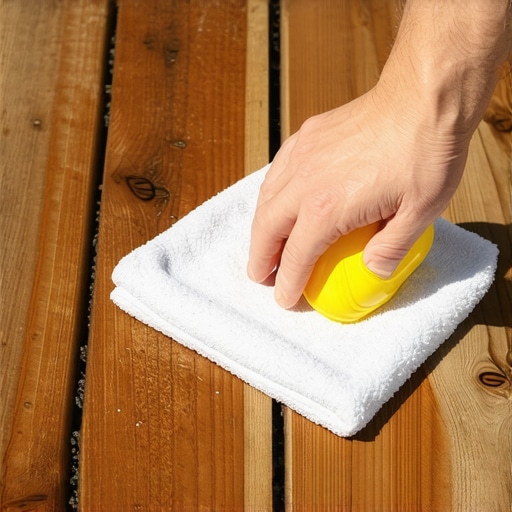
When it comes to hiring a deck builder in Needham, many homeowners rely on common perceptions that may not always be accurate. One prevalent myth is that choosing the lowest bid guarantees the best outcome. However, in my experience, focusing solely on price often leads to overlooked details that can compromise your deck’s durability and safety. For instance, some contractors cut corners on essential aspects like proper foundation inspection or using subpar materials, which may not surface until years later. Be wary of quotes that seem too good to be true, and always verify that your builder follows the local building codes and standards, such as ensuring correct joist spacing and adequate load-bearing capacity, which are critical for long-term performance. For example, understanding the nuances of proper ventilation and airflow can significantly extend your deck’s lifespan—something many overlook, leading to issues like deck warping or mold growth. As I advise in my articles, selecting high-quality materials like pressure-treated lumber or composite decking, and ensuring your contractor is fully insured—details often underestimated—are essential steps to avoid future regrets. Even seemingly minor details, such as proper sealing techniques or installation of hidden fasteners, contribute to the final result’s integrity and aesthetic appeal. A common mistake is neglecting to check if the builder has proper specialized insurance, which can save you from costly legal troubles should accidents occur during construction. Moreover, advanced homeowners often ask about the importance of designing decks with multiple functionalities—combining spaces for relaxation, dining, and entertainment—to optimize outdoor living. These nuanced design choices can significantly impact the usability and value of your home, as discussed in my article on designing a multi-functional deck. Keep in mind that the choice of decking materials also affects maintenance needs and environmental impact; for instance, some premium composites resist fading and scratches better, as highlighted in my previous guides. Lastly, always conduct a thorough inspection before signing any contract—checking for proper structural support, accurate measurements, and adherence to local regulations. Don’t let misconceptions or overlooked details lead to issues down the line; instead, educate yourself about the hidden nuances that can make or break your deck project. Have you ever fallen into this trap? Let me know in the comments.
Maintaining a wooden deck requires the right equipment and methods to ensure longevity and aesthetic appeal. From personal experience, investing in high-quality tools can make all the difference. One essential item I rely on is an orbital sander fitted with coarse and fine grit attachments. It allows me to gently remove surface grime and prepare the wood for staining without damaging the fibers. Unlike traditional belt Sanders, an orbital sander minimizes scratches, making it perfect for delicate surfaces. Pro tip: Always wear a dust mask and eye protection when sanding—health and safety first.
Power washers are tempting for quick cleaning, but they can often do more harm than good if misused. I recommend using a pressure setting no higher than 1500 psi, paired with a wide-angle nozzle. This setup prevents damage to the wood’s surface while effectively removing dirt and moss. For stubborn stains, applying a deck-specific cleaner before washing greatly improves results. I prefer environmentally friendly options like EcoClean Deck Wash, which I’ve found to be both effective and safe for surrounding plants. This guide offers detailed techniques and safety tips worth reviewing.
How do I maintain my deck over time?
Consistent inspection is key. Regularly check for loose or rusted fasteners, as these can compromise structural integrity. Using a torque wrench during routine maintenance ensures fasteners are tightened appropriately, preventing squeaks and wobbling. Applying a high-quality sealant every 2-3 years protects against moisture intrusion, which is critical especially in climates like Needham’s. For a more advanced approach, consider installing an automatic deck drainage system, which can significantly reduce water pooling and prolong wood life. Modern laser leveling technology can assist in keeping your deck flawlessly even, a crucial factor in long-term durability. Looking ahead, tools like drone inspections and smart sensors are poised to revolutionize deck maintenance, allowing real-time monitoring of wear and tear. Take a moment to try calibrating your deck’s level with a laser level—this simple step can prevent uneven wear and costly repairs down the line. Remember, a well-maintained deck isn’t just about looks; it’s about safety and value. Regular maintenance combined with precision tools ensures your outdoor space remains inviting for years to come.
Embrace the Lessons Learned from My Deck Mishap
- Patience is key—gotta let the degreasing solution work its magic before scrubbing.
- Never underestimate the power of gentle cleaning over harsh chemicals; your deck will thank you.
- Investing in quality tools, like an orbital sander, can make routine maintenance feel less like a chore and more like an art.
- Consistent inspections save money and preserve your deck’s charm—don’t wait for visible damage to act.
Tools and Guides That Have My Back
- Specialized insurance information: Ensures your peace of mind during the build, preventing future headaches.
- Composite fading prevention: Offers insights into keeping your deck vibrant and fresh over the years.
- Designing for functionality: Helps you craft a deck space that’s both beautiful and practical for your lifestyle.
- Multi-functional deck ideas: Perfect for balancing entertaining guests and serene relaxation.
Let Your Deck Reflect Your Lifestyle—Start Now
Seize the Moment to Elevate Your Outdoor Space
There’s no better time than today to commit to maintaining and enhancing your wooden deck. With a clear understanding and the right tools, you can transform greasy stains into a testament of care and quality. Your outdoor living area isn’t just a space—it’s a sanctuary that deserves your attention and love. So, why wait? Begin that cleaning project, plan your upgrades, and turn your deck into the ultimate haven for friends, family, and yourself. Remember, every effort you put in now pays dividends in beauty, safety, and peace of mind in the years to come. What’s one small step you’re excited to try first? Share your plans below and let’s inspire each other to keep our decks stunning!