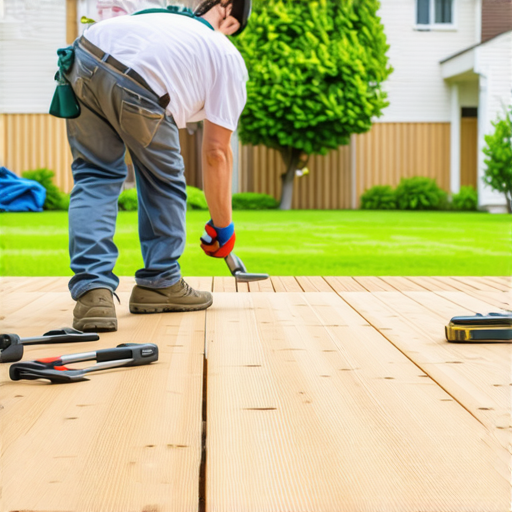
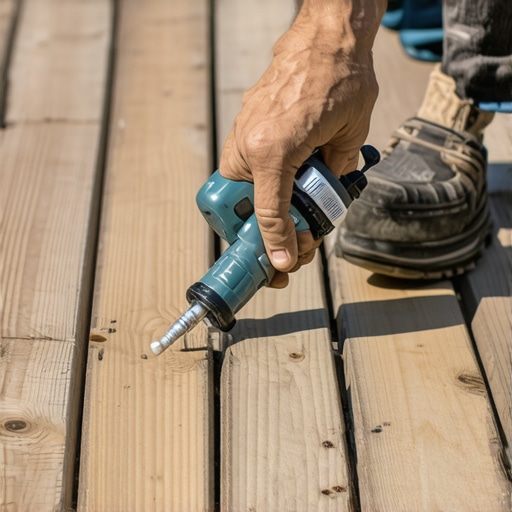
I remember the first time I built my own deck. I was so proud of the smooth planks and perfect layout—until I realized I had skipped sealing the ends of some boards. Within a year, those little neglected spots turned into plague spots for rot and water damage. It was a lightbulb moment: neglecting the ends can spell disaster for your entire deck. If you’ve ever faced warped boards, peeling paint, or sagging planks, you know how frustrating it can be to redo or repair—especially when it was so easy to prevent.
Why Properly Sealing the Ends of Deck Boards Matters More Than You Think
Sealing the ends isn’t just about aesthetics; it’s about protecting your investment. When wood is cut, its pores are exposed, making it a magnet for water infiltration. Over time, moisture seeps into those raw edges, causing the wood to swell, crack, or rot—especially in climates with freeze-thaw cycles. Proper sealing forms a barrier that shields these vulnerable points from the elements, dramatically extending the lifespan of your deck.
As I learned the hard way, a small oversight can lead to expensive repairs later on. Regularly sealing the ends of your boards is a simple, cost-effective step that can save you hundreds—or even thousands—down the line. And it’s not just about water damage; sealing also helps prevent insect invasion and wood decay, which are common issues in our area.
Have you ever skipped sealing the ends of your deck boards? The good news is, you’re not alone. Many homeowners overlook this critical step, thinking it’s too time-consuming or unnecessary. But trust me, taking the time now will pay off when your deck stays looking beautiful year after year.
Early mistakes, like neglecting to seal the ends, often stem from a lack of awareness. I once thought a coat of stain on the top surfaces was enough—until those ends started delaminating. Since then, I’ve made sealing a priority, and it’s transformed how long my deck stays in top shape. To get it right, it’s helpful to understand both the materials and techniques involved. For instance, using a high-quality end-grain sealer can make a huge difference compared to generic exterior paints. Plus, learning about current best practices can help you avoid the common pitfalls others fall into.
In our next discussion, we’ll explore the specific tools and products I’ve found most effective for sealing those tricky ends, including tips on preparation and application. If you’re tired of spending weekends repairing your deck’s damage, stay tuned—you’re about to learn how to get it right the first time.
Select the Right Sealant for Your Deck Ends
Start by choosing a high-quality, penetrative end-grain sealer specifically designed for exterior wood. I recommend using products like end grain sealers, which penetrate deeply and provide robust water resistance. When I first applied a generic exterior stain, I noticed it didn’t soak in well, leaving my boards vulnerable. Switching to a dedicated sealer made a noticeable difference, preventing future rot and cracking.
Prepare Your Materials and Space
Gather everything beforehand: a clean cloth or brush, the sealant, a putty knife, and safety gear like gloves and goggles. Clear your workspace and ensure the boards are clean and dry. I once rushed this step and applied sealant over damp wood, which compromised absorption. Proper preparation guarantees maximum adhesion and protection, extending your deck’s lifespan.
Apply the Sealant with Precision
Use a brush or roller to evenly coat each cut end, working deep into the pores. Think of it as skincare for your deck—getting into every nook and cranny for full coverage. Apply multiple thin coats rather than one thick layer to improve absorption and drying. I remember my first attempt; I skimped on coats, and water still penetrated the boards during a rainstorm. Patience here pays off.
Focus on the End Grain Specifically
Because the cut edges are most vulnerable, prioritize thorough coverage there. Hold the board at an angle to reach inside the cut surfaces, ensuring no unsealed spots remain. This meticulous approach saved me from costly replacements later, especially in our rainy season.
Allow Proper Curing Time
Follow the manufacturer’s instructions for drying—typically 24-48 hours. During this period, keep the boards dry and avoid foot traffic. I once hurried this step and walked on the freshly sealed ends; it smudged the finish and reduced effectiveness. Adequate curing solidifies the barrier, offering long-term protection against water damage.
Inspect and Reapply Regularly
Every year or after extreme weather, check the sealed edges for wear. Spot reapplication as needed—think of it as a booster shot for your deck’s health. I keep a log and inspection routine, which has helped identify issues before they escalate, saving money and effort.
Remember, sealing the ends of your deck boards is an ongoing process rather than a one-time task. Proper technique, vigilance, and using the right materials make all the difference. For additional ideas on lighting and design that can complement your upgraded deck, explore custom lighting ideas for stairs and railings or designing a year-round outdoor space.
Many homeowners assume that hiring a deck builder in Needham simply involves picking the lowest bid and expecting quick results. However, this misconception can lead to significant issues down the line. In my experience, one of the most overlooked nuances is the importance of understanding local climate factors and how they influence material choices and construction techniques. For example, while many believe all wood types perform equally well, selecting the wrong material—such as untreated pine in a freeze-thaw area—can cause premature deterioration. It’s crucial to delve into expert insights, like those from industry professionals who emphasize selecting materials that withstand Needham’s specific weather patterns. Furthermore, a common myth is that following standard building codes suffices; in reality, seasoned deck builders often go beyond code requirements to ensure longevity and safety, especially regarding load-bearing calculations and proper drainage. Remember, an improper deck foundation or overlooking soil types can lead to uneven settling or structural failures, as detailed in studies available through resources like load-bearing considerations. Proper planning, tailored designs, and experienced craftsmanship are vital. Are you aware of the subtle details that separate amateur from expert deck construction? Improving your knowledge here can save money and prevent headaches. If you’re considering a new project, avoid the trap of assuming all builders are the same—look for professionals who prioritize local expertise and superior craftsmanship. For tips on integrating lighting and other enhancements, explore custom lighting ideas, which can elevate your deck’s functionality and aesthetic.
Investing in Reliable Tools for Deck Maintenance
To keep your deck looking pristine and functioning properly, I swear by a few high-quality tools that make routine maintenance straightforward and effective. First, a goodorbital sander is essential for removing old finishes and preparing surfaces for sealing or staining. I personally prefer models with variable speed control, like the Dewalt D26453, because they allow precise work without damaging delicate wood. Additionally, a moisture meter helps me quickly assess if the wood is dry enough before sealing, preventing missed spots or ineffective application.
For cleaning, I rely on a cold-water pressure washer with adjustable nozzles. This tool makes it easy to eliminate dirt, mold, and algae without roughening the wood surface. I avoid high-pressure settings that could splinter or damage the material, instead opting for a gentle but thorough wash. Regular cleaning not only maintains aesthetic appeal but also helps prolong the lifespan of your surface coatings.
When it comes to sealing and staining, a high-quality paint sprayer like the Graco Magnum series has been a game-changer. Applying finishes with a sprayer ensures even coverage, especially on hard-to-reach areas or textured surfaces. I’ve learned that proper prep—cleaning and priming—is vital; otherwise, the finish might peel prematurely. Using a sprayer combined with brushes for detail work gives me professional results every time.
For measuring and alignment, a laser level is my go-to device. It helps me verify that joists, railings, and other components are perfectly aligned, ensuring structural integrity and safety. The Dewalt DW089LR is compact and accurate enough for just about any project I undertake. This level of precision is especially important when restoring or scaling a deck, where small misalignments can lead to long-term issues like uneven surfaces or structural weakness.
Embrace Technology for Long-Term Results
While manual tools are irreplaceable, technological advancements are shaping the future of deck maintenance. Software programs like DeckStagram allow me to visualize different color schemes and design features before making any physical changes. This kind of planning reduces trial and error, saving time and costs. Moreover, digital inspection cameras provide a quick way to assess hidden or hard-to-reach areas, such as underneath the deck or within joist cavities, helping identify issues early.
In the coming years, I predict that smart sensors embedded in decks will become part of standard maintenance routines. These sensors could monitor moisture levels, wood temperature, and structural shifts in real-time, alerting homeowners before problems escalate. Incorporating such technology could revolutionize how we extend the lifespan of our decks.
Turning Maintenance into a Habit
Consistent upkeep is the cornerstone of a durable, beautiful deck. I recommend scheduling seasonal inspections and cleaning, using your digital tools for assessment, and reapplying protective coatings as needed. For example, resealing bare wood edges or reapplying stain every couple of years can prevent costly repairs down the line. Remember, maintenance isn’t just about appearance—it’s about safety and structural integrity too.
Curious about enhancing your space further? Check out designing a year-round outdoor space to see how proper maintenance supports versatile, enjoyable outdoor living.
How do I maintain my deck over time?
It’s crucial to develop a routine that combines cleaning, inspection, sealing, and upgrades. Using tools like moisture meters to identify damp spots early and employing software for planning can significantly extend your deck’s life. Regularly checking joist spacing and soil conditions—consulting resources like load-bearing requirements—ensures your structure remains safe and functional. Implementing these advanced maintenance strategies now means you’ll enjoy your deck long after initial installation, with minimal surprises.
Over the years, I’ve come to realize that some of the most impactful lessons in deck building aren’t in the manuals—they’re in personal experiences that taught me what truly makes a deck last. One such lesson was the importance of prioritizing drainage solutions early on, which I once ignored, leading to stubborn water pooling and long-term damage. That mistake underscored for me that proactive measures save time, money, and stress down the line.
The Hardest Lesson I Learned About Deck Builders Needham
- Trust local experts over generic advice: In Needham, the climate demands tailored solutions. Ignoring regional needs can result in rapidly deteriorating decks. Learning to consult professionals who understand our weather patterns has been invaluable.
- Never underestimate soil impact: I once overlooked how clay soil in my yard affected footing stability. After some adjustments and expert guidance, I saw firsthand that proper soil assessment is crucial for a durable foundation.
- Choose materials wisely from the start: Switching from untreated pine to cedar saved me years of headaches. Investigating the best options for our environment has paid dividends on my investment.
- Regular inspections matter: Setting routine checks has caught issues before they escalate. Homeowners in Needham benefit immensely from a maintenance mindset.
- Going beyond code standards enhances longevity: My projects that incorporated extra steps—like advanced sealing—stood the test of time better than the minimum requirements.
My Go-To Resources That Elevate My Decks
- Custom lighting ideas: Lighting can transform your deck into a stunning evening retreat. I rely on this resource for innovative concepts that blend function and style.
- Year-round outdoor design tips: Making the most of my deck regardless of season keeps me in love with my space. This site offers practical advice tailored for Needham’s climate.
- Material selection insights: Understanding the strengths of cedar versus pine has helped me make smarter choices for longevity and aesthetics.
- Load considerations: Knowing how to gauge my deck’s load capacity has kept my family safe and my deck sound.
Embracing the Future with Confidence
Deciding to build or upgrade your deck isn’t just a project; it’s an investment in your lifestyle. The more I’ve learned, the more I see the importance of combining personal experience with expert knowledge, especially in Needham’s unique environment. Take the plunge—apply these lessons, arm yourself with trusted resources, and transform your outdoor space into a haven that stands the test of time.
What’s the one deck upgrade you’ve been hesitant to try? Share your thoughts below—I’d love to hear your story and help you navigate your next steps!