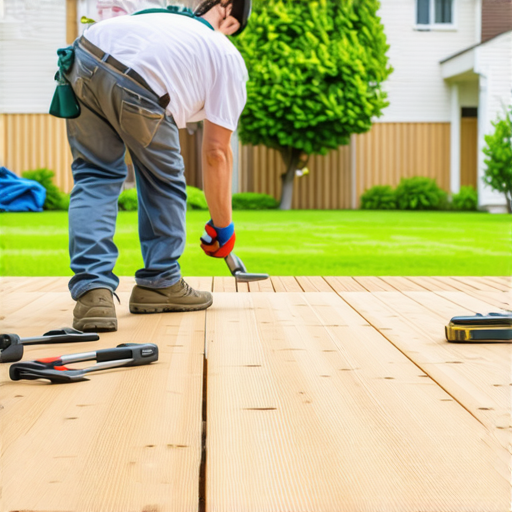

It was a warm Saturday afternoon when I first realized I had underestimated my deck’s capacity. Friends arrived, laughter filled the air, and everyone eagerly gathered around my backyard table. Suddenly, I noticed a slight creak underfoot—my heart sank. That moment was a lightbulb turning on: I had no clear idea how much weight my deck could really handle, especially with a crowd in tow. If you’ve ever faced that nerve-wracking question—”Is my deck safe for my big family BBQ?”—you’re not alone.
Why Knowing Your Deck’s Weight Capacity Can Save Your Summer
Every deck is like a living organism; it has its limits. Overloading can lead to dangerous structural issues, costly repairs, or worst of all, accidents. I learned this the hard way early in my DIY journey. I assumed that if the deck held up for casual weekend get-togethers, it could handle anything. That was a mistake. Properly understanding your deck’s weight limits isn’t just about safety—it’s about peace of mind and creating a space where memories can be made without worry.
Is Deck Capacity Just Overhyped? Myths vs Reality
Some folks dismiss weight limits as just a technicality, but I learned that overlooking them can have serious repercussions. I once added a heavy outdoor furniture set without confirming if my deck could support it. The result? A small sag that made me question my entire project. This mistake taught me to always verify my deck’s load capacity before expanding its use. To learn more about ensuring your deck’s foundation is sound, check out this guide on deck post stability.
Now, I want to help you avoid the same pitfalls. Today, we’ll explore how to assess and respect your deck’s weight limits properly—so you can host large gatherings confidently without the fear of disaster.
,
Lock Down Your Deck’s Foundation
Start by inspecting your deck’s structural elements. Examine the ledger board, support posts, beams, and joists for signs of damage, rot, or instability. I once noticed a wobble in my support post during a routine check, which prompted me to reinforce the footing. Ensuring each component is solid prevents miscalculations in weight capacity and extends your deck’s lifespan. For more detailed tips, visit this guide on ensuring verticality and stability.
Calculate Your Deck’s Load Capacity
Identify Lumber and Hardware Strengths
Determine the grade and species of your decking material, as some woods are stronger than others. For example, pressure-treated pine has different load limits than composite alternatives. Cross-reference with manufacturers’ specifications or local building codes. When I built an outdoor dining area, I checked these details meticulously, which saved me from future sagging issues. Use the deck board density comparison for guidance.
Consult Local Building Codes and Guidelines
Always verify your deck’s maximum load with local regulations. In Needham, building codes specify minimum support requirements based on size and purpose. I initially underestimated the importance of this step when I added a larger-than-expected hot tub on my deck, risking overload. Checking these codes beforehand prevents costly repairs or safety hazards.
Measure and Calculate the Actual Load
Estimate the weight of furniture, people, and accessories you plan to add. For instance, a full dining set with a few guests can easily add 500–700 lbs. I once hosted a party where I didn’t account for the weight of all the guests and furniture, which led to noticeable sagging. To avoid this, add up individual weights or consult a professional for precise calculations. Use online calculators or reference load-bearing requirements to help.
Reinforce and Modify for Extra Support
If your calculations approach the upper limit, consider reinforcing your deck. Adding support braces, thicker supports, or upgrading hardware can improve load capacity. Once, I installed additional beams under my deck to support a hot tub, which provided peace of mind and safety. When upgrading, do comprehensive checks on post stability and verticality.
Plan for Future Loads and Periodic Checks
Remember that your needs may change; hosting larger gatherings or adding new equipment increases the total weight. Make a habit of scheduling regular inspections, especially before big events. I set a reminder annually to reassess my deck’s condition, ensuring safety over time. Regularly reviewing your deck’s load capacity, especially if you make modifications, keeps your outdoor space secure and functional.
Many homeowners assume that hiring a local deck builder in Needham guarantees a flawless project. However, what often goes unnoticed is the nuance behind selecting the right professional. While reviews and portfolios are visible markers, the real complexity lies in understanding the builder’s expertise in specific materials and design requirements. For example, a common misconception is that all deck builders are equally experienced with modern, sustainable materials like composites. In reality, some specialize in traditional woodwork, which might not suit your eco-friendly or low-maintenance preferences.
Another overlooked aspect is the importance of familiarity with local building codes and zoning laws. A contractor well-versed in Needham’s regulations can prevent costly revisions and ensure timely approvals. Skimping on this knowledge can lead to project delays or violations, potentially compromising safety and legality.
Also, beware of the ‘one-size-fits-all’ mentality. Many assume that standard packages cover all needs, but customizing your deck—such as integrating smart features or designing for year-round comfort—requires specific expertise. For instance, incorporating environmental controls or advanced lighting systems demands a builder with specialized skills, such as those who know about smart deck features in 2026.
One critical trap is neglecting the ongoing maintenance and inspection knowledge that experienced builders have. A LEADING mistake homeowners make is trusting a builder who doesn’t emphasize long-term upkeep, which is vital for durability. Regular assessment of posts, joists, and surface materials can prevent minor issues from escalating.
Finally, don’t overlook the importance of the builder’s ability to adapt to future needs. As families grow or interests shift, your deck might require renovations or extensions. An expert will plan with scalability and flexibility in mind, considering features like custom pergolas or adaptable layouts.
Let’s remember: choosing the right deck builder in Needham is about more than just affordability; it’s about expertise in nuanced areas that safeguard your investment. Have you ever fallen into this trap? Let me know in the comments.Maintaining your deck’s integrity over the years requires a combination of the right tools, consistent methods, and a proactive approach. Personally, I swear by a few key pieces of equipment and software that keep my deck in top shape, ensuring safety and aesthetics for the long haul. One essential tool I use is a high-quality digital moisture meter. It allows me to monitor the moisture content of the wood, preventing rot before it becomes visible. Regularly using it, especially after harsh weather, helps me catch issues early. Additionally, I rely on a cordless power washer with adjustable pressure settings. This device enables me to clean surfaces thoroughly without damaging the wood, which I’ve found critical for preserving the finish and preventing mold build-up. I prefer models with variable nozzles; for instance, the turbo nozzle I use provides effective cleaning with controlled power. Downloading a decking maintenance app, like Deck ToolKit, has also become an essential part of my routine. It provides reminders for sealing, cleaning, and inspections, and even tracks weather conditions to help plan maintenance tasks. In the future, I predict that smart sensors embedded in decks will become more popular, offering real-time health monitoring of structural components—reducing the risk of sudden failures.
The Hard-Earned Wisdom of a Deck Enthusiast
One of the most valuable lessons I learned about deck safety came after I underestimated my deck’s capacity during a lively gathering. That experience taught me the importance of inspecting every support and reinforcement, turning what could have been a disaster into a catalyst for knowledge. Sometimes, the biggest breakthroughs happen when we confront our mistakes head-on, transforming them into practical insights for a safer outdoor space.
Another revelation was realizing how much I depended on DIY guides and community advice, yet overlooked the importance of professional assessments. Trusting experts, especially for complex load calculations and structural evaluations, can save time, money, and most importantly, prevent accidents. Integrating professional audits into my routine gave me peace of mind and elevated the quality of my deck maintenance.
Lastly, I discovered that embracing a proactive mindset—regular inspections, reinforcement upgrades, and staying updated on local codes—keeps my deck resilient against changing weather and usage patterns. The true lesson? Safety isn’t a one-time task but an ongoing commitment. By prioritizing continuous care, you safeguard your family, your investment, and your peace of mind.
Tools and Resources That Changed My Approach
Over the years, I’ve relied on select tools and references that genuinely transformed my deck management game. First, a high-quality digital moisture meter is indispensable for early detection of rot or mold. It’s a small investment that pays off by preventing major repairs down the line. I also swear by a cordless power washer with adjustable nozzles, which allows me to keep surfaces clean without damaging the wood—a simple yet effective maintenance hack.
For planning and reminders, the Deck ToolKit app has become my virtual assistant, guiding me through sealing, inspections, and weather considerations. Additionally, I keep a well-thumbed copy of local building codes and the best practices for reinforcing support posts, which I found through trusted sites like this comprehensive guide. These resources are reliable because they blend expert knowledge with local regulations, ensuring my efforts are both effective and compliant.
Lastly, I follow industry blogs and community forums, where real homeowners share real experiences—lessons that often save me from costly mistakes. For example, learning about innovative reinforcement techniques from fellow Needham residents has helped me adapt my deck for future loads with confidence.
Seize The Opportunity to Elevate Your Deck Safety
Taking care of your deck is an act of love—protecting your family and enhancing your outdoor living space. With a proactive attitude and the right tools, you can create a safe haven that lasts for decades. Remember, every inspection and reinforcement is a step toward enjoying worry-free gatherings and peaceful afternoons on your backyard retreat. Now’s the perfect time to start or refine your safety routine; don’t wait for a mishap to remind you of its importance.
Have you ever struggled with assessing your deck’s support or deciding when to upgrade? Share your experiences below or ask your questions. Together, we can build safer, more enjoyable outdoor spaces for everyone.
.