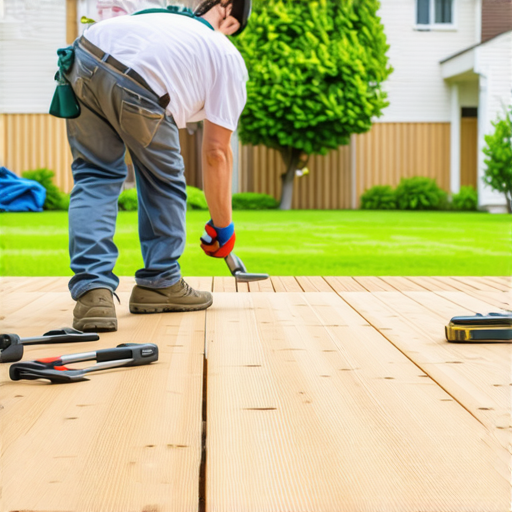

Ever had that heart-stopping moment where you step onto your deck during a rainy day, only to realize it’s more slip-and-slide than a safe haven? I remember the first time I experienced this firsthand. I was excited to lounge outside, coffee in hand, when a sudden drizzle transformed my beautiful composite deck into a miniature skating rink. Not fun. That lightbulb moment made me dig into why some composite decks become slicker when wet and what I could do about it.
Dealing with Slippery Decks: What’s the Real Culprit?
Composite decking has become a popular choice for homeowners like us—durable, low-maintenance, and stylish. But many of us face the frustrating reality that these surfaces can turn hazardous in rain or even in mornings dew. So, why does this happen?
The main issue lies in the **material’s slip resistance**. Some composites tend to become slick when moist because their surface finishes or the specific blend of materials don’t provide enough grip. Many manufacturers add a smooth finish to enhance appearance, but this can backfire by decreasing friction. Additionally, dirt and algae can accumulate in the tiny crevices, creating a slippery, algae-covered layer that’s just waiting to cause a fall.
Early on, I made the mistake of thinking that choosing a reputable brand would automatically solve these problems. Turns out, not all composite decks are created equal when it comes to safety. I also overlooked the importance of slip-resistant coatings or textured surfaces—and that’s a mistake you’ll want to avoid.
If this sounds familiar, trust me, you’re not alone. Many homeowners face this issue, especially those who enjoy the look of smooth decking but don’t want to compromise on safety. The good news? There are simple, effective ways to keep your deck safer without sacrificing style. As we progress, I’ll share some tried-and-true solutions that worked for me and can work for you too.
In the meantime, if you’ve faced slippery surprises on your deck after rain, leave a comment below. I’d love to hear your experiences and what solutions you tried.
Let’s get to the heart of fixing this issue—because everyone deserves a beautiful, safe outdoor space. Want to know how to make your composite deck less slippery? Stick around, because I’ve gathered some effective tips and tricks specially tailored for your needs.
Apply Anti-Slip Coatings for Instant Safety
One of the quickest solutions I tried was applying an anti-slip coating on my deck surface. Think of it as giving your porch a second skin that’s textured enough to grip barefoot or with shoes. Before applying, I cleaned the deck thoroughly using a deck cleaner to remove dirt, algae, and grease, ensuring the coating adheres properly. I used a roller for even application, following the product’s instructions carefully. The result? A noticeably safer surface that maintained its appearance. For more options, check out best fasteners for coastal weather as these often include slip-resistant features.
Texturize Surface with Non-Slip Tape or Mats
If you prefer a DIY, budget-friendly fix, consider adding non-slip tapes or adhesive strips to high-traffic or slippery spots, especially on stairs. Think of this as adding tiny tires to your deck steps; it dramatically increases friction. I installed non-slip tape on my stair risers, but make sure to clean the surface thoroughly before application for durability. For larger areas or comfort, outdoor rugs with rubberized backing work well. Remember, regularly cleaning these mats prevents dirt accumulation that can make surfaces slick again. This approach is especially useful in the early spring when morning dew makes surfaces wet and hazardous.
Choose Textured Composite Decking Options Naturally Resistant to Slipping
When initially selecting composite decking, I overlooked surface texture, trusting brand reputation alone. Later, I realized that some products come with textured surfaces designed for extra grip. Think of it as choosing a sneaker with tread versus a smooth dress shoe; the trajectory changes dramatically. I switched to a textured composite board, which naturally reduced slipperiness during rainy days. For future projects, I recommend visiting how to choose between a deck and a patio to understand what materials and textures suit your needs best.
Maintain Your Deck Regularly to Prevent Slippery Build-Up
Routine cleaning is vital. In my experience, algae and dirt are the main culprits making decks slick over time. I schedule bi-weekly moss and algae control, using eco-friendly solutions that are safe for plants. A stiff-bristle brush combined with a garden hose keeps the surface clean and dry, especially after rain. This simple habit prevents slippery layers from forming, saving you from potential falls. For more eco-conscious options, see why composite decks are eco-friendly.
Consider Installing Safety Features for Peace of Mind
Finally, for stairs or steep sections, installing handrails or guardrails adds a physical barrier preventing slips and providing support. I upgraded my deck with sturdy, stainless steel handrails, making sure they are securely anchored. For added visibility and safety, you might incorporate lighting or reflective tape along edges. These enhancements transform your deck from merely stylish to genuinely safe, so you can enjoy it year-round without fear. If you’re contemplating larger upgrades, exploring signs of a top-tier deck builder can help ensure quality workmanship.Many homeowners in Needham believe that choosing a local deck builder automatically guarantees quality and safety. But in my experience, this assumption can lead to costly mistakes. The hidden nuance is that not all local builders adhere to the same standards—some cut corners to save costs, which impacts the durability and safety of your outdoor space. A common myth is that a builder’s reputation alone suffices; however, comprehensive vetting, including reviewing their past projects and certifications, is crucial.
One trap to avoid is relying solely on online reviews without personally checking references or visiting previous worksites. Sometimes, malicious reviews or overly positive testimonials can mislead, giving a false sense of security. I’ve seen clients invest in a project only to discover subpar craftsmanship later, which could have been prevented with better due diligence.
For advanced homeowners wondering how to spot quality work, consider inspecting the builder’s adherence to local codes and standards, such as those outlined in Needham’s [common deck code violations](https://deckbuildersneedham.com/common-deck-code-violations-found-in-needham-homes). A reputable builder will not only follow these regulations but also proactively suggest enhancements for safety and longevity.
Let’s talk about the importance of material expertise. Many assume that any composite or wood material is suitable for all needs, but nuances in material selection can drastically affect performance. For example, understanding the difference between PVC and composite decking in terms of fade resistance and UV durability, backed by industry studies, can inform better choices. Expert advice, like that found in guides on [comparing deck materials for 2026](https://deckbuildersneedham.com/the-truth-about-pvc-vs-composite-decking-in-2026), is invaluable.
Another critical aspect is project management skills. An overlooked detail is how well the builder plans the project timeline, communicates updates, and manages unforeseen issues—things your typical ‘handyman’ might not handle properly. This expertise ensures your deck is built efficiently, adhering to budget and schedule, reducing frustrations.
Finally, I urge you to consider sustainability and eco-friendliness. A true expert will recommend eco-friendly composites or sustainable wood sources, aligning with Needham’s commitment to green practices, as detailed in [why composite decks are more eco-friendly in 2026](https://deckbuildersneedham.com/why-composite-decks-are-more-eco-friendly-in-2026).
Have you ever fallen into this trap? Let me know in the comments. Remember, selecting a skilled and conscientious deck builder is about more than proximity—it’s about expertise, integrity, and a shared vision for your outdoor sanctuary.Maintaining a beautiful and safe deck requires the right tools and a bit of know-how. Over the years, I’ve honed my toolkit to ensure every part of my deck stays in excellent condition, from cleaning to repairs. One staple in my arsenal is a high-quality power washer, specifically a pressure setting around 1,500 PSI. This setting is powerful enough to remove dirt and algae without damaging composite surfaces, especially when combined with a wide-angle spray nozzle. I also prefer a deck brush with stiff bristles for scrubbing stubborn grime and a deck-specific cleaner that’s eco-friendly—it’s gentler on plants and crucial for Needham’s lush gardens. For quick repairs, I keep a tube of durable epoxy filler and a heat gun to smooth out scratches or minor gouges in composite boards, which prevents further deterioration and maintains aesthetics. For sealing and re-coating, I rely on a high-quality roller and brush set, along with a slip-resistant deck coating that I apply carefully following manufacturer instructions to ensure even coverage and longevity. Looking ahead, I believe automation and smart maintenance systems might soon make routine checks easier—imagine sensors that alert you when your deck needs cleaning or repairs. How do I maintain my deck over time? Regular inspections are key. I set a bi-monthly schedule to look for loose fasteners—checking with a magnetic screwdriver helps identify hidden issues early. I also keep an eye out for weather-related damage, especially in the rainy seasons, which are frequent in Needham. Using a moisture meter, like the Extech MO55, I verify that the wood or composite isn’t absorbing excess moisture that could lead to warping or mold. Upgrading to hidden fasteners, for instance, can also enhance safety and reduce trip hazards, as discussed in detail on this insightful resource—why hidden fasteners improve deck safety. Regular cleaning with eco-friendly solutions, combined with preventive measures like applying anti-slip coatings, keeps my deck looking fresh and secure. I recommend you start by investing in a good quality pressure washer set at the right PSI and a moisture meter to monitor the health of your decking materials. Using these tools consistently will extend the life of your deck, saving you money and time on costly repairs. Remember, the key to long-term success is routine maintenance backed by the right equipment. Don’t wait for visible damage—be proactive in your upkeep to enjoy a safe, gorgeous outdoor space for years to come.
The Hidden Lessons I Discovered About Deck Safety
One of the most eye-opening moments in my deck journey was realizing that even premium composite materials aren’t foolproof against slipperiness. I learned that surface texture and maintenance play crucial roles—trusting brand reputation alone can be a trap, as I once did. Also, I discovered that proactively incorporating slip-resistant coatings or textured boards dramatically reduces hazards, transforming safety from an afterthought to a foundational feature. My biggest takeaway? Regular upkeep and mindful material choices save you from costly, dangerous slip-ups down the road.
Tools and Resources That Changed My Approach
If you’re serious about keeping your composite deck safe and gorgeous, these resources are invaluable. First, a quality pressure washer set to about 1,500 PSI helps me clean without damaging surfaces—more than enough to remove grime and algae. I also rely on a moisture meter to monitor how well my decking materials are resisting moisture, preventing unseen damage. For enhancing safety, I trust hidden fasteners because they provide a smooth surface and reduce trip hazards. Investing in these tools means less risk and more enjoyment.
Turning Experience into Confidence for Your Deck Style
Joining the dots between design, safety, and durability took me years, but now I see every deck as an evolving project. If you’re contemplating upgrades, consider exploring whether a deck or patio fits your lifestyle best. Remember, the best decks combine beauty with resilience—think textured composite options and eco-friendly choices that stand up to Needham’s weather. My advice? Don’t settle for style alone; safety, longevity, and eco-consciousness should be part of your decision-making process. Your outdoor space can be both a stunning retreat and a safe haven, if you choose wisely and maintain consistently.