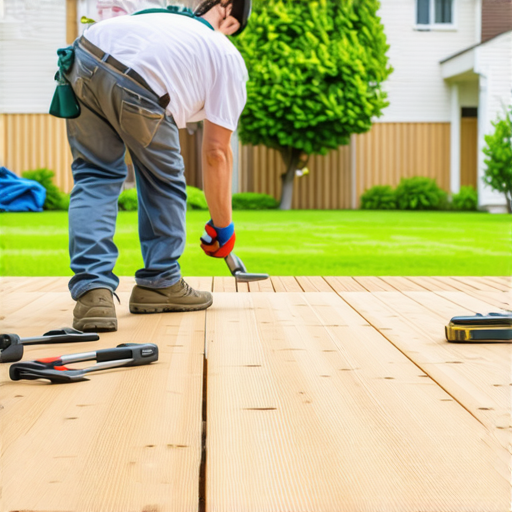
I remember the first time I stepped onto my newly built deck and noticed its squeaky, loose boards. Instead of a sturdy platform, it felt more like a balancing act. That lightbulb moment made me realize: I hadn’t paid enough attention to how the fasteners were installed. Fasteners might seem like a minor detail, but they play a huge role in your deck’s safety and longevity.
Why Choosing the Right Fasteners Can Prevent Disasters
Everyone wants their outdoor space to be safe and inviting. Missing or poorly installed fasteners can lead to loose planks, which not only ruin the aesthetic but pose serious safety risks—trip hazards, falling boards, or structural failures. Over time, exposed fasteners that become corroded or interfere with proper drainage can accelerate deck rot and decay. In my early days of deck building, I made the mistake of using cheap nails instead of the recommended hidden fastener systems. That quick fix turned into a costly repair, and I learned a vital lesson about maintenance and safety. If you’re curious about how to address loose deck boards or ensure your joists are secure, check out this guide on fixing loose railings and wobbling balusters.
Will Hidden Fasteners Really Save Your Deck?
Some folks wonder if hidden fasteners are just a flashy upgrade or if they genuinely make a difference. The key advantage is that they eliminate protruding nails or screws, which can catch onto clothing or cause splinters. Additionally, hidden fasteners create a cleaner look and distribute the holding power more evenly. But perhaps most compelling is that they help prevent moisture from seeping into the gaps around traditional fasteners, reducing the risk of rot and decay—crucial factors for durability. According to a study by the National Center for Biotechnology Information, moisture intrusion is a leading contributor to wood deterioration. Using the right fasteners can make or break the lifespan of your deck.
So, have you faced problems with loose or rusty fasteners? If so, you’re not alone. But don’t worry—next, I’ll guide you through how to choose, install, and maintain hidden fasteners for a safer, longer-lasting deck.
Select the Right Fasteners for Your Deck
Start by evaluating the type of fasteners suitable for your chosen decking material. For composite or cedar decks, hidden fastener systems like clip-style connectors or screw-fastening clips are ideal. When I renovated my Needham backyard deck, I selected stainless steel hidden clips to prevent rust and ensure durability. Visit this guide on hidden fasteners to get familiar with your options.
Measure and Prepare Your Deck Surface
Before installation, thoroughly inspect your deck boards to confirm they are clean, dry, and free of debris. Use a tape measure or a chalk line to mark where each fastener will go, ensuring even spacing. In my experience, marking the positions saved me from misaligned fasteners that can cause squeaks. Proper preparation minimizes waste and enhances the final look.
Install Fasteners with Precision
Align each clip with your markings and secure them into the joists using the recommended screw length and type. Use a drill with a clutch to prevent overdriving. When I installed my deck’s hidden fasteners, I found that a slow, steady press yielded the best results—avoiding damage to the clips or boards. Be sure to keep the fasteners flush to prevent protrusions that cause splinters or trip hazards.
Use a Spacer for Consistent Gaps
Maintaining uniform gaps between boards is key for drainage and expansion. Use a 1/8-inch spacer to set the distance as you work. During my deck upgrade, I kept a handful of spacers handy; it made the entire process quicker and more visually appealing. Consistent gaps also reduce the risk of moisture entrapment that can accelerate rot.
Check and Secure Fasteners Regularly
After installation, walk the deck deck and listen for squeaks or feel for loose boards. Tighten any loose fasteners with a screwdriver. For ongoing maintenance, schedule seasonal checks. I learned this the hard way when I ignored loose fasteners, which led to creaking sounds and uneven surfaces. Regular inspections can catch issues early and prolong your deck’s lifespan.
If you notice persistent issues like loose boards or wobbling, consider reviewing your fastening method or replacing worn fasteners. For more on maintaining your deck’s integrity, explore this quick fix guide.
Keep Fasteners Protected from Elements
Choose corrosion-resistant fasteners, such as stainless steel or coated options, to withstand weather exposure. Applying a protective sealant over installed fasteners adds an extra layer of defense. During my project, sealing the fasteners helped prevent rust, preserving the deck’s aesthetic and safety.
Mastering these installation steps ensures your deck remains safe, functional, and visually appealing for years to come. Regular maintenance and selecting quality fasteners are the secrets to a long-lasting outdoor space.
Most homeowners assume that hiring a deck builder in Needham is as simple as choosing the lowest bid or relying solely on online reviews. But in my experience, there are nuanced misconceptions that can lead to costly mistakes and unsatisfactory results. One common myth is that all deck builders follow the same standards and use similar materials; this couldn’t be further from the truth. Quality craftsmanship and attention to detail vary widely, especially when it comes to nuances like proper fastener installation or moisture management.
Why Do Some Deck Builders Fail to Meet Expectations Despite Good Reviews?
Many clients overlook the importance of verifying a contractor’s expertise in advanced techniques such as controlling wood expansion or ensuring proper drainage—factors critical for long-term durability. For example, skipping proper ventilation or misjudging load-bearing requirements can lead to structural issues that aren’t immediately visible but may manifest over time. According to a study by the National Center for Biotechnology Information, moisture intrusion and improper load management are leading causes of deck failures. These are advanced nuances that experienced Needham deck builders rigorously address to avoid future disasters.
Beware the Hidden Traps When Selecting a Deck Builder
One of the most common pitfalls is neglecting to ask detailed questions about the installation process and materials used—assuming that a high initial price guarantees quality. I learned this the hard way when a contractor promised a ‘quick install’ without considering the local climate, which can dramatically affect the lifespan of outdoor structures. For instance, selecting the right low-maintenance decking and properly sealing fasteners can extend the life of your deck, but only if the builder understands these nuances. Explore this deck maintenance plan for 2026 to appreciate how proactive management is essential.
Another often-overlooked aspect is the importance of a comprehensive build plan that incorporates future modifications, such as adding a built-in kitchen or privacy screens—features that increase usability and value. Failing to plan for these from the outset may result in costly modifications later. Ensure your contractor discusses these details upfront, and don’t be afraid to ask for examples of past work where they handled similar complexities.
How Can You Identify an Expert Deck Builder in Needham?
Look for a contractor with a proven track record in advanced projects, not just basic installations. Seek references that confirm their expertise in handling complex designs or challenging climates. For instance, experienced local builders understand how Needham’s weather patterns influence material choices and fastening techniques. They are well-versed in the latest building codes and safety standards, which is crucial given the evolving landscape of deck regulations. To prepare, review articles on the latest design trends and ask potential builders how they incorporate such innovations into their work. Have you ever fallen into this trap? Let me know in the comments.
Maintaining a beautiful and functional deck requires the right tools and a proactive approach. Over the years, I’ve tested various equipment to ensure my outdoor space remains safe, durable, and inviting. One of my essential tools is a high-quality cordless drill with an adjustable clutch, which allows me to tighten or loosen fasteners without damaging delicate materials. I prefer models with brushless motors for greater longevity and power efficiency—they make replacing hardware or installing new fasteners much smoother, especially when working at odd angles or tight spots.
Another underrated asset is an electric or gas-powered pressure washer. Regularly cleaning your deck with a suitable pressure washer removes grime, moss, and algae that can accelerate decay. I recommend setting the PSI to around 500-600 for wood decks to avoid surface damage, and always use a fan-type nozzle to distribute water evenly. Combining this with eco-friendly deck cleaners helps preserve the wood fibers and prolongs the deck’s lifespan.
Power Up with Smart Maintenance Accessories
I’ve found that using a moisture meter, like the Tramex MRH-2, provides real-time insights into your deck’s internal moisture levels. This allows for targeted interventions before issues like rot or mold become serious concerns. Checking the moisture content regularly, especially in the early spring or after heavy rains, helps plan timely sealing or repairs. In my experience, staying ahead of moisture infiltration significantly reduces long-term costs and prevents unexpected structural failures.
Stay Ahead with Software for Deck Care Planning
If you prefer digital solutions, maintenance apps such as Home Depot’s Deck Maintenance Planner or custom spreadsheets can serve as reminders for sealing, staining, and inspections. It might seem simple, but scheduling seasonal checklists ensures you don’t overlook crucial upkeep tasks. I personally use a combination of calendar alerts and a dedicated notebook to track repairs, replacing worn fasteners, or updating protective coatings. Consistent monitoring and timely maintenance turn a basic deck into a long-lasting outdoor haven.
Where is the Future of Deck Maintenance Moving?
Emerging trends point toward integrating smart sensors embedded within decking materials that can send real-time moisture readings and stress reports directly to your phone. This technology could revolutionize how homeowner maintenance plans are executed, enabling rapid response to potential issues. As these innovations become more affordable, I predict a shift toward fully automated monitoring systems that empower homeowners to keep their decks in optimal condition without constant manual checks.
How do I maintain my deck equipment and tools over time?
Proper storage is key to extending the lifespan of your tools. Keep power tools dry and clean after each use, and periodically lubricate moving parts—following manufacturer instructions—to prevent rust and wear. For measuring devices like moisture meters, store batteries out of sight to avoid corrosion. Investing in quality storage solutions, such as weatherproof tool bins or wall-mounted organizers, makes maintenance more manageable and keeps your equipment ready for the next project. Regularly calibrating your tools ensures accurate readings, which is vital for proactive deck care. I also recommend testing your fasteners periodically with a torque wrench to ensure they maintain proper tension—especially if your deck is exposed to temperature fluctuations, which can cause expansion and contraction.
By equipping yourself with the right tools and adopting a consistent maintenance routine, you’ll extend your deck’s lifespan dramatically. Plus, scheduled inspections, combined with the insights from smart devices, make preservation more straightforward than ever. Why not start by trying out a moisture meter to assess your deck’s current health? This small step can reveal underlying issues before visible damage occurs and save you money in the long run. For more advanced maintenance strategies, check out our comprehensive deck maintenance plan for 2026.
The Hardest Lesson I Learned About Deck Builders Needham
One of my most valuable lessons was realizing that overlooking the details in fastener selection can cost you dearly. Properly installed, corrosion-resistant fasteners transform your deck from a fleeting project into a lifelong sanctuary. Skipping this detail almost led me to structural failure—an experience I wouldn’t wish on anyone.
Tools That Elevated My Decking Game
Investing in quality tools like a brushless drill with an adjustable clutch and a high-pressure washer made the installation process more precise and less stressful. These tools weren’t just accessories; they became game-changers in ensuring safety and durability. I trust brands like Milwaukee and Karcher because they’ve proven their reliability during my projects.
Sealing the Deal: Protecting Your Investment
Using stainless steel fasteners in conjunction with a robust sealant shielded my deck from moisture and rust. These small steps extend your deck’s life and maintain its beauty. My tip: don’t skimp on the protective layer—it’s your first line of defense against time and weather.
Final Musings: Elevate Your Deck Experience
Choosing the right fasteners and tools isn’t just about safety; it’s about creating a space that reflects your commitment and care. Every detail adds up to a remarkable outdoor area that stands the test of time. Remember, your deck isn’t just a platform—it’s an extension of your home and your lifestyle. Ready to make your deck the envy of Needham? Dive deeper into this guide to learn how to perfect your deck-building journey.
Have you ever faced a surprising challenge with deck fasteners? Share your story below—I love hearing about real-world experiences that help us all improve!
This article really highlights the importance of choosing high-quality fasteners for deck safety and longevity. I recall a project I worked on where using cheaper fasteners led to early rusting and squeaks within just a couple of seasons. It was a good reminder that investing in corrosion-resistant, hidden fasteners not only improves appearance but also saves money in the long run by preventing issues like rot or loose boards. I’ve found that regular inspections and applying sealant over fasteners further enhances durability. Has anyone here tried integrating smart sensors or moisture meters into their deck maintenance routine? I’ve been considering using a moisture meter to catch issues before they become major problems, especially with our unpredictable New England weather. It seems like tech like that could really change how homeowners approach upkeep and avoid costly repairs down the line. Would love to hear if others have had success with these modern tools.