
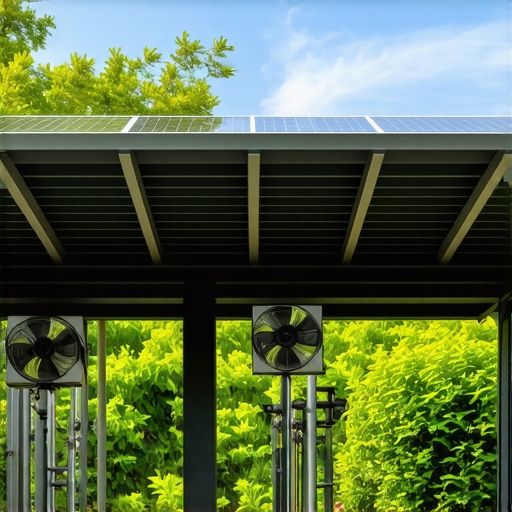
I remember the first summer after building my deck in Needham. The mornings were perfect, but by late afternoon, an oppressive heat would build up beneath the deck, making it uncomfortable and even unusable during the hottest days. It was a lightbulb moment—I realized that without proper ventilation, my under-deck area was turning into a neglected, sweltering mess. Have you ever faced that same frustrating issue, where your outdoor space feels more like a sauna than a lounge? Today, I want to share how adding solar-powered fans transformed my under-deck area into a cool, inviting retreat, and how you can do the same.
Why Ventilation Beneath Your Deck Can Make or Break Your Outdoor Living Experience
There’s something about the space under a deck that often gets overlooked—until it becomes a problem. Without adequate airflow, heat and humidity accumulate, leading to moisture buildup that can cause wood rot, promote mold growth, and attract pests like carpenter ants. Not to mention, a hot, stuffy space defeats the purpose of having an outdoor oasis.
I made the mistake early on of ignoring the importance of ventilation. I assumed that shade alone would keep it cool—big mistake. Over time, I noticed paint peeling and wood warping, signs that moisture was wreaking havoc. It became clear that air circulation was the missing piece. Then I stumbled upon solar-powered fans, which promised a low-cost, eco-friendly solution. Installing them was surprisingly simple, and the results? Night and day.
If you’re tired of battling unbreathable, damp conditions beneath your deck, installing solar fans can be a major upgrade. These fans harness sunlight, so there’s no need for wiring or electricity bills, making them perfect for most Needham homes. Plus, their eco-friendly nature aligns with modern sustainable practices, which are becoming increasingly important for homeowners.
Before diving into the installation, it’s worth understanding some common pitfalls. Early in my experience, I underestimated how critical proper placement was. Positioning the fans too close to obstructions or in shaded spots reduced their effectiveness, a mistake I learned the hard way. For detailed guidance, check out my post on [how to protect your new deck during construction](https://deckbuildersneedham.com/how-to-protect-your-new-deck-during-construction), which offers insights into maintaining your deck’s longevity.
In the next sections, I’ll walk you through the practical steps to select the right solar-powered fans, install them effectively, and enjoy a cooler, healthier space beneath your deck. Let’s get started on turning that underused area into your favorite outdoor haven.
Choose the Right Solar-Powered Fans for Your Space
During my own project, I started by identifying the key features I needed, such as size, airflow capacity, and weather resistance. I visited local home improvement stores and checked online reviews to shortlist models. Opt for fans with adjustable speeds and corrosion-resistant components, especially in Needham’s humid climate. Remember, a fan that’s too small won’t move enough air, while an oversized one may be noisy and waste energy. I selected a set of four compact solar fans, each with a 12-inch diameter, which provided ample ventilation without overwhelming the space.
Prepare the Installation Site
Before mounting the fans, I cleared the area beneath the deck of debris and checked for obstructions like joists or plumbing that could interfere. Using a ladder and a flashlight, I inspected the existing ventilation gaps and marked the ideal locations for installing the fans. To maximize solar exposure, I positioned them on the south-facing side, where they would receive direct sunlight throughout the day. I also ensured there was enough clearance around each fan for proper air intake and exhaust. For detailed information on reinforcing your deck, see using post sleeves to protect your deck from rot.
Mounting the Fans Efficiently
Using a drill and the hardware included, I began by drilling pilot holes into the wooden surface, ensuring to avoid joists or wiring. I attached the mounting brackets firmly, tightening all screws to prevent vibration. For stability, I used weatherproof sealant around the mounting points, which also helped prevent water infiltration. If your deck has a protective coating or stain, be careful not to damage it during installation. When I installed my fans, I made sure to test the alignment to ensure optimal airflow. Proper mounting is crucial; misaligned fans can produce less airflow and create noise. Consider reading about eco-friendly staining options here.
Connect and Position for Maximum Effect
Most solar fans operate autonomously, but I checked that each unit’s solar panel was unobstructed and facing the sun directly. I tilted panels slightly upward if necessary to catch more sunlight during peak hours. I turned on the fans and observed their operation, adjusting their placement to optimize airflow. If your fans have wiring for optional battery backup or speed controls, follow the manufacturer’s instructions. After a few days, I noticed a significant reduction in heat and humidity beneath the deck. Placement is key—later, I added some lightweight mesh screens to direct the airflow more precisely and prevent debris from entering the units. For additional tips on maintaining your deck’s longevity, see post cap lighting.
While many homeowners assume that choosing the cheapest materials or following generic templates ensures a successful deck project, the real nuances lie beneath the surface. One widespread myth is that all deck builders operate the same way, but in my experience, specialized expertise in local conditions like Needham’s climate makes a significant difference. Overlooking that can lead to costly mistakes, such as inadequate drainage, which causes wood rot and shortens your deck’s lifespan. Another common misconception is that visible design features are more important than underlying structural integrity. Skimping on foundational elements may result in safety hazards or the deck’s failure over time. A subtle but critical point many miss involves understanding local permit processes; neglecting permit requirements can cause delays or legal issues, as detailed in my post about needham building permits. Advanced homeowners recognize that nuanced details—like proper joist spacing, correct use of post sleeves to prevent rot, or eco-friendly stains—are essential for a durable, sustainable deck. It’s not just about aesthetics; it’s about longevity and safety. Additionally, some believe that hiring a general contractor suffices for deck construction, but specialists in deck building bring targeted knowledge on materials, local bugs like carpenter ants, and climate-resilient designs. For instance, I always recommend reviewing the latest composite decking profiles, which have evolved significantly and are now pet-friendly and low-maintenance, as discussed on popular profiles. Avoid falling into the trap of assuming that all projects can be rushed; proper planning, including understanding humidity’s impact on wood longevity, as explained in my detailed guide, ensures superior results. Remember, the devil is in the details—overlooking them can compromise your investment. To truly get it right, engage with experts who understand the intricate local nuances and stay updated on industry best practices. Have you ever fallen into this trap? Let me know in the comments.
Maintaining Your Deck with Precision and Care
Keeping your deck in excellent condition over the long haul requires more than just occasional cleaning. It involves using the right tools, adopting effective maintenance methods, and understanding when to upgrade or scale your decking features. One of my go-to tools is a magnetic deck inspection mirror. I personally use this to check for hidden signs of rot or loose fasteners in hard-to-see areas, which helps me catch issues early before they escalate. Additionally, a good cordless power drill equipped with various screwdriver bits streamlines tasks like tightening loose screws or replacing damaged boards. These tools not only save time but also prevent damage that might occur from improper handling.
For cleaning, I recommend a high-pressure washer with adjustable settings, but I caution against using too high pressure, which can damage wood fibers. I set mine to a gentle yet effective level for regular cleaning. To maintain the aesthetic appeal of your deck, especially regarding stains and sealants, a reputable deck staining system is invaluable, ensuring even application and longer-lasting results.
Looking ahead, emerging trends in deck maintenance include the integration of smart sensors that monitor moisture levels and structural integrity in real-time, as discussed in expert sources like JL Clark’s comprehensive review of deck tech. While still in the early stages, these innovations promise to revolutionize how we care for our outdoor spaces, making upkeep more proactive and less labor-intensive.
How do I keep my deck maintenance running smoothly over time?
Developing a routine is key. Schedule semi-annual inspections using your mirror and a sturdy ladder to check for signs of deterioration or pest activity. Invest in quality sealants and stains that are eco-friendly and suited for Needham’s climate, like those discussed in this article. Regularly cleaning the deck surface with a soft-bristled brush and mild detergent helps extend its lifespan. Also, consider applying a protective coating after cleaning to prevent moisture ingress and UV damage. For more advanced maintenance strategies, upgrading your tools periodically ensures efficiency and precision, making your deck look great and last longer as you scale up your outdoor living plans.
Reflecting on my journey with deck projects in Needham, I realize that the real game-changer was embracing the nuances of airflow and maintenance. The hurdles I faced early—mold buildup, warping, and pest invasions—taught me invaluable lessons that no generic tip could provide. Implementing solar-powered fans not only improved the airflow beneath my deck but also deepened my understanding of the importance of localized solutions tailored for our humid climate. This experience underscored a timeless truth: authentic deck longevity springs from attention to detail, a mindset I hope to pass on to fellow Needham homeowners.
Sneaky Lessons Needham Deck Builders Keep Quiet About
- Timing Matters More Than You Think: Waiting for the perfect season to install ventilation can save you headaches later. My mistake was rushing in spring, only to face overcast days; patience with sun-exposure planning made all the difference. This subtle insight, often overlooked, is key in our climate.
- Placement Is Everything: Positioning solar fans on shaded sides reduces effectiveness. I learned that a south-facing setup harnesses the sun’s power best, which directly influences cooling success. It’s not just about equipment—it’s about strategic positioning based on local sunlight patterns.
- Underlying Structures Impact Ventilation: Weak joists or obstructed vents can nullify your efforts. Regular inspections revealed that neglecting structural health undermined my ventilation. It’s a vital lesson in marrying airflow improvements with building integrity.
Tools and Resources That Changed My Approach
- High-Quality Solar Fans: Investing in durable, weather-resistant fans with adjustable speeds paid off, enabling me to fine-tune airflow as needed. For this, I trust brands reviewed in dedicated home improvement guides.
- Magnetic Deck Inspection Mirror: This simple yet powerful tool helped me detect hidden rot and loose fasteners early, preventing bigger problems down the line. Regular checks with it are now part of my maintenance routine.
- Eco-Friendly Sealants and Stains: Products like those discussed in this article have kept my deck protected without harming the environment. Choosing the right coatings extends your deck’s lifespan and aligns with sustainable practices.
- Reliable Local Readings on Climate Impact: Staying informed about Needham’s humidity and weather patterns via local sources helps plan maintenance and upgrades proactively, which I consider essential for any homeowner serious about deck care.
If You’re Ready to Elevate Your Deck Game
Transforming your Needham deck into a resilient, inviting space is more than a project—it’s a commitment to quality and longevity. With attentive ventilation, strategic planning, and using trusted tools, you’re well on your way to creating an outdoor haven that endures. Remember, the devil truly is in the details, and every step you take today sets the foundation for years of enjoyment. So, why wait? Your perfect deck experience is within reach—start turning your ideas into reality now!
What’s been your biggest hurdle in maintaining or upgrading your deck? Share your story below—I’d love to hear your insights!