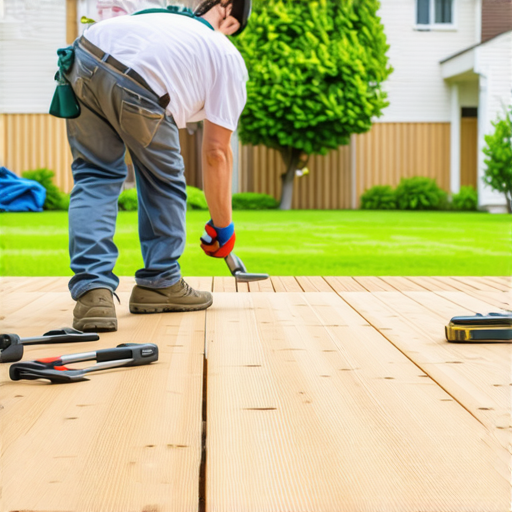
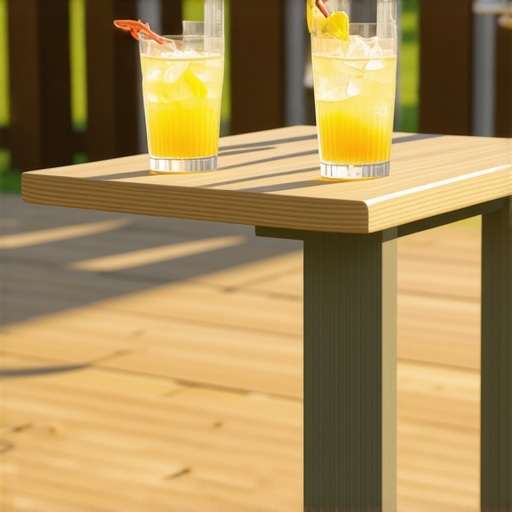
I vividly remember the first summer after I built my deck. Friends gathered, drinks in hand, but I couldn’t help but feel a little embarrassed every time someone reached for their glass and struggled to keep it steady. I realized, suddenly and sharply, that my deck was missing something crucial — a simple, functional feature that would make outdoor entertaining effortless: a drink rail. That lightbulb moment sparked a quest for a solution that wouldn’t break the bank but would genuinely enhance the space.
Will a Drink Rail Really Make a Difference?
Let’s be honest—many of us have limited budgets when it comes to home improvements. Yet, we still crave that perfect outdoor space where gatherings flow smoothly. A well-designed drink rail not only prevents spills but also adds a touch of sophistication to your deck. It’s a small feature that offers big convenience, making your outdoor gatherings more enjoyable and less stressful.
In this post, I’ll walk you through an affordable, effective way to add a drink rail to your deck. Whether you’re a seasoned DIYer or just starting out, I’ll share practical tips based on my experience—and I’ll point out common pitfalls to avoid. Trust me: skipping proper planning can turn this simple upgrade into a costly mistake.
But before we dive into the nuts and bolts, you might be wondering: is installing a drink rail really worth the effort? Won’t it look out of place or interfere with the deck’s aesthetic? I hear you. When I first considered it, skepticism was on my mind. It’s easy to think that such a feature is more functional than stylish, or that it’ll be too complicated to add later.
In my early days of deck building, I made a mistake I’d advise you to avoid: rushing into a solution without considering the existing structure or style. For instance, I almost installed a heavy, bulky rail that ended up clashing with my deck’s modern look. To prevent this, I recommend exploring the right materials and design that complement your space.
Want to see how to do it without overspending or sacrificing style? Stick with me. We’ll explore step-by-step how to create an attractive, sturdy drink rail that fits your budget. Plus, I’ll share insider tips on choosing materials—like eco-friendly preservative-treated wood or composite options—that ensure your new feature stands the test of time.
Ready to elevate your outdoor space? Let’s start by understanding the key considerations and planning the perfect spot for your new drink rail.
Measure and Plan Precisely
Start by determining the ideal length and height of your drink rail. Use a tape measure to mark where you want the rail to sit, typically about 36 inches from the deck surface for comfortable access. Remember, accurate measurements prevent future frustration and ensure functionality—once, I mistakenly installed mine too high, which made reaching drinks awkward; reworking it was a lesson in precision.
Select the Right Materials for Durability
Choose weather-resistant materials like composite, pressure-treated wood, or eco-friendly preservatives(see options). Personally, I opted for eco-friendly pressure-treated pine, which offered a good balance of cost and longevity. Avoid untreated softer woods that warp or rot quickly, especially in Needham’s climate. For fasteners, go for stainless steel or those designed for high-salt environments(see fasteners) to prevent corrosion.
Build a Framework for Support
Attach vertical supports or brackets securely to the existing deck framing. Use a level to keep your supports straight; a wobbling rail looks unprofessional and can be unsafe. I attached mine directly to the joists with heavy-duty brackets, ensuring the structure could handle regular bumps and leanings—think of it as anchoring a boat to prevent unwanted drifting.
Secure the Top Rail
Position your chosen rail on supports, then fasten it with the appropriate hardware. Pre-drill holes to avoid wood splitting. Mirror the method used in my early project, where a loose attachment caused wobbling—redoing it with proper pre-drilling and quality fasteners made all the difference, providing stability and safety.
Finish with a Clean Look
Sand down rough edges and apply a weatherproof sealant or stain to protect your investment(see refinishing products). I used a semi-transparent stain that matched my deck’s color, giving it a polished appearance. Adding lighting or decorative elements along the rail can enhance aesthetic appeal—an upgrade I recommend for stylish outdoor entertaining.
Focus on Safety and Compliance
Check local codes for height and support requirements. In Needham, safety railings must adhere to specific standards, including height and load capacity. Installing a properly supported and compliant rail not only looks professional but also safeguards your loved ones. Regular inspections and tightening fasteners keep it secure over time(see safety guidelines).
When it comes to hiring a deck builder in Needham, many homeowners operate under assumptions that can lead to costly mistakes. One widespread misconception is that all deck contractors are equally skilled, which isn’t necessarily true. In reality, the expertise and specialization of a builder significantly impact the outcome, especially when dealing with unique local conditions like high-salt environments. Choosing a contractor without verifying their experience in such conditions can result in premature deterioration of your deck, despite initial low costs. For instance, using the wrong fasteners or materials can accelerate corrosion, but this common oversight can be avoided by consulting resources like the deck builders Needham site for quality fasteners suited for high-salt areas.
Another myth is that DIY techniques can replace professional craftsmanship entirely. While DIY projects are fulfilling, they often overlook critical nuances such as proper load calculations or code compliance, which are crucial for safety and longevity. Advanced mistakes like misjudging the load capacity of your deck structure highlight the importance of expert evaluation. An expert knows to *prevent issues before they start*, ensuring your deck remains safe and durable over time. According to industry expert Bob Rylee, a professional assessment can save up to 50% in repair costs in the long run.
Let’s address a frequently asked question:
Are inexpensive materials worth sacrificing quality for savings?
Opting for cheaper, low-grade materials might save money upfront but can lead to frequent repairs and replacement—costing more in the long term. High-end, durable materials such as pressure-treated wood or composite decking can be more expensive initially, but they offer superior longevity and resistance to environmental stressors common in Needham. Checking out the cost comparisons at cost of composite vs. IPE can help inform your choices.
Furthermore, many overlook how critical proper maintenance is. Regular inspections, like those recommended in the Needham deck maintenance guides, prevent problems from escalating. Ignoring signs of wear or neglecting protective finishes can diminish your investment, leading to premature degradation and safety hazards. A systematic approach to maintenance, including refinishing with the best deck sealers, ensures your deck remains a showcase of your home for years.
Finally, beware of the trap of rushing through permits and inspections. Skipping permits might seem like saving time, but it exposes you to legal liabilities and safety violations. Local regulations in Needham emphasize detailed compliance for structures like safety railings, which if overlooked, could result in fines or dangerous accidents. As advised in the Needham permit guides, always prioritize proper documentation and inspections.
In conclusion, peeling back the layers of misconceptions reveals that expertise, material choice, maintenance, and compliance are more critical than most realize. Do you think you’ve fallen for any of these myths? Let me know in the comments! Remember, a little knowledge and attention to detail can save you time, money, and frustration in your deck project.
Ensuring your deck remains in top condition over the years requires more than just quality materials; it demands the right toolkit and maintenance routines. Personally, I rely on a blend of specialized tools to keep my Needham deck looking pristine and functioning safely. First and foremost, a digital moisture meter is invaluable. I use it regularly to monitor wood moisture levels, preventing mold and rot—issues prevalent in our humid climate. By checking moisture content, I can determine the best time to refinish or re-seal surfaces, extending the deck’s lifespan.
Second, a high-quality power washer with adjustable pressure settings is essential. I prefer models with adjustable nozzles because they enable me to clean surfaces thoroughly without risking damage. Proper cleaning removes dirt and mildew, particularly around areas prone to moisture accumulation. When combined with eco-friendly deck cleaning solutions, like those found in Needham-specific preservatives, my deck stays healthier longer.
Maintenance also involves inspection tools. A good set of binoculars allows me to survey the entire deck from a distance, catching issues like loose fasteners or warped boards early. When I detect a problem, I use a torque wrench to tighten screws and hardware precisely, ensuring safety and stability. For more stubborn areas, I keep a deck repair kit on hand, including wood fillers and sealants tailored for outdoor use.
Looking ahead, advancements in smart monitoring devices might soon allow us to track deck health remotely, sending alerts before significant issues emerge. Companies are developing sensors that measure structural vibrations or moisture levels, which could be game-changers for proactive maintenance. According to industry trends outlined in 2026 deck technology reports, integrating such smart tools will make deck care more efficient and less time-consuming.
How do I maintain my deck over time? I recommend a regular schedule: monthly cleaning, quarterly inspections, and annual refinishing. Applying a high-quality sealant, like those reviewed in latest refinishing products, guards against moisture and UV damage. Keep fasteners tight and replace any warped or rotted boards promptly. Implementing these steps ensures your deck remains a beautiful, functional part of your home for years.
Don’t overlook the importance of using the right fasteners—stainless steel or those approved for high-salt environments (check out fastener guide)—to prevent corrosion and structural failure. By combining proper tools and routine care, you’ll be able to enjoy a safe, stunning outdoor space that stands the test of time. I encourage you to try incorporating a moisture meter into your maintenance routine—it’s a small investment with big benefits.
Adding a drink rail to your deck isn’t just about preventing spills—it’s about creating a space where memories are made, laughter flows freely, and your outdoor space truly feels like an extension of your home. Over the years, I’ve realized that the smallest touches—like a thoughtfully designed drink rail—can elevate your entire outdoor experience, making every gathering feel special and effortless.
Embracing this upgrade taught me that attention to detail isn’t just about aesthetics; it’s about fostering comfort and safety. When I finally installed mine, I noticed the way it subtly directed conversations and kept drinks securely in place, even during lively moments. It became the quiet hero of my backyard, proving that sometimes, simple solutions deliver the most impactful results.
My journey also underscored the importance of patience and proper planning. Rushing a project or choosing the wrong materials can turn a sleek addition into a maintenance nightmare. By investing a little time upfront—measuring precisely, selecting durable, eco-friendly materials, and adhering to safety standards—you ensure your drink rail remains a beautiful, functional part of your deck for years to come.
Ultimately, creating a dedicated space for beverages encourages more outdoor gatherings, strengthens relationships, and turns your deck into the heart of your home. It’s a reminder that sometimes, the most meaningful enhancements are those that combine practicality with style—making every summer evening, barbecue, or quiet sunset a little more perfect.
Don’t wait to transform your outdoor space into a welcoming retreat. With careful planning and a dash of creativity, your new drink rail can become the centerpiece of countless joyful moments under the open sky.