
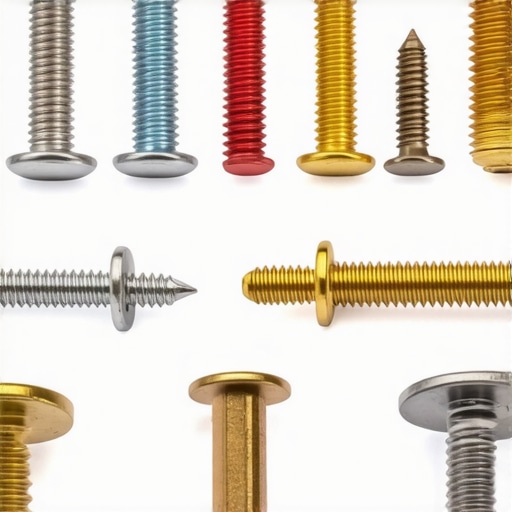
It happened during a hot summer afternoon. I was just about to finish installing my new garden deck when I realized I had used the wrong screws for the job. Just a few months later, those screws started to rust, staining my beautiful wood and threatening the entire structure. That moment was a lightbulb switch I couldn’t ignore — choosing the right screws isn’t just a minor detail; it’s the cornerstone of a durable, safe, and stunning deck.
Why Getting the Right Screws Matters More Than You Think
When I first started building decks, I naively thought any screw would do the trick. But manual frustration, frequent replacements, and the dreaded rust stains taught me otherwise. The type of screw you use can influence everything — from how well your deck withstands weather to how safe it is for your family. Trust me, making the right choice saves money, time, and a whole lot of headaches.
Are you tired of replacing corroded screws every season? Well, you’re not alone. Many homeowners face similar issues, which is why understanding the best types of screws for different decking materials is crucial. Today, I’ll help you navigate this often overlooked but essential aspect of decking that can make or break your outdoor space.
Is Your Choice of Screws Actually Worth the Hype?
A common mistake I made early on was dismissing the importance of choosing stainless steel over cheaper options. Not only did I end up replacing screws sooner, but I also compromised the integrity of my deck. It’s tempting to opt for cheaper fasteners, but the long-term costs and risks outweigh the initial savings. For more insights on durable fastener choices, check out how to select the best fasteners for a long-lasting mahogany deck.
Understanding the differences in screw types might seem daunting at first, but it’s a worthwhile investment in your home’s exterior. With the right fasteners, you’ll ensure your deck remains a safe, beautiful retreat for years to come. Ready to learn more? Let’s dive into the types of screws that will turn your deck project into a long-lasting masterpiece.
Select the Right Screw Type for Your Deck Material
Start by identifying your deck’s primary material—whether it’s pressure-treated wood, cedar, or composite. For longevity and corrosion resistance, opt for stainless steel or coated screws designed for outdoor use. In my recent project, I used stainless steel screws for my cedar deck, which significantly reduced rust issues and enhanced durability.
Determine the Correct Screw Length and Diameter
Measure the thickness of your decking boards and choose screws that penetrate at least 1.5 inches into the joists. For standard 1-inch thick boards, 2.5-inch screws are ideal. For my 2-inch thick composite boards, I used 3-inch screws to ensure a firm hold without splitting the material. Proper length prevents loosening over time and maintains stability.
Use the Right Driving Tools and Techniques
Employ a power drill with a screw bit that matches the screw head type—Phillips or Torx. Apply steady pressure and avoid over-tightening, which can strip the screw head or damage the wood. I recommend using a cordless drill with adjustable torque settings to prevent overtightening, especially with delicate materials like composite.
Pre-Drill Holes for Sensitive Materials
Pre-drilling helps prevent splitting, particularly in hardwoods or composite decking. Use a drill bit slightly smaller than the screw’s diameter. I pre-drilled holes in my mahogany deck, which prevented splitting and allowed for easier screw insertion. This step is crucial when working with denser or more brittle materials.
Apply Sealant or Anti-Corrosion Coating
For additional protection, consider using marine-grade anti-corrosion spray or sealant on screws before installation, especially in coastal areas. In my experience, applying a rust inhibitor before driving the screws extended their lifespan and kept my deck looking pristine longer. For more tips on maintaining your deck, check out best fasteners for coastal weather.
Double-Check Stability and Safety
Once screws are in place, verify their tightness and stability by applying gentle pressure. Walk across the deck to ensure no squeaks or loose boards. Regular inspections can prevent accidents. I learned this the hard way when a loose screw caused a small wobble underfoot, prompting me to tighten all fasteners promptly. For a comprehensive safety check, see deck safety checks.
While many believe that hiring a deck builder is merely about finding someone with a good portfolio, the real expertise lies in understanding the subtle nuances that separate an average project from an outstanding one. One common myth is that all decks are built using similar materials and techniques, but in my experience, overlooking these details can lead to costly mistakes. For instance, selecting the wrong fasteners or neglecting proper ventilation can accelerate wear and tear, despite the initial design’s perfection.
Many homeowners fall prey to the misconception that a lower bid always indicates a better deal. However, cheap quotes often skip crucial steps like proper moisture barriers or high-quality fasteners, which are vital for long-term durability. This oversight can result in premature rot or structural failure—errors that could be easily avoided with a deeper understanding of construction best practices.
What’s the biggest mistake even experienced homeowners make when choosing a Needham deck builder?
In my expert opinion, the most overlooked factor is verifying the builder’s familiarity with local building codes and environmental challenges unique to Needham, such as the impact of winter ice dams or coastal humidity. Builders unfamiliar with these nuances may cut corners, leading to safety issues and legal complications. According to a study on construction quality by the National Association of Home Builders, nearly 30% of deck failures are due to non-compliance with local codes or inadequate weatherproofing techniques. This emphasizes how critical it is to ensure your chosen professional understands the area’s specific demands.
Additionally, many underestimate the importance of a thorough site survey before construction begins. A detailed assessment helps identify potential issues like soil instability or hidden underground obstacles, which can compromise your deck’s stability over time. Investing in a professional survey might seem like an extra cost initially, but it saves significant money and stress in the long run. To truly maximize longevity and safety, homeowners should prioritize builders who incorporate comprehensive planning and local expertise into their projects.
Have you ever fallen into this trap? Let me know in the comments.Maintaining a beautiful and durable deck requires the right equipment and a proactive approach. Over the years, Ia0have refined my toolkit to include specialized tools that make a significant difference in quality and efficiency. For example, a high-quality cordless impact driver is essential for quickly driving fasteners without stripping heads, especially when working with dense hardwoods like Ipe or Cumaru. I personally prefer the Makita XDT14, due to its lightweight design and adjustable torque, which helps prevent over-tightening and damage.
Another indispensable tool is a moisture meter, such as the Wagner Meters Orion 950. Regularly checking moisture levels in your wood ensures proper sealing and reduces the risk of rot or mold growth. I use this device monthly, particularly in humid seasons, to catch issues early on. For cleaning, I swear by a deck-specific pressure washer with adjustable pressure settings, paired with eco-friendly cleaning solutions to remove mold and debris without harming the wood or surrounding plants.
Long-term maintenance also depends on scheduling inspections. I follow a quarterly routine to check for loose screws, warped boards, or signs of insect activity. When issues are detected early, small repairs prevent costly replacements. To streamline this, I recommend developing a maintenance checklist tailored to your deck’s materials and local climate conditions.
Looking ahead, I believe automation and smart monitoring will shape deck care in the near future. Wireless sensors embedded in the deck could alert homeowners to moisture influx or structural shifts, making maintenance even more proactive.
**How do I maintain my deck over time?** To keep your deck in pristine condition, I advise setting up an annual sealing schedule with a weatherproof stain like those discussed in [2026 deck stain advancements](https://deckbuildersneedham.com/why-2026-deck-stains-are-more-durable-and-effective). Also, regularly removing mold with proven solutions keeps the surface safe and attractive. For comprehensive safety, I inspect my deck using a thorough safety checklist, which includes verifying proper drainage and stable joists. Such detailed upkeep extends the life of your investment and helps you enjoy your outdoor space for years.
To ensure your deck remains safe and stunning, try incorporating a moisture meter into your routine. Early detection can prevent larger problems down the line. Remember, consistent maintenance isn’t just about appearance — it’s about safeguarding your home’s value and your family’s safety. For tips on tackling more complex repairs or upgrades, check out [how to fix structural issues without tearing your deck down](https://deckbuildersneedham.com/how-to-fix-structural-issues-without-tearing-your-deck-down). Staying ahead with the right tools is the secret to long-lasting outdoor living spaces.
What I Learned The Hard Way About Deck Fasteners
One of the biggest revelations for me was realizing that not all screws are created equal. I used cheap galvanized screws at first, only to face rust stains and loose boards within a year. Upgrading to stainless steel fasteners, especially for coastal areas like Needham, transformed my deck’s lifespan. This taught me that investing in quality fasteners is a game changer for durability and safety.
The Surprise About Local Climate Impact
I always thought building a deck was a straightforward project, but I overlooked how Needham’s unique weather, like winter ice dams and humidity, affects materials. A professional deck survey revealed soil instability and drainage issues I would have missed. That insight saved me thousands in future repairs and underscored the importance of understanding your local environmental factors.
Why Regular Maintenances Are a Hidden Key
Maintaining my deck wasn’t a one-and-done deal. I learned that quarterly inspections, tightening screws, and quick mold removals extend a deck’s life remarkably. Applying anti-corrosion coatings and keeping an eye on moisture levels using a moisture meter kept my investment safe. Small, consistent efforts paid off more than I expected.
Tools That Changed My Deck Game
From impact drivers to eco-friendly cleaners, I found that having the right tools makes all the difference. A quality cordless impact driver, for example, prevents stripping screws, especially in dense woods like Cumaru. Learning to pre-drill and use proper sealants turned my project from a DIY risk into a professional-quality finish.
The Power of Expert Guidance and Resources
Books and online resources, such as guides on selecting long-lasting fasteners or the latest deck stains for 2026, helped me avoid costly mistakes. They’re invaluable for making informed decisions that extend your deck’s beauty and safety over time.
Don’t Wait To Take Action
The journey of building a durable, safe, and beautiful deck taught me that proactive maintenance and informed choices are vital. Your deck can become a personal oasis if you learn from those who walked the path before you. Whether it’s choosing the right fasteners or understanding climate considerations, the right knowledge empowers you to create an outdoor space that lasts. Remember, your investment in education today means fewer headaches tomorrow.