

I remember the moment vividly—standing on my deck, feeling that familiar itch in my eyes and a nagging cough that wouldn’t go away. It hit me like a ton of bricks: I had no idea that the stain protecting my outdoor space might be harming my family’s health. That lightbulb moment sparked a deep dive into non-toxic decking options, and let me tell you, the search was full of surprises.
Confronting the Real Risks of Conventional Deck Stains
For years, I followed the advice of the local hardware store, grabbing the most affordable stain that promised a quick refresh. I didn’t realize that many traditional stains contain volatile organic compounds (VOCs), which can off-gas for years and contribute to respiratory issues and other health problems—especially for families with kids and pets. According to the Environmental Protection Agency (EPA), VOCs released from certain paints and stains can lead to headaches, dizziness, and even long-term health risks if not properly managed.
Early on, I made the mistake of ignoring the labels and not researching the ingredients. I trusted that ‘deck stain’ was safe enough for outdoor use. That oversight led to persistent fumes and, worse, questions about the long-term safety of my deck’s finish. The good news? There’s a better way, and it starts with understanding what makes a stain non-toxic and how to choose the safest options for your home.
Is Going Non-Toxic Overhyped or Really Worth It?
One of my biggest fears was that non-toxic stains wouldn’t stand up to the Massachusetts weather—think harsh winters and humid summers. I was skeptical that a safer product could provide the durability I needed. Turns out, with advances in eco-friendly formulations, many non-toxic stains now match or even surpass traditional products in longevity and performance. It’s worth noting, though, that not all products are created equal, and doing a little homework can save you headaches down the line.
Identify and Select Safe, Non-Toxic Stains
Start by researching products labeled as eco-friendly or low-VOC, which have undergone independent testing for safety. Visit your local hardware store and read ingredient labels diligently; avoid stains containing petroleum-based chemicals or artificial fragrances. I once spent an afternoon at a specialty store, comparing labels for hours before finding a brand that promised durability without harmful fumes. The result was a beautiful, healthy finish that didn’t irritate my allergies.
Compare Formulations and Durability
Look for water-based options with natural oils or plant-based solvents. These absorb better into the wood, providing long-lasting protection—comparable to traditional stains. I experimented with two brands on different sections of my deck; the eco-friendly one initially looked less vibrant but proved to withstand Massachusetts snow and rain after a year. Testing different formulations helps ensure you pick a product that balances safety with performance.
Prep Your Deck for a Safe Finish
Before applying any stain, clean your deck thoroughly. Use a non-toxic cleaner and a stiff-bristled brush to remove dirt, mold, and old finish residues. This step is crucial because contaminants can prevent proper absorption and compromise longevity. I once neglected this, and the stain didn’t adhere well, leading to peeling within months. Proper preparation is like priming an artist’s canvas—set your foundation for lasting results.
Sand and Repair Imperfections
Lightly sand the surface with fine-grit sandpaper to open the wood pores and remove splinters. Fill any cracks or holes with eco-friendly wood filler. I spent a Saturday filling gaps and sanding my deck, which made the finish appear smoother and more uniform once stained. Think of it as giving your deck a spa day—what you put in improves what you get out.
Apply Non-Toxic Stain Correctly
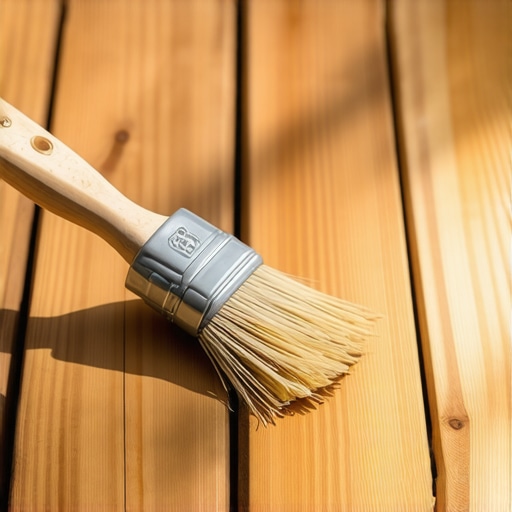
Use a high-quality brush or roller designed for water-based stains. Work in the shade or during a day with low humidity to prevent uneven drying. Apply in thin, even coats, following the wood grain—imagine painting a portrait where only gentle strokes matter. During my first attempt, I hastily applied thick coats on a windy day, resulting in streaks and blotches. Patience with application yields a professional look.
Follow Proper Curing and Ventilation
Allow at least 24-48 hours for the stain to cure fully before walking on or placing furniture. Keep the area well-ventilated to prevent lingering fumes, even with non-toxic formulas. I opened windows and set up fans to speed up the process, ensuring my family would be safe returning to the deck faster. Proper curing solidifies the protective layer and ensures maximum safety benefits.
Maintain Your Eco-Friendly Finish
Regularly clean your deck with a gentle, non-toxic cleaner—avoid harsh chemicals that can degrade the stain or harm plant life. Reapply a light coat every couple of years, especially before the harsh seasons, to keep the protection at peak levels. I created a maintenance schedule that included bi-annual cleaning and annual inspections; this habit extended the life of my deck’s finish significantly.
By following these meticulous steps, you guarantee your outdoor space stays safe, vibrant, and sustainable for years to come. Remember, upgrading to a non-toxic stain isn’t just about aesthetics—it’s about protecting your loved ones from hidden toxins while enjoying your beautiful deck.
 Many homeowners assume that hiring a local deck builder in Needham is a straightforward process—simply check reviews, pick the lowest bid, and get started. But in my experience, this common approach often overlooks critical nuances that can make or break your project. One widespread myth is that all deck builders are equally skilled, which simply isn’t true. The reality is that craftsmanship, attention to detail, and knowledge of local climate considerations set the professionals apart. For instance, a seasoned builder understands the importance of properly supporting the joist system; an error here can lead to structural issues down the line. For advanced insights, I recommend reviewing how to select the correct joist size, which is a crucial detail often overlooked by amateurs.
Another trap homeowners fall into is assuming that inexpensive materials equal savings in the long run. While using less costly options may seem appealing initially, it can lead to higher maintenance costs or early deterioration. Skilled Needham builders know how to balance quality with budget constraints, ensuring durability without overspending. Also, many forget that local zoning laws and permits can vary significantly; overlooking these regulations can cause legal headaches or project delays. A professional builder’s familiarity with these requirements, like the ‘Needham deck codes’ and regulations, can save you time and money.
Let’s tackle a common question:
Why do some decks, even when built well, develop issues over time?
This often relates to improper drainage and ventilation—two factors that influence the lifespan of any outdoor structure. Poor airflow beneath a low-profile deck, for example, can trap moisture, fostering rot and mold. A detailed ventilation strategy, discussed here using advanced laser leveling techniques, ensures longevity. Moreover, many forget that choosing the right fasteners is critical for rust resistance and safety. For example, stainless-steel screws and hidden fasteners not only improve safety but also extend the deck’s lifespan.
Finally, personalizing your deck with features like lighting or privacy screens should be carefully planned. Many try DIY installations and end up with uneven lighting or unstable structures. Collaborating with experienced builders ensures these features are both functional and safe. Check out custom lighting designs that add style without sacrificing safety.
In conclusion, the key is not just hiring a local deck builder in Needham but choosing one with a comprehensive understanding of materials, local regulations, and advanced construction techniques. Do your homework, ask the right questions, and prioritize craftsmanship over cost alone. Have you ever fallen into this trap? Let me know in the comments.
Keep Your Deck in Peak Condition with the Right Tools
Maintaining a deck isn’t just about aesthetic appeal; it directly impacts safety, durability, and long-term performance. Having the right set of tools simplifies this process, enabling you to perform routine inspections, small repairs, and deep cleanings effectively. I personally rely on a combination of high-quality equipment and specialized software to keep my deck in top shape.
One indispensable tool I recommend is a digital moisture meter. It helps detect hidden moisture beneath the surface, preventing rot before it becomes apparent. I use the
For visual inspections, a sturdy flashlight with adjustable beam, like the
Power tools also play a significant role in maintenance. I swear by an electric orbital sander for removing old, peeling stain or smoothing out splinters. The
To keep track of maintenance schedules, I rely on project management software like Trello or Notion. Setting reminders for cleaning, inspections, and reapplications ensures nothing falls through the cracks. It’s surprising how many homeowners neglect routine upkeep, leading to deterioration that could have been easily prevented with a simple checklist.
How do I keep my deck functioning smoothly over time?
One critical aspect is employing proper drainage tools. A good-quality shop vacuum with a wet-dry feature ensures I can swiftly remove debris and standing water, minimizing mold and insect infestation risks. Additionally, installing a system of adjustable L-brackets for post supports makes future repairs straightforward without needing extensive demolition.
Looking ahead, I believe that integrating smart sensors into decks could revolutionize maintenance. Similar to smart home systems, moisture or temperature sensors could alert homeowners to potential issues before they escalate, saving time and money in the long run.
Finally, don’t underestimate the value of high-grade fasteners like hidden fasteners and stainless-steel screws. These prevent corrosion and structural failure, ensuring your deck remains safe and visually appealing for years to come. I encourage you to try one advanced tip: incorporate a moisture meter into your routine inspections. It’s a game-changer that provides peace of mind and helps prolong the lifespan of your outdoor space.
Throughout my experience with decking projects in Needham, I’ve stumbled upon invaluable insights that no amount of online research could provide. One profound realization was the significance of detailed planning—overlooking even small details like proper drainage or fastener quality can lead to costly mistakes later on. It became clear that investing time upfront saves headaches down the line.
Why Overconfidence Can Sabotage Your Deck Plans
Initially, I believed that DIY methods and basic research were sufficient. However, this overconfidence caused missteps—like choosing the wrong materials for Massachusetts weather—which compromised my deck’s longevity. I learned that consulting seasoned professionals and experts can reveal nuances that DIY guides often miss, ensuring your project stands the test of time.
Choosing Quality Without Breaking the Bank
I discovered that balancing affordability with durability is crucial. Opting for the cheapest materials or labor might seem like a cost-saver, but in reality, it often leads to more frequent repairs. Building relationships with trusted local suppliers and asking for recommendations helped me find high-quality options that fit my budget, extending my deck’s lifespan naturally.
Community: Your Best Decking Ally
Engaging with local Needham homeowners or online groups provided practical advice—like the right sealants or maintenance routines—that I wouldn’t have learned otherwise. Sharing experiences fosters a community where collective knowledge empowers better decisions, making your decking project not just an improvement to your home, but a shared journey of growth.
Actionable Steps to Elevate Your Deck Game
Real progress comes from applying what you’ve learned. Start by meticulous planning—measure twice, cut once—and invest in quality materials suited for Needham’s climate. Regular maintenance, like gentle cleaning and inspecting fasteners, prolongs deck life. Consider exploring resources like custom pergola ideas to enhance your outdoor space further. The key is constant learning and applying those lessons with confidence.