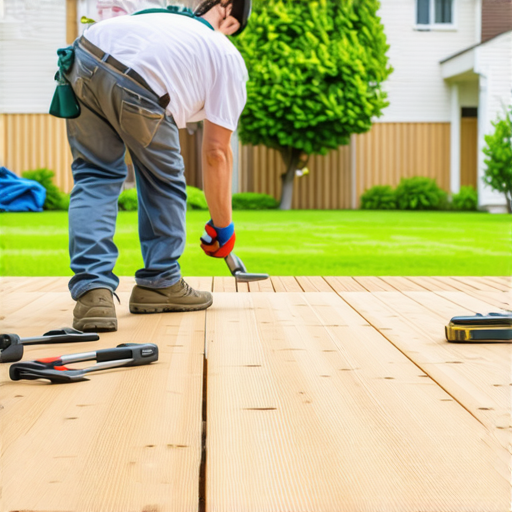

I remember the day I finally realized that choosing the right hardwood for my deck was more complicated than just picking the prettiest wood at the store. I had spent hours researching, only to end up more confused than ever. The key to making a smart choice, I learned, is understanding the subtle differences between options like Ipe, Cumaru, and Tigerwood—and how they fit into my lifestyle and climate.
Getting Real About Hardwood Choices
If you’re like me, you’ve probably faced the overwhelming task of picking decking material. You want something durable, attractive, and worth your investment. But with so many options out there, each boasting different benefits, it’s easy to make a mistake that can cost you dearly in the end. I made this exact mistake early on: I chose a wood based solely on looks without considering how it would hold up against my local weather. Turns out, that was a costly lesson.
Is Hardwood Really Worth the Hype?
Many homeowners are swayed by marketing claims and glossy photos, but the real question is whether these woods can stand the test of time and weather. I was skeptical too—can a hardwood really last decades? The truth is, not all hardwoods are created equal. For instance, Ipe is renowned for its incredible density and resistance to pests, but it can be costly and challenging to work with. Cumaru offers similar qualities at a slightly lower price, yet it may require more maintenance. Tigerwood, with its striking grain,Looked amazing but didn’t perform quite as well in my humid climate. Overcoming this confusion took research, trial, and a touch of trial and error—lessons I’ll share to help you avoid the same pitfalls.
Plus, understanding how humidity impacts wood longevity is crucial; it can dramatically reduce the lifespan of your deck if ignored. Want to learn more? Check out this comprehensive guide.
So, are you facing the decision right now and wondering which wood to choose? Trust me, the right choice depends on your specific needs, climate, and budget. Just like I did, you’ll want to weigh durability against cost, and aesthetics against long-term maintenance. That’s where this guide comes in—to help you make a confident, informed decision that ensures your outdoor space stands the test of time.
Assess Your Climate and Usage
Start by evaluating your local weather patterns—consider humidity levels, temperature fluctuations, and exposure to elements. This impacts the durability of certain woods. For example, if you experience high humidity, research how moisture affects wood longevity by exploring this in-depth guide. Next, analyze how you intend to use your deck—will it host heavy furniture, gatherings, or serve as a peaceful retreat? Understanding these factors helps determine the appropriate hardwood strength and durability.
Select the Right Hardwood Material
Compare Options with Real-World Testing
Choose a wood type by balancing cost, appearance, and resilience. I once tested Ipe arranging small samples on my driveway to see how they reacted after rain and sun exposure. I labeled each sample and observed their color retention, warping, and ease of staining over weeks. Ipe’s density proved resistant even in heavy rain, unlike Tigerwood, which showed warping in my humid climate. Doing small scale tests saves money and prevents costly mistakes.
Factor in Maintenance Needs
Some woods like Cumaru require less upkeep, but still benefit from periodic sealing. Review maintenance routines at this resource to match your lifestyle and commitment. Remember, a little upfront effort extends your deck’s lifespan significantly.
Prepare for Proper Installation
Determine Joist Spacing and Foundation
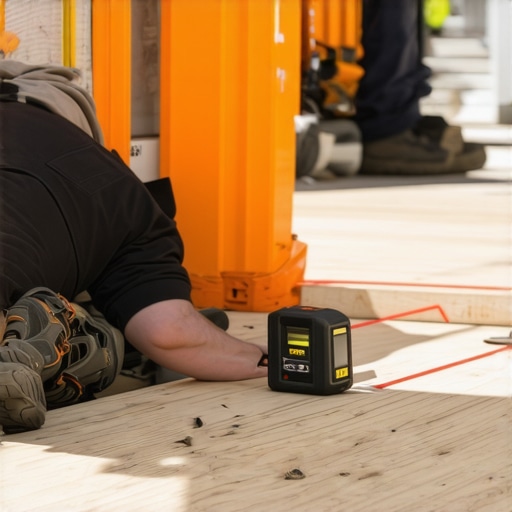
Accurate joist spacing ensures your deck supports heavy loads safely. Use a laser level to mark even lines across theFoundation and calculate optimal spacing based on your chosen wood’s span recommendations. For unstable ground, consider helical piles for stability. Mistakes here can lead to sagging or structural failure, as I learned when a poorly supported section showed signs of warping after just one year.
Use Quality Fasteners and Protective Measures
High-quality stainless steel screws prevent corrosion in Needham’s climate. For added protection, install joist tape underneath ledger boards and joists, preventing moisture intrusion. I once neglected this, resulting in early rot. Proper fasteners and taping are investments that preserve everything else, making your deck safer and longer-lasting.
Seal, Stain, and Protect Your Deck
Once installed, apply a suitable sealant tailored for your wood type and climate. For example, these top stains offer weather-resistant properties that prevent fading and cracking. Regular maintenance, including cleaning and reapplication every few years, can be the difference between a deck that ages gracefully and one that requires complete replacement.
Final Checks and Continuous Care
After installation, inspect your deck regularly. Check for loose fasteners, signs of rot, or warping. Tighten or replace hardware using techniques from this quick guide. Preventive measures, like applying anti-slip coatings and trimming nearby plants, extend its lifespan. Remember, a well-maintained deck is both Beautiful and Safe, ready for years of enjoyment and entertaining.
 When it comes to hiring a deck builder in Needham, a common misconception revolves around the assumption that choosing the lowest bid guarantees a good deal. In my experience, this couldn’t be further from the truth. Many homeowners fall into the trap of equating price with quality, but in reality, the most affordable option often lacks the necessary expertise or quality materials, leading to costly repairs down the line. One nuanced aspect that many neglect is the importance of the builder’s understanding of local climate challenges, like humidity effects on wood longevity, which can drastically influence deck durability over time. Some may think that all deck contractors are equally knowledgeable, but seasoned professionals know the subtle details, such as proper joist spacing and protective measures like joist tape, which prevent rot and structural decay, especially in humid areas—see more details on this in this guide. Additionally, not realizing the significance of compliant foundation work, such as appropriate foundation depth and support types, can lead to serious safety issues, as I learned from past projects. Remember, a true expert not only delivers a beautiful, functional deck but also anticipates hidden problems before they arise, saving you money and headaches. Upcoming homeowners should ask potential builders detailed questions about their experience with local environmental factors, and always verify references and past work. By understanding these nuances, you ensure your investment stands the test of time. Have you ever fallen into this trap? Let me know in the comments.
Keeping Your Deck in Prime Condition
Creating a durable, attractive deck is just the beginning—maintaining it over time is what truly preserves its value and safety. To achieve this, I rely on a combination of specialized tools and proactive maintenance routines that ensure my deck remains in excellent shape for years to come.
Invest in Precision Measurement Equipment
Accurate measurements are the foundation of a solid deck. I swear by a high-quality laser level—it helps me ensure that every joist and board aligns perfectly, preventing future warping or uneven surfaces. A digital angle finder is also indispensable when measuring post-to-beam connections, especially after seasons of expansion and contraction. These tools, though initially an investment, save significant time and reduce errors during repairs or upgrades.
Use Advanced Cleaning and Sealant Application Techniques
Keeping the wood clean and protected is crucial. I prefer a power washer with adjustable pressure settings—set too high, and it risks damaging the wood; too low, and it won’t remove dirt effectively. Following cleaning, I apply a high-quality, penetrating sealant with a brush applicator designed for uneven surfaces. This ensures deep absorption, extending the lifespan of the wood, especially in a humid climate like Needham’s. Explore top stains for weather resistance that work well with sealants.
Implement Damage Detection with Moisture Meters
Daily or weekly inspections are essential. I use a moisture meter to detect areas where water intrusion may be compromising the wood. This non-invasive device helps locate hidden rot or mold before it becomes visible, especially around joist hangers and ledger boards. Regular monitoring allows me to catch problems early, reducing long-term repair costs and enhancing safety.
The Trend Towards Automation and Long-Term Monitoring
Looking ahead, I believe smart technology will revolutionize deck maintenance. Wireless sensors placed in critical spots can monitor moisture levels, temperature fluctuations, and structural shifts—sending alerts directly to your phone. Companies are already working on these integrated systems, making future decks not just smarter but easier to maintain effortlessly. In the meantime, coupling manual tools with routine inspections offers a practical approach to safeguarding your investment.
How Do I Maintain My Deck Over Time?
Consistent checks using moisture meters and visual inspections are key. Additionally, scheduling annual sealing and cleaning ensures the wood resists the elements. Don’t forget to inspect fasteners, joist hangers, and protective tapes—such as joist tape—which prevent moisture intrusion. Try integrating an advanced moisture meter into your routine; it’s a game-changer in early detection and prolonging your deck’s life. As the trend moves toward smarter solutions, setting up basic sensors now can future-proof your outdoor living space, saving both time and money.
The Hardest Lesson I Learned About Deck Builders Needham
One of my most eye-opening realizations was that choosing the right hardwood isn’t just about how it looks—it’s about understanding how it performs over time in Needham’s unique climate. I once trusted a pretty piece of wood without considering humidity effects, only to see it warp within a year. Now, I know better and want to share those lessons to help you avoid costly mistakes.
3 Myths About Deck Builders Needham That Held Me Back
Many homeowners believe that lowest bids mean the best quality or that all hardwoods age similarly. I used to think that too, but after working with seasoned professionals, I understand the importance of builder experience, local environment knowledge, and material quality. Recognizing these myths helped me choose a contractor who truly understands Needham’s weather challenges, ensuring my deck’s longevity.
What Experts Won’t Tell You About Deck Builders Needham
It’s tempting to focus on aesthetics, but expert builders think about foundation depth, moisture barriers like joist tape, and proper installation techniques. These hidden details make a big difference in preventing rot and structural issues. My insight? Always ask your builder about these specifics—they’re your deck’s best defense against Needham’s humidity and weather fluctuations.
My Essential Toolkit for Deck Maintenance and Durability
Over time, I realized that tools like a high-quality laser level, moisture meter, and weather-resistant stains are game-changers. Seeing progress from regular inspections with a moisture meter helped me catch early signs of damage, saving money and extending my deck’s life. Invest in these tools—they’re invaluable for proactive deck care.
Where to Go from Here
Your journey to a durable and beautiful deck begins now. Choose materials wisely, prioritize proper installation, and commit to ongoing maintenance. Remember, the right knowledge and tools empower you to enjoy your outdoor space for decades to come. Dive into resources like this guide to deepen your understanding, and don’t hesitate to reach out for expert advice.
Your Turn to Try
Have you ever underestimated the importance of local climate considerations when selecting hardwood for your deck? Share your experience and lessons learned below—your story might help someone else avoid the same pitfalls!