
It was a sunny Saturday morning when I reached for my trusty garden hose, ready to give my deck a good clean before the summer parties started. But as I sprayed away, I noticed something alarming—my lush flower beds nearby were wilting, and some leaves looked burned. Panic set in. Had I just ruined my garden with the wrong cleaning solution? That was my lightbulb moment: I realized there’s a real art to cleaning a deck without risking my beloved plants. If you’ve ever felt that sneaky scramble of guilt when your DIY project threatens your garden’s health, you’re not alone. Today, I’m going to share my personal journey and the effective solutions I discovered to keep your deck sparkling while your plants stay happy.
Why Harmful Cleaners Are a Hidden Threat
Early in my deck cleaning adventures, I made the mistake of using harsh chemicals that promised fast results but turned out to be plant killers. I learned the hard way that many commercial cleaners contain chemicals toxic to greenery, even in small amounts. We often underestimate how easily runoff can seep into the soil, harming roots and altering soil chemistry. As I delved deeper, I found compelling evidence that eco-friendly cleaning practices aren’t just kinder to the environment—they’re more effective in the long run. For instance, using natural solutions like vinegar and baking soda, combined with proper techniques, can effectively remove grime without threatening your garden’s vitality. To better understand the importance of using proper materials, check out this article on the benefits of kiln-dried wood treatment [here](https://deckbuildersneedham.com/the-benefits-of-using-kiln-dried-after-treatment-kdat-wood).
Is It Actually Worth the Hype to Go Eco-Friendly?
Absolutely. Initially, I doubted whether natural solutions could truly match commercial cleaners. But after several failed experiments with chemical-heavy products, I switched to homemade concoctions. The results exceeded my expectations—and my plants thrived. My mistake early on was neglecting to test any cleaning agent on a small, inconspicuous area first. That moment of oversight could have cost me a beautiful garden. Now I always ensure my solutions are plant-safe—and trust me, it makes a significant difference. If you’re curious about preventing common deck issues, I recommend reading how to stop algae from returning [here](https://deckbuildersneedham.com/how-to-stop-deck-algae-from-returning-this-year). Anything similar happened to you? If so, stick around. I’ll walk you through proven, plant-friendly cleaning methods that actually work.
Gather Your Eco-Friendly Supplies
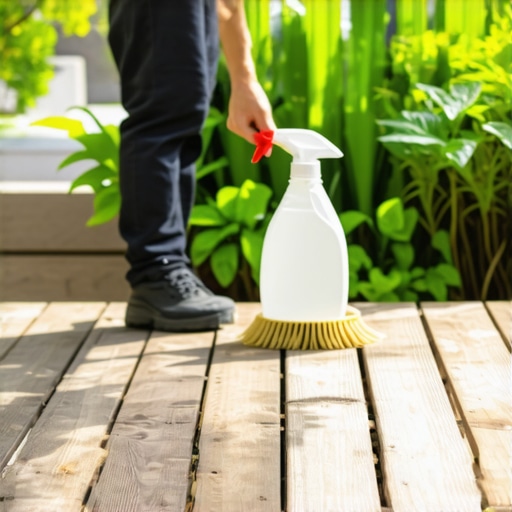
Start by assembling natural cleaning agents like white vinegar, baking soda, and a gentle dish soap. These ingredients are inexpensive, readily available, and safe for your plants. For my last project, I mixed a solution of one part white vinegar to four parts water in a spray bottle — it efficiently loosened grime without any harsh chemicals.
Pre-Treat the Deck Surface
Remove loose debris like leaves or dirt with a soft-bristled broom or leaf blower. Then, test your cleaning solution on a small, inconspicuous area of the deck to ensure it doesn’t discolor or damage the wood. During my final test, I noticed a slight discoloration on an old board, so I adjusted the vinegar concentration slightly — tailoring it to be gentler yet effective.
Apply the Cleaning Solution Carefully
Spray or pour your homemade cleaner onto the deck surface, focusing on stained or grimy areas. Use a soft-bristled brush or mop to work the solution into the wood. Be mindful of the spray direction; aim away from flower beds and greenery—this prevents runoff from reaching your plants. I found that working from one corner outward minimizes overspray onto surrounding foliage. Remember, consistency is key — let the solution sit for 10-15 minutes before scrubbing.
Use Gentle Scrubbing Techniques
Gently scrub with a deck brush or a soft sponge. Vigorously scrubbing can damage the wood and create splinters, making your deck more susceptible to future dirt buildup. When I cleaned my deck last time, I used a light circular motion, which effectively lifted dirt without harming the surface. For stubborn stains, repeat the application rather than applying more pressure.
Rinse with Care and Precision
After scrubbing, rinse thoroughly with a garden hose set to a moderate pressure. Focus the spray away from flower beds; direct the water runoff toward the lawn or a gravel path. Alert: Avoid using high-pressure washers, as they can gouge the wood and compromise its integrity. As I rinsed my deck, I used a spray attachment that let me control water flow — this prevents runoff from reaching my garden below.
Dry and Inspect Your Work
Allow the deck to air dry for several hours. Check for remaining grime or spots, and re-treat if necessary. Meanwhile, clear your flower beds of any debris and apply mulch or water high-value plants to shield them from potential runoff. Whenever I finished cleaning, I observed a noticeable glow in the wood’s surface and no harm to nearby plants, confirming the effectiveness of my careful technique.
Implement Preventative Measures
Regularly sweeping and cleaning your deck prevents grime from accumulating and reduces the need for harsh scrubbing. Consider sealing the wood with eco-friendly products to extend its life and keep it safe for your garden. For ideas on sealing and maintenance, see this guide on [The Benefits of Using Kiln-Dried After Treatment (KDAT) Wood](https://deckbuildersneedham.com/the-benefits-of-using-kiln-dried-after-treatment-kdat-wood).
 Many homeowners in Needham believe that choosing a deck builder is as simple as finding the lowest quote or someone nearby. However, this oversimplification ignores crucial nuances that can make or break your project. One widespread myth is that all deck builders use the same quality of materials; in reality, the difference between standard and kiln-dried wood, as discussed in this article about [the benefits of using kiln-dried after-treatment (KDAT) wood](https://deckbuildersneedham.com/the-benefits-of-using-kiln-dried-after-treatment-kdat-wood), can significantly impact the longevity and safety of your deck. Rushing into a contract without vetting the builder’s expertise may lead to costly mistakes, such as poor foundation work or subpar material choices. A common trap lies in focusing solely on price, neglecting how experience and specialization influence the final outcome. High-quality craftsmanship involves understanding the local climate, sun exposure effects, and proper sealing techniques — all elements that seasoned Needham deck builders master, as explained in [how to stop deck algae from returning](https://deckbuildersneedham.com/how-to-stop-deck-algae-from-returning-this-year) and [understanding the impact of sun exposure on deck longevity](https://deckbuildersneedham.com/understanding-the-impact-of-sun-exposure-on-deck-longevity).” ,
Keeping your deck in top shape requires more than just the initial build; it demands the right tools, consistent upkeep, and a strategic approach to long-term care. As a seasoned deck builder in Needham, I rely on specific equipment and methods that ensure durability, safety, and aesthetic appeal over the years. Today, I’ll share my insights on maintenance tools and how to scale these practices for ongoing success.
The Power of a Quality Power Washer
One of my most essential tools is a professional-grade pressure washer. But here’s the key: I never use it at full power—adjusting the nozzle to a medium or low setting minimizes wood damage while effectively removing dirt, algae, and old stains. The hidden fastener system becomes especially easier to maintain when debris is properly cleared, preventing corrosion and ensuring your deck’s surface stays smooth. Regular pressure washing, done correctly, can extend the lifespan of your deck significantly.
Scrubbing with Purpose
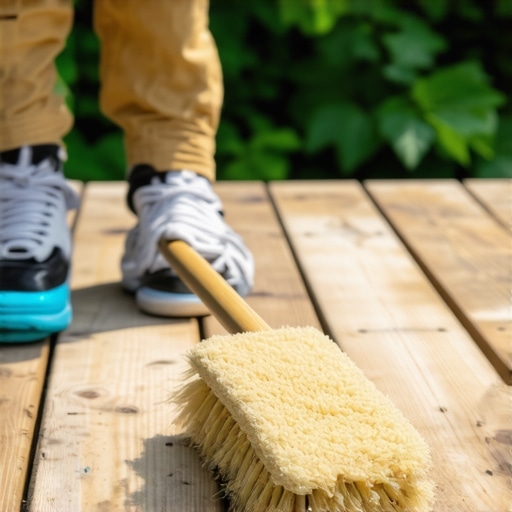
I swear by a deck-specific brush with stiff nylon bristles attached to an extendable handle. This setup allows me to reach every corner without risking personal strain or damaging the wood. I personally avoid wire brushes because they can scratch the surface, inviting moisture and rot. Using natural cleaning solutions like vinegar and baking soda combined with this brush ensures a thorough clean that’s safe for my garden—especially with your need for eco-friendly practices discussed earlier.
Sealants and Stains That Stand Up
Long-term results hinge on choosing the right sealant and stain. I prefer penetrating oils and semi-transparent stains that highlight the wood grain while offering protection against sun and moisture. For Needham’s climate, I recommend top-rated stains designed for Massachusetts weather. Applying a quality sealer every two to three years prevents water infiltration and UV damage, keeping your deck looking fresh and functional.
Maintenance Apps and Tracking
In the digital age, I leverage specialized apps to schedule maintenance and record previous treatments. This proactive approach helps avoid neglect and catches issues before they become costly repairs. Keeping detailed logs aligns with best practices, especially if you’re planning eventual upgrades or needing inspections—like the essential 2026 deck inspection checklist. These tools make it easier to stay consistent and ensure your deck’s health over time.
Optimizing for the Future
Looking ahead, trends point toward smart technology integration—think sensors that monitor moisture levels or UV exposure. Installing these in your Needham deck can provide automated alerts when maintenance is due, taking the guesswork out of upkeep. As innovations continue, the combination of durable materials like kiln-dried wood, advanced sealants, and intelligent monitoring will redefine long-term deck management.
How Do I Maintain Deck Safety and Longevity Over Time?
Consistent inspection using a detailed checklist, and routine application of appropriate sealants and cleaning tools, are your best defense against deterioration. Remember, the right equipment—such as a gentle pressure washer and specialized brushes—paired with eco-friendly products, ensures your deck remains a safe, beautiful centerpiece for years. I encourage you to try integrating a maintenance app into your routine; it’s a small step that yields big benefits for your outdoor space’s health. Want more in-depth guidance? Explore the local expert tips for hiring Needham deck professionals to keep your project on track. Keep your tools sharp, your treatments regular, and your care consistent—your deck will thank you for it. 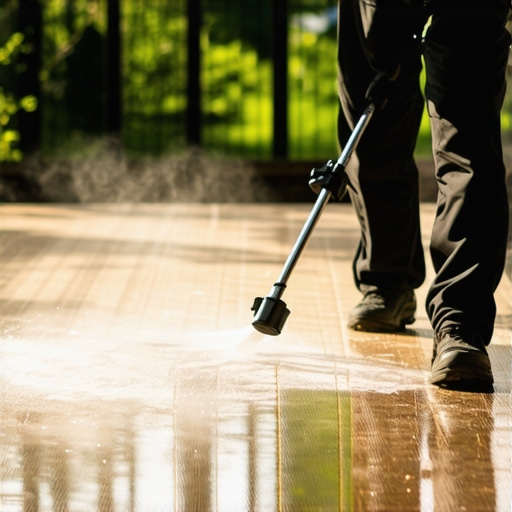
Image Prompt: Close-up of a professional pressure washer cleaning a wooden deck, highlighting safe and effective technique for long-term maintenance, with Needham homes in the backdrop.
The Most Surprising Lesson I Learned on Deck Maintenance
One of the biggest surprises in my journey was realizing that even small oversights, like not testing my cleaning solution first, could lead to serious damage—not just to the deck but also to my garden. It taught me to approach every maintenance task with patience and thoroughness, especially when aiming to keep my outdoor space safe and beautiful. That single lesson transformed my approach to deck care, making it more mindful and environmentally conscious.
Tools and Resources That Changed My Routine
Since embracing eco-friendly practices, I’ve come to rely heavily on tools like a quality deck-specific brush, a adjustable-pressure garden hose, and digital maintenance trackers. I trust these because they’ve consistently helped me achieve professional results at home, prolonging my deck’s life while protecting my plants. If you’re looking for ways to upgrade your upkeep routine, exploring guides like 7 essentials for deck inspection can provide valuable insights.
Your Deck Maintenance Journey Starts Now
Remember, maintaining your deck doesn’t have to be overwhelming or harmful to your garden. With a little patience, the right eco-friendly tools, and a proactive mindset, you can enjoy a durable, beautiful outdoor space that’s safe for all your plants and loved ones. The first step is just starting—so why not pick a weekend, gather your supplies, and make this your season of thoughtful deck care? What’s one small change you plan to implement today to safeguard your deck and garden alike? Let me know below.
Reading this post really resonated with me, especially the importance of testing cleaning solutions on a small area first. I once tried a DIY cleaner with lemon juice and noticed some discoloration on my wood after rinsing, so now I always do a quick patch test. It’s incredible how simple ingredients like vinegar and baking soda can be so effective yet gentle on plants. I wonder, has anyone experimented with other natural ingredients that work well for tougher stains? I’d love to hear what others have found useful—sometimes gathering multiple tips makes all the difference in maintaining a clean and healthy outdoor space without risking our garden’s wellbeing. The idea of integrating maintenance apps is also intriguing; has anyone used one for their decks and found it beneficial in organizing regular upkeep? Overall, this post offers great practical advice and encourages thoughtful, eco-friendly approaches I plan to adopt this season.
This discussion around eco-friendly deck cleaning methods really hits home for me. I’ve found that mixing a small amount of liquid castile soap with vinegar and water works wonders on stubborn grime without risking my garden. I also make it a habit to clean early in the morning or late in the afternoon when the sun isn’t beating down, to prevent any accidental chemical reactions or quick drying that might leave residues. One thing I’ve wondered about, especially regarding residual runoff, is whether applying a biocompatible or plant-based sealant after cleaning enhances protection without introducing toxins. Has anyone here tried eco-sealers or natural preservatives that add an extra layer of safety? I’m keen to keep my outdoor space both beautiful and sustainable, so any tips on long-term, plant-safe maintenance would be much appreciated. Also, has anyone incorporated technology like apps or sensors to monitor deck conditions proactively? Would love to hear your experiences or recommendations.