There was a morning when I stepped out onto my old, weathered deck and immediately felt a pang of regret. The once-pristine surface was now splintered, discolored, and looking more like a relic than an inviting outdoor space. I had ignored its decline for too long, thinking it would cost a fortune to fix. Sound familiar? If your deck’s appearance and safety are making you hesitate to enjoy your backyard, you’re not alone. I’ve been there, and I want to share how I discovered that refurbishing an aging wood deck on a tight budget isn’t just possible—it’s rewarding.
Reviving Your Deck Without Emptying Your Wallet
What Makes a Deck Worth Saving Anyway?
When faced with a deck in decline, it’s natural to feel overwhelmed by the potential costs of replacement or extensive repairs. But here’s the truth I’ve learned firsthand: proper maintenance and simple upgrades can extend your deck’s life and restore its charm without draining your savings. It’s all about knowing what to do and when to DIY versus when to hire a pro. And by the way, neglecting these issues can lead to more expensive repairs down the line, as emphasized by experts on deck longevity. Want to avoid costly rebuilds? Keep reading.
Is the Hype About Budget Deck Repair Just Hot Air?
Early in my journey, I made the mistake of underestimating the importance of choosing the right tools and materials. I bought cheap stains that peeled after a season, thinking I’d save a few bucks. Spoiler alert: it backfired. The key is to use quality products suitable for your climate—like those discussed in top stains for Massachusetts’ weather. Want to learn from my mistakes and those of other homeowners? Let’s dive into the steps that kept my costs down while making my deck look almost new again.
,
Assess and Clear the Deck Surface
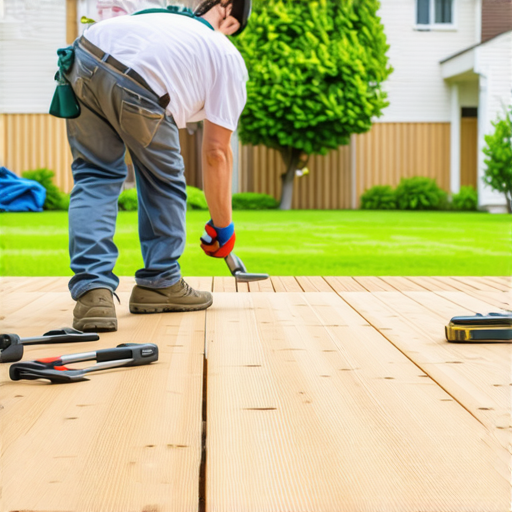
Begin by inspecting your deck for loose boards, peeling stain, and signs of rot. Use a stiff brush and a garden hose to remove dirt and debris, revealing the true condition of the wood. I once spent a weekend power-washing my deck, and it exposed areas with soft wood that needed immediate attention — a messy process but essential for an accurate assessment.
Address Structural Damage Before Cosmetic Fixes
Tackle Rotted Boards First
If you spot rotted or cracked boards, replace them promptly. Use a reciprocating saw to carefully cut out damaged sections. For example, I replaced a compromised ledger board myself using a simple saw and hardware store parts, saving hundreds compared to a professional job. Be sure to follow proper methods when removing and installing to prevent future issues.
Check and Reinforce Support Posts
Ensure that all support posts are sturdy and upright. Use a level to verify verticality, and tighten or replace any corroded hardware. My buddy once ignored loose supports, which led to wobbly railings — a safety hazard I fixed by reinforcing with post caps and additional fasteners.
Refinish the Wood to Restore Beauty and Protection
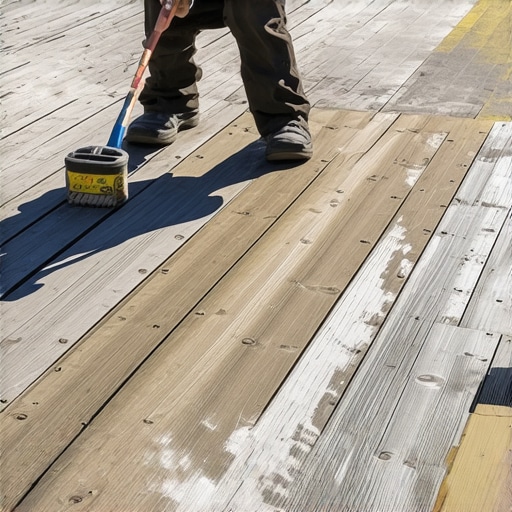
Choose a high-quality stain suited for your climate — like the best wood stains for Massachusetts’ weather. Apply evenly with a brush or roller, working in the direction of the grain. I learned the hard way that skipping proper prep and using cheap stains led to peeling within a year. For best results, do this in dry, mild weather.
Enhance Safety and Style with Upgrades
Consider installing low-profile LED lighting along the railings or stairs to improve nighttime usability. These small improvements transform your space, making it safer and more inviting. Also, explore options like aluminum railings, which resist rust and require less maintenance — details I found in this guide.
Protect and Maintain for Longevity
Finally, set up a regular maintenance schedule: clean your deck every season, reseal or stain annually, and inspect support structures periodically. This routine keeps your deck looking good and prevents costly repairs down the line. Trust me, catching issues early saves money and keeps your outdoor space safe and beautiful.
When it comes to hiring a deck builder in Needham, many homeowners believe that selecting the lowest bid is the best way to save money. However, beneath this common belief lies a nuanced reality that can significantly impact the longevity and safety of your outdoor space. While budget considerations are crucial, focusing solely on price often leads to overlooked details, such as the quality of materials or the builder’s expertise in modern techniques like airflow management and advanced fastening systems. Experts emphasize that understanding these subtleties can prevent costly mistakes down the line, as detailed in industry studies on deck durability and safety standards.
One prevalent myth is that all composite decking is equal, which isn’t true. Different brands and installation methods can make a substantial difference in appearance and lifespan, especially in climates like Massachusetts. Choosing the right fastening system, for example, can enhance safety by reducing tripping hazards and preventing moisture buildup—factors that many homeowners don’t realize are critical.
Moreover, the importance of airflow beneath your deck often gets underestimated. Proper ventilation prevents moisture retention, which can lead to rot and structural decay over time. For instance, installing a low-profile deck with adequate clearance allows air circulation, thereby extending the life of your structure. A mistake some make is neglecting this aspect in favor of aesthetic upgrades, only to face deterioration later.
What about the skill level of the builder? Many clients don’t realize that a general contractor might not have specialized knowledge about modern deck design and construction techniques. Hiring a focused, experienced deck builder ensures adherence to best practices, such as correct joist spacing for composite boards and the use of weather-resistant fasteners. This expertise isn’t just about aesthetics; it’s a matter of safety and long-term savings. For further insights, you can explore how specialized deck builders outperform general contractors in delivering lasting results.
Finally, homeownership experts warn against the trap of neglecting red flags during your selection process. For example, a lack of thorough understanding of foundation specifics or improper inspection routines can compromise your deck’s integrity. Visiting credible resources and asking targeted questions during your interview can safeguard against these pitfalls.
So, next time you think saving a few hundred dollars is worth risking structural issues, remember that some nuances—like ventilation, material quality, and specialized expertise—are vital. By paying attention to these details, you ensure your investment not only looks great but remains safe and durable for years to come. Have you ever fallen into this trap? Let me know in the comments.
Maintaining your deck over the years requires more than just periodic cleaning; it demands the right set of tools, consistent routines, and an understanding of emerging best practices. From power washers to specialized sealants, having the proper equipment ensures your deck stays safe, attractive, and durable long-term. As a seasoned homeowner who has navigated countless DIY repairs, I can attest that investing in quality tools makes all the difference in achieving professional-level results.
Invest in a Quality Power Washer
When it comes to cleaning your deck, a reliable pressure washer isn’t optional—it’s essential. I personally use the Kärcher K5 Premium because of its adjustable pressure settings and durability. It provides just enough power to remove dirt and peeling stain without damaging the wood. Regular power washing—twice a year—prepares your surface for staining and prevents mold buildup. Experts warn that using too high pressure can gouge soft wood or strip away protective finishes, so choosing a model with adjustable settings is a smart move. This article details the best practices for safe power washing.
What Are the Benefits of Using a Oscillating Multi-Tool?
This versatile tool can be a game-changer for deck repairs, especially when replacing rotten boards or removing old fasteners. I rely on my Dremel Multi-Max for precise cuts and gentle sanding around intricate areas. Its variable speed control allows me to work carefully without damaging adjacent areas. An added advantage is the variety of attachments, which makes the tool useful for cleaning out grout lines or stripping paint, making future maintenance tasks much easier.
Seal and Stain Effectively with the Right Products
Choosing the correct stain and sealant is vital. I prefer the WaterborneDeck stain because it penetrates well, dries quickly, and offers excellent UV protection. Applying stain with a high-quality brush and a roller reduces streaks and ensures even coverage. To maximize longevity, I usually apply two coats, waiting at least 24 hours between applications, in accordance with manufacturer instructions. These steps help prevent peeling and water damage, which are common pitfalls of neglecting proper sealant application.
How Do I Maintain My Deck Over Time and Prepare for Weather Extremes?
Developing a regular routine is key. I set reminders for seasonal inspections—checking for loose boards, cracking, and signs of rot. Before winter, I make sure all fasteners are tight and apply a protective sealant to shield against snow and moisture. Recently, I installed solar-powered fans under the deck to improve airflow, which significantly helps reduce moisture retention and extends the structure’s lifespan. Maintaining good airflow beneath your deck is crucial; a poorly ventilated deck can lead to faster decay and costly repairs. As I read in industry reports, proper ventilation can double the lifespan of your deck’s structural components. Consider upgrading to aluminum railings, which resist rust and reduce cleaning needs—further lessening maintenance efforts over the years.
Future Trends: Smart Maintenance Tools
Looking ahead, I predict the rise of smart sensors that monitor moisture levels and structural integrity. These devices will alert homeowners before minor issues turn serious, saving time and money. For now, incorporating regular inspections and quality tools like power washers and multi-tools remains the best approach. My top tip: try using an oscillating multi-tool to carefully dislodge debris from hard-to-reach corners of your deck—small steps that lead to big savings.
What I Wish I Knew About Reinforcing Deck Foundations
Early on, I underestimated the crucial role of proper ventilation beneath the deck. Installing adequate airflow not only prevented moisture buildup but extended the lifespan of my deck significantly. I realized that even beautiful-looking decks can hide silent decay if neglected—making proactive reinforcement essential.
Why Costly Mistakes Teach the Best Lessons
Skipping quality materials in my haste to save money led to peeling stains and uneven surfaces within months. Now, I recognize that investing in durable products, like those recommended in aluminum railings and top-rated stains, pays off in the long run. Sometimes, the biggest savings come from avoiding rookie errors.
How Small Upgrades Can Make a Big Difference
Additions like built-in lighting or solar-powered fans transformed my deck into a cozy, functional space. These upgrades are surprisingly affordable and increase both safety and ambiance, emphasizing that strategic enhancements can elevate your outdoor experience without a full rebuild. Mini improvements, when planned thoughtfully, can yield impressive results.
Curated Tools That Saved My Deck
A quality pressure washer and a versatile oscillating multi-tool became my go-to essentials. They made cleaning stubborn stains and replacing damaged boards manageable, even for a DIY novice. Trusting tools that I knew would last and perform well prevented frustration and ensured a professional look—proof that good equipment is worth every penny.
Embrace the Deck Builder’s Secret to Longevity
The biggest game-changer was understanding the importance of regular maintenance routines—consistent cleaning, annual sealing, and prompt repairs. Incorporating these habits has kept my deck resilient against harsh weather and time, reinforcing that maintenance is an ongoing investment in your outdoor haven. It’s clearer than ever that small, consistent efforts preserve your deck’s beauty and safety over decades.