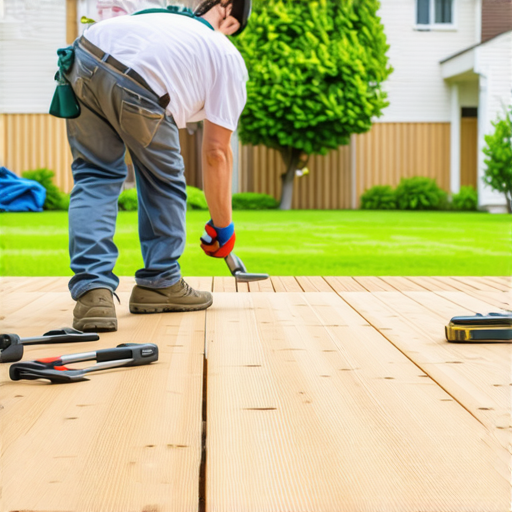

Have you ever stood in your backyard, staring at a ragged pile of lumber and wondering if it’s enough to build that dream deck? I certainly have! Early on in my DIY journey, I underestimated just how tricky estimating materials could be. One weekend, I ordered too little decking boards, only to find out I needed a few more just as I was ready to finish. Frustrating and costly! That lightbulb moment made me realize: accurate material estimation isn’t just about saving money; it’s about turning your vision into reality without unnecessary setbacks.
Why Accurate Material Estimation Can Make or Break Your Deck
When I first set out to build my own deck, I assumed I could eyeball the quantities. Boy, was I wrong! Without precise measurements and planning, it’s easy to overbuy—adding unnecessary expense—or underbuy, leading to endless trips to the store, delays, and sometimes compromised safety. According to professionals, a significant portion of DIY deck failures stem from poor material planning. Proper estimation helps ensure you have what you need when you need it, saving time, money, and frustration.
But here’s the thing: estimating materials might seem daunting, especially if you’re new to carpentry. Do you worry about wasting money on unused supplies or running short during the project? You’re not alone. Many homeowners face this challenge. Luckily, there’s a straightforward approach that can make the process more predictable and less stressful. And if you’re wondering about specific pitfalls—like miscalculating joist lengths or overlooking fastener needs—I’ve been there. Early mistakes, like ignoring the deck’s weight capacity, can cause serious issues. To build confidently, understanding the ins and outs of estimating materials is essential.
What Happens When You Skip the Math
One mistake I made early on was assuming the standard board length sufficed for my deck dimensions without proper calculation. Simple oversight, but it cost me time and money. For example, choosing the wrong type of fasteners or misjudging the number of joists needed can weaken your structure or lead to costly rework. That’s why I always recommend a detailed plan—it’s your best friend. Need help figuring out your deck’s size and material needs? Check out detailed guides like this resource for step-by-step instructions.
Now, let’s dive into the practical steps to accurately estimate your materials and make building your deck not just a dream but an achievable plan.
Break Down Your Deck Design
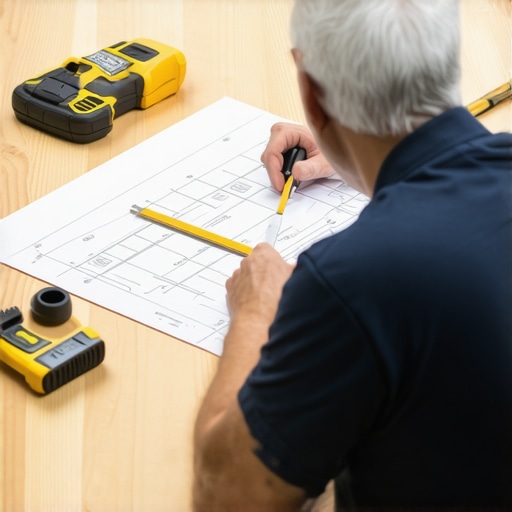
Start by sketching your deck layout on paper or using a digital tool. Measure the length and width of each section, considering any features like stairs or built-in benches. For example, I once drew my plan on a simple grid, which helped me visualize material needs precisely. This prevents surprises mid-project and ensures a smooth build.
Calculate the Surface Area Accurately
Once your design is clear, calculate the total surface area to be covered. For every rectangle or square, multiply length by width. Add the areas together for a comprehensive total. I recommend double-checking your math or having someone review it—mistakes here can lead to over- or under-ordering. Remember, accurate area measurement guides you on how many decking boards and framing materials you’ll need.
Estimating Decking Boards
Most decking boards come in standard lengths, typically 12 to 16 feet. To avoid waste, plan on using boards cut to size, not full lengths everywhere. Calculate how many boards are needed by dividing the total deck area by the coverage area of a single board, adjusted for waste (usually 10%). For instance, if your deck covers 200 sq ft and each board covers 1.5 sq ft after spacing, you’ll need around 150 boards initially. Better to buy a few extras to account for mistakes or cuts.
Frame and Support Material Calculations
Next, figure out the number of joists and support beams. For example, spacing joists every 16 inches on center is standard. Measure the total length of your deck perimeter to determine how many joists are needed, then divide that length by 16 inches. Typically, an 8-foot joist spans 8 feet, so plan accordingly. Don’t forget to include fasteners, brackets, and hardware—refer to the best screw brands to ensure strength and longevity.
Plan for Safety and Longevity
Incorporate extra materials for safety margins, especially if your measurements are rough. For example, when I built my last deck, I ordered 10% more lumber than strictly calculated, which saved me a trip back to the store. Familiarize yourself with potential issues like warping or splitting and choose quality materials accordingly. Learning how to properly estimate and prepare saves time and prevents costly mistakes later.
Use Estimation Tools and Resources
Leverage online calculators and guides to refine your estimates. Check resources like this guide for step-by-step material planning. Additionally, visiting local suppliers can help you confirm material availability and prices, ensuring your budget aligns with your plan. Planning meticulously now means fewer headaches during construction.
Keep a Detailed Inventory List
Once estimates are finalized, create a detailed shopping list organized by material type and location. This clarity helps when purchasing items, whether at the store or online. I personally keep mine in a spreadsheet, noting quantities, costs, and vendor details. This habit streamlines the process and minimizes errors, ultimately leading to a more efficient build.
Remember to Consider Future Maintenance
Historic mistakes often include neglecting maintenance needs—like sealing or staining your deck. Incorporate estimated costs for these into your overall plan. For example, I discovered that applying a weatherproof seal annually prolongs deck life and saves money in the long run. Proper estimation helps you allocate funds for ongoing care and ensures your deck remains beautiful and safe over time.
While many believe that selecting quality materials or hiring skilled craftsmen are the main keys to a successful deck, there’s a less obvious factor that often trips up even experienced DIYers: the significance of detailed joint connections and proper load distribution. Most people overlook how crucial these subtleties are in ensuring your deck’s safety, longevity, and aesthetic appeal. In my experience, blindly trusting generic guidelines or cutting corners during framing can lead to structural failures down the line, sometimes years after the build.
One common myth is that thicker lumber alone guarantees durability. However, without precise joint connections and correct load paths, even the most robust material can fail prematurely. For example, improper installation of ledger boards or neglecting cross-bracing can create stress points that cause warping, sagging, or worse, catastrophic collapse. Professional deck builders emphasize that understanding and implementing proper load distribution is an advanced yet essential skill—not just a detail, but a cornerstone of quality craftsmanship.
Don’t fall into the trap of assuming that a simple box-frame design suffices. A nuanced approach involves integrating hidden reinforcement, such as blocking between joists or specialized fasteners, to manage dynamic loads and prevent racking. Sealing alone isn’t enough—you need to ensure that your structural connections can handle the real-world stresses from weather, furniture, and even backyard games.
How Can I Master Load Management for My Needham Deck?
Advanced homeowners should consider studying structural principles, such as load paths and the importance of cross-bracing, which are often overlooked in DIY projects. Consulting with a licensed professional or reviewing detailed guides can make a significant difference. For example, integrating secure, code-compliant tie-downs and smart framing techniques can extend your deck’s lifespan significantly. Want to learn more? Here’s a comprehensive guide on designing a deck with multiple functional zones that emphasizes robust structural considerations.
Remember, the devil’s in the details—skipping these advanced nuances can cost you time and money later. Do you want your deck to last for decades or just a few seasons? Prioritize understanding and applying these structural insights from the outset.
Have you ever fallen into this trap? Let me know in the comments.

Keep Your Tools in Top Shape for Reliable Results
As a dedicated deck builder, I’ve learned that maintaining your tools properly is essential for consistent quality and safety. My go-to power tool is a high-quality cordless drill, specifically a magnesium cordless drill with variable speed control. I personally prefer brands like Makita or DeWalt because of their durability and battery life, which I rely on daily. Regularly cleaning and inspecting bits and blades prevents buildup that can lead to uneven cuts or tool failure. I also keep a set of sharp, rust-free specialized drill bits for composite materials, ensuring I can handle different job requirements efficiently. The key is to store tools in a dry, organized space—preferably in a weather-resistant toolbox—so they’re ready to perform when needed.
Adopt Software or Apps to Track Progress and Materials
Beyond physical tools, I’ve found that digital solutions significantly improve long-term project management. For instance, using an app like Trello or Notion helps me track materials, deadlines, and maintenance schedules. When I complete a project, I update the inventory list and note any recurring issues—like fastener corrosion or saw blade wear—so I can plan replacements proactively. This habit reduces downtime and keeps my tools performing optimally years down the line. Software also assists in scheduling routine maintenance, such as re-sealing or staining, which extends the lifespan of my decks and tools alike.
Plan for Future Upgrades and Scaling
Thinking about upgrade paths is crucial if you aim to scale your deck projects or improve your workflow. For example, investing in a modular framing system now can simplify future expansions. Additionally, upgrading to cordless tools with larger batteries or brushless motors provides longer run time and increased efficiency. As technology advances, staying informed about innovations—like laser distance meters for precise measurements—can make a remarkable difference in your projects’ quality and speed. Embracing these upgrades ensures your toolkit remains modern and effective.
How do I maintain my tools over time to ensure lasting performance?
The secret is routine care and staying organized. Regularly cleaning blades, lubricating moving parts, and sharpening edges keep your tools functioning like new. For instance, I use a damp cloth with mild detergent to wipe down power tools after each use and store them in a moisture-proof environment. Additionally, following manufacturer maintenance schedules and replacing worn parts before they fail helps prevent accidents and costly repairs. Learning to troubleshoot common tool issues—like battery life decline or loose connections—empowers you to fix minor problems promptly, avoiding delays in your projects.
Incorporating these maintenance habits has profoundly impacted my ability to deliver quality decks consistently. As the trend toward smarter, more efficient tool systems grows, I recommend trying out a smart battery management app to monitor usage patterns and optimize battery health. Staying proactive with your tools not only saves money but also boosts your confidence and craftsmanship. Ready to take your deck building to the next level? Start by implementing a regular maintenance routine today, and notice how your tools—and your results—improve over time.
The Hardest Lesson I Learned About Deck Builders Needham
One of the most valuable lessons I stumbled upon was that overlooking the intricacies of joint connections and load distribution can compromise years of craftsmanship. Early in my projects, I believed that simply following standard framing guidelines was enough. But I quickly realized that small details like cross-bracing and proper fasteners make all the difference in ensuring safety and durability, especially in our Needham climate.
This experience taught me to dive deeper into structural principles, seeking professional advice and consulting advanced guides. Understanding how load paths work enables me to create decks that stand strong against weather and wear, transforming my builds from temporary structures to lasting outdoor retreats. If I could go back, I would prioritize learning these nuances from the start, saving me time, money, and stress down the line.
My Tools for Success in Deck Craftsmanship
Over the years, I’ve curated a toolkit that elevates my deck building. The best drill bits for composite decking and a reliable magnesium cordless drill from brands like Makita or DeWalt have been game-changers. I trust these tools because they deliver consistent, clean cuts and strong fastenings, which are essential for a professional finish.
Maintaining my tools by regular cleaning, sharpening, and proper storage ensures they perform at their peak. Incorporating digital management apps to track project progress, inventory, and maintenance schedules keeps me organized even amid busy seasons. These tools and habits have made the difference between haphazard builds and confident, high-quality craftsmanship that endures.
Build the Future You Want to See
A deck is more than just wood and nails—it’s an extension of your home and lifestyle. Putting effort into accurate estimation, mastering structural details, and investing in quality tools will pay dividends each time you enjoy a summer evening or host friends. Start small, learn from each project, and continuously refine your skills and supplies.
Remember, every seasoned builder started exactly where you are now—curious and eager to improve. Embrace the journey with patience, curiosity, and a passion for quality craftsmanship. Your dream deck isn’t just a possibility; it’s within your reach when you understand the secrets behind long-lasting, beautiful outdoor spaces.