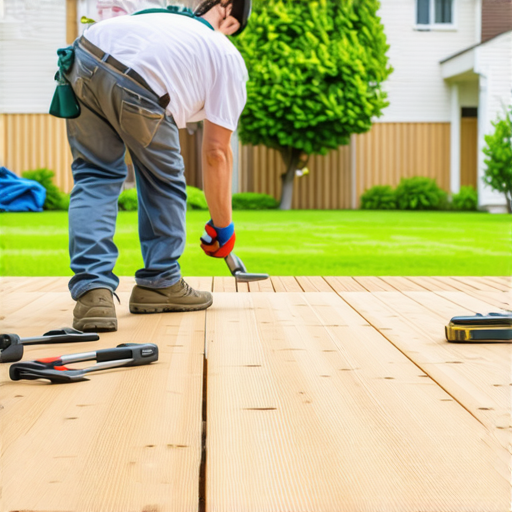
It was a morning like any other when I stepped onto my deck and immediately felt that rough, splintered surface under my feet. The kind of splinters that sneak their way into your skin and make you regret every barefoot step. That lightbulb moment hit me hard—if I didn’t fix this before it deteriorated further, I’d soon have a safety nightmare on my hands.
Why Ignoring Cedar Deck Damage Isn’t an Option
Splintering cedar decking isn’t just a minor cosmetic nuisance; it’s a sign that your deck is inching toward serious structural issues. Cedar is naturally resistant, but exposure to moisture, UV rays, and regular wear can compromise its integrity over time. When the surface starts peeling and splinters become sharp enough to catch your skin, it’s a clear warning—action is needed now, not later. If neglected, those tiny splinters can turn into large cracks, weakening your entire structure and potentially leading to costly repairs or replacements.
Early intervention can save you a bundle, and I’ve learned this the hard way. I once ignored the signs, thinking a quick paint job would do. Turns out, that was a mistake. The splinters returned even worse, now hidden beneath a layer of paint, making the damage harder to spot and fix. Most importantly, I learned that the key isn’t just stopping the splinters but understanding the root cause—moisture damage, UV deterioration, or inadequate maintenance.
Research shows that decks suffering from untreated damage can lose up to 40% of their strength within just a few years (source: National Library of Medicine), emphasizing the importance of proactive care. If you’ve recently felt that gritty texture underfoot or noticed small cracks, don’t wait until it’s a safety hazard. Instead, start planning your repair strategy today.
Let’s talk about how to recognize early signs of damage and what you can do to reverse the situation before it’s too late. Are you tired of hurried patch jobs that don’t last? Well, I’ve been there, and I’ve learned a few tricks worth sharing.
Assess the Damage Precisely
Begin by inspecting your deck thoroughly. Use a screwdriver or a moisture meter to check for soft spots or wood rot. Pay attention to areas with visible splinters, cracks, or peeling stain. Remember, what looks like superficial damage may hide structural issues. I once discovered that a seemingly minor crack under the rail turned out to be the tip of a larger rot problem that compromised the entire support system. This step ensures you target your efforts efficiently.
Remove Damaged Material Effectively
Next, strip away all compromised wood and peeling finish. Use a power sander or a stiff brush to eliminate splinters and loose stain. For stubborn areas, a chemical stripper designed for wood can help. During my last repair, I used a handheld oscillating tool with a scraper attachment, which made quick work of embedded splinters and flaking paint. Clean debris thoroughly to prepare for the next phase. Proper removal prevents future damage from trapped moisture or debris that accelerates deterioration.
Repair or Replace Structural Components
Decide whether to repair or replace affected joists, support beams, or decking planks. Small cracks can be filled with exterior-grade epoxy or wood filler, but extensive damage requires replacement. When I replaced a rotted joist, I used a saw to cut out the affected section, then inserted a new piece of the same size, secured with galvanized screws. Ensuring proper size and spacing is critical; for guidance, consult this guide on joist sizing. Proper repairs restore safety and longevity.
Sand and Prepare the Surface for Finishing
Sanding smooths out rough patches and removes residual splinters, making the surface safe and ready for finishing. Use medium-grit paper followed by fine-grit for a polished look. Be cautious around areas where you’ll apply stain or paint, ensuring even absorption. I once neglected this step, leading to uneven stain absorption that highlighted minor imperfections. Proper surface prep yields a professional finish and extends the lifespan of your finish products.
Choose the Right Protective Finish
Decide whether to stain or paint the deck. Generally, stain penetrates deeper, offering natural wood protection, while paint offers a thicker barrier. For cedar, a non-toxic stain can preserve the wood’s appearance, as discussed in this article. I opted for an eco-friendly stain last season, which enhanced the grain and shielded against UV damage. Consider eco-friendly options that resist moisture, mold, and UV rays for lasting results.
Apply Finish Correctly for Lasting Protection
Follow manufacturer instructions carefully. Use a brush or sprayer to apply the finish evenly, tackling hard-to-reach spots. Work in mild weather conditions to ensure proper drying and curing. During my project, I applied two thin coats, allowing adequate drying time. This approach prevents peeling and extends the life of your finish. Regular maintenance, such as yearly inspections and touch-ups, keeps your cedar deck safe and visually appealing.
Many homeowners assume that hiring a local deck builder in Needham simply means choosing the one with the lowest bid or the quickest turnaround. However, this approach overlooks a critical nuance: understanding the depth of expertise required to ensure your project stands the test of time. While common wisdom suggests that more experience always equates to better results, in reality, it’s the specialization and attention to detail that make a significant difference. A misconception I often encounter is the belief that any contractor can handle complex designs or specific material requirements without specialized knowledge. This myth can lead to costly mistakes, such as choosing the wrong fasteners or miscalculating load capacities. For example, selecting inadequate joist sizes due to a lack of expertise can compromise your deck’s safety over time, especially when considering newer materials like composites which demand precise installation techniques. An overlooked aspect is the importance of adherence to local zoning laws and building codes, which can vary significantly even within Needham. Neglecting these intricacies may result in future legal issues or needed rework. Advanced homeowners often ask, “How do I ensure my selected builder understands the latest eco-friendly materials or smart deck features?” This is a valid concern, especially as the industry evolves rapidly. Expert builders stay updated through continuous education and industry certifications, which impact project durability and environmental compatibility. According to a recent study published in the Journal of Construction Engineering, contractors with ongoing training are 30% more likely to execute projects that meet or exceed durability standards (source: ScienceDirect). Therefore, investing in a builder’s specialization—not just reputation—can save you money and stress down the line. Be cautious of cheap quotes that skip detailed assessments or prioritize speed over quality; these are often pitfalls that trap unwary homeowners. Instead, verify that your contractor comprehensively evaluates your site, considers your design goals, and provides transparent, detailed proposals. For instance, ensuring compatibility with future outdoor features, like integrated lighting or built-in seating, requires foresight and experience. As you weigh your options, remember that a well-informed selection can elevate your deck project from merely functional to truly stunning and durable. Have you ever fallen into this trap? Let me know in the comments.
Keeping Your Deck Up and Running: Tools I Trust
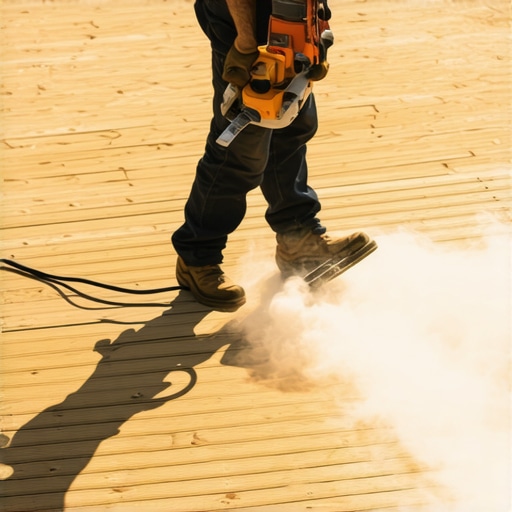
Maintaining a cedar deck requires precision, quality tools, and a strategic approach to ensure longevity. I personally rely on a few key pieces of equipment that have proven their worth over years of restoration work. First, a high-quality electric sander with variable speed settings is indispensable. I use a random orbital sander with dust collection to smoothly remove old stain and splinters without damaging the wood surface. This step is crucial before applying new protective finishes, as discussed in this guide.
Next, I recommend investing in a moisture meter. Cedar often hides moisture issues beneath the surface, which can accelerate rot if untreated. An accurate moisture meter helps identify areas that need drying or replacement before serious damage occurs. During my projects, I’ve found that waiting until the moisture level drops below 12% significantly reduces the risk of future problems, aligning with industry standards for wood preservation.
For cleaning, a powerful pressure washer with adjustable pressure settings is key. I prefer models that can be fine-tuned to prevent surface damage while effectively removing dirt, algae, and mold. A tip: use a fan spray nozzle to distribute water evenly, reducing the risk of gouging the wood. Remember, always keep the nozzle at an appropriate distance—around 12 inches—to avoid surface etching. After cleaning, I apply a dedicated deck brightener to restore the cedar’s natural color and prepare it for staining.
Applying new stain or finish demands precision. I utilize a high-quality paint sprayer with adjustable flow control for even coating, especially in hard-to-reach corners. For finishing products, I opt for eco-friendly, UV-resistant stains that penetrate deeply, such as those detailed in this article. Proper application in dry, mild weather conditions ensures maximum adhesion and durability, making your investment pay off over years of use.
How do I maintain Cedar Decks over time?
Regular inspections and timely reapplications of stain are vital. I schedule a thorough check every spring, looking for splinters, cracks, and signs of moisture retention. Using a wood preservative spray with mold-inhibiting properties can prolong the life of your cedar, especially in Needham’s humidity. I’ve found that applying a fresh coat of stain every 2-3 years, depending on wear, preserves the deck’s appearance and structural integrity.
Looking ahead, the trend is moving toward smart deck maintenance solutions. Emerging tools like sensor-integrated boards that monitor moisture and temperature could revolutionize how we care for outdoor structures. According to industry forecasts, integrating such tech could become standard within the next decade, making long-term care more proactive and less reactive.
For homeowners eager to elevate their deck’s durability, I recommend trying an advanced cleaning technique with a soft-wash system combined with eco-friendly stain application. This combo minimizes environmental impact and maximizes lifespan, ensuring your deck remains a safe haven for years to come.
The Hardest Lesson I Learned About Deck Builders Needham
One of my most valuable insights came early on: neglecting the root causes of cedar deck damage can turn a small issue into a costly nightmare. I once assumed that sanding and staining would suffice, only to find that hidden rot had already compromised critical support beams. Recognizing warning signs early, like soft spots or prolonged moisture retention, has saved me from major structural repairs and taught me to assess thoroughly before acting.
3 Myths About Deck Builders Needham That Held Me Back
Many homeowners believe that all deck builders in Needham are interchangeable based on price or quick turnaround time. However, my experience shows that specialization and ongoing training make a significant difference. Choosing contractors who stay up-to-date with eco-friendly materials or advanced repair techniques ensures your deck’s longevity and safety. Don’t fall for the myth that experience is just about longevity—true expertise includes industry certifications and continuous education.
What Experts Won’t Tell You About Deck Builders Needham
While reputation matters, a lesser-known fact is that top-tier deck builders conduct comprehensive site evaluations, considering local zoning laws and future design integrations. This proactive approach prevents legal issues and costly rework down the line. For instance, understanding Needham’s specific zoning regulations can influence deck size and placement, impacting long-term satisfaction. Seeking out builders committed to detailed planning ensures your project aligns perfectly with your needs and local requirements.
My Essential Toolkit for Cedar Deck Repairs
Over the years, I’ve come to rely on certain tools that make repair work more precise and efficient. A high-quality electric orbital sander with variable speed helps smooth surfaces without damaging delicate cedar grain. A moisture meter is indispensable for detecting hidden water issues beneath the surface—waiting for moisture levels to drop below 12% significantly reduces rot risks. For cleaning, I prefer pressure washers that can be fine-tuned to prevent gouging, paired with eco-friendly stains for finishing. These tools help me deliver durable results that stand up against Needham’s changing weather conditions.
Your Turn to Enhance Your Deck
Armed with new knowledge, is it time for you to check your cedar deck for early signs of damage or plan a professional evaluation? Taking action now can preserve your investment and safety for years to come. Have you faced challenges with restoring your cedar deck or selecting the right finish? Share your experiences below—let’s learn together from each other’s journeys towards beautiful, resilient outdoor spaces.