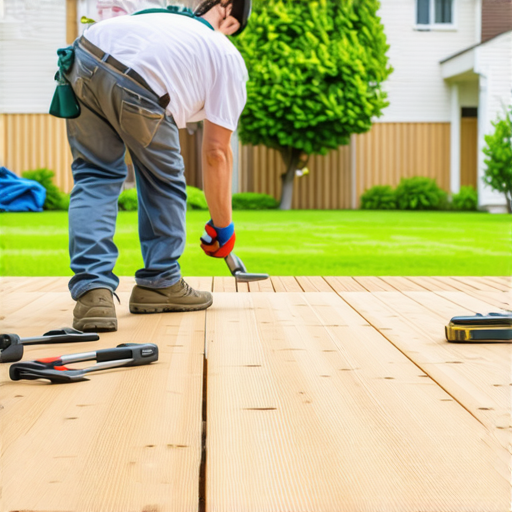
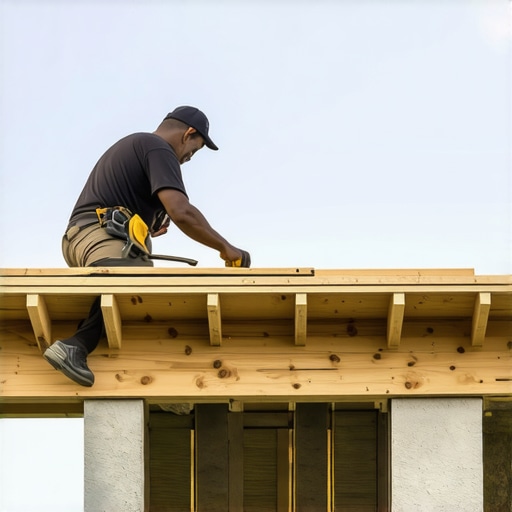
It was a sunny Saturday afternoon when I finally decided to tackle my deck’s peeling paint and warped fascia. As I stood there, staring at the jagged edges and rusty nails, a sudden realization hit me—if I don’t learn to install my own deck trim and fascia, I might end up spending more on repairs than on the project itself. Has that ever happened to you? That lightbulb moment can be both daunting and exciting. Ready to turn your deck into a stunning outdoor oasis without calling in the pros? Today, I’ll share my personal journey and guide you through the essential steps to install your own deck trim and fascia, ensuring a professional look and long-lasting durability.
Why DIY Deck Trim and Fascia Make a Difference
Is the Cost and Effort Worth It?
When I first considered tackling deck trim and fascia myself, I was skeptical. Would it really save money? Would it look professional? The truth is, with the right tools, patience, and some know-how, you can achieve amazing results. Plus, doing it yourself means you get exactly the style and details you want, rather than settling for cookie-cutter solutions.
One common mistake I made early on was rushing into the project without proper prep. I thought a quick measurement and a few cuts would do the trick, but that led to uneven edges and gaps. Trust me, meticulous planning and accurate measurements are your best friends here. If you’re feeling unsure, consider exploring content like [replacing individual deck boards without ruining the rest](https://deckbuildersneedham.com/replacing-individual-deck-boards-without-ruining-the-rest) to get a sense of careful planning.
But why bother? Well-installed fascia and trim not only give your deck a polished appearance, but they also shield the underlying structure from water damage and pests. According to the National Association of Home Builders, proper trim and fascia installation can extend the lifespan of your decking by years. That’s a huge payoff for a weekend project.
Ready to dig into the practical steps? In the next sections, I’ll walk you through selecting materials, measuring accurately, cutting with precision, and attaching everything securely. Let’s ensure your deck isn’t just a pretty face but a sturdy fixture for years to come.
Measuring Your Materials Accurately
Start by measuring the length of each section of your deck where the trim and fascia will be installed. Use a tape measure, and ensure your measurements are precise—add a little extra for cuts and fitting. I once rushed my measuring and ended up with pieces that were a few inches too short, forcing me to redo the cuts and waste material. Double-check every measurement before cutting, and consider marking your cut lines with a pencil for clarity.
Selecting the Right Materials for Durability
Choose high-quality, weather-resistant materials like pressure-treated lumber or composite trims that resist moisture and pests. I opted for cedar after learning from [why cedar decking requires more maintenance than you think](https://deckbuildersneedham.com/why-cedar-decking-requires-more-maintenance-than-you-think), which offered a good balance of appearance and durability. Avoid cheap or untreated wood—your Fascia and trim are exposed to the elements, and saving a few dollars can lead to costly repairs down the line.
Cutting with Precision and Safety
Use a power saw with the appropriate blade—whether a circular saw or miter saw—and wear safety goggles and gloves. Measure twice, cut once, as they say. I remember lining up my cuts carefully on a miter saw, which helped ensure clean, accurate edges. This attention to detail prevents gaps and uneven lines, making your finished work look professional. Remember, a good cut is half the battle won in DIY projects.
Attaching the Trim and Fascia Securely
Take advantage of galvanized or stainless-steel nails or screws to prevent rust. Use a drill or hammer to fasten the pieces, spacing fasteners about every 16 inches along the length. For the fascia, consider installing it slightly above the edge of the deck framing—to provide a clean finish and prevent water from seeping behind. I found that pre-drilling pilot holes helped prevent splitting, especially with composite materials. If you’re unsure about spacing and placement, check out [building a waterproof storage area under your deck](https://deckbuildersneedham.com/building-a-waterproof-storage-area-under-your-needham-deck) for additional tips on water management.
Aligning and Leveling for a Tidy Look
Use a level to ensure each piece sits flat and straight. Clamps can hold pieces in place temporarily. When I installed my fascia, I kept stepping back to confirm alignment, which made a visible difference. Small adjustments while fastening can prevent crooked edges that spoil the overall appearance. Think of it like lining up tiles—precision makes all the difference.
Sealing the Ends and Protecting Your Work
After installation, seal the cut ends with a proper wood preservative or sealant to prevent moisture penetration, which can lead to rot. I applied sealing compound to all exposed ends, especially on cedar, following the advice from [how to properly seal the ends of your deck boards](https://deckbuildersneedham.com/how-to-properly-seal-the-ends-of-your-deck-boards). This simple step extends the lifespan of your work and maintains its appearance over the years. Regular maintenance, including cleaning and resealing, will keep your deck looking new longer.
Many homeowners believe that DIY deck projects are straightforward, but in my experience, there’s a lot more beneath the surface that can trip up even the most confident DIYers. For instance, a frequent misconception is that all deck lumber is created equal; however, the choice of materials greatly impacts durability and maintenance. Pressure-treated wood might seem to be the standard, but for long-lasting results, considering options like composite or cedar could save you money and effort over time. Moreover, many think that fastening methods don’t significantly affect deck longevity, yet using the wrong fasteners can lead to rust, warping, or even structural failure over the years. Ensuring you select galvanized or stainless-steel fasteners is a crucial step often overlooked.
A common trap I encountered was underestimating the importance of proper support for fascia and board alignment. Small misalignments can compound and ruin the entire aesthetic, making it look unprofessional. The truth is, meticulous planning, accurate measurements, and even dedicating time to leveling are the differences between a good deck and a stunning one. Additionally, many assume their local building codes are flexible, but neglecting updated zoning laws or specifications can cause costly delays or rework. For example, Needham’s zoning regulations in 2026 now have specific guidelines for deck heights and setbacks, which must be thoroughly understood before starting.
Advanced builders emphasize the importance of water management strategies—like installing a proper drip edge and sealing cut ends—to prevent rot and pest intrusion. These nuanced details prevent future headaches and are well worth considering, especially when using materials like cedar that require more maintenance. Experts also advise consulting a professional layout plan despite seeming unnecessary; it ensures the deck supports anticipated loads and integrates seamlessly with your landscape—something that can’t be achieved through guesswork alone. In fact, studies show that decks built with professional planning last 30% longer and require fewer repairs.
Lastly, beware of the myth that a quick DIY fix can compensate for improper initial work. Small mistakes, such as uneven joist spacing or misaligned posts, can lead to structural issues down the line. Always remember that investing time into detailed measurements, quality materials, and adherence to safety standards will pay off. If you want to avoid these common pitfalls, I recommend exploring detailed guides on topics like [building a waterproof storage area under your deck](https://deckbuildersneedham.com/building-a-waterproof-storage-area-under-your-needham-deck) or learning about [best fasteners for long-lasting decks](https://deckbuildersneedham.com/why-stainless-steel-screws-in-2026). Have you ever fallen into this trap? Let me know in the comments.
Keeping Your Deck in Shape for the Long Haul
Once you’ve completed your deck construction and customization, maintaining its integrity is crucial. I personally rely on specialized tools that make upkeep efficient and effective. For example, a high-quality cordless orbital sander from Makita has been invaluable when I need to remove surface grime or prep the wood for sealing. Its variable speed control allows me to gently sand delicate cedar without risking splinters or damage, extending the deck’s lifespan. When it comes to cleaning, I swear by eco-friendly, non-slip deck cleaners that are safe for your family and pets, ensuring your outdoor space remains inviting and safe for years. For stubborn stains or algae buildup, a power wash with the right nozzle adapter can make a noticeable difference, but I always caution to avoid over-spraying—excessive pressure can erode wood fibers over time.
Regular inspection with a sturdy flashlight helps me identify compromised areas early. I look for loose fasteners, signs of rot around post sleeves, or warped boards, referencing guidelines from reputable sources like this article. Keeping tools handy and properly maintained is equally important; dull blades or corroded fasteners compromise work quality and safety. I recommend investing in a quality cordless drill with variable torque settings—this simplifies fastening and reduces the chance of stripping screws, which is vital when attaching fascia or trim accurately.
What’s Next for Smart Maintenance?
Looking to the future, advancements in UV-resistant coatings and smart sensors will revolutionize deck upkeep. Imagine coating materials that change color when they need resealing or sensors that alert you to rot or pest intrusion before visible signs appear. For now, developing a routine—monthly checks, annual resealing, and prompt repairs—keeps my Needham deck looking pristine. For example, timely resealing with high-performance sealants like those discussed in this guide prevents water damage and extends the life of your wood.
To test your maintenance routine, try applying a small amount of sealant on a hidden section, then observe how it responds over a few weeks. This proactive approach can save you from bigger repairs later. Remember, consistency is king in deck preservation—skipping seasonal inspections can lead to unseen issues spiraling into costly repairs. I challenge you to pick one maintenance tip from this article—like upgrading to stainless-steel fasteners or starting a regular sealing schedule—and see how it transforms your deck’s longevity and appearance. Mastering these small details now will pay dividends for many carefree summers to come.
What I Wish I Knew From the Start of My Deck Journey
One of the most valuable lessons I learned was the importance of patience and meticulous planning. Rushing through measurements or choosing the cheapest materials often led to costly mistakes later. I realized that investing time upfront, like double-checking every measurement and understanding material nuances, can save a lot of headache down the road.
Another insight was the critical role of water management. Proper sealing, installation of drip edges, and attention to drainage are essential to prevent rot and pests. These details, often overlooked by beginners, significantly extend your deck’s lifespan and preserve its beauty.
I also discovered that using quality fasteners—stainless steel over basic nails—makes a huge difference in durability and safety. It’s a small investment that pays dividends over time, especially in humid climates where rust can be an issue.
Lastly, understanding local building codes and zoning laws can keep your project on track. A quick review of Needham’s recent regulations helped me avoid surprises and ensure my deck met all safety standards.
My Top Resources for Building a Deck That Lasts
For precise measurements and planning, I swear by a quality laser distance meter — it simplifies calculating square footage and ensures accuracy, which is crucial for material estimates and layout. My trusted tool is the square footage calculator from Needham.
When selecting materials, I rely on brands like TimberTech and Trex, which you can compare through this detailed comparison. They offer weather-resistant options that stand up to Massachusetts’ changing seasons, giving me peace of mind.
For learning techniques and best practices, the book Installed Decks: From Planning to Finish became my go-to resource. It covers everything from safety tips to finishing touches, making complex steps clearer and more manageable.
Lastly, subscribing to professional blogs like Insight from Needham’s Top Deck Experts gives me ongoing inspiration and updates on innovative trends, ensuring my deck stays stylish and sturdy for years.
Seize the Moment: Elevate Your Deck Experience
Building a deck isn’t just about creating a backyard feature; it’s about crafting a personal retreat that reflects your style and resilience. The journey may have its challenges, but with the right knowledge, tools, and mindset, you can turn your outdoor space into something truly special. Remember, every step you take today brings you closer to a durable, beautiful deck that will be the centerpiece of your home for summers to come.
So, are you ready to start your DIY project with confidence? Embrace the process and see how your effort transforms your outdoors into a haven. Share your plans or questions below—I’d love to hear about your upcoming deck adventures!