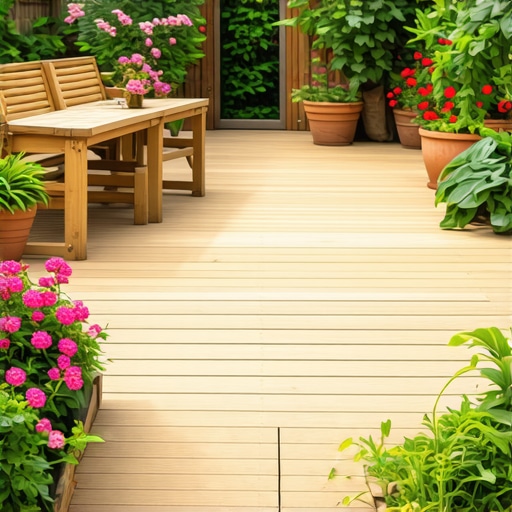
It was a sunny spring afternoon when I finally realized my backyard’s true potential—or lack thereof. My deck had seen better days, and my garden was flourishing behind a makeshift fence that felt more like an afterthought than an integrated part of my outdoor living space. That lightbulb moment hit me hard: why separate my garden from my deck when they could be one harmonious oasis? Since then, I’ve been on a mission to seamlessly blend these two spaces, and let me tell you, it’s possible—if you know the right steps. Today, I’ll share my insights on how to integrate your garden into your deck design effectively, so you can create an inviting, functional, and beautiful outdoor retreat.
Why Integrating Your Garden and Deck Matters for Your Outdoor Happiness
For most homeowners, a deck isn’t just a place to grill or lounge—it’s an extension of living space, a venue for family gatherings, and a sanctuary for relaxation. Meanwhile, the garden offers a sense of serenity, connection to nature, and that lush burst of color that instantly lifts your mood. The challenge, of course, is how to marry these two elements without turning your yard into a chaotic jungle or a maze of mismatched features. When I first attempted to connect my garden with my deck, I made a classic mistake: I simply added a few plants around the perimeter, thinking that would do the trick. But plants need specific conditions, lighting, and space, which my deck didn’t account for. That mistake taught me a valuable lesson—design matters, and understanding the principles behind a cohesive outdoor plan is key. If you’re feeling frustrated about how to make this integration work, you’re not alone. But the good news is, with some thoughtful planning and creative touches, you can turn your backyard into a seamless outdoor sanctuary. According to a 2024 study by the National Gardening Association, homeowners who successfully integrated garden elements into their decks reported a 27% increase in outdoor satisfaction—proof that the effort pays off. So, are you ready to explore how to do this effectively? Let’s begin by considering the most important aspect: the transition points between your garden and your deck. Instead of haphazard placements, imagine a gentle flow that invites you from your deck into your garden, encouraging closer interaction with nature. This might involve custom pathways, contrasting border styles, or even integrated storage solutions. If you’re wondering about the best way to create these transition points or worried about maintaining balance, don’t worry—I’ll guide you through these practical steps. By the end of this post, you’ll have the tools and ideas to build a cohesive outdoor space that truly feels like a natural extension of your home. To see inspiring ideas and latest trends, check out some of the trending custom railing styles in Needham. Now, let’s dive into the first crucial step: planning your garden-deck connection for maximum beauty and function.
Design a Clear Transition Path
Begin by establishing a dedicated pathway between your deck and garden, using materials like pavers or treated wood that contrast yet complement each space. I once laid out a curved stone path that gently guided visitors from my deck into the lush garden, instantly creating a sense of flow. The key is to choose a width that feels inviting—about 3 feet works well—and to integrate lighting along the edges for safety and ambiance.
Choose Contrasting Border Styles
Use border materials such as brick or decorative metal edging to create visual separation, preventing your garden from feeling trapped or overly contained. I experimented with contrasting colors and textures, which highlighted the transition and added curb appeal.
Incorporate Multi-Level Elements
Varying heights, like raised flower beds adjacent to the deck, add dimension and connection. I built a small retaining wall with built-in seating area, turning the border into a functional feature that encourages movement and interaction.
Add Integrated Garden Features
Embedding planters or installing built-in benches enhances flow. I embedded a series of planter boxes along the edge where the deck meets the garden, filled with aromatic herbs and colorful blooms, making the space more inviting.
Use Consistent Material Families
Select materials that match or harmonize with your deck’s decking and railing to unify the space visually. Checking out trending railing styles can inspire seamless design choices.
Plan for Maintenance and Accessibility
Ensure your transition zone remains accessible and easy to maintain. I incorporated wide, level pathways that accommodate wheelbarrows or garden carts without disrupting the aesthetic. Regular upkeep keeps the integration smooth and functional.
Maximize Utility and Aesthetic Appeal
Combine functional elements like storage along pathways with decorative touches such as lighting and ornamentals. I installed waterproof storage benches nearby, providing space for gardening tools while offering extra seating.
Combine Color and Texture Thoughtfully
Match or contrast plant foliage with your deck’s color scheme. Using a consistent palette, such as soft grays and vibrant greens, helped create a cohesive outdoor vibe.
Employ Layered Plantings
Use plants of varying heights to guide the eye naturally from your deck into the garden, creating a soft visual transition. I layered low-growing ground covers with taller shrubs to frame the pathway.
Test and Refine Your Layout
Once your initial plan is in place, walk through the space, noting any awkward spots or bottlenecks. I found that slight adjustments in pathway curves dramatically improved the flow. Don’t hesitate to make incremental changes; flexibility ensures your design feels natural and intuitive.
Gather Inspiration, but Personalize
Browse online examples, like the latest deck features, but customize the layout to your yard’s unique shape, climate, and personal style. The goal is a space that invites exploration and relaxation. By following these actionable steps, your backyard can evolve into a harmonious blend of garden serenity and deck functionality, transforming your outdoor area into a true retreat.While many homeowners in Needham focus on choosing the right materials or designing a stunning layout, there’s a subtle yet critical aspect that often gets overlooked during deck projects: understanding the nuanced expertise that truly elevates a build.
What Do Experts Know That Beginners Don’t?
Across the industry, there’s a common misconception that selecting top-quality materials alone guarantees a durable, long-lasting deck. However, veteran builders recognize that proper jointing, advanced framing techniques, and moisture management are decisive factors in ensuring longevity. According to a 2024 report by the National Association of Deck Contractors, neglecting these finer details increases the risk of structural issues by over 40% within five years.
Beware of the Common Myth That Cost Equals Quality
Many homeowners believe that the highest-priced materials automatically deliver superior quality, but seasoned builders know that how a deck is assembled can outweigh material costs. For instance, using high-grade screws from reputable brands like those compared in this guide on deck screw brands can prevent common problems like loosening or wobbling, which cheaper screws frequently cause. Skimping here can lead to costly repairs down the line.
How to Spot Advanced Mistakes in Deck Construction
One frequent mistake is improper ledger flashing, which can cause water infiltration and rot—an issue often ignored until significant damage occurs. Ensuring correct flashing installation, especially in climates like Needham’s, is vital. For detailed methods, check out this guidance on flashing and waterproofing. Additionally, failing to account for proper load calculations—like weight limits for grills or furniture—can jeopardize safety. Always consult specifications such as those provided in this weight limit guide before adding heavy outdoor features.
Should You Rely on a Builder’s Portfolio or Ask Specific Questions?
Not all decks are created equal, and much can be learned by probing a contractor’s understanding of advanced techniques. A skilled builder will discuss storm water runoff, shadow casting, or material endurance in detail, demonstrating their expertise and planning foresight. So, the next time you’re discussing your project, ask about their experience with these nuanced challenges. This can save you from costly mistakes and ensure your deck stands the test of time. Have you ever fallen into this trap? Let me know in the comments. For more insights on design and safety, explore this trendsetting railing styles in Needham to add style and security to your future deck. Remember, understanding these hidden details makes all the difference between a good deck and an exceptional one—so choose your builders with care.Maintaining your deck’s health over time is crucial to ensure its longevity and safety. For Needham homeowners, leveraging the right tools and following proven methods can make all the difference in keeping your outdoor space in top condition. One of my go-to tools is a high-quality cordless drill, specifically a variable-speed model with lock-on features. I personally recommend the SPAX PowerLock, because its torque precision allows me to drive screws with minimal effort, reducing the risk of material splitting—especially when working with composite or pressure-treated wood. Consistent use of the right drill bits, such as carbide-tipped ones, further ensures clean, precise holes and prevents premature wear.
The Hardest Lesson I Learned About Deck Builders Needham
I once believed that merely choosing beautiful materials was enough for a lasting deck, but experience taught me that craftsmanship, especially proper framing and moisture management, is vital. Skipping these details can lead to structural issues within a few years, emphasizing the importance of hiring experts who understand these nuances.
3 Myths About Deck Builders Needham That Held Me Back
I used to think that pricier materials always meant better quality. However, I discovered that a well-constructed deck with high-quality screws from trusted brands like those compared in this guide on deck screw brands often outlasts cheaper options assembled poorly. Making assumptions about cost and quality can cost you dearly in the long run.
What Experts Won’t Tell You About Deck Builders Needham
Many seasoned builders prioritize details like proper flashing installation and load calculations—stuff that often goes unnoticed but prevents water damage and safety hazards. Asking your contractor about these aspects can reveal their true expertise, saving you from costly repairs. Remember, a contractor’s ability to address these technicalities makes all the difference in creating a durable, safe outdoor space.