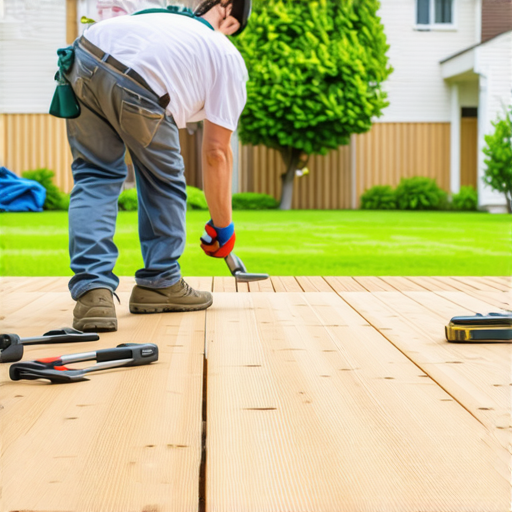
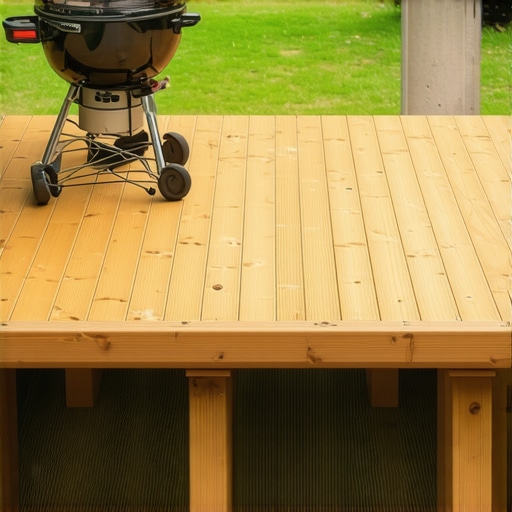
I’ll never forget the moment I realized my deck might not be up to the job. It was a sunny Saturday afternoon, and I was itching to fire up the grill for a backyard barbecue. As I placed the heavy, clunky grill onto my deck, a faint creak made my stomach drop. That’s when I started questioning—could my deck actually support this weight? It’s a common worry among Needham homeowners: how do you determine if your deck’s weight limit is sufficient for your outdoor entertaining needs? The last thing anyone wants is a safety scare or, worse, a collapsed deck ruining a perfect summer day.
Why Knowing Your Deck’s Weight Capacity Matters
Understanding the weight limits of your Needham deck isn’t just a matter of curiosity—it’s a critical safety concern. A deck that isn’t designed to hold heavy loads can pose serious risks, especially during large gatherings or when adding heavier features like hot tubs, outdoor kitchens, or big grills. Failing to consider these limits can lead to structural damage or accidents, which no homeowner wants to face. More importantly, knowing this info helps you make informed decisions about renovations, furniture choices, and accessories without compromising safety.
According to structural experts, most residential decks are built to support around 50 pounds per square foot, but this can vary widely depending on age, materials, and construction quality. A misjudgment here could mean the difference between a safe, enjoyable backyard or a costly disaster. I learned this lesson the hard way early in my DIY journey, making the mistake of assuming that my old deck could handle anything—a rookie move that I now avoid by doing my homework.
If you’re unsure whether your deck can support your planned outdoor setup, don’t worry. We’ll walk through how to assess your deck’s capacity confidently. Plus, I’ll share practical tips to reinforce your deck if needed, so you can host barbecues with peace of mind. Trust me—getting this right is worth the time, especially when it means protecting your loved ones and your home from preventable accidents.
Feeling overwhelmed or unsure about your deck’s strength? Don’t worry—we’ll cover exactly how to check and improve your deck’s support system, step by step. Ready to make sure your Needham deck can handle all your summer plans? Let’s dive into the details that will keep your outdoor space safe and sturdy for years to come.
Is Checking Your Deck’s Weight Limits Worth the Hassle?
Absolutely. I once ignored this step, thinking a quick visual inspection was enough, only to face crack lines and creaking that couldn’t be ignored. Always measure, consult guidelines, and if in doubt, consider consulting a professional. For more on ensuring your deck’s safety and longevity, check out how to build a deck that lasts for decades or learn about adding shade and functionality to your deck for ultimate enjoyment.
Add the confidence of knowing your deck’s capacity before hosting or adding new features—because safety is always worth the effort.
Measure Your Deck’s Surface Area Accurately
Start by calculating the total square footage of your deck. Use a tape measure to determine the length and width of each section, then multiply these dimensions. For irregular shapes, break them into manageable rectangles and sum their areas. For example, on a recent project, I measured a 12-foot by 10-foot section and a 8-foot by 5-foot extension, then added their areas to get the total. This initial step gives you the foundation for understanding how much weight your deck can handle.
Determine the Average Live Load and Dead Load
Next, identify the typical weight your deck is expected to bear. Live loads include people, furniture, and grills, while dead loads encompass the weight of the deck materials themselves. According to local building codes, residential decks should support at least 40 pounds per square foot for live loads and a similar amount for dead loads. For safety margin, many experts recommend planning for 50 pounds per square foot. When I planned a new seating area, I added an extra buffer to account for a heavy hot tub in the future, preventing surprise overloads.
Consult Your Deck’s Construction Details
Review the original plans or hire a structural engineer to check the existing construction—factors like joist size, spacing, and materials matter. For instance, older decks built with 2×6 joists spaced 16 inches apart might be less capable than modern designs with 2x8s spaced 12 inches apart. When I examined my own deck, I found that some joists appeared thinner, prompting me to consult a professional for reinforcement ideas.
Calculate the Deck’s Structural Support
Using the dimensions and construction details, assess if the current framing can handle the planned load. The standard formula involves joist size, span length, and spacing, which influence the overall weight capacity. If calculations show that support is near or below requirements, reinforcement becomes necessary. I learned this firsthand when I added a large hot tub; the existing framing needed extra beams and stronger supports to prevent sagging.
Reinforce Weak Points Effectively
Improve your deck’s strength with targeted reinforcements. For example, adding additional support beams or sistering new joists alongside existing ones can greatly increase capacity. To strengthen my deck, I installed extra ledger boards and used steel brackets, which made a noticeable difference in stability. For quick fixes or detailed reinforcements, check out how to fix wobbly guardrails to enhance safety and support.
Perform Regular Inspections and Maintenance
Assess your deck periodically, especially after harsh weather. Look for signs of damage such as cracks, rusted fasteners, or sagging. Maintenance like tightening bolts and replacing deteriorated components preserves load capacity. I discovered a rusted post bracket during a routine check, which I replaced, ensuring continued support and safety. For such updates, refer to fixing guardrails safely.
Plan for Future Load Additions
Anticipate growing needs by designing your deck with extra capacity in mind. If you plan to add amenities later, reinforce supports beforehand. During my renovation, I added extra posts and thicker beams to future-proof my deck for larger gatherings. This foresight prevents costly modifications down the line and sidesteps safety risks.
Consult Professionals When in Doubt
When calculations or assessments feel complex, hire a licensed structural engineer or experienced contractor. Their expertise ensures your deck’s safety aligns with Needham building codes. I personally hired a professional to verify my reinforcement plans, gaining peace of mind and securing my investment. For reliable guidance, consider resources like how to find trustworthy contractors.
Many homeowners assume that finding a reliable deck builder in Needham simply involves checking credentials and reading reviews. However, this approach often overlooks nuanced factors that can significantly affect the outcome of your project. For instance, a common misconception is that all deck contractors use the same materials and techniques, but in reality, expertise in local climate conditions, such as Needham’s unpredictable weather, can make a substantial difference in the durability and safety of your deck.
Are All Decking Materials Created Equal for Needham’s Climate?
Contrary to popular belief, not all decking materials perform equally under New England’s seasonal variations. While composite decking might seem like an easy choice due to its low maintenance, some products are more slip-resistant or better at handling moisture, which is vital for Needham homeowners who experience rain and snow. According to a study published by the U.S. Forest Service, material choice and installation quality directly influence a deck’s longevity and safety in harsh weather conditions.
Another often overlooked aspect is the importance of proper framing and foundation work. Many assume that surface-level aesthetics are sufficient, but underlying structural integrity is critical, especially for larger or multi-functional decks. An expert understands how to reinforce or adapt the foundation to prevent issues like uneven settling or rot, common pitfalls that can turn a beautiful deck into a safety hazard over time.
Beware the trap of selecting a contractor based solely on cost. In my experience, budget-focused decisions often lead to overlooked details such as precise joist spacing or correct fastening techniques, which are crucial in maintaining deck stability and safety. Opting for cheaper options may save money upfront but can result in costly repairs or replacements later. To avoid this, always verify that your Needham deck builder adheres to local building codes and standards.
Advanced homeowners might wonder: How can I ensure that the deck supports future upgrades or heavier loads without overbuilding? This question highlights the importance of strategic planning and expert consultation during the design phase. Proper load calculations, considering future modifications like hot tubs or outdoor kitchens, require nuanced understanding and precise execution. Skipping this step can lead to structural deficiencies down the line.
Don’t fall into the trap of assuming that a quick finish translates to quality. True craftsmanship involves thorough site assessments, detailed planning, and meticulous execution. For example, issues like uneven leveling or improper sealing can undermine the deck’s lifespan and safety. That’s why collaborating with professionals who understand the complexities of Needham’s climate and building standards ensures your deck isn’t just visually appealing but also resilient and safe.
Finally, many people overlook the significance of ongoing maintenance and inspections. An expert deck builder doesn’t just build; they educate homeowners about regular check-ups to catch issues early, such as rusted fasteners or wood rot, which can be minor initially but dangerous if ignored.
In summary, the hidden nuance most overlook is that selecting a deck builder involves more than surface-level criteria. It requires understanding material performance in local conditions, structural details, future planning, and ongoing care. Have you ever fallen into this trap? Let me know in the comments! For detailed guidance on ensuring your deck’s longevity, explore how to build a deck that lasts for decades or learn about the importance of proper framing and leveling for optimal durability.
Investing in the Right Equipment for Durability
Maintaining a Needham deck over the years requires the right set of tools to ensure safety and longevity. I personally swear by a high-quality cordless drill equipped with various bits, including a socket and screwdriver set, to tighten fasteners and replace worn hardware efficiently. A sturdy pry bar is indispensable for removing deck boards without damaging the material, especially when performing repairs or inspections.
For cleaning, I rely on a deck-specific oxygen bleach solution combined with a soft-bristle brush. Unlike power washers that can cause surface etching or force water into the wood, this gentle cleaning method preserves the deck’s integrity while removing dirt, pollen, and mildew. Regular cleaning with eco-friendly solutions also aligns with my commitment to environmental stewardship—a trend I see gaining momentum among Needham homeowners.
Leveraging Software and Planning Tools
When planning repairs or upgrades, I utilize specialized design software that helps visualize different layout options and materials. Programs like SketchUp allow me to experiment with adding new zones or reconfiguring existing spaces before lifting a hammer. Additionally, I use maintenance scheduling apps to keep track of when to inspect fasteners, sealants, and protective coatings, thereby avoiding costly surprises down the road.
Looking ahead, I predict that drone technology might become more accessible for deck inspections, providing real-time visuals of hard-to-reach areas—especially useful for larger or multi-level designs. Embracing remote visual assessments could become a standard practice in maintaining decks in neighborhoods like Needham where topography varies.
What’s the Best Way to Keep Your Deck Functional over Time?
Consistent, proactive maintenance is the cornerstone. I recommend establishing a seasonal routine that includes cleaning, checking for loose fasteners, inspecting joists and ledger boards, and applying protective oils or stains. For example, applying a high-quality stain like matching your stain to your stone patio not only improves aesthetics but also enhances weather resistance.
Additionally, periodically reviewing your deck’s structural integrity—especially after harsh winters or storms—can prevent small issues from escalating. For tricky areas like guardrails, I excel at “fixing wobbly deck guardrails without a full replacement” by reinforcing fasteners and brackets, which I detailed in one of my earlier posts. This approach saves time and money while maintaining safety standards.
Tools I Suggest for Maintaining Your Deck the Right Way
Choosing the proper maintenance tools makes all the difference. I personally recommend:
- Cordless impact driver: For fastener replacements and tightening, it reduces physical effort and improves precision. Brands like Milwaukee or DeWalt are my top choices due to their durability and battery life.
- Oxygen bleach cleaner and soft brushes: For gentle yet effective cleaning—preserving wood surface integrity and avoiding moisture infiltration that power washers might cause.
- Inspection mirror and flashlight: To spot hidden issues beneath the deck or in shadowed corners, which are often missed during routine checks.
Regular use of these tools, combined with a scheduled maintenance plan, helps keep your deck beautiful and safe for years. Don’t forget to document your inspections and repairs; this habit can prevent overhauls and extend the life of your outdoor oasis.
Where do you see deck maintenance heading in the future?
As technology advances, I believe integrated smart sensors and IoT devices will become commonplace, alerting homeowners to structural issues or moisture problems early. Innovators are already working on sensors embedded into framing that send maintenance alerts to your phone, simplifying long-term upkeep. Embracing these innovations now can give you a competitive edge in maintaining safe, functional decks in Needham and beyond.
Try incorporating a routine inspection with a digital checklist app this week—small steps today lead to a sturdier deck tomorrow. Keeping your outdoor space safe, attractive, and functional requires not just effort but smart use of tools and technology—something I wholeheartedly endorse.
The Hard-Earned Lessons That Changed My Deck Approach
One of the most eye-opening moments in my deck journey was realizing that even seasoned DIY enthusiasts can overlook subtle signs of weakness. I once ignored minor wobbling guardrails, assuming regular maintenance was enough, only to find myself redoing the entire railing system later. The lightbulb moment? Small signs like creaking or slight shifts are often the deck’s way of whispering for help, and catching them early can save significant time and money.
Additionally, I learned that relying solely on visual inspections isn’t enough. Using a sturdy inspection mirror and flashlight, I discovered hidden cracks and rusted fasteners beneath the surface—details invisible to the naked eye but crucial to safety. These experiences solidified my belief: constant learning from mistakes and embracing detailed inspections are the keys to a resilient, beautiful deck.
Finally, understanding local climate impact was a game-changer. I initially thought my Needham deck was built for any weather, but after a harsh winter, I realized that seasonal moisture and temperature swings require specific protective measures. Adaptability and proactive upgrades have kept my deck safe and stylish through seasons, reinforcing that knowledge truly pays off in maintaining a safe outdoor haven.
Tools and Resources That Keep My Deck In Top Shape
Over years of tinkering and maintenance, I’ve come to trust a few essential tools. A high-quality cordless impact driver from brands like Milwaukee has dramatically reduced my repair time, especially when securing fasteners in tight spots. For cleaning, I swear by eco-friendly oxygen bleach solutions and soft brushes—preserving my deck’s surface while eliminating mildew and dirt effectively.
In addition to tools, digital planning apps have transformed my maintenance routine. Using SketchUp to visualize potential upgrades or reinforce support beams before breaking ground helps prevent costly errors. I also rely on maintenance scheduling apps that send reminders for inspections and sealing, making upkeep manageable alongside everyday life.
Looking ahead, I’m excited about smart sensors that can detect moisture buildup or structural shifts—embracing technology to catch issues before they become emergencies. These innovations promise to make deck care more streamlined and reliable, especially in communities like Needham where weather unpredictability is a constant.
Your Turn to Elevate Your Deck Game
By adopting these insights and tools, you’re well on your way to creating a deck that’s both stunning and safe for years. Remember, the real secret lies in paying attention to those small signs, using the right equipment, and planning ahead for future needs. Don’t wait for visible damage—act early, learn continuously, and invest wisely.
Have you ever faced a hidden issue that turned into a major repair? Share your story below—your experience might save someone else from the same mistake!