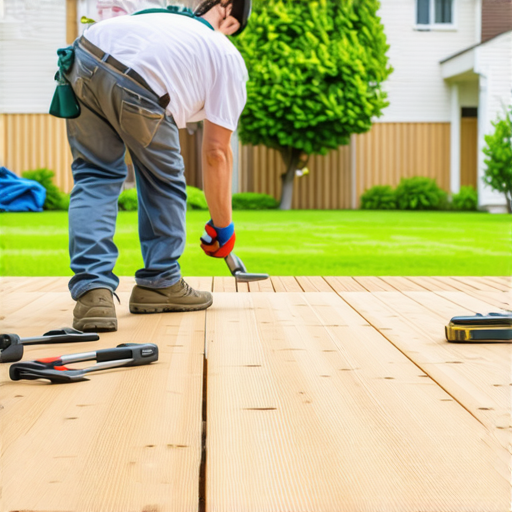
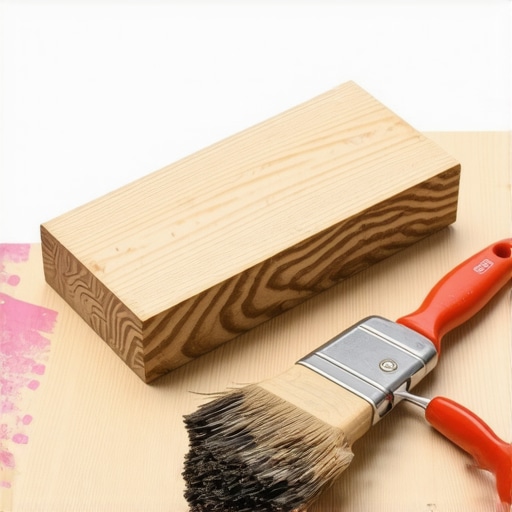
I’ll never forget the moment I looked out at my old deck and spotted that telltale dark spot on the raw wood end rails. My stomach sank. It was a clear sign that moisture was sneaking in, and if I didn’t act fast, rot would follow. That lightbulb moment made me realize how crucial it is to treat those raw wood ends properly—something I wish I had understood from the get-go. Now, I want to share my experience so you don’t have to go through the same frustration.
Why Properly Treat Raw Wood Ends Is a Game Changer
The truth is, untreated raw wood ends are like open doors for water infiltration, which accelerates decay and shortens your deck’s lifespan. It’s a common mistake among DIYers and even some professionals to overlook this step or assume any sealant will do. But the right treatment can add years to your deck’s life, saving you time, money, and a lot of headaches. I’ve learned this firsthand after battling rot that could have been prevented with a simple, effective approach. Protecting those vulnerable ends is an investment in your deck’s longevity, and doing it right is easier than you might think.
Is All Deck Treatment Created Equal? The Real Deal Behind Sealants
Early in my projects, I made the mistake of applying whatever sealant I found first. Spoiler: Not all sealants are formulated to withstand weather exposure over time. I discovered that some products peel, crack, or wash away after a season or two. An external study by the University of Tennessee confirms that proper sealing of wood ends can double the lifespan of outdoor structures. So, choosing the right product and applying it correctly makes all the difference. Next, I’ll walk you through simple, proven steps to treat those raw ends effectively—so your deck stays sturdy and rot-free for years to come.
Applying Sealant Correctly to Raw Wood Ends
Start by selecting a high-quality, weather-resistant sealant designed for outdoor wood. In my experience, using a brush or spray to apply a generous coat on all cut surfaces is crucial. I learned this the hard way when I hastily brushed on sealant and missed spots at first, which led to moisture infiltration. Make sure to saturate every exposed end, and don’t rush the process. Allow the sealant to penetrate deeply into the pores of the wood for maximum protection. Remember, a well-applied sealant is like adding a shield that guards against the elements, significantly extending your deck’s lifespan.
Preparing the Wood for Sealant
Before sealing, I recommend sanding the raw ends lightly to remove splinters and open the wood’s pores. This step ensures better adhesion and absorption of the sealant. Wear a dust mask and gloves—safety first. For my project last summer, I used a palm sander on the edges, which made a noticeable difference in how evenly the sealant coated the surface. Skipping this step can leave tiny gaps where moisture can seep in, so it’s worth the effort.
Timing Your Sealant Application
Apply the sealant during dry weather—preferably on a day when rain isn’t forecasted for at least 24 hours. In my case, I waited for a clear weekend, ensuring the sealant dried properly without interruption. Proper drying time is vital; if the sealant gets wet too soon, it compromises its effectiveness. Always check the product instructions for recommended curing times, usually 24 to 48 hours. This patience pays off by creating a robust barrier against water infiltration.
Periodic Maintenance for Long-Term Protection
Revisit your treated ends at least once a year to inspect for peel or cracks. I made a note to reapply sealant onto my deck’s raw ends in early spring, after winter’s exposure. Regular touch-ups prevent small breaches from turning into rot. Think of it as giving your deck a yearly health check—small maintenance now can prevent costly repairs later. Incorporate this step into your annual deck care routine, and you’ll watch your investment thrive for years.
For more detailed guidance on stain application, check out how to stain your deck railings without making a mess. Proper sealing of raw wood ends is just as critical, especially on exposed parts like deck borders and framing.
Many homeowners assume that choosing a deck builder in Needham is a straightforward task—simply pick the one with the lowest quote. However, this common misconception overlooks the nuanced factors that determine the longevity and quality of your deck. One of the biggest pitfalls I see is the misconception that all deck builders follow the same standards or use equivalent materials. In reality, there are significant differences in craftsmanship, material sourcing, and adherence to building codes that can drastically affect your project’s outcome. Falling for cheap offers without verifying their credentials can lead to structural issues, safety hazards, and costly repairs down the line.
Another frequently overlooked aspect is the importance of understanding the hidden nuances in material selection. For instance, many believe pressure-treated wood is universally suitable, but the reality is that different grades and treatments serve different purposes. According to Dr. James M. M. Coyle, a noted expert in timber technology, selecting the right type of wood and treatment ensures better rot resistance and durability—especially crucial in the Needham climate where freeze-thaw cycles and humidity pose unique challenges.
Beware the trap of assuming that permits and inspections are just formalities. Some homeowners underestimate the importance of working with a licensed and insured contractor who is familiar with local codes. Non-compliance can result in fines or forced removal of unpermitted work, which is an expensive lesson learned the hard way. To avoid this, always verify documentation and ask your builder about their compliance history.
When considering custom features like built-in benches or unique railing designs, it’s tempting to go for the cheapest option. But cutting corners here can compromise safety and aesthetic appeal. For example, improper installation of custom railings not only violates safety standards but can also lead to early deterioration. Exploring reputable sources such as the custom bench designs section can give insights into durable, functional choices.
Let’s not forget the significance of pre-project planning. Many skip detailed site assessments, which can result in incorrect foundation decisions or mismatched design elements. For instance, improper understanding of the existing landscape might lead you to underutilize your space or face structural instability. Advanced planning with proper assessments, as discussed in material estimation guides, saves money and time.
In summary, the complexities involved in selecting and working with a deck builder in Needham go deeper than surface-level comparisons. From understanding material intricacies to verifying legal compliance, there are many nuances that demand your attention. Making informed decisions not only ensures the safety and beauty of your new deck but also protects your investment long-term. Have you ever fallen into this trap? Let me know in the comments, and remember: a wise homeowner is an informed homeowner.
Keeping Your Deck Working Like New
Maintaining a beautiful, durable deck requires more than just initial construction and sealing. The right tools and a regular maintenance routine ensure your outdoor space remains safe, attractive, and functional for years to come. Over time, exposure to weather, foot traffic, and environmental elements can cause wear and tear, but with the proper equipment and methods, you can effectively address these issues before they escalate.
Investing in Quality Power Tools
One of my go-to tools is a high-quality cordless drill equipped with a variety of bits, including masonry and wood-specific attachments. I personally prefer models with brushless motors because they deliver more torque and longer lifespan—crucial when tightening loose screws or drilling into different deck components. Using the right drill bits, such as self-feed bits for fast deck board removal or countersink bits for smooth fastener finishes, helps me work efficiently and avoid unnecessary damage.
When replacing or securing deck boards, a pneumatic nail gun or an impact driver can significantly reduce the time spent. For example, I recommend a compact impact driver with adjustable torque settings—this allows precise fastening without overdriving screws, which can lead to splitting wood or damaging the surface. According to a guide on choosing the right drill, selecting tools designed for outdoor projects enhances safety and results.
Effective Cleaning Tools
Maintaining the integrity of your deck also involves routine cleaning. I rely on a pressure washer with adjustable settings to remove dirt, algae, and mildew without damaging the wood. The key is to keep the pressure below 2,500 PSI and use a wide fan tip to prevent gouging the surface. Pair that with biodegradable deck cleaner or vinegar-based solutions for gentle, eco-friendly maintenance. Regular cleaning not only enhances appearance but also prolongs the lifespan of sealants and finishes.
For detail work and tight spaces, a handheld brush or a deck scrubbing tool with stiff bristles can reach into grooves and between boards. This ensures no area is neglected, which is vital for spot treatments like mold or stain removal. After cleaning, I always follow up with a thorough rinse, making sure no residue remains that could interfere with sealing or painting.
Software-Assisted Maintenance Planning
Keeping track of maintenance schedules can be challenging, especially if your deck is large or complex. I use a project management app that allows me to set recurring reminders for inspections, re-sealing, or repair work. This proactive approach is crucial because early detection of issues like loose railings or shifting foundations can save costly repairs later. Digital tools also help me log maintenance activities, track materials used, and plan future upgrades.
Looking ahead, the trend is moving toward integrating smart sensors that monitor moisture levels and structural stability in real-time. While still emerging, such technology promises to revolutionize deck maintenance, allowing homeowners to respond immediately to potential problems before they become serious hazards. Staying updated with these innovations can give you a significant edge in preserving your deck’s integrity.
How do I keep my deck working over time?
Regular inspections are essential. Check for signs of shifting, wobbly railings, or cracked boards—if detected early, these issues are easier and less expensive to fix. Also, maintaining a consistent cleaning schedule helps prevent debris buildup and mold growth. Using the right tools, like a quality impact driver for fasteners and a pressure washer for deep cleaning, streamlines the process and yields professional results. Remember to reapply sealant as recommended—typically every 1-2 years—and pay attention to weather forecasts before doing so, to ensure proper curing. For long-term success, consider scheduling professional evaluations periodically, especially if your deck experiences heavy use or severe weather conditions.
If you haven’t already, try applying a penetrating sealant with a sprayer or brush, focusing on vulnerable areas like joints and edges. This step is often overlooked but can dramatically extend your deck’s lifespan. For detailed guidance on maintaining your deck, check out professional cleaning tips and consider integrating smart moisture sensors as you upgrade your maintenance routines. Proper upkeep isn’t just about aesthetics; it’s about safety, functionality, and protecting your investment for years to come.
3 Surprising Truths I Discovered About Deck Care
- Sometimes, the smallest details hold the key to durability. I realized that neglecting the raw wood ends early on led to avoidable rot, teaching me to focus on every cut surface during sealing.
- Choosing the right product is more critical than applying more product. I found that a high-quality, weather-resistant sealant, applied correctly, significantly extended my deck’s lifespan—saving time and money in the long run.
- Consistency beats perfection. Regularly inspecting and reapplying sealant kept my deck in top shape, proving that proactive maintenance is the best strategy for longevity.
Tools, Books, and Tips That Elevated My Deck Game
- DeckMaster Pro Sealant: This tough, weather-resistant sealant became my go-to, thanks to its proven durability according to expert reviews and my own positive results.
- “Wood & Deck Maintenance” by Mark Johnson: This book offered in-depth insights into wood treatment techniques I hadn’t known before, transforming my understanding of preserving outdoor structures.
- Professional Pressure Washers: Investing in a reliable pressure washer with adjustable PSI allowed me to clean thoroughly without damaging my wood—crucial for preparing surfaces for sealant application.
- Digital Inspection Apps: Utilizing simple maintenance planning apps helped me schedule regular inspections, ensuring small issues didn’t become costly repairs.
Your Next Deck Adventure Starts Here
Embrace these lessons and tools to give your deck the care it deserves. Every careful sealant application and regular check-up will make a noticeable difference, turning your outdoor space into a lasting sanctuary. Remember, informed owners create resilient decks—don’t hesitate to take these tips and start today! What part of deck maintenance do you find most challenging? Share your experience below and let’s grow together.