
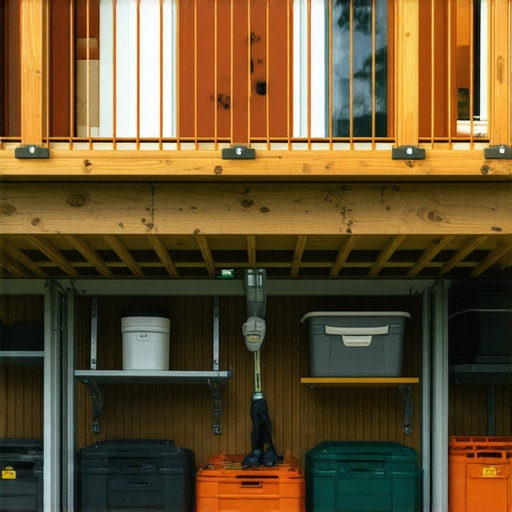
I remember the moment clearly: cluttered piles of outdoor gear and seasonal items spilling over my patio, turning my backyard into a storage nightmare. It hit me—why am I letting valuable outdoor space go to waste just because I lack a dry, accessible storage solution? That lightbulb moment led me down a rabbit hole that changed how I utilize my deck area forever. If you’re tired of tripping over containers or battling moisture ruining your stored belongings, then you’re not alone—and there is hope.
Why Under-Deck Storage Is a Game-Changer for Homeowners
Picture this: a dry, secure space beneath your deck, perfectly suited for storing everything from gardening tools to outdoor cushions. No more mud or rain ruin your gear. Why is this idea so appealing right now? Due to increasing outdoor living trends, homeowners are seeking ways to maximize their property’s potential without expanding their footprint. An under-deck storage system offers a practical solution that combines convenience with smart space management.
But getting started can seem daunting. Many folks, like I once did, jump straight into building without understanding the basics—only to be disappointed when their storage isn’t as dry or secure as hoped. The key is knowing what mistakes to avoid and how to design a system that truly meets your needs.
Have you ever faced the frustration of finding your stored items soaked after a rainy day, wishing you had a reliable dry space? If so, you’re in good company. Early on, I made the mistake of thinking a simple tarp would do the trick—only to realize moisture sneaked in from the sides, turning my storage area into a soggy mess. That experience taught me the importance of proper waterproofing and ventilation.
In this post, I’ll guide you through proven ideas for installing under-deck storage that stay dry, durable, and accessible. We’ll explore the critical aspects of deck construction, waterproofing techniques, and storage solutions that are well worth your time and investment—making sure your outdoor area works for you, not against you.
Selecting the Right Deck Material and Layout
Begin by assessing your existing deck structure, focusing on joist spacing and material type to determine compatibility. For example, lighter composite boards may require additional support, whereas heavier hardwoods like Ipe need reinforced framing. I once tackled this by measuring my deck’s dimensions using a standard tape measure, then referencing [how to find the square footage of your deck fast](https://deckbuildersneedham.com/how-to-find-the-square-footage-of-your-deck-fast) to plan my support structure accurately. Understanding your deck’s material and size helps prevent costly mistakes later.
Creating a Proper Waterproof Barrier
This is the core of a dry storage area. I installed a waterproof membrane tailored for outdoor use, similar to roofing underlayment, beneath the decking boards. To do this effectively, you should first remove a few decking boards to access the joists, then lay down a high-quality, UV-resistant waterproof membrane, overlapping seams by at least 2 inches. Ensure the membrane extends slightly beyond the edge of the deck to channel water away from the storage area. Remember, proper waterproofing is pivotal; a shallow installation will lead to leaks—consider it like building a raincoat for your storage space.
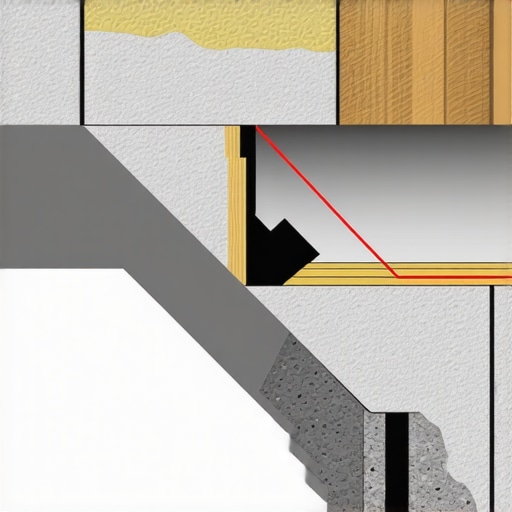
This illustration shows the correct placement of waterproof membranes beneath the deck surface, highlighting overlaps and edge draping to ensure water runoff.
Ventilation and Drainage Management
Waterproofing alone isn’t enough; ventilation prevents moisture buildup. I installed vented soffits along the perimeter of my deck’s underneath area, which facilitates air circulation and helps keep the space dry. Additionally, adding small weep holes and a slight incline atop the substrate ensures any collected water or condensation has a way out. Think of it like a sponge with tiny holes that let water escape—you don’t want it to become a trap.
Sealing and Insulating for Extra Protection
To seal gaps and prevent pests, I used exterior grade caulking along edges and seams of the waterproof membrane. Applying insulation panels inside the storage cavity also helps regulate temperature and humidity, further preserving stored items. Be meticulous; even small cracks can lead to water infiltration over time. Remember, sealing the perimeter is like wrapping your storage area in a protective coat—more durable and resistant to the elements.
Final Touches and Access Design
Creating easy access points—like hinged doors or sliding panels—ensures you can retrieve items effortlessly. I installed weatherproof latches and hinges designed for outdoor exposure. Also, adding a sloped entry ramp prevents water from pooling at the threshold, which is crucial for long-term dryness. Every detail contributes to a reliable, durable system that works with your deck’s design, much like fitting the right piece into a complex puzzle.
Many homeowners believe that hiring a deck builder is simply about choosing someone with a good portfolio, but in my experience, there’s more nuance involved. One widespread myth is that all deck builders adhere strictly to code and best practices; however, without proper expertise, some contractors cut corners that can compromise your deck’s longevity. For instance, ignoring soil type during footing installation, as discussed in [how soil affects your deck’s stability](https://deckbuildersneedham.com/the-impact-of-soil-type-on-your-deck-footings), can lead to uneven settling or rot over time.
Another common mistake is neglecting the importance of deck board density; thicker or denser boards, analyzed in [differences in deck board densities](https://deckbuildersneedham.com/understanding-the-differences-in-deck-board-densities), offer more durability and resistance to warping, which skilled builders account for.
A hidden nuance often missed is the significance of proper load calculation. Many assume a deck can withstand typical gatherings, but without considering factors like soil capacity and weight limits, particularly for large crowds, your entire structure might be at risk, as outlined in [understanding your deck weight limits](https://deckbuildersneedham.com/understanding-your-deck-weight-limits-for-large-crowds).
Let’s address a question that advanced homeowners might ponder: How do soil type and building technique intertwine to influence a deck’s lifespan? Well, poor soil drainage or inadequate footing design can accelerate rot and settlement, regardless of premium materials used. Engaging a professional who evaluates these factors ensures your deck remains safe and sturdy for years.
Furthermore, many mistakenly believe that waterproofing is a one-time fix. In reality, continuous maintenance, sealing, and proper ventilation are vital, as visualized in design guides like [installing rain escape systems](https://deckbuildersneedham.com/how-to-install-a-rain-escape-system-on-your-upper-deck). Skipping these can lead to moisture-related issues and costly repairs.
In sum, understanding these nuanced aspects––soil conditions, material densities, load calculations, and long-term waterproofing strategies––are what separate average deck projects from enduring outdoor masterpieces. Do you think overlooking these details has affected your home’s outdoor space? Share your experiences below, and remember, an informed homeowner makes the best decisions.Keeping your deck in prime condition requires the right tools and diligent maintenance routines. I personally swear by a high-quality cordless oscillating multi-tool for quick repairs, like fixing loose fascia or scraping off old paint, because its versatility and reach save me time and effort. For cleaning, a pressure washer with a variable pressure control is indispensable—using too high a setting risks damaging your deck boards, especially if they’re of a softer material like cedar. I recommend a deck-specific cleaner like a biodegradable, eco-friendly formula; it effectively removes grime without harming your plants or the environment, aligning with the increasing trend toward environmentally conscious home maintenance.
Regular inspections form the backbone of maintaining a safe, long-lasting deck. I check for signs of rot, such as spongy areas or dark stains, paying close attention to joist ends and post connections—these are common failure points. If you spot areas like this, addressing them early prevents costly repairs down the line. Applying a penetrating sealant every couple of years, especially on older decks, provides an extra layer of defense against moisture ingress, which is critical for long-term durability.
As for future trends, the advent of smart sensors that monitor moisture and structural integrity could revolutionize deck maintenance. Imagine receiving a smartphone alert when your deck’s moisture levels exceed safe thresholds—this could preempt rot and structural failure even before visible signs appear.
How do I keep my deck looking pristine without constant effort?
Consistent cleaning, timely sealing, and cautious use of power tools are the keys. For instance, investing in a good-quality, user-friendly pressure washer tailored for decks, such as the Simpson Cleaning ALH4240, allows for thorough cleaning without risking damage. Remember, routine checks can catch issues early, saving money and extending your deck’s lifespan. Try setting a seasonal calendar to inspect and maintain your deck—it’s a simple step that pays off long-term. If you’re interested in elevating your maintenance game, experiment with a moisture meter like the Lignomat M-1, which helps you assess wood dryness levels before sealing or staining. Proper maintenance not only keeps your deck beautiful but also ensures safety and structural integrity over the years, making it a smart investment for your Needham home.
Lessons That Changed My Deck Approach Forever
One of the most eye-opening lessons I learned was how critical proper ventilation is—without it, even the best waterproofing can fail due to trapped moisture. I once assumed sealing everything tight was enough, but I soon discovered moisture buildup leads to mold and rot. Now, I prioritize vents and drainage systems, understanding they’re the silent heroes of a durable under-deck space.
Another insight was realizing that choosing the right materials isn’t just about looks; it’s about longevity. Initially, I used cheaper boards and paid the price with warping and cracking. After studying [deck board densities](https://deckbuildersneedham.com/understanding-the-differences-in-deck-board-densities), I now select materials that withstand Needham’s weather variances, saving myself time and money in repairs.
A third revelation was that waterproofing isn’t a one-time task but an ongoing commitment. Applying a fresh sealant every few years and inspecting for leaks keeps my storage dry and my deck healthy. This proactive approach has made all the difference, transforming my backyard into a space I truly enjoy year-round.
Tools and Resources That Made a Difference
My go-to resource has been the comprehensive guides available on how to measure your deck quickly. Knowing my deck’s exact size helped me plan supports and waterproofing correctly. For waterproofing techniques, I often refer to installing rain escape systems, which provide step-by-step guidance on preventing water ingress. The trusted quality of 2026’s best deck stains ensures my finish looks great and holds up over the years. Finally, I rely on the spring deck maintenance checklist to keep my outdoor space in top shape each season.
Your Next Step in Creating a Resilient Outdoor Retreat
Building or improving an under-deck storage system isn’t just about convenience; it’s about creating a safe, enjoyable outdoor haven that withstands time and weather. Take the lessons learned from my journey—invest in proper ventilation, select durable materials, and commit to regular maintenance—and watch your backyard evolve into a true extension of your home. Your deck is more than a surface; it’s a foundation for memories, relaxation, and smart living. Now, it’s your turn to transform your space into a resilient outdoor sanctuary. So, what’s the first upgrade you’re planning to make for your under-deck storage? Share your thoughts below!