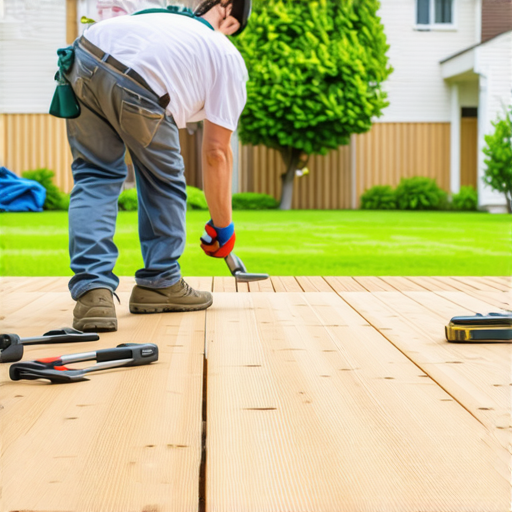
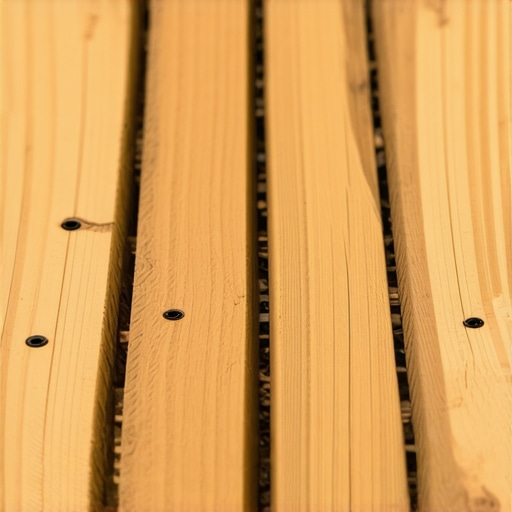
It happened last summer — I was knee-deep in renovating my backyard deck when I realized I’d overlooked something crucial: the fastening method. I was so eager to tackle the project that I chose what seemed like the easiest, most popular option: hidden deck fasteners. But as I got into the work, I started questioning if I’d made the right call. And honestly, I wondered if those hidden fasteners were always the best choice for everyone.
Why I Thought Hidden Deck Fastening Was The Ultimate Solution
At first glance, hidden fasteners seem like the perfect way to achieve a sleek, seamless look. No visible screws or nails means your deck looks clean and modern. Plus, they’re marketed as a way to prevent deck board movement and squeaks, which sounded appealing to me. I assumed that if I used hidden fastening systems, I’d have less maintenance down the line and a more aesthetically pleasing deck to enjoy for years.
However, my initial enthusiasm was soon tested by real-world challenges. As I dove into the installation, I realized that hidden fastening systems required specific tools, meticulous precision, and sometimes even special equipment I didn’t anticipate needing. I started to wonder: are these systems truly always the best choice, or are there trade-offs that could impact my deck’s safety and longevity?
According to experts in decking solutions, while hidden fasteners do offer a professional look, they’re not necessarily suitable for every situation. Factors like deck material, climate, and personal maintenance willingness play a significant role. For instance, some professionals advise caution because poorly installed hidden fasteners can lead to board warping or squeaking over time. It’s essential to weigh the pros and cons based on your specific circumstances.
If you’ve faced a similar dilemma — wondering whether to prioritize aesthetics or ease of installation — stay tuned. We’ll explore the realities of hidden versus face-fastened decks, including what I wish I’d known when I started. Understanding these distinctions can save you time, money, and frustration in your decking projects.
Making a Choice That Holds Up Over Time
Choosing the right fastening method isn’t just about looks. It’s about safety, durability, and your enjoyment of the space for years to come. For many homeowners, the debate comes down to personal preference and environmental considerations. To make an informed decision, I recommend checking out detailed guides like this article on composite decking tech which discusses how material advances influence installation choices today.
Before you pick a system, reflect on your ability to perform maintenance, your budget, and your ultimate goals for the deck. Remember, the right choice today can impact your deck’s safety and appearance decades into the future. If you’ve faced this common dilemma or have doubts, I’d love to hear your experiences — have hidden fasteners worked well for you, or do you wish you’d gone another route? Let’s navigate this together and build decks that not only look fantastic but also stand the test of time.
Gather Your Supplies and Prepare the Work Area
Start by collecting all necessary tools and materials, including the hidden fasteners compatible with your decking material. Clear the workspace of debris and ensure your deck surface is clean and dry to prevent slipping or misalignment during installation. I once skipped this step and spent extra time cleaning up afterward, which made me realize how crucial proper prep is for a seamless process.
Align the Decking Boards Precisely
Lay out your boards in the desired pattern, checking for even spacing using spacers or a dedicated gap tool. Accurate alignment minimizes the need for adjustments later, which can weaken the securing system. I remember using scrap wood as spacers, which helped keep consistent gaps—saving me headaches during fastening.
Install the Hidden Fasteners at Proper Intervals
Position the fasteners according to manufacturer instructions, typically at each joist line or every few feet along the board. Use a rubber mallet or a drill with a compatible attachment to seat them firmly. During my last project, I found that fasteners placed too close to edges caused cracking, emphasizing the importance of following recommended spacing guidelines.
Adjust for Different Wood Types and Conditions
For softer woods like cedar, embed fasteners slightly deeper to avoid surface protrusions. In humid climates, ensure boards are acclimated before installation, reducing expansion and contraction issues. I once rushed installing on wet wood and faced squeaks and warping within months, which taught me to adapt my technique based on environmental conditions.
Secure Fasteners Without Over-tightening
Use a screwdriver or drill to tighten fasteners until snug but avoid overtightening, which can damage the fasteners or the boards. Applying consistent pressure ensures a secure fit without compromising the integrity of the decking material. I learned this the hard way when overtightening caused the fasteners to crack the wood, leading to a costly fix.
Finish the Deck by Filling Gaps and Inspecting Installation
Check all fasteners for tightness and fill any gaps or uneven surfaces with wood filler or sealant if necessary. Walk across your deck to identify any loose boards or squeaks, correcting them promptly. A detailed inspection after my first installation revealed a loose board that I had missed, highlighting that a thorough review preserves long-term durability.
Maintain Proper Fastener Perimeter and Safety Considerations
Ensure fasteners are flush or slightly recessed to prevent tripping hazards. Also, confirm that all fasteners meet safety standards, like those outlined in the Needham deck stair code updates. Regularly inspecting your fasteners, especially after harsh weather, extends your deck’s lifespan and safety, as I’ve learned from experience with weather-related loosening.
Many homeowners assume that choosing the most popular or advertised deck builder guarantees quality and durability. However, this belief can lead to costly mistakes, especially if you’re unaware of hidden nuances that differentiate average from exceptional craftsmanship. For instance, a common misconception is that all deck builders follow the same standards for safety, when in reality, some may cut corners to save costs, risking structural integrity and safety. To avoid this trap, it’s essential to scrutinize a builder’s credentials, experience with local codes like the Needham deck stair code, and their track record for quality projects.
Let’s address a frequently overlooked detail: the importance of environmental considerations. Many don’t realize that certain materials or construction techniques suited for other regions may not perform well in Needham’s specific climate. For example, softwoods might warp faster if not properly treated, leading to premature deck failure. An expert might suggest exploring composite decking innovations that offer better resistance against local weather patterns.
Another nuance often missed is the significance of proper drainage and foundation work. Overlooking this can result in water pooling, wood rot, or even structural shifts over time. While many focus on aesthetics, I urge you to prioritize construction details that ensure longevity, such as implementing effective under-deck drainage systems or choosing appropriate footing types—information covered extensively in resources like extend your deck’s lifespan.
A critical misconception centers around the cost—homeowners often believe the lowest bid signifies the best deal. This isn’t necessarily true; the lowest quote might omit essential safety standards or high-quality materials. Conversely, opting for a builder with a transparent quote, verified credentials, and proven expertise in local building codes can save you money and headaches in the long run. Always perform due diligence by reviewing reviews, requesting references, and checking licensing status.
In summary, a true professional understands the nuanced factors that influence a deck’s safety, appearance, and lifespan. As you explore options, consider the points above, and don’t shy away from asking detailed questions. Remember, thorough research and a discerning eye are your best tools to avoid common pitfalls. Have you ever fallen into this trap? Let me know in the comments. Understanding these nuances ensures your project not only looks fantastic but also stands strong against time and weather.
Keeping your deck in top shape over the years requires more than just initial installation; it involves consistent maintenance and the right tools. As a homeowner aiming for durability, investing in quality equipment and establishing effective routines can make all the difference. I personally swear by certain tools that have proven their worth through my own projects, ensuring my deck remains safe, beautiful, and functional long after the build.
Invest in a Quality Power Drill and Fastening System
A reliable cordless drill with a variable speed setting is indispensable. It allows precise control when installing fasteners, reducing the risk of over-tightening or damaging the material. I prefer models with brushless motors—like the DeWalt DCD791D2—because they offer greater efficiency and longer lifespan. When working with hidden fasteners, having an attachment specifically designed for flush installation can save time and ensure consistent depth, which is vital for safety and aesthetics.
Use a Deck Inspector for Regular Check-Ups
Visual inspections should be part of your routine maintenance. A magnifying glass with a built-in or stand-mounted flashlight helps detect early signs of rust, rot, or loose fasteners. Personally, I dedicated an hour quarterly to walk my deck, paying close attention to joists, fasteners, and surface areas. This proactive approach allows me to catch issues early and prevent costly repairs. For comprehensive assessments, consider professional evaluations, especially if your deck experiences heavy foot traffic or severe weather conditions.
Employ Protective Coatings and Sealants
Applying high-quality stains or sealants, like those recommended for composite or pressure-treated wood, protects against moisture, UV rays, and pests. A sprayer with adjustable pressure—such as the Wagner Control Spray Max—makes the application process go faster and more evenly. Remember, reapplication is key; I follow the manufacturer’s schedule, typically every 2-3 years, to maintain the deck’s integrity.
Plan For Future Trends
The industry is moving towards smarter maintenance tools. Automated moisture meters and digital inspections can help monitor your deck’s health remotely. Predictive maintenance software, integrated with weather data, could soon alert homeowners of upcoming risks like heavy rain or freeze-thaw cycles that accelerate wear. Staying updated with these innovations, such as the latest from the composite decking tech evolution, can give you a competitive edge in preserving your investment.
How do I keep my deck working through the seasons?
Adapting your maintenance routine to seasonal changes is crucial. In early spring, clean off debris, check for damage from winter storms, and reapply protective coatings if necessary. Summer requires regular rinsing to remove dirt and prevent mold growth—specialized low-pressure washes are gentle yet effective. Autumn’s falling leaves and increased moisture call for more frequent inspections, and winter demands safety precautions like snow removal without damaging the surface. Investing in tools like a lightweight, ergonomic snow broom and a high-pressure washer with gentle spray settings makes this task safer and more efficient. I highly recommend trying out a combination of these tools and routines; they will help extend your deck’s lifespan while keeping it safe for family gatherings and outdoor activities.
Lessons I Wish Someone Told Me About Deck Fastening
Early on, I underestimated how crucial the choice of fasteners was, assuming all options would perform equally. It wasn’t until I faced squeaks and warping that I realized the importance of detailed research—now I prioritize manufacturer guides and professional reviews more than ever.
One lightbulb moment came when I discovered that environmental factors significantly impact fastening performance. For instance, in our humid climate, certain fasteners corrode faster if not specially treated, a detail I had overlooked. Now, I always match my materials to local weather conditions to ensure longevity.
Another lesson was the value of meticulous alignment and spacing during installation. Rushing this step led to uneven boards and early damage, reminding me that patience and precision pay off in the long run.
Finally, I learned that ongoing maintenance, like regular inspections and using quality sealants, can dramatically extend the life of your deck. Investing in good tools and setting a routine makes the process manageable and rewarding.