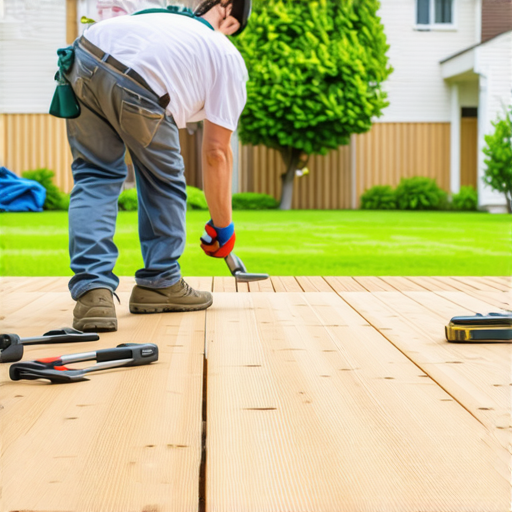

One summer afternoon, I was unwinding on my deck when I suddenly realized—could my guardrail really meet the new 2026 code standards? It was a lightbulb moment, but also a bit alarming. Like many homeowners, I had overlooked how building codes evolve, especially when it comes to something as seemingly simple as guardrail height. That day, I promised myself I wouldn’t leave safety to chance anymore.
Understanding the Impact of New Codes on Your Deck Safety
Upgrading your deck to stay compliant isn’t just about obeying rules—it’s about ensuring the safety of everyone who enjoys your outdoor space. The 2026 building codes introduce specific requirements for guardrail heights, which might mean your current setup needs some attention. If you’re like me, you might be wondering whether your existing guardrails cut the mustard or if they could become a liability.
Questioning the Real Need for Upgrades
Am I overreacting, or does this really matter? I thought I had a sturdy deck, but the truth is, many older decks don’t meet the upcoming standards, and ignoring this could lead to safety risks or even legal issues. Early on, I made the mistake of assuming minor adjustments weren’t necessary—until I learned that non-compliance could result in fines or worse, accidents. According to the National Fire Protection Association, substantial injuries could result from poorly built guardrails, especially in residential settings. So, yes, this matters more than I initially thought.
Are you facing the same dilemma? Have you checked whether your deck’s guardrails meet the upcoming 2026 standards? If not, don’t worry—we’re about to dive into how to determine if your deck is up to code and what steps to take to ensure safety and compliance.
Assess Your Current Guardrails for Compliance
Begin by measuring the height of your existing guardrails at multiple points using a reliable tape measure. Compare these measurements against the upcoming 2026 standards, which require guardrails to be at least 42 inches high. Take photos of your current setup to document condition and to help identify areas needing work. Make sure to check for weaknesses or instability, like loose posts or wobbly handrails, by gently applying pressure to detect movement. Recall a time I did this—my old guardrails were a few inches too short and wobbly, prompting immediate action. Accurate assessment saves time and prevents overlooked hazards.
Identify Tools and Materials Needed
Gather essential tools such as a drill, level, measuring tape, saw, and protective gear. Depending on your findings, you may need new posts, hardware, or replacement panels. For quick upgrades, consider using deck scraps to reinforce or extend your existing structure without costly replacements. Having the right tools and materials ready streamlines the process and keeps you focused. For instance, I once underestimated the power of a sturdy level; without it, I installed a wobbly railing that didn’t meet code and had to redo the entire job—lesson learned.
Plan and Design Your Upgrades
Before cutting or installing, sketch a detailed plan or use design software to visualize the result. Ensure your new guardrails will meet all height and strength requirements, including spacing and load capacities. Think of this step like building a puzzle—you want all pieces fitting perfectly for safety and aesthetic appeal. I remember drawing out my plan on napkins, which helped me realize that slightly taller posts would improve stability without compromising appearance. This planning phase minimizes mistakes and aligns your project with local codes.
Secure Necessary Permits and Find Qualified Help
Check with your town’s building department to see if permits are required for your upgrades. If the scope is beyond basic repairs, consider hiring a licensed Needham contractor to ensure adherence to safety standards and building codes. Trying to DIY complex structural modifications without experience can lead to unsafe results. I once attempted to retrofit my guardrails myself but ran into challenges; hiring a professional not only saved time but also guaranteed compliance and safety, giving me peace of mind.
Execute Your Upgrades with Precision
Start by removing any damaged or non-compliant parts. Use your measurements to cut new posts or panels accurately, ensuring they align perfectly. Install them utilizing weather-resistant hardware, and double-check with a level that each component is plumb and level. Reinforce joints and connections with appropriate fasteners, adhering to manufacturer instructions and code requirements. During my project, I made sure to double-check each step, which prevented future wobbling or failures. Remember, precise execution is crucial for long-term safety and durability.
Inspect and Finalize the Safety Checks
Once your upgrades are complete, thoroughly inspect all guardrails for stability, strength, and compliance. Use your checklist to cross-verify measurements and connections. Test stability by applying gentle pressure—if anything shifts or wobbles, reinforce those areas. Consider consulting this detailed checklist for guidance. After my upgrade, a quick safety test revealed a loose post—tightening it resolved the issue instantly. Regular inspections post-upgrade prolong safety and help catch wear and tear early.Many homeowners believe that hiring a deck builder is simply about choosing someone with the lowest bid or the fastest turnaround. However, this oversimplification often leads to costly mistakes. In my experience, one of the most common misconceptions is that all deck builders are equal, and that service quality doesn’t vary significantly. But the truth is, expertise, attention to detail, and understanding local building codes, especially in a place like Needham, set the top professionals apart. Relying solely on price can result in subpar craftsmanship, which may compromise safety and longevity.
Another overlooked nuance is the importance of a thorough site assessment before any work begins. Many assume that the scope is straightforward—measurements, materials, and a bit of construction. Yet, expert deck builders perform comprehensive evaluations to identify potential issues like soil instability, drainage problems, or existing structural weaknesses that could affect the project’s longevity. Skipping this step can lead to hidden costs down the line or even safety hazards, emphasizing the need to choose contractors who prioritize proper assessment.
A common trap homeowners fall into involves overestimating the durability of certain materials without considering regional weather effects. For example, some believe composite materials are maintenance-free, but neglect to account for their response to Massachusetts winters, which can be harsher than assumed. That’s why partnering with a knowledgeable professional who understands local climate influences—like Needham’s seasonal rain and snow—is crucial. They can advise on materials and protective treatments that truly extend the lifespan of your deck.
For advanced readers pondering long-term investment, a key question arises: How do you verify a contractor’s knowledge of evolving building codes without prior familiarity? The answer lies in asking specific questions about recent code updates—such as the upcoming 2026 standards—and requiring proof of compliance. A credible professional will have a clear understanding of these changes and incorporate them into their planning. This proactive approach not only ensures safety but also helps avoid costly rework or legal issues later.
Research from industry expert sources indicates that failure to adhere to updated building standards can significantly reduce a deck’s lifespan and safety—leading to potential liability and homeowner’s insurance complications. Therefore, selecting a Needham deck builder who stays current with local regulations and best practices is a wise investment. You might want to review their track record or request references to confirm their expertise.
Have you ever fallen into this trap? Let me know in the comments. Remember, choosing a deck builder isn’t just about price—it’s about trusting your contractor’s proficiency to deliver safety, durability, and aesthetic appeal that lasts for decades.Maintaining a durable and safe deck over the years requires more than annual inspections; it demands the right tools, consistent methods, and a proactive approach. As a Needham homeowner, investing in high-quality equipment ensures your deck remains inviting and compliant with evolving standards. I personally rely on a combination of precision measurement tools and weather-resistant maintenance products to keep my deck in top shape.
One essential tool I can’t do without is a digital laser level. Unlike traditional bubble levels, a laser level projects a continuous laser line across multiple points, allowing me to check the evenness of my deck surface and guardrails simultaneously. This ensures that all structural elements meet both aesthetic and safety standards, aligning with [the importance of professional layout plans](https://deckbuildersneedham.com/why-a-professional-deck-design-is-better-than-a-generic-app). Regular use of a laser level helps catch subtle shifts or unevenness before they become costly repairs.
A high-quality cordless impact driver also ranks high on my list. It makes installing new fasteners or adjusting existing hardware quick and effortless, especially in confined spots. Using impact drivers with the right bits, like corrosion-resistant stainless steel, ensures the longevity of fasteners, which is critical for the safety of guardrails and stairs. For long-term results, I always pair my hardware with sealants designed specifically for outdoor environments, such as penetrating deck sealers that resist moisture and UV damage.
Seasonal weather poses one of the biggest threats to deck integrity. To combat this, I swear by a combination of waterproofing sprays and slip-resistant coatings. Applying these on a biannual basis forms a protective barrier against Massachusetts winters and summer humidity, extending the life of composite and wood decks alike. Remember—proper protective coatings can reduce long-term maintenance costs and prevent issues like warping or rot.
Looking ahead, automation and smart technology are beginning to influence deck upkeep. Emerging tools that auto-apply sealants or monitor structural shifts through sensors could soon streamline maintenance further. Plotting to adopt such innovations can keep your deck safe without extensive manual effort.
### How do I keep my deck functioning over time?
Incorporate regular inspections with your high-quality tools, promptly address minor issues, and schedule seasonal maintenance routines. Be sure to document your work with photos to track changes, which can be invaluable when hiring a professional Needham contractor for detailed upgrades or repairs. Proper upkeep, combined with precise tools, ensures your outdoor space remains a cherished part of your home for decades.
If you haven’t already, try using a laser level to check the evenness of your guardrails—it’s a game-changer in catching unseen issues early. Remember, investing in the right tools today can save you time and money tomorrow, especially as building codes become more stringent. Keep your deck safe, functional, and beautiful with a methodical approach to maintenance and the latest equipment.
What the Quietest Lessons Did About Deck Safety
One of the most powerful lessons I learned was that overlooking minor details, like the sturdiness of a guardrail post, can lead to unexpected hazards. Small signs of wear or looseness often whisper warnings that should not be ignored. Recognizing these clues early on saved me from costly repairs and, more importantly, unsafe situations.
I also discovered that trusting my intuition—like noticing when a handrail wobbles slightly—can be more insightful than reading every manual or regulation. Sometimes, a simple shake test reveals issues that measurements might miss, emphasizing the value of hands-on inspection in home safety.
Moreover, engaging with reputable resources, such as detailed checklists from professional sources, transformed my approach from reactive to proactive. It’s these subtle shifts—paying close attention and trusting personal judgment—that make all the difference in maintaining a safe deck environment.
My Gear Picks That Save the Day
To keep my deck in top shape, I depend on a selection of trusted tools. A digital laser level has been a game-changer, allowing me to spot unevenness that could compromise safety. I also swear by impact drivers with corrosion-resistant fasteners, ensuring that my guardrails withstand weather and time. For seasonal protection, applying quality waterproofing sprays helps prevent moisture damage, extending the lifespan of my deck materials. These tools and products have been instrumental in my DIY journey, and I believe they can do the same for you.
Believe in Your Deck’s Future—Start Today
Your outdoor sanctuary deserves to be safe and beautiful for years to come. Embrace the lessons learned, gather the right tools, and take action now. With the right mindset and resources, upgrading your deck to meet 2026 standards isn’t just achievable—it’s empowering. You have the ability to create a space that’s both inviting and secure, ensuring many joyful gatherings ahead.