
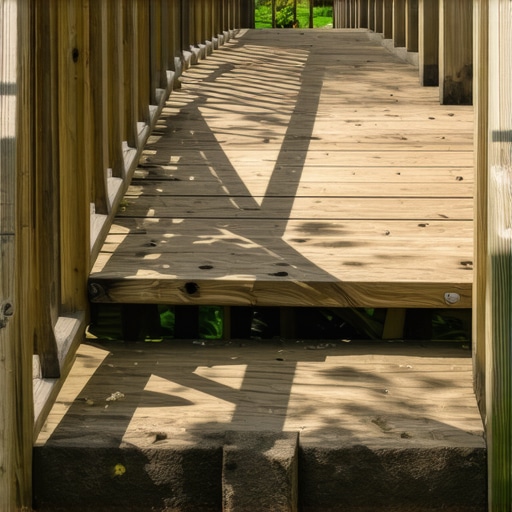
I’ll never forget the moment I almost took a tumble down my deck stairs last summer. The wood was creaky, and a loose railing nearly sent me sprawling. It was a lightbulb moment—realizing how easily a potentially dangerous staircase can hide warning signs. If you’re like me, home safety isn’t something to overlook, especially when it comes to those often-used outdoor steps. Over time, wear and tear can silently jeopardize your family’s safety, making regular inspections vital.
Why Your Deck’s Safety Should Never Be Taken Lightly
Your deck isn’t just an outdoor feature; it’s a space where family memories are made. Yet, every year, numerous accidents happen because homeowners ignore the signs of structural compromise. According to the Consumer Product Safety Commission, thousands of injuries occur annually from deck failures, many of which are preventable through simple safety checks. The good news? Most issues are straightforward to identify and fix if you’re aware of what to look for.
Is Deck Safety Overhyped or Truly Crucial?
Early in my deck maintenance journey, I made a rookie mistake—ignoring small cracks in the stringers, assuming they’d be harmless until I experienced a slight wobble. That’s when I learned that neglecting minor issues can lead to significant hazards. The key is proactive inspection, not waiting for a visible disaster. If you’re skeptical about whether these warning signs really matter, consider how a minor rot or loose component can escalate quickly if left untreated. Want a detailed guide? Check out this article on stair stringer maintenance for more insight.
Now, let’s delve into the four warning signs that could be putting your staircase at risk, and how you can spot them before it’s too late. Recognizing these signs early can save you money, hassle, and most importantly—prevent injuries. Ready to take action? Keep reading!
Inspect Your Deck Thoroughly and Regularly
Start by visually examining every part of your deck, focusing on areas prone to wear like the joists, railings, and posts. Safety inspections should happen at least once a year, ideally after harsh weather. During my last inspection, I noticed a slight wobble in a railing post. I carefully wiggled it and found a loose base plate. This immediate discovery allowed me to tighten the fasteners before any accidents could occur, highlighting the importance of paying attention to small, often-overlooked details.
Check for Structural Damage and Rot
Look for soft spots or spongy areas, especially on the deck boards and support beams. Use a screwdriver or a small hammer to gently tap suspect areas—listen for hollow sounds. For instance, I once identified rotting stringers beneath my deck that appeared fine from above. Removing a few boards exposed the damage, enabling me to replace compromised sections and prevent potential collapse. Maintain a mental checklist of common rot spots: ledger boards, beam connections, and post bases.
Assess the Stability of Support Posts and Anchors
Ensure all posts are firmly anchored and show no signs of leaning or shifting. Use a level to verify vertical alignment, and check whether concrete footings are cracking or eroding. I recall fixing a leaning post that was destabilized by soil erosion. By installing new anchors and reinforcing the footing, I restored stability and safety. Remember, loose or unstable supports are a major hazard and should be addressed promptly.
Test Hardware and Fasteners for Wear and Corrosion
Carefully examine all nails, screws, and bolts for rust, corrosion, or loosening. Replace any hardware showing signs of deterioration. During one project, I replaced temporary old nails with stainless steel screws, knowing they resist corrosion better—crucial in humid Massachusetts weather. Regularly tightening loose fasteners also prevents structural shifts over time.
Inspect Railing and Balustrade Components
Railing posts and balusters bear the brunt of user interaction. Pivot or shake each element to detect looseness. I once found a broken baluster that was barely visible from the ground. Replacing it not only improved safety but also maintained visual appeal. Don’t forget to check the connections where the rails attach to the posts, ensuring they’re secure and intact.
Identify and Correct Water Damage
Water intrusion leads to rot, weakening structural parts. Look for discoloration, mold, or peeling paint. I observed fungal growth on a deck ledger, which led me to add flashing and sealant to prevent further moisture intrusion. Regular cleaning and sealing are vital. Turning your inspection into a routine helps catch issues early with minimal effort.
Look for Signs of Pest Damage
Insects like termites or carpenter ants can silently damage your deck’s framing. Tap suspect areas for hollow sounds and check for sawdust or termite tubes. Once, I discovered termites behind a loose fascia board. I called professionals to treat the infestation, saving my deck from significant compromise.
Use Practical Tools and Resources for a Better Assessment
Tell me, have you considered using a level, moisture meter, or a flashlight to peer into hard-to-see spots? These tools can reveal hidden issues like leaks or rot. For comprehensive guidance on fixing structural problems, explore this detailed article on stair stringer maintenance. Taking a methodical approach ensures nothing gets overlooked.
Document and Prioritize Repairs
After your inspection, create a list of issues ranked by severity. Address critical safety hazards first—like loose supports or rotten beams—and plan to fix minor issues during upcoming maintenance. I learned this the hard way when ignoring small cracks led to a costly structural failure years later. Keeping detailed records helps you stay proactive and organized.
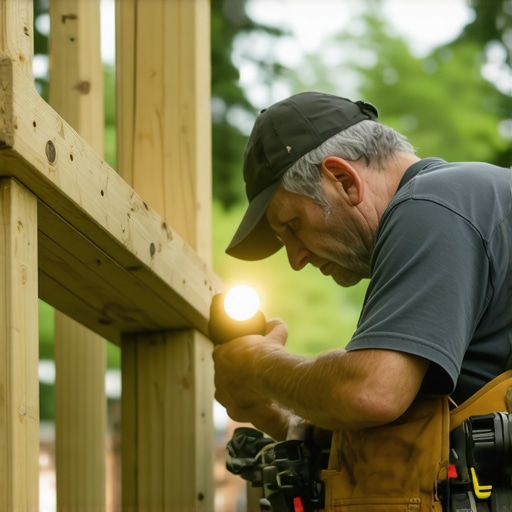
Many homeowners believe that hiring a deck builder in Needham is simply about choosing the lowest bid or the most visually appealing design. However, this oversimplification overlooks critical nuances that can make or break the longevity and safety of your deck. As an expert with years of experience navigating Needham’s unique climate and construction standards, I’ve seen common misconceptions that lead to costly mistakes.
For instance, a widespread myth suggests that any contractor who claims to be licensed and insured is automatically qualified. While licensure is essential, it doesn’t guarantee expertise in local codes, weather resilience, or material selection suitable for Needham’s environment. Some homeowners overlook the importance of evaluating a contractor’s understanding of specific issues like moisture management or soil stability, which can significantly impact your deck’s performance over time.
Don’t Fall for the ‘One-Size-Fits-All’ Approach
Another trap many fall into is assuming that all decks are the same, and therefore, standard solutions suffice. But in reality, factors like soil type, drainage, and proximity to the house influence construction methods. Neglecting these details can cause structural issues that aren’t immediately visible—leading to sagging, rot, or even failure down the line. To avoid this, I recommend consulting professionals who tailor their strategies to your specific site conditions. For example, properly anchoring posts considering soil erosion risks in Needham’s varied terrain is crucial and often misunderstood by inexperienced builders.
One advanced consideration often overlooked is proper flashing installation at ledger boards, a top cause of water damage and rot in decks. Many assume that standard flashing suffices; however, recent studies show that improperly installed or neglected flashing accounts for over 60% of deck failures caused by water intrusion (source: National Association of Home Inspectors). This nuance underscores the importance of hiring skilled professionals who understand the subtlety of such details—to prevent silent damage that can be deadly over time.
Furthermore, matching the right materials to local conditions can extend your deck’s lifespan dramatically. PVC decking, for example, is highly resistant to moisture and mold, making it ideal for Needham’s humid summers and snowy winters. Alternatively, composite options like TimberTech or Trex offer durability but require proper installation to avoid slipping hazards or fading issues in the sun. When choosing a contractor, ensure they are knowledgeable about these materials and installation techniques; otherwise, even premium products may fail prematurely.
In summary, the hidden nuance lies in selecting a contractor who not only meets the baseline qualifications but also understands the local environment, site-specific challenges, and advanced construction practices. This insight can save you thousands and ensure your deck remains a beautiful, safe space for years to come. Want more detailed advice? Explore how to incorporate built-in features or learn about preventing stair rot. Remember, investing in expertise pays off in longevity and safety. Have you ever fallen into this trap? Let me know in the comments.
Maintaining your deck’s performance over the years requires more than just occasional inspections—it demands the right tools and a systematic approach. From moisture meters to specialized fasteners, using precise equipment ensures you catch issues early before they turn costly. In my experience, investing in high-quality, reliable tools not only saves time but also enhances the accuracy of assessments, ultimately prolonging your deck’s lifespan.
How do I keep my deck running smoothly with the right tools?
One indispensable device I rely on is a digital moisture meter. This tool allows me to detect hidden water intrusion in wood or composite materials, especially in areas prone to rot like ledger boards or beneath stair stringers. For example, when I suspect hidden rot behind a fascia board, I use the moisture meter to confirm moisture levels before proceeding with repairs. This prevents unnecessary removal of intact materials and focuses efforts precisely where needed.
Another essential accessory is a high-lumen flashlight coupled with a mirror attachment. It helps me inspect hard-to-reach spots—like underneath the deck or inside support post pockets—for signs of pests or water damage. These little details can save you from large-scale problems down the line. Plus, a good pair of gloves and a sturdy screwdriver set round out the toolkit, making routine inspections safe and productive.
Looking ahead, I predict smart inspection devices will become more prevalent. Imagine sensors embedded into your deck post brackets that monitor stress and moisture levels constantly, syncing data to your smartphone. This level of automation could revolutionize long-term maintenance, allowing homeowners to catch issues early without manual checks alone.
Maintain your deck’s integrity over time by forging a routine
Creating a regular inspection schedule—at least twice a year—ensures your deck stays safe and in top condition. During each session, I conduct a thorough visual check, supplemented with moisture readings in critical areas. If you notice elevated moisture levels or loose fasteners, prioritize repairs immediately. This proactive approach prevents small problems from escalating into structural failures or safety hazards.
For example, I recently replaced corroded fasteners with stainless steel screws, a simple step that significantly improved support stability. Similarly, applying a waterproof sealant to vulnerable joints seals out moisture and extends the life of your materials. Remember, using quality fasteners like those recommended in this guide helps prevent premature deterioration.
Don’t forget about weather-responsive maintenance—especially in climates like Needham’s where snow and rain are common. Installing a solar-powered drainage monitor or a drip edge can help redirect water away from critical joints. These additions reduce water pooling, a prime factor in rot and decay. The trend leans towards integrating such innovative solutions for smarter, easier upkeep in the future.
Tools that make a difference and how to use them wisely
Practicing proper maintenance techniques with the right equipment is paramount. For instance, a cordless impact driver speeds up fastener replacements, making routine checks quick and less labor-intensive. When inspecting joist connections, a torque wrench ensures screws are tightened to manufacturer specifications, maintaining structural integrity. My advice? Invest in quality tools, learn their correct usage, and incorporate them into your seasonal inspections for best results.
Finally, staying informed about new tools and techniques can help you optimize long-term performance. Participating in online forums or subscribing to industry updates—like the insights found here—keeps you ahead of common pitfalls and emerging innovations. Experiment with one advanced tip today: try a moisture meter on hidden areas of your deck and document the readings. Improving your maintenance routine now will pay dividends by ensuring safety, durability, and beauty in your outdoor space for years to come.
What I Wish I Knew About Maintaining Decks Before Getting Serious
One of the most eye-opening lessons I learned was that superficial inspections can be deceiving. I once failed to check beneath the surface, and that oversight nearly cost me dearly. Regularly peeling back the surface—whether through detailed visual checks or probing with tools—reveals hidden issues like rot or pest damage, saving you from unexpected failures later on.
Another insight came from understanding that early signs of deterioration are often easy to miss unless you’re paying close attention. Loose fasteners, soft spots, or small cracks may seem trivial, but they can escalate quickly. Investing time in thorough inspections with the right tools, like moisture meters and powerful flashlights, makes all the difference.
Lastly, I discovered that trusting a one-size-fits-all solution is a mistake. Every deck, especially in a climate like Needham’s, demands a customized approach—materials suited to weather, the correct installation practices, and site-specific considerations. It’s worth consulting professionals who understand these nuances; their expertise can significantly extend your deck’s lifespan.
My Favorite Tools for Keeping Your Deck Safe and Sound
To ensure my deck remains sturdy, I rely on a digital moisture meter—it’s remarkable how easily water infiltration goes unnoticed. It helps me detect hidden rot behind boards or beneath ledgers, acting as an early warning system. Combining this with a high-lumen flashlight equipped with a mirror allows me to peer into tight spots and observe signs of pests or decay that would otherwise be invisible.
For routine inspection, I also keep a set of impact drivers and torque wrenches handy. They help tighten fasteners properly and quickly. I’ve learned that quality tools are an investment that pays off, reducing repair costs and prolonging your deck’s safety.
Looking ahead, I’m excited about new tech like embedded sensors that monitor moisture and stress levels in real-time. Although not widely available yet, these innovations could make routine maintenance proactive, ensuring safety without constant manual checks.
Your Step Forward in Deck Safety Starts Today
Remember, a well-maintained deck isn’t just about aesthetics—it’s about protecting your loved ones and preserving your investment. Regular inspections, using the right tools, and seeking professional guidance when needed can give you peace of mind and extend the beauty of your outdoor space.
What has been your biggest challenge in maintaining or inspecting your deck? Share your experience below—I’d love to hear your story and help you find tailored solutions in Needham!
This post really emphasizes how critical regular, detailed inspections are for maintaining deck safety, especially when it comes to support posts and fasteners. I remember last season, I overlooked a small crack in one of my support beams, thinking it was just superficial. It wasn’t until I did a thorough check with a moisture meter and a small hammer that I uncovered signs of rot that could have compromised the entire structure. It’s a good reminder that even minor issues, if ignored, can escalate quickly.
I’m curious—what are some of the best tools you’ve found for DIY water damage detection? I’ve been considering investing in a good moisture meter to add to my toolkit. Also, how often do you recommend doing such detailed inspections, especially in areas prone to water pooling? I’d love to hear more tips from others who’ve faced similar challenges, particularly in climates with high humidity like here in Maryland.
This article really highlights the importance of proactive deck maintenance, and I couldn’t agree more. I’ve seen firsthand how small issues can quickly turn into major safety concerns if left unchecked. I recently pulled out my support beams for a closer inspection after noticing a few soft spots. Using a moisture meter, I confirmed some hidden rot that wasn’t visible from above. It’s a reminder that a thorough, regular check can save you from unexpected costs and accidents.
One challenge I’ve faced is identifying pest damage, especially since it can be quite sneaky. I found tiny sawdust piles near one support post and decided to investigate further. Turns out, termites had begun to chew away at the wood—an alarm bell that these silent destroyers can cause significant damage over time.
Has anyone else found innovative ways or tools to detect pests or water damage early? It seems like combining visual inspections with strategic use of specialized tools can make a real difference. I’d love to hear other tips for maintaining decks in high-humidity environments where moisture issues are more prevalent.