One winter morning, I stepped outside, expecting a peaceful snow-covered landscape. Instead, I was greeted by a cringe-worthy sight: warped, cracked deck boards partially buried under a heavy layer of snow, with a few half-melted patches revealing dark, damaged wood beneath. It was a lightbulb moment for me—snow isn’t just a fleeting winter beauty; it can silently cause long-term damage when not managed properly.
Why Snow Can Be Your Deck’s Hidden Enemy
Dealing with snow on your composite deck might seem straightforward—scoop, shovel, or brush it away, right? But in my early days, I underestimated the importance of the correct snow management techniques. I used a metal shovel, thinking it would speed things up. Big mistake. Metal shovels can scratch or gouge the surface, leading to potential cracks and structural vulnerabilities over time.
Managing snow isn’t just about keeping your decks visually appealing. Proper care helps preserve their longevity and safety. Excess moisture, especially when trapped under snow or ice, can promote mold, mildew, and even cause the materials to degrade faster. According to a recent study, water infiltration is one of the leading causes of deck failure, emphasizing why diligent snow removal is essential.
What We’re Going To Cover Today
In this post, I’ll share my personal experience with managing snow on composite decks and reveal the do’s and don’ts that have kept my outdoor oasis in tip-top shape year after year. Whether you’re a seasoned DIYer or a homeowner new to snow season, these practical tips will help you protect your investment and ensure your deck stays safe and beautiful through every winter storm.
Have you ever faced the frustration of discovering winter damage on your deck after spring?
I know I did! Early missteps, like using the wrong tools or neglecting to clear snow promptly, taught me valuable lessons. Even a small mistake can lead to costly repairs down the line. To truly understand how to keep your composite deck in pristine condition regardless of the weather, let’s dive into the best practices and common pitfalls to avoid.
Ready to become a snow management pro? Let’s get started.
.
Clear Snow Promptly Using the Right Tools
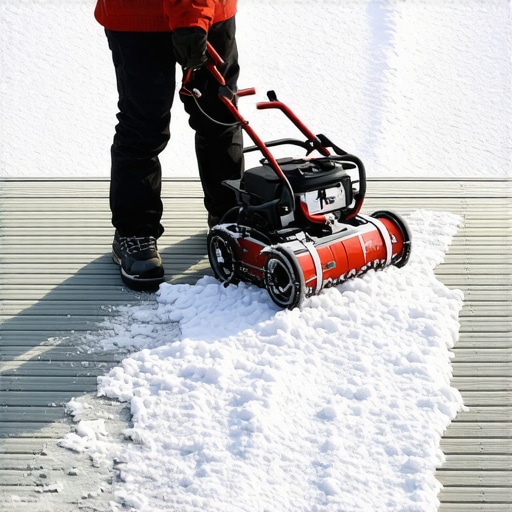
During a snowstorm, I learned the hard way that using the wrong tool can damage your deck. I initially attempted to shovel the snow with a metal-bladed shovel, thinking it would speed up the process. However, I ended up scratching the surface and causing minor gouges in the composite material. To avoid this, choose a plastic or rubber-bladed shovel, which is gentle on deck surfaces and effective at removing snow efficiently. Think of it as using a soft brush instead of a metal scraper to clean delicate jewelry; it preserves the integrity while getting the job done.
Timing Is Everything for Snow Removal
Wait for the snow to settle and cross the 2-inch threshold before clearing. Removing snow promptly prevents it from compacting or turning into ice, which is far harder to remove and more damaging. I found that using a snow broom with a long, soft brush head allowed me to sweep snow off my deck without exerting excessive pressure, reducing the risk of damaging the surface. This proactive approach also minimizes water infiltration, which can lead to rot or mold over time. It’s like brushing crumbs off a table before they harden; quick action keeps your deck in pristine shape and extends its lifespan.
Use Ice Melt Wisely
Applying ice melt or rock salt can help in icy conditions, but overuse can corrode hardware and discolor your deck. I discovered that choosing a calcium magnesium acetate-based deicer was safer for my composite surface. Apply it sparingly and only where ice poses a hazard, avoiding the surface directly as much as possible. Think of it as seasoning a dish—you want just enough to enhance, not overwhelm. When combined with physical removal methods, this technique keeps your deck safer and snow-free without risking damage.
Inspect and Maintain Regularly
After snow season, I inspected my deck for any signs of damage or wear. Pay special attention to loose boards, cracks, or nail heads that might have shifted during storms. Regular maintenance, including tightening fasteners and sealing cracks, prevents small issues from escalating. I found that taking a proactive stance keeps my deck ready for the next winter and preserves its aesthetic appeal. For example, replacing loose screws with high-quality corrosion-resistant options, as discussed in [best screws for fixing loose boards](https://deckbuildersneedham.com/best-screws-for-fixing-loose-boards-on-older-decks), is a simple step that pays off long-term.
Protect Your Deck’s Edges and Corners
Snow tends to accumulate more on edges and corners, leading to ice buildup that can be heavy and cause warping. To mitigate this, I used a snow rake with an extendable handle to pull snow off these vulnerable areas. This method provides leverage and control, preventing stress on the deck’s structure. Think of it like removing your winter coat carefully to avoid stretching or tearing; mindful removal preserves the deck’s shape and function. Additionally, installing gutter systems as recommended in [why your deck needs gutters](https://deckbuildersneedham.com/why-needham-decks-need-special-treatment-for-new-england-rain) helps direct melting snow away from critical areas and reduces buildup over time.
Plan for Melting and Drainage
Improper drainage can leave pockets of water that freeze and cause damage. I ensured my deck had proper slope and drainage channels, which I reviewed with a quick test available at [is your deck board span too wide](https://deckbuildersneedham.com/is-your-deck-board-span-too-wide-heres-the-test). By keeping water flowing away efficiently, I avoided puddles that would refreeze overnight, leading to potential ice damage. Installing proper drainage systems and ensuring the deck surface remains dry are fundamental steps in winter-proofing your outdoor space. Think of it as building a slope for your driveway; water naturally flows away, protecting your investment in the long run.Many homeowners believe that selecting the right deck materials is all it takes for a long-lasting outdoor space. However, as an expert in Needham deck construction, I can tell you that the nuanced details can make or break your project’s success. One common misconception is assuming that all fasteners are equal; in reality, using the wrong screws can lead to premature wood rot or loose boards. For example, opting for generic nails instead of corrosion-resistant screws, like those recommended in [best screws for fixing loose boards on older decks](https://deckbuildersneedham.com/best-screws-for-fixing-loose-boards-on-older-decks), can significantly reduce your deck’s lifespan.
Another myth is that regular maintenance isn’t necessary if you choose quality materials. While choosing durable composites is advantageous, neglecting inspections or proper sealing can lead to costly repairs down the line. Advanced homeowners understand that a subtle but critical detail is the joist spacing. Many assume that standard spacing suffices, but minimizing board span—checked by the simple test at [is your deck board span too wide?](https://deckbuildersneedham.com/is-your-deck-board-span-too-wide-heres-the-test)—ensures better weight distribution and reduces sagging.
You might also be surprised to learn that overlooking seasonal drainage planning is a sneaky pitfall. Proper grading and gutter systems, as explained in [why your deck needs gutters](https://deckbuildersneedham.com/why-needham-decks-need-special-treatment-for-new-england-rain), prevent water pooling and ice formation, which is a common cause of warping. Ignoring this nuance can silently undermine structural integrity over time.
Additionally, many believe that prefab solutions eliminate needs for custom assessments. In reality, the complexities of Needham’s weather—like freeze-thaw cycles—call for tailored designs. For instance, integrating [modern bench styles](https://deckbuildersneedham.com/7-modern-bench-styles-for-entire) with your deck can provide both aesthetic appeal and functional resilience, but only if the underlying structure accounts for local conditions.
Making a mistake in one of these subtle areas can have ‘oops’ moments: unexpected warping, loose boards, or premature failure. That’s why consulting with a professional who understands these nuances—like the holistic approach discussed in [the pros of prefabricated deck steps](https://deckbuildersneedham.com/the-pros-of-prefabricated-deck-steps-for-quick-install)—is invaluable.
Have you ever fallen into this trap? Let me know in the comments. Remember, a well-informed homeowner can spot these hidden pitfalls before they turn into costly repairs, ensuring your Needham deck remains the pride of your outdoor space for years to come.
Keeping your deck in top shape year-round requires the right tools that not only make maintenance tasks easier but also help prevent costly repairs down the line. Over the years, I’ve refined my toolkit with industry-specific equipment that ensures durability, safety, and aesthetic appeal. Let me share some insights on the tools I personally rely on to keep my Needham deck performing at its best.
Invest in a High-Quality Cordless Drill
A versatile cordless drill is an absolute must. Not all drills are created equal—choose one with adjustable torque settings and a high-amp motor, like the DeWalt DCD791D2. I use this model because it handles both screwing new fasteners and removing stubborn old ones effortlessly, especially when re-tightening loose boards. When your fasteners are secure, it reduces the risk of shifting or warping over time, crucial in Massachusetts’ varying climates.
Use a Deck-Specific Circular Saw
When I need to replace damaged sections or trim boards to fit perfectly, I rely on a circular saw with a fine-tooth blade, such as the Makita 5007Mg. Its precision cut capacity and ergonomic design allow me to make clean cuts without splintering the composite material. Accurate cuts prevent water pooling or debris trapping, which can accelerate deterioration.
Installing Gutter Systems Requires Heavy-Duty Tools
Proper drainage protects your deck from frost damage. For installing gutters or drainage channels, a sturdy cordless drill paired with sealant guns ensures seamless connections. I prefer the Ryobi One+ series for compatibility across my toolkit and ease of use. Consistent sealing and secure attachments prolong the lifespan of your drainage solutions, especially during our harsh winters.
Efficient Cleaning Tools Save Time and Maintain Appearance
A good leaf blower, like the EGo Power+ cordless blower, helps me clear debris without damaging the surface. Regular removal of leaves and dirt prevents moisture retention, which leads to mold and rot. Incorporating a powered blower into your routine can dramatically reduce weekly maintenance efforts, ensuring your deck remains inviting year-round.
Advanced Inspection and Leveling Equipment
Ensuring your deck remains level and structurally sound involves tools like a laser level or a digital measurement device. I recommend the Bosch Digital Level for its precision. Regular checks using such tools can help identify underlying issues like joist warping or settling before they become visible and costly. For example, if your deck board span is too wide, it can cause sagging and cracking. Testing for span adequacy is simple with tools like this, and can be cross-referenced with insights from this guide.
Planning Long-Term Maintenance with Software
Digital tools like maintenance tracking apps or scheduling software help me keep tabs on inspections, sealing, and repairs. I use a simple project management app to set reminders for annual inspections and when to apply sealants. Looking ahead, I predict that integrating IoT sensors into decks may revolutionize maintenance, alerting homeowners to moisture levels or structural shifts automatically, reducing long-term costs and risks.
How do I keep my deck working over time?
Consistency is key—regular inspections using laser levels, applying protective sealants with quality sprayers, and promptly addressing minor issues with a reliable cordless drill can significantly extend your deck’s life. Plus, stay updated on new advancements; for instance, studies like those from industry experts suggest that smart monitoring systems are on the horizon. I encourage you to try integrating one advanced inspection tool into your routine—perhaps a digital level—to preempt issues before they become visible problems. Small investments in quality tools can pay dividends, ensuring your Needham deck remains a beautiful, safe gathering spot for years to come.
The Hardest Lesson I Learned About Deck Maintenance in Needham
One of the most valuable insights I gained was realizing that even the smallest oversight during snow management could lead to long-term damage. For example, delaying snow removal or using improper tools can cause cracks and warping that are costly to repair. Embracing proactive care and understanding the unique challenges of Needham winters transformed how I maintain my deck year after year.
My Essential Tools That Made Winter Maintenance Easier
Investing in high-quality, deck-specific tools has been a game-changer. A cordless drill like the DeWalt DCD791D2, an extendable snow rake, and a reliable leaf blower such as the EGo Power+ have helped me stay on top of ongoing maintenance without damaging my composite surface. These tools are dependable, saving both time and frustration during harsh winters.
The Moment I Knew I Needed to Rethink My Approach to Snow and Ice
After noticing small cracks and uneven boards in early spring, I realized that improper ice melt application and delayed snow removal had contributed to the deterioration. Learning to apply deicers like calcium magnesium acetate sparingly and using physical removal techniques helped preserve my deck’s integrity. Regular inspections using a digital level, like the Bosch Digital Level, enable me to catch issues before they become costly repairs, ensuring my deck stays beautiful and safe.
What Other Homeowners in Needham Overlooked (& Learned the Hard Way)
Many believe that choosing durable composite materials means they can neglect routine maintenance, but I’ve discovered that small actions matter. For instance, installing proper drainage systems—like gutters—can prevent ice buildup and warping, as discussed in this article. Additionally, controlling fastener corrosion through the use of high-quality screws can prevent loose boards and structural issues later on, seen in this resource. Paying attention to these nuanced details makes all the difference in extending the lifespan of your Needham deck.
Get Inspired to Protect and Enhance Your Outdoor Space
Don’t let winter catch you unprepared. By adopting a proactive mindset and equipping yourself with the right tools and knowledge, you can enjoy a safe, stunning deck all year round. Remember, small, consistent efforts—like inspecting fasteners, properly clearing snow, and managing drainage—add up to long-term peace of mind. Now is the perfect time to start tweaking your approach and safeguarding your investment in Needham’s beautiful seasons.
Are there particular snow or ice challenges you’ve faced on your deck? Share your experiences below—I’d love to hear what worked (and what didn’t) for you!