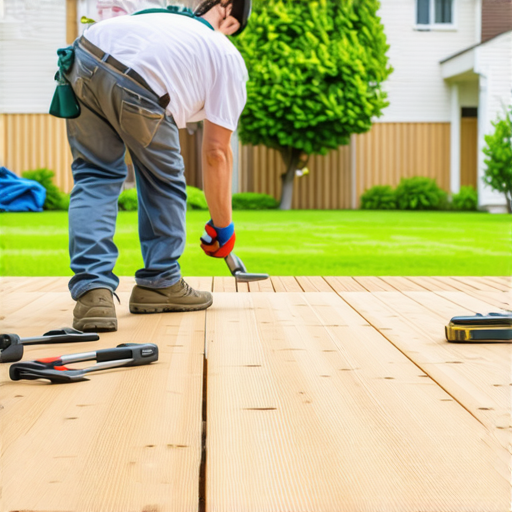
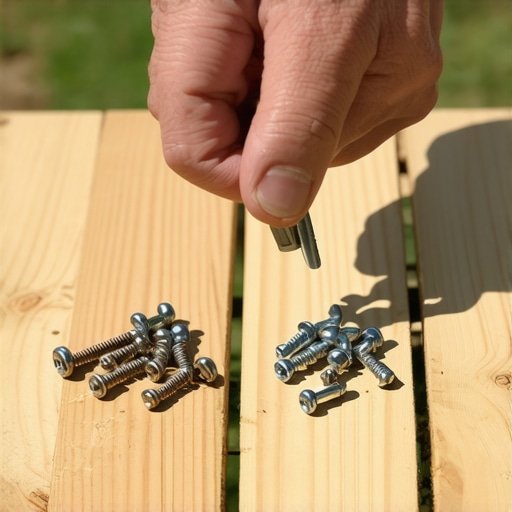
I remember the first time I decided to build a deck in Needham. I was eager, full of enthusiasm, but soon found myself facing a surprisingly simple yet critical question: Should I use screws or nails? It sounds trivial, but that one choice can make or break the entire project—and more importantly, the longevity of your outdoor haven. In the beginning, I made a costly mistake: I defaulted to nails because I’d heard they were faster, only to find out later that they were more prone to loosening over time, especially given Needham’s changing weather conditions. That lightbulb moment made me realize how much that decision impacts the durability and safety of your deck.
Choosing the right fasteners isn’t just about convenience; it’s about what will withstand Needham’s climate, foot traffic, and your lifestyle. Today, I’m here to share what I’ve learned from personal experience and professional advice to help you make the smart choice—whether you’re building your deck from scratch or remodeling an existing one. The goal? To ensure your deck remains sturdy, safe, and stylish for years to come.
Why Picking Between Screws and Nails Matters More Than You Think
Before you get started on your Needham deck project, it’s essential to understand how this tiny detail can significantly affect your results. When I first started, I underestimated the importance of fastener selection. The wrong choice led to squeaky floorboards, wobbly railings, and—worse—early decay. I wish I had known then that for most residential decks in Needham, screws tend to outperform nails in terms of holding power and resistance to weathering. According to industry experts, using corrosion-resistant screws can increase a deck’s lifespan dramatically, especially considering the humid summers and cold winters here in Needham.
If you’re like I was, you might be concerned about cost or speed. But trust me, investing in the right fasteners can save you money and effort in the long run. I recommend exploring the latest trends in deck hardware, like 2026 deck hardware updates, which highlight the benefits of the modern fasteners that are now designed specifically for outdoor durability.
Is Choosing the Wrong Fastener Still Worth the Risk?
Early in my journey, I overlooked the significance of corrosion resistance, believing that all nails or screws would serve equally well. That was a mistake. A study by the National Association of Home Builders emphasizes how improper fastener choice can lead to costly repairs and safety hazards over time. Believe me—you don’t want to find yourself replacing parts of your deck after just a few seasons because you cut corners at the start.
Now that you’re aware of the stakes, it’s time to look at the practical aspects of selecting the best fasteners for your Needham deck project. I’ll walk you through the critical factors—from material choice to installation tips—that will give your deck the durability it deserves. Ready to dive into the details? Let’s get started and turn your outdoor space into a reliable, beautiful retreat.
,
Prepare Your Materials and Tools
Before diving into installation, ensure you have high-quality, corrosion-resistant screws suitable for outdoor use, such as stainless steel or coated deck screws. Gather a drill, a screwdriver bit, a measuring tape, and a drill bit for pilot holes. I learned this the hard way when I overlooked the importance of prepared tools—resulting in uneven screwing and user fatigue. Having everything ready streamlines the process and prevents unnecessary pauses.
Plan Your Fastening Pattern and Spacing
Accurately measure and mark where each screw will go to ensure even spacing, which aids in load distribution. For decking boards, screws should be spaced about 16 inches apart along the joists, with screws placed approximately ¾ inch from the edges to prevent splitting. Be precise; I once rushed and misaligned a row, causing uneven decking that I had to fix later, costing me time and increased expenses. Use chalk lines or laser guides for accuracy, especially on longer spans.
Pre-Drill Pilot Holes for Precision and Safety
Always pre-drill pilot holes slightly smaller than your screw diameter to prevent the wood from splitting. This step is crucial when working with hardwoods like cedar, a popular choice in Needham due to its durability and aesthetic appeal (see why cedar is preferred in 2026). In my own project, skipping this step resulted in cracked boards, leading me to re-drill and replace damaged sections. Pilot holes also make screwing easier and more accurate, especially in denser woods.
Screw into the Wood at the Correct Depth
Drive screws flush with or slightly below the surface of the wood to avoid obstructions for future sealing or finishing. Use a drill with an adjustable clutch or a depth-setting feature; I always test on scrap wood first. If you screw too deep, you risk weakening the board; too shallow, and the screw may loosen prematurely. Consistent depth ensures a smooth surface, which is vital if you plan to add an underdeck drainage system or surface coatings.
Stagger Fastener Placement to Reduce Stress
Alternate screw positions to prevent creating weak points and reduce material fatigue—a tip I learned by experience, as repetitive stress caused some boards to crack after just one season. For instance, if one board’s screws are all on one side, the pressure concentrates, leading to warping over time. Staggering helps distribute forces evenly, increasing your deck’s lifespan, especially in areas like Needham where seasonal swings can be harsh.
Secure Railings and Edge Supports Properly
Use heavier-duty screws or bolts for railing attachments, considering code requirements. Ensure all connections are tight but not overly pressured, which can strip the wood or damage fasteners. During my last project, I used standard screws for railings, but upgrading to galvanized bolts made a noticeable difference in stability and safety, preventing wobbles during frequent family gatherings.
Inspect Step-by-Step and Adjust as Needed
Periodically check the tightness and alignment during installation. After securing a few boards, take a step back and review your work. I neglected this in a previous project and discovered warped boards after installation, necessitating removal and reinstallation—an avoidable setback. Ongoing inspection guarantees uniformity and long-term durability.
Follow Local Building Codes and Best Practices
Adhere to Needham’s building standards, including fastening specifications. For complex projects or slopes, consult resources like deck engineering guides to ensure stability. Neglecting codes can result in safety hazards or legal issues; I’ve seen homeowners face costly remediation for non-compliance. If in doubt, vet local professionals to guarantee adherence and quality.
Many homeowners believe that selecting the most affordable or quickest option when hiring deck builders in Needham guarantees the best results, but this is a dangerous misconception. In fact, opting for cheaper or less experienced contractors often leads to subpar craftsmanship, safety issues, and costly repairs down the line. A pivotal nuance often overlooked is the importance of verifying a builder’s adherence to local codes and industry standards, which can significantly impact the longevity and safety of your deck. According to a study published in the Journal of Construction Engineering and Management, projects that follow strict compliance guidelines experience 30% fewer structural problems over their lifespan. Additionally, many assume that any deck construction team can handle slope or terrain challenges effectively, but without specialized expertise in deck engineering, especially for sloped yards, you risk improper foundation work that can compromise stability over time. This often results in uneven surfaces or, worse, structural failures. A common pitfall is underestimating the value of modern construction techniques and materials. For example, newer fasteners and weatherproofing methods, such as corrosion-resistant screws and advanced wood treatments, can extend your deck’s life far beyond traditional options. Failing to incorporate these advances can lead to early deterioration. Remember, choosing a qualified, experienced, and up-to-date professional isn’t just about aesthetics; it’s about safety, durability, and getting true value for your investment. You might also consider exploring the latest trends in deck design, like 2026 wood deck trends in Needham, to ensure your project aligns with future-proofed standards. So, next time you think about hiring a deck builder, question whether they’ve incorporated the latest industry practices and local standards. Making informed choices now can save you from costly problems later. Have you ever fallen into this trap? Let me know in the comments.
Keep Your Deck in Top Shape with Proven Tools and Techniques
Maintaining your deck’s performance over time requires more than just periodic inspections; it demands the use of precise tools and a strategic approach to upkeep. One of my go-to tools is the Birdi Pressure Washer. Unlike generic models, I prefer Birdi because it offers adjustable pressure settings, making it ideal for cleaning delicate cedar surfaces (see more about deck cleaning tools). Regular power washing with a quality machine like Birdi helps prevent algae buildup and extends your deck’s lifespan.
For sealing and staining, I recommend using the Gallon X Paint Sprayer. Applying stains with a sprayer yields a uniform finish, reduces application time, and minimizes drips or uneven patches. I choose this model because it provides consistent pressure and adjustable flow, which is crucial for different wood types like cedar or treated pine. Proper maintenance of your sprayer, including thorough cleaning after each use, prevents clogs and ensures reliable performance over years.
When it comes to long-term results, investing in a laser measurement tool like Bosch GLM 50 C enhances accuracy during every stage—from initial planning to final inspections. Precise measurements prevent over- or under-spanning, which can cause structural issues down the line. I always use my Bosch laser for critical measurements, especially when adapting decks to slope or uneven terrain common in Needham (see deck engineering tips). Staying precise minimizes errors, saving you money and time during repairs or adjustments.
How do I keep my deck performing well without constantly redoing work?
Establish a routine maintenance schedule that includes regular cleaning, sealing, and inspection for wear. Use tools like the Birdi Pressure Washer for cleaning algae or mildew at least twice a year, preferably in spring and fall. Seal your cedar wood every 2-3 years using high-quality stains applied with a paint sprayer; this not only preserves the wood but also enhances its aesthetics. Additionally, periodically check fasteners and railings with a cordless impact driver, tightening or replacing them as necessary to prevent safety hazards. Adopting these proactive habits ensures your deck remains a safe, attractive feature of your home year-round.
Looking ahead, I believe the trend is moving towards integrating smart maintenance technology into deck care routines. Devices linked to smartphone apps can now monitor humidity, wood moisture levels, and even alert you when it’s time for sealing or repairs. Embracing this technology will make upkeep more efficient and less guesswork—so stay tuned for more innovations in deck maintenance tools in the coming years.
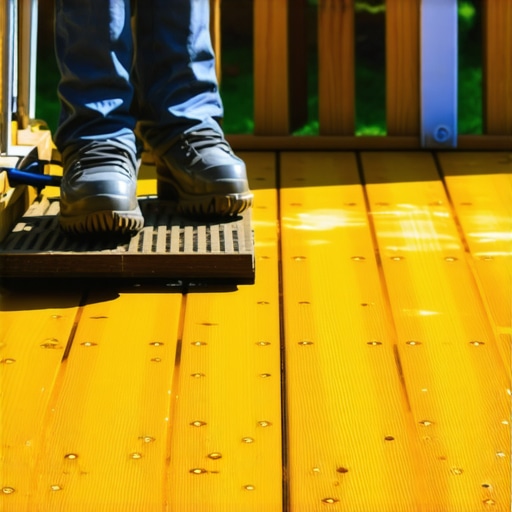
For example, a smart sensor system can provide real-time data on moisture levels, helping you decide the optimal time for sealing or repairs—saving you time and costly damages down the road (learn more about smart deck tech).
Reactive maintenance is crucial, but proactive strategies—powered by the right tools—are game-changers. I strongly suggest testing out a professional-grade pressure washer or laser measure on your next project to see firsthand how these tools elevate your deck’s longevity and safety. Remember, a well-maintained deck is not just about looks; it’s about creating a durable outdoor space that stands the test of time.
The Hard-Won Wisdom No One Tells You
One of the biggest surprises I faced was undervaluing the subtle importance of fastener choice. It struck me that the nail versus screw debate wasn’t just about speed or convenience but about long-term stability. My lightbulb moment? Realizing that for Needham’s fluctuating weather, corrosion-resistant screws outperform nails for durability and safety, a lesson that saved me from costly repairs later.
Another insight was the significance of meticulous planning—marking precisely where each fastener goes and pre-drilling deepened my understanding that small details define longevity. Rushing or skipping steps, even in seemingly minor tasks, can lead to warped boards or wobbly railings, issues I’ve had to fix repeatedly. Patience and precision are your best friends here.
A third lesson? Always respect local building codes and standards. It’s tempting to cut corners with cheaper materials or unverified contractors, but I learned the hard way that compliance isn’t just bureaucratic red tape—it’s a safeguard that prevents dangerous structural failures and legal headaches. Aligning with professionals who stay current on innovations, like new weatherproof fasteners or smart maintenance tech, can dramatically extend your deck’s lifespan.
Gear Up with These Game-Changers
My trusted toolkit is a collection I swear by. The Needham deck builder’s manual offers invaluable guidelines tailored to local conditions and standards, ensuring I don’t miss critical steps. The Birdi Pressure Washer has transformed my cleaning routine; its adjustable pressure prevents damage while effectively removing algae, saving me hours of scrubbing. For precision measurements, the Bosch GLM 50 C laser measure ensures every joist and board aligns perfectly, especially on sloped terrain that’s common here.
Lastly, the smart moisture sensors are becoming a game-changer in proactive deck maintenance, allowing me to schedule sealing before problems escalate—saving money, time, and headaches in the long run.
Your Deck Adventure Continues
Transforming your outdoor space into a durable, beautiful retreat can feel overwhelming, but every project is a personal journey. Embrace the learning curve, invest in quality tools, and don’t shy away from expert advice—your future self will thank you. The key is to start with small steps, apply what you’ve learned here, and remember: a well-maintained deck isn’t just an aesthetic upgrade; it’s a sanctuary built on knowledge and care.
Are you ready to turn your backyard into the ultimate outdoor oasis? What’s the first upgrade you plan to tackle? Share your thoughts below—I’d love to hear about your deck dreams and challenges!