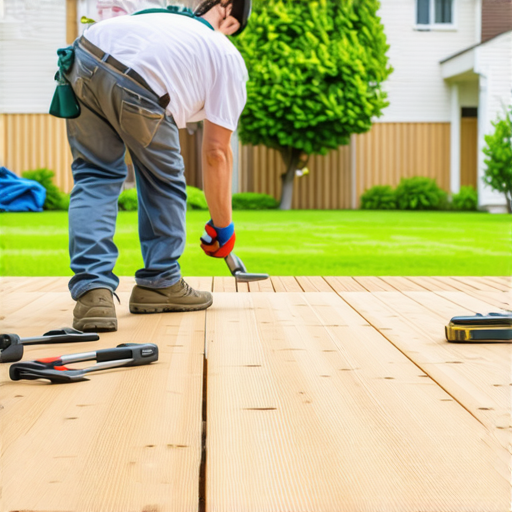
One sunny afternoon, I leaned over my weathered deck railing, rubbing my hand over the rough, splintered surface. It hit me — I had ignored the signs for too long. The once inviting outdoor space was now a safety hazard, and I knew I wasn’t alone in this feeling. Many Needham homeowners face the same frustrating reality: their decks start to show wear, but they aren’t sure whether to repair, refinish, or replace altogether.
Why Refinishing Your Wood Deck Should Be Your Top Priority in 2026
In Needham, where our beautiful summers invite outdoor gatherings, a well-maintained deck isn’t just about aesthetics — it’s about safety and value. The truth is, neglecting proper refinishing can lead to serious issues, from structural decay to costly repairs. I learned this lesson the hard way early in my DIY journey. My first mistake was applying a sealer over a deck that had deep surface cracks. Instead of sealing out moisture, I trapped it inside, accelerating the rot. That experience taught me that understanding the latest best practices is essential, especially now with evolving codes and climate challenges.
Let’s face it — many homeowners put off refinishing because they fear the process is complicated or expensive. But I promise, with the right guidance, you can restore your deck’s beauty and safety without breaking the bank. Today, I’ll walk you through proven strategies to breathe new life into your outdoor space, so it remains a safe haven for years to come.
Is Refinishing Worth the Effort in 2026?
Absolutely, but only if you do it right. In my early days, I misunderstood the importance of thorough surface preparation. I rushed the work, thinking a quick coat would suffice. That mistake cost me more in the long run — peeling paint, warped boards, and, eventually, a need for complete replacement. To avoid this, I recommend investing in proper inspection and understanding current requirements, like the need for safety checks for older decks and new stair safety standards. These will ensure your project isn’t just cosmetic, but truly protective and compliant.
So, have you noticed uneven surfaces, loose boards, or perhaps a strange smell coming from your deck? If so, it’s time to consider refinishing before things get worse. Ready to learn how to do it right? Let’s dive into the essentials that will save you money, time, and peace of mind in 2026 and beyond.
Inspect Thoroughly Before Picking Up Tools
Start by giving your deck a detailed inspection. Use a sturdy screwdriver or a pry bar to check for loose or rotten boards—think of it as a health check-up for your wood. I once skipped this step, rushing to sand and stain, only to have a board collapse under my weight during a summer barbecue. That mess taught me the importance of patience and accuracy. For safety and compliance, review the latest safety checks for older decks.
Clear and Clean the Surface Implementing a game plan
Next, remove all furniture, planters, and debris. Sweep thoroughly and wash the surface with a deck cleaner suitable for wood or composite, depending on your material. I used a power washer, which worked well but required careful control to avoid damaging fragile wood fibers. Remember, proper cleaning maximizes adhesion for sealers and stains. If your deck shows surface scratches, consider repairing these first.
Sand and Remove Old Finish
Sand the entire surface to remove the old finish and smooth rough patches. Use a medium-grit sanding pad for large areas and finer grit for edges and detailed spots. For my project, I borrowed a orbital sander from a friend—this significantly sped up the process. Be cautious not to over-sand, especially if your deck has a protective stain—over-sanding can compromise its integrity. Ensure you wear a mask for dust control. Proper sanding prepares the surface, crucial for lasting results.
Seal or Stain with Care
Once the deck is clean and dry, apply a quality sealant or stain designed for current standards. In 2026, many Needham homeowners choose low-VOC options that are eco-friendly. I opted for a tinted sealer, which enhanced my deck’s natural beauty while providing moisture resistance. For best results, follow the manufacturer’s instructions on application thickness and drying times. Pay special attention to sealant application tips to prevent uneven finishes.
Final Touches and Safety Checks
After finishing, reinstall furniture and check for any missed spots. Walk the deck to identify potential hazards—loose boards, protruding nails, or uneven surfaces. If your deck is over 15 years old, consider a safety review. Visual evidence of wear may mean a more extensive repair or reinforcement is needed, especially considering the stricter stair safety standards for 2026. This proactive approach ensures your outdoor space remains safe and inviting for years to come.
Many homeowners assume that hiring a deck builder is simply about choosing the most affordable or quickest option. However, this oversimplification can lead to costly mistakes. One of the most common misconceptions is the belief that all deck contractors possess equal expertise, when in reality, specialization matters immensely. In Needham, where unique local codes and climate conditions influence deck performance, only those with specific experience navigate these nuances successfully.
For instance, a typical mistake is overlooking the importance of understanding the latest safety standards. While standard precautions are well-known, advanced guidelines, like the recent changes in safety inspections for decks over 15 years old, are often ignored by inexperienced builders. Ignoring these can result in non-compliance, potential safety hazards, and increased liability—risks that savvy homeowners should wary of.
Let’s dig deeper into flawed assumptions—and the traps waiting for the unwary. One critical trap is assuming that older decks require only superficial repairs. The truth is, many such structures conceal hidden decay, especially in support beams and ledger boards. Without meticulous inspection, such issues can escalate, leading to sudden failures. That’s why thorough evaluations, like testing for structural decay, are essential before planning any refinishing or rebuilding project.
Is a Low Bid Always a Good Deal?
A common misconception is that the lowest estimate guarantees savings, but in experienced contracting, quality work—especially for complex projects tailored to Needham’s specific demands—depends on expertise, materials, and adherence to safety standards. Choosing the cheapest option often means cutting corners, which might not be visible immediately but could compromise safety, durability, and code compliance in the long run. A comprehensive understanding of permits and regulations ensures your project is lawful and durable, avoiding future headaches and expenses.
Furthermore, a skilled deck builder knows about recent innovations, such as built-in design features and zoning changes for 2026, making your investment future-proof. Skimping on expertise can mean missing out on these benefits, which adds real value to your outdoor living space.
Therefore, the most critical nuance often ignored is the importance of specialization and in-depth knowledge. Just as a surgeon’s expertise can prevent complications, a seasoned deck contractor ensures compliance, safety, and longevity. Remember, in essence, your deck is more than just an aesthetic addition—it’s an integral part of your home’s safety and value.
So, before you hire your next deck builder, consider their experience with local codes, advanced safety standards, and recent innovations. Doing so can save you significant time and money—and most importantly—keep your family safe. Have you ever fallen into this trap? Let me know in the comments.
Tools I Recommend for Deck Maintenance
Maintaining a deck effectively hinges on using precise, reliable tools. One of my go-to items is the Ryobi 18V One+ Cordless Power Scraper. Its lightweight design and powerful motor allow me to strip old paint and surface coatings without the fatigue of traditional scrapers. I personally prefer this for its balance and battery life, which keeps me working longer on larger projects. Another essential tool is the DeWalt Soil-Resistant Brushless Drill. It’s perfect for drilling into composite or wood, especially when you need to replace support beams or attach new railing systems. I rely on its variable speed settings to control bit movement meticulously, which prevents damage and ensures tight, secure fittings.
For cleaning, I swear by the Karcher K5 Power Pressure Washer. Its adjustable spray wand helps remove mold, dirt, and splinters in hard-to-reach corners. Regular use helps prevent rot and decay, extending the lifespan of your deck. When it’s time to sand, I opt for the Makita BO5041K Random Orbit Sander. The dust collection system keeps debris manageable while its orbital motion ensures smooth, even surfaces—crucial before sealing or staining.
Investing in quality tools can seem costly initially, but they pay off through durability and efficiency, making your maintenance routine less stressful and more effective. Moving forward, I predict that smart tools integrated with Wi-Fi and app controls will become standard for homeowners who want to optimize their maintenance schedules remotely.
How do I keep my deck functioning over time?
Long-term deck maintenance involves consistent inspection, cleaning, and timely repairs. Regularly check for signs of wear, like loose boards or protruding nails, and address issues immediately. I recommend scheduling annual safety inspections to catch problems early and stay compliant with local codes. Applying a high-quality, eco-friendly sealant such as the best deck sealer for 2026 ensures moisture resistance and preserves your wood or composite surface. Furthermore, keeping vegetation away from the deck’s edges reduces mold growth and decay. Proper drainage should be monitored to prevent water pooling, which accelerates deterioration. These practices, combined with the right tools, set you up for a durable, safe outdoor space that can stand the test of Needham’s climate. Remember, the trend toward smart maintenance systems suggests that in the future, integrating sensors and IoT devices will help automate inspections, alerting you to potential damage before it becomes costly. Start by testing your deck for structural decay regularly, using guides like this detailed inspection checklist. Taking proactive steps today will keep your deck working smoothly for years to come—try incorporating a monthly visual check combined with this comprehensive inspection method to catch small issues early.
The Hardest Lesson I Learned About Deck Builders Needham
It took a wet season and a careless inspection to realize that even seasoned DIYers can overlook hidden dangers. I once neglected to check the support beams thoroughly and paid the price when part of my deck sagged unexpectedly. That moment taught me the importance of meticulous inspection and not taking safety for granted.
3 Myths About Deck Builders Needham That Held Me Back
I used to believe that a low-cost contractor would always save me money, but the truth is, specialization and experience with local standards matter far more. Trusting amateurs can lead to costly repairs or safety issues down the line. Educating myself on what to look for in a qualified deck expert saved me both time and money.
What Experts Won’t Tell You About Deck Builders Needham
Many homeowners aren’t aware of the recent code changes coming in 2026, such as stricter railing heights and new safety inspections for older decks. Knowing these nuances allows you to plan proactively—saving headaches and ensuring compliance. I wish I had learned earlier how vital it is to select a contractor familiar with these updates, which can be the difference between a successful project and a costly redo.
My Essential Toolkit for Deck Maintenance
Tools like the Makita orbital sander and digital moisture meter have transformed my approach. They provide precision and confidence that every repair will last, especially when dealing with sophisticated materials and safety standards in Needham.
Where to Go from Here
To elevate your deck game, consider exploring local workshops or online courses focused on deck safety and maintenance standards for 2026. Connecting with seasoned professionals on platforms that emphasize transparency and expertise will also empower you to make informed decisions. Remember, continuous learning is the secret to a safe and stunning outdoor space that stands the test of time.
Embrace the Challenge and Build Confidence
Your deck is more than a backyard feature—it’s a vital extension of your home that deserves care, attention, and expert guidance. By applying these lessons, investing in quality tools, and staying informed about local standards, you’re laying a solid foundation for years of enjoyment and safety. Don’t let fear hold you back—step boldly into your next project with confidence. Your outdoor oasis awaits!
What’s been your biggest lesson in maintaining or repairing your deck? Share below—I’d love to hear your story!