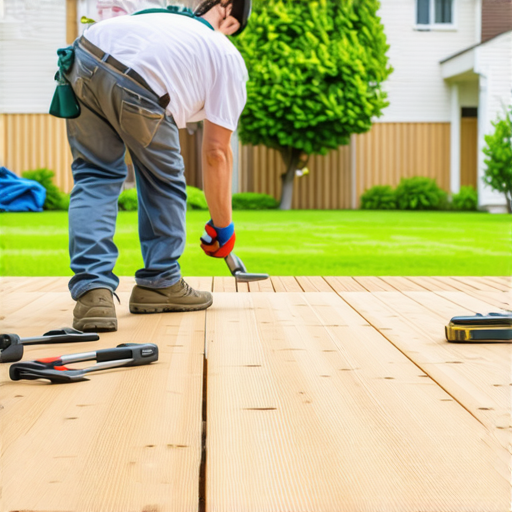

One sunny afternoon last summer, I found myself staring at my deck with a sinking feeling. A loose board had become a hazard, wobbling dangerously each time I stepped near it. That little moment of frustration turned into a lightbulb moment—if I could figure out how to replace just that one stubborn board, I wouldn’t need to overhaul the entire deck. It was a game-changer for me, and I bet it could be for you too.
Why Replacing Individual Deck Boards Matters More Than Ever in 2026
Over the years, I’ve learned that maintaining your deck isn’t just about aesthetics—it’s about safety and longevity. Especially here in Needham, where our climate can be unpredictable, a single compromised board can escalate into costly repairs if ignored. Replacing individual boards is a smart, cost-effective way to keep your deck in top shape without the burden of a full resurfacing. Plus, with the right techniques, it’s a simple DIY project, saving you time and money.
Did you know that according to the National Association of Home Builders, properly maintained decks can last up to 25 years? That statistic underscores how crucial regular upkeep is. And the good news? You don’t always need a professional for small fixes. Sometimes, a little knowledge and the right tools make all the difference.
Is It Truly Worth the Hassle to Replace Just One Board?
Absolutely. In fact, tackling individual replacements early can prevent more serious issues down the line, like rot or structural instability. I’ve made the mistake early on of delaying repairs—trust me, it led to more extensive work later. A small fix now can extend the life of your deck by years, especially if you use models like cedar or redwood that Age well when properly maintained.
If you’re imagining a complicated process, think again. With a few specialized tools—like a reliable drill and the right-sized screws—you’ll be surprised how straightforward it can be. And if you’re unsure about the best drill bits for composite decking, there’s a handy guide that can help you avoid unnecessary frustrations (see here).
Ready to dive into the practical steps? Next, I’ll walk you through the process, sharing tips from my own experience that make the job easier and more successful.
Removing the Damaged Board Efficiently
Start by securing your workspace—use clamps or a helper to stabilize the deck while you work. With a cordless drill fitted with the right drill bit, carefully remove the screws holding the damaged board, avoiding surrounding boards. Remember, over-tightening can cause splintering—so be gentle. If the board is nailed in, use a pry bar to lift it out without damaging adjoining boards.
For instance, I once used a crowbar to gently pry out a stubborn old nail during my own repair. The process was messy, with splinters flying, but patience saved my remaining boards from damage. Once the board is free, inspect the joists beneath for rot or damage, which might need attention before installing a new board. This takes some time but prevents future issues.
Cutting and Preparing the Replacement
Measure the length and width of the old board accurately. Cut a new piece of wood to exact size, ensuring it matches the existing deck surface. When choosing replacement material, consider cedar or redwood—these woods handle weather well and match aesthetic preferences. For a seamless look, compare cedar and redwood options here.
Pro tip: Use a fine-tooth saw to get clean, straight cuts. Sand the edges lightly to prevent splinters. If your deck is a composite material, verify you’re using compatible screws and drill bits; check out the right bits for composites.
Installing the New Board Correctly
Place the new board into position, aligning it precisely with adjacent boards. Use a level across the top to ensure flatness. Drill pilot holes through the new board into the joists—this prevents splitting—then secure with corrosion-resistant screws, like drywall screws designed for outdoor use. Tighten carefully; over-tightening can cause cracks. For additional stability, add a dab of deck sealant beneath the board edges to prevent moisture ingress.
During my last project, I found that pre-drilling and using the correct screws made installation quicker and more secure. For composite decks, remember that screw placement should be flush or slightly below the surface to avoid trip hazards. So, if you’re unsure, reviewing which drill bits to use can save headaches.
Final Checks and Clean-Up
Once secured, double-check that the board is firmly in place and level. Sweep away debris and inspect for any protruding fasteners. Apply a protective sealant if your deck material requires it, to prolong its lifespan. This step is crucial—remember, a well-maintained deck can last decades, especially with timely repairs like this.
By following these concrete steps, you’ll not only fix the loose board efficiently but also extend your deck’s life significantly—review how one fix can add ten years to your deck here. With patience and the right tools, this DIY repair is manageable—no professional needed!
When it comes to hiring deck builders in Needham, the common assumption is that choosing the lowest bid guarantees savings and quality. However, many homeowners overlook a critical nuance: the importance of craftsmanship and understanding local climate challenges.
Is Skimping on Experience a Hidden Trap for Homeowners?
It’s tempting to prioritize cost, but an inexperienced builder may cut corners, resulting in long-term issues like rot or structural instability. According to expert contractor comparisons, experienced professionals ensure proper joist spacing and moisture barriers—details that significantly extend your deck’s lifespan.
Another often-missed detail is the choice of materials suited for Needham’s weather. While composite decking is popular, not all products perform equally under our humidity and temperature fluctuations. Some homeowners assume all composites behave similarly, but careful selection based on expert guides—like our review of composite brands—can prevent warping and fading, saving costs on replacements.
Many believe that the appearance of a deck is purely aesthetic, but real performance depends on nuanced installation practices. For example, proper ventilation beneath the deck prevents moisture buildup—crucial in Needham’s climate. Skipping this step is a common mistake that can lead to costly rot. For insights, check out our expert tips on moisture management.
Mastering the Art of Precise Installation for Durability
Precision isn’t just about aligning boards; it involves understanding how every detail—from nail placement to support spacing—affects durability. DIYers often assume they can handle installation without specialized knowledge, but expertise in weather-resistant fasteners and understanding local code nuances markedly improves longevity. According to the National Association of Home Builders, proper installation techniques are as critical as material choice in ensuring a deck lasts over 20 years.
Furthermore, many underestimate the benefit of investing in professional design. A well-designed deck considers future maintenance, accessibility, and aesthetic continuity—all subtle factors that DIY projects tend to overlook. If you’re considering a project, reviewing our guide to hiring local professionals can help you avoid costly errors.
Have you ever fallen into this trap? Let me know in the comments. Remember, digging deeper into these nuances ensures your deck isn’t just beautiful but also resilient—building trust and value in the long run.Maintaining a resilient deck requires not only knowledge but also the right equipment to ensure every repair and upgrade stands the test of time. Over the years, I’ve refined my toolkit to include specific tools that make projects more efficient and durable. One indispensable item is a high-quality cordless drill fitted with the appropriate drill bits, especially when working with composite materials. Using the correct bits, like those designed for composites, prevents splitting and ensures firm fastening, which is crucial for long-term stability (see recommended bits here).
What I Learned About Handling Unexpected Deck Flaws
One of the most valuable lessons came from a seemingly minor wobble in my deck—an issue that could have escalated if ignored, but instead turned into an opportunity to refine my approach. Recognizing these small signals early prevents costly repairs later. A brush with that loose board taught me to trust my instincts about structural integrity and to address issues before they grow.
Tools and Resources That Became Game-Changers
Through experience, I discovered that having the right tools truly makes all the difference. My cordless drill set with the appropriate drill bits, especially those compatible with composite decking, is indispensable (see recommended bits here). Additionally, resources like reputable guides on cedar versus redwood options and moisture-proof layering have transformed my DIY projects into lasting solutions. Learning from expert content ensures you’re investing in quality and durability from the start.
Building Confidence to Tackle Repairs Solo
Undoubtedly, hands-on experience boosts confidence. I realized that small repairs, such as replacing a single board, are attainable without professional help when armed with proper knowledge. This mindset shift was empowering; it made me more proactive about maintenance. If you remember that patience, preparation, and the right techniques are key, you might find that DIY repairs can be both satisfying and effective.
Take Your Next Step with Purpose and Pizzazz
Embarking on deck repairs or upgrades isn’t just about fixing what’s broken—it’s about creating a space that reflects your style and attention to detail. Whether you’re considering a new color scheme, an eco-friendly touch, or integrating innovative lighting, each decision adds unique value. I encourage you to explore the possibilities and make your deck a haven that’s built to last and beautifully personalized.
What small fix on your deck are you planning to tackle next? Share your thoughts and experiences below—I’d love to hear your stories and tips!