
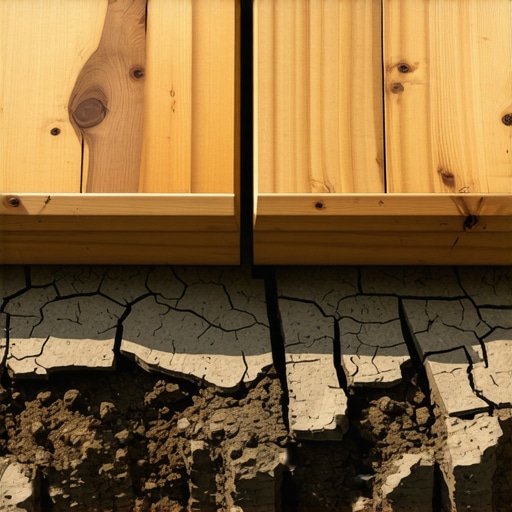
I remember the moment I first noticed something was off with my deck. It was a lazy summer afternoon, and as I stepped onto my outdoor space, I felt a subtle wobble under my feet. At first, I brushed it off, thinking it was just the boards settling. But then came the cracks in the railings and a few uneven steps — alarms that I hadn’t paid enough attention to. Turns out, my deck’s foundation was shifting, and ignoring those signs almost led to a bigger, more costly problem.
That experience taught me an important lesson: early detection of deck foundation issues can save you a lot of headaches, money, and even safety risks. If you’ve ever wondered whether your own deck is standing strong or teetering on the edge of failure, you’re not alone. Many homeowners overlook the signs until it’s too late — and by then, a full repair might be necessary. The good news? You can prevent disaster with some simple checks and proactive maintenance.
Why Paying Attention to Your Deck’s Foundation Is a Must
Decks are more than just aesthetic additions; they’re structural elements that need a solid base to stay safe and functional. When the foundation starts to settle or shift, it doesn’t just affect the look — it can compromise the entire structure. The risk? Cracking, collapsing, or costly repairs that could have been avoided.
Research shows that a significant number of deck failures are related to foundation issues, especially in areas with seasonal weather fluctuations like Needham. These shifts are often caused by soil movement, poor initial construction, or aging materials. Recognizing the early signs can be your best defense against such failures.
If you’re unsure whether your deck’s foundation is compromised, I recommend starting with a quick inspection. For example, check your post brackets and support columns for any movement or cracks. Regular inspections can catch problems early—saving you money and ensuring safety. It’s better to catch a small wobble now than deal with major repairs later.
So, let’s dive into how to identify those telltale signs of a shifting deck foundation, and what proactive steps you can take today to keep your outdoor space secure and beautiful. Have you noticed any unevenness or cracking in your deck? Don’t wait — the sooner you address potential issues, the better your deck will stand the test of time.
Perform a Visual Inspection of Post Support Columns
Start by examining your deck’s support posts and brackets for any signs of movement, cracks, or deterioration, as I did last spring when I noticed a slight wobble in my support column. To do this effectively, use a level to check if the posts are plumb and inspect the brackets for rust or separation. If you find any issues, it’s critical to address them promptly, as these are often the earliest indicators of foundation shifting.
Check for Soil and Ground Shifts Under the Deck
Next, observe the ground underneath and around your deck for signs of erosion, soil erosion, or pooling water, which can cause soil movement. For example, I noticed some soil settling near the north support post after heavy rains—this was a sign that the foundation might be compromised. To prevent further shifting, consider installing proper drainage systems or adding gravel to stabilize the area.
Inspect for Cracks and Gaps in Support Structures
Look closely at the connection points where the posts meet the deck frame and other support elements for cracks or gaps. When I saw small cracks in the post brackets, I realized it was time for reinforcement. Reinforcing these areas can often be achieved with new fasteners or brackets, or by replacing severely damaged parts.
Evaluate Deck Levelness and Structural Integrity
Use a carpenter’s level across different sections of your deck surface to detect unevenness. In my case, I found a slight dip on one corner—indicating that the foundation was settling unevenly. This can lead to warping or further instability. Correcting unevenness might involve adjusting post heights or adding support braces.
Assess and Reinforce Support Brackets
Moreover, it’s important to examine support brackets for signs of rust or looseness. Tighten any loose bolts and replace rusted brackets to restore stability. For stubborn issues, consulting a professional can ensure that the structural reinforcement aligns with safety standards.
Regular Maintenance and Monitoring
Finally, make it a routine to re-inspect your deck at least once annually, especially after severe weather. Keeping an eye on these signs helps catch problems early and avoids costly repairs later. I learned this firsthand when a quick check saved me from a bigger issue and reinforced my deck’s safety for the summer gatherings.
Remember, if you’re unsure about your observations or how to proceed, consulting with local experts can provide peace of mind and ensure your deck remains safe and sturdy for years to come.
Many homeowners assume that selecting a local deck builder means opting for the most affordable or quickest option. However, this misconception can lead to costly surprises, especially if you overlook the nuances of craftsmanship, material choices, and familiarity with Needham’s unique climate challenges. For instance, while some believe that all composite decking offers similar durability, expert insights reveal that not all brands perform equally under Massachusetts weather conditions—details you can explore in our guide on [why 2026 composite materials last longer than earlier models](https://deckbuildersneedham.com/why-2026-composite-materials-last-longer-than-2010-models).
Another common myth is that a well-built deck doesn’t require regular maintenance. In reality, even the sturdiest decks benefit from proactive care, such as inspecting [support post brackets for signs of failure](https://deckbuildersneedham.com/checking-your-deck-post-brackets-for-signs-of-failure), especially after harsh winters or heavy rainfall. Neglecting these details can accelerate deterioration, leading to potential safety hazards.
Many think that all fasteners and joinery are created equal, but employing high-quality, hidden fasteners—though sometimes more labor-intensive—significantly reduces the chances of surface buckling and squeaks over time. As discussed in our post on [why hidden fasteners are worth the extra labor time](https://deckbuildersneedham.com/why-hidden-fasteners-are-worth-the-extra-labor-time), this subtle investment can prolong your deck’s lifespan and enhance its aesthetic appeal.
A critical advanced concern involves understanding the influence of Needham’s seasonal soil movement and moisture levels on your deck’s foundation. Often overlooked, these factors can cause shifting and settling even in well-designed structures. Recognizing signs like uneven support or slight gaps can save you from full-scale repairs. For an in-depth look, check out our advice on [reinforcing connections](https://deckbuildersneedham.com/fixing-wobbly-deck-guardrails-without-a-full-replacement).
Have you ever fallen into the trap of underestimating these details? Properly informed decisions and proactive maintenance can mean the difference between a stunning, long-lasting deck and one plagued by unforeseen issues. I’d love to hear your experiences—share your stories or concerns in the comments, and let’s ensure your deck stands strong for years to come.
Keep It Working: Tools I Recommend for Deck Maintenance
Maintaining a beautiful and durable deck in Needham requires not only regular inspections but also the right set of tools and methods to catch issues early and ensure longevity. Over the years, I’ve found that investing in precise, reliable equipment makes all the difference in diagnosing problems and performing effective repairs.
One indispensable tool I use is a high-quality infrared thermographic camera. These devices allow me to detect moisture intrusion or wood rot behind surfaces without destructive testing. For example, spotting hidden rot early can prevent costly replacements down the line. I personally recommend models like the FLIR One Pro, which connects to a smartphone and offers detailed thermal imaging for targeted inspections.
Alongside imaging, a good digital moisture meter is essential. I prefer a pinless moisture meter, such as the [ moisture meter ] because it provides quick readings without damaging the wood surface. Regularly checking the moisture levels of your support posts and framing can reveal hidden issues—especially crucial after heavy rains or winter thawing. Consistent moisture monitoring is a proactive step that aligns with the best practices mentioned in our guide on checking your deck post brackets.
Power tools also play a vital role in maintenance and repairs. A cordless impact driver and a jigsaw enable me to tighten bolts, replace brackets, or cut replacement boards efficiently. I emphasize using battery-powered tools because they offer portability and reduce time spent on job sites. For precision work, I use a speed-square and a laser level, ensuring the deck remains square and level—crucial for safety and aesthetic appeal.
Beyond hardware, software can support ongoing maintenance. For managing inspections and scheduling reminders, I rely on project management apps like Trello or Notion. These help keep track of routine checks, such as testing stair tread stability and reinforcing support brackets. Staying organized ensures no sign of deterioration slips through unnoticed.
Predictions suggest that automation and smart sensors are on the horizon, offering real-time alerts for moisture, structural shifts, or temperature changes. Incorporating IoT devices into your deck maintenance routine could be a game-changer, making long-term upkeep less manual and more data-driven. For now, blending traditional tools with digital tracking sets a strong foundation.
How do I maintain my deck over time?
The key lies in consistent inspections combined with the right tools for diagnosis and minor repairs. By regularly using moisture meters and thermal imaging, you can catch potential issues before they escalate, saving money and ensuring safety. Remember, well-maintained decks not only look better but also last much longer—especially in climate zones like Needham’s. Start today by investing in a quality moisture meter or schedule your annual thermographic scan to stay ahead of problems.
If you’re ready to elevate your maintenance routine, try using an infrared camera to scan hidden areas of your deck. It’s an advanced approach that can reveal issues invisible to the naked eye and extend your deck’s lifespan. Proper upkeep now promises better results and safety in the years ahead.
The Hardest Lesson I Learned About Deck Builders Needham
One eye-opening experience was realizing that even the most careful inspections can overlook subtle signs of foundation shifts, especially in Needham’s fluctuating seasons. Detecting small, almost imperceptible cracks in support brackets early on saved me from major repairs later—proof that proactive vigilance beats reactive fixes every time.
3 Myths About Deck Builders Needham That Held Me Back
I used to believe that all composite decking materials perform equally under Needham’s weather, but learning about material-specific weather resilience taught me to choose brands tested for Massachusetts climates, like in our guide on why 2026 composite materials last longer than earlier models. This knowledge empowered me to make smarter long-term decisions.
What Experts Won’t Tell You About Deck Builders Needham
Many overlook the critical importance of soil stability and proper drainage, especially in Needham’s seasonal rains. After consulting local experts, I discovered that simple measures like installing effective gutter systems and grading can significantly extend your deck’s life—tips not often highlighted in generic advice but vital for homeowners here.
My Essential Toolkit for Needham Decks
Having the right tools changed my maintenance routine—an infrared thermographic camera helps detect hidden moisture issues, and a quality moisture meter reveals unseen wood rot. I trust models like the FLIR One Pro for thermal imaging, and a pinless moisture meter for quick, damage-free readings, ensuring I stay ahead of potential problems.
Let Action Be Your Guide
Your deck in Needham is a valuable part of your home—treat it with proactive care and the right tools, and it will reward you with years of safe outdoor enjoyment. Remember, small steps today can save you from costly repairs tomorrow.
What sign of potential deck foundation issues have you noticed around your home? Share your experiences below, and let’s help each other keep our decks safe and beautiful!