
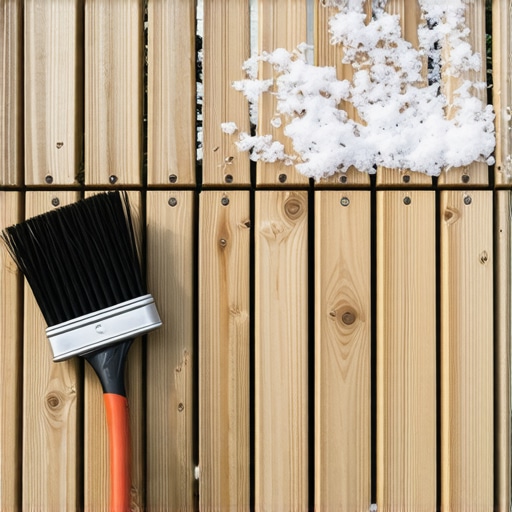
I remember the first time I learned the hard way about the importance of winterizing my deck. It was a chilly November day, and as I looked out my back window, I saw my once-pristine wood deck covered in a thin layer of ice and winter debris. That was the moment I realized I’d skipped a crucial step in seasonal maintenance, and it was showing. The wood was splintered and weathered, and I knew I had let the harsh realities of winter sneak up on me.
Since then, I’ve made it a yearly tradition to prep my deck for winter well in advance. Not just to protect my investment but to save myself time and frustration come spring. If you’re like I was—putting off that daunting prep work until it’s almost too late—trust me, you’re not alone. But here’s the good news: a simple, consistent routine can make all the difference. Today, I want to share the best way to prepare your deck so it withstands snow, ice, and freezing temperatures, ready to enjoy all over again once spring rolls in.
Why Proper Winter Deck Prep Is a Game Changer
Taking the time to winterize your deck isn’t just about avoiding ugly rot or splinters. It’s about preserving the integrity of your outdoor space, so it remains safe and beautiful for years to come. Properly protecting your deck from the elements can extend its lifespan by a decade or more. And according to recent studies, neglecting winter maintenance can lead to costly repairs—sometimes costing more than the entire initial build.
Many homeowners overlook aspects like sealing or checking for damage, which only worsens during winter. For example, moisture seeps into unprotected wood, causing it to swell, crack, or rot. And ice formation can be especially damaging if your deck isn’t prepared—it can lead to warping or structural issues.
I made my initial mistake early on by ignoring the importance of a thorough inspection and proper sealing. I thought a quick sweep and some cleanup would do the trick. But that’s like putting a Band-Aid on a broken leg. Now, I always check every nook and cranny—tightening loose bolts, fixing splintered wood, and applying a high-quality sealant—that’s the secret to a resilient deck.
If you’ve ever found yourself out there in the cold, scraping ice off your deck, only to realize it’s more fragile than it looks, you know what I mean. The good news? With a few straightforward steps, you can sidestep the pain of winter damage altogether.
Are you facing the same challenge of protecting your deck from the elements? If so, keep reading—I’ll guide you through the critical steps to get your deck winter-ready, so you can enjoy a safe, durable outdoor space for years to come.
Clean Thoroughly Before You Cover Up
Start by removing all debris, leaves, and dirt from your deck surface. Use a stiff-bristled broom or a power washer for stubborn grime. I once neglected this step and ended up trapping moisture under leaves, which caused mold growth. After a good cleanup, the deck looked fresh and ready for the next step. Cleansing the surface ensures that sealants and protective layers adhere properly, extending the lifespan of your decking materials.
Inspect and Repair Structural Damage
Carefully examine your deck for loose screws, loose boards, or cracks. Pay particular attention to the joists and supports. I found a loose board that was bad enough to trip me up during nighttime inspections—fixing it prevented worse issues later. Tighten all fasteners and replace any damaged wood to prevent failures under snow and ice. Remember, a sturdy deck is less likely to suffer from warping or collapse when heavy winter loads hit.
Seal It Like a Pro
Apply a high-quality water-resistant sealant to all wooden surfaces. Choose a product suitable for cold weather application, and follow the manufacturer’s instructions for proper drying time. I once rushed and applied sealant on a damp day, which resulted in an uneven finish. Proper sealing prevents moisture penetration, which is the main culprit of rot and splintering. Focus on cracks and edges, and don’t forget to treat the underside of the boards—this acts like a weatherproof shield.
Check Drainage and Add Flashing
Ensure your deck has proper drainage—water should flow away from the house and not pool on the deck surface. Inspect flashing around the ledger board to prevent water seepage underneath. I noticed some flashing was corroded, risking water intrusion that could compromise the structure. Fix any issues before snow begins to melt and refreeze, which can expand existing gaps or cracks and worsen damage.
Install Protective Barriers
Finally, add non-slip mats or anti-slip coatings especially on stairs and walkways. These will provide extra grip during icy conditions. I learned this the hard way when I slipped on a patch of ice after an unanticipated cold snap. Our non-slip mats held steady, ensuring safety for everyone using the deck. Consider covering your deck with a tarp during heavy snowfalls to prevent excessive moisture exposure, and remember to remove it once the snow has melted to allow your deck to breathe. For deeper insights on materials that stand up to winter, revisit PVC vs. composite decking.When considering deck construction in Needham, many homeowners assume that choosing low-cost materials or the most visible features guarantees long-term satisfaction. However, a common misconception is that aesthetics alone define a quality deck. In reality, structural integrity and adherence to local building codes are often overlooked, leading to significant problems down the line. According to experts, understanding the nuances between different materials, such as PVC versus composite decking, can influence durability and maintenance needs over time. This knowledge isn’t just for builders; knowledgeable homeowners can make smarter decisions, avoiding costly repairs or replacements. Many initial mistakes stem from not inspecting the existing structure thoroughly or neglecting to ensure proper flashing installation, which can cause moisture intrusion and wood rot. Instead of focusing solely on visual appeal, prioritizing foundational aspects can save a lot of frustration. For example, improperly secured posts or inadequate joist spacing compromise safety, especially under the weight of snow and ice in winter, emphasizing the importance of a professional layout plan. Curious about how to spot these hidden issues? Get detailed insights on checking your flashing or repairing structural pullaways. Many believe that all decks age similarly, but the truth is materials like Trex and TimberTech have different fade and wear characteristics, which should influence your choice based on local climate and usage patterns. Overlooking these factors is a quick route to disappointment. Combining expert knowledge with local zoning laws, like those in Needham, helps ensure your deck remains compliant and resilient. Remember, a well-built deck isn’t just about looks—it’s about longevity and safety. Have you ever fallen into this trap? Let me know in the comments.
Keeping Your Deck in Shape with the Right Tools
Maintaining a durable and beautiful deck requires more than just occasional inspections; it necessitates the use of specialized tools designed to make your upkeep efficient and effective. A high-quality cordless power washer, for example, is indispensable for deep cleaning without the hassle of cords and heavy equipment. I personally rely on a model with adjustable pressure settings—this ensures I can remove grime and moss from my decking surface without risking damage to sensitive materials like composite or treated wood. Using a pressure washer with a rotating nozzle has significantly cut down my cleaning time, giving me plenty of time to focus on inspections or sealing.
How do I keep my tools in top shape for long-term use?
To extend the lifespan of your maintenance tools, I recommend thoroughly rinsing and drying them after each use—especially if you’ve sprayed cleaning solutions or salt from winter melt. Regularly checking your power washer’s hoses and connections prevents leaks, and sharpening blades on tools like shears or scrapers ensures effective cleaning and repair work. Investing in storage solutions, such as a weatherproof toolbox or wall-mounted hooks, helps protect your tools from the elements, maintaining their performance year after year. When choosing tools, opt for brands known for durability and user reviews confirming longevity; this strategic investment saves money over time and keeps your deck maintenance routine smooth.
Choosing the Best Maintenance Software for Your Needs
If you’re managing multiple decks or a larger outdoor space, automation can be a game-changer. Digital maintenance schedules and reminder apps like Trello or Todoist enable you to set recurring tasks—say, annual sealing or bi-annual inspections—so nothing slips through the cracks. Over the years, I’ve found that integrating software with your toolkit ensures consistent care, ultimately extending your deck’s lifespan. Future trends suggest that IoT-enabled sensors may further simplify this process by monitoring moisture levels or structural integrity directly on your smartphone, allowing proactive care rather than reactive repairs.
How can I ensure long-lasting results after maintenance?
The secret is consistency combined with the right techniques. For instance, applying a high-quality sealant like a stain that resists peeling will provide ongoing protection against moisture and UV damage. As a seasoned deck builder in Needham, I recommend scheduling a re-coating every two to three years, depending on exposure and material. Additionally, inspecting your flashings and drainage systems regularly prevents water intrusion, which is vital for long-term durability. Remember, even the best tools won’t compensate for neglect; routine care is the backbone of a resilient deck.
Why future-proof your deck maintenance today
As technology advances, expect tools like robotic cleaners and smart protective coatings to revolutionize how we care for outdoor spaces. Embracing these innovations now, such as integrating sensors for moisture detection, can save you countless hours and money in repairs. The trend points toward intelligent maintenance systems—companies are already developing IoT sensors embedded in sealants or deck components, providing real-time data on their condition. By adopting current best practices and staying ahead of emerging tech, you can ensure your Needham deck remains an inviting and safe gathering spot for years to come. Don’t wait—try upgrading your maintenance routine with a digital scheduling app or invest in a new cordless power washer with adjustable pressure settings to experience immediate benefits.One of the most valuable insights I gained was realizing that neglecting small repairs early on leads to expensive problems later. For example, a tiny crack in a joist might seem insignificant—until winter’s weight causes it to widen and compromise the entire structure. Catching and fixing these issues with tools like a steel scraper or a quick visit from a professional can save you from costly repairs down the line. Moreover, understanding the unique climate challenges of Needham, including our freeze-thaw cycles, has taught me the importance of choosing materials like cedar or composite decking with proven resilience, which I discussed in detail here. Another lesson? Never underestimate the power of proactive maintenance—regular inspections and timely upgrades are your best defense against the ravages of winter. If you’re serious about extending your deck’s life, embracing a routine of thorough cleaning, repair, and sealing—supported by quality tools and expert advice—has been a game changer for me. Remember, your deck isn’t just an outdoor surface; it’s an investment in your home’s comfort and value. With careful attention and some inside knowledge, you can keep your outdoor space inviting and safe for years to come.