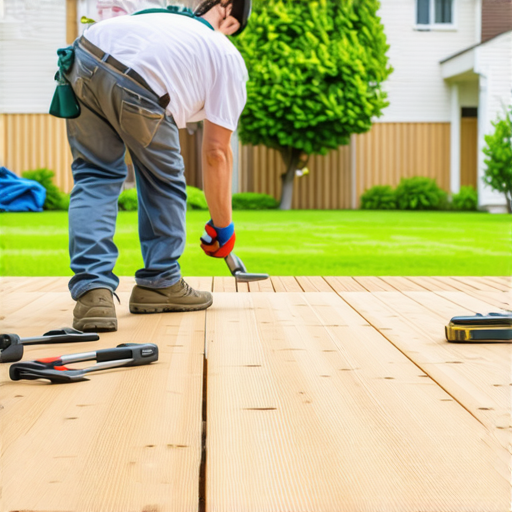
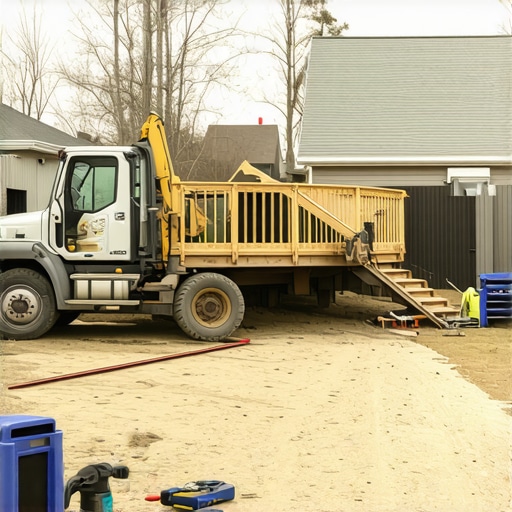
One hot summer afternoon, as I watched my old wooden deck slowly sag under the weight of years and neglect, I had a sudden realization: this isn’t just about tearing down and building anew. It’s about understanding what truly goes into removing an aging deck and whether the investment will pay off in the long run. For years, I thought that tearing out an old deck was straightforward—just hire some workers, haul it away, and start fresh. But the more I dug into the costs and options, the more I realized I was missing some crucial details that could make or break my budget.
Unveiling the Real Cost of Deck Removal in 2026
The truth is, removing an old deck isn’t as simple as it seems. Aside from the obvious labor and disposal fees, there are hidden costs that can sneak up on you, especially with the evolving standards and materials of 2026. For instance, did you know that depending on your deck’s age and composition, you might need specialized equipment or techniques to safely dismantle and dispose of materials like pressure-treated wood or composite boards? My early mistake was assuming the process was a quick rip-and-tear job, which led to unexpected expenses and delays.
If you’re considering removing a deck, you’re probably wondering: is it even worth it? Will I end up spending more than building a new one? Or worse, will I regret tearing it out without knowing what’s underneath? That’s exactly what I want to help you figure out today—understanding the true costs and options involved so you can make an informed decision.
Is It Worth It To Remove My Old Deck in 2026?
Many homeowners face this dilemma, especially with updates in code standards and newer, more durable deck materials hitting the market. Just last year, I learned that in some cases, repairing or reinforcing a failing deck can be more cost-effective and eco-friendly than demolition and replacement. You can explore options like fixing structural issues without full removal by visiting this comprehensive guide. But if your deck has severe damage or safety concerns, removal might be unavoidable.
In my case, I made the mistake of rushing into demolition without fully assessing the underlying problems or considering the potential for repairs. This is a common error that can lead to unnecessary expenses. Understanding the specific issues with your deck—whether it’s rotted joists, outdated wiring, or inefficient designs—can save you thousands. And with 2026 bringing more durable and fade-resistant decking options, like the latest composite boards highlighted here, it pays to weigh your choices carefully.
Making the right decision hinges on knowing what lies beneath and what your long-term plans are. Are you aiming for a completely modern upgrade or just patching a worn-out surface? The following sections will explore practical steps to evaluate your current deck’s condition, costs involved, and how to approach this project with confidence.
Assess Structural Integrity First
Begin by inspecting your deck thoroughly, looking for signs of rot, damage, or shifting. Use a level to check for unevenness, and walk around to identify any loose or wobbling sections. I once skipped this step and started tearing down, only to find a hidden rot in the foundation, which caused delays and extra expenses. Taking the time now will save headaches later.
Evaluate Repair Options
If damage seems localized, consider repairing instead of removing entirely. Visit this guide to understand repair techniques. I opted for repairs on my first deck, reinforcing joists with metal brackets, which extended its life by years without full demolition.
Secure the Surrounding Area
Clear the workspace and protect nearby structures or plants. Use tarps to catch debris, and set up barriers to keep children and pets safe. I learned quickly that without proper safety barriers, debris flew everywhere, creating hazards and making cleanup harder.
Disconnect Utilities
If your deck has electrical wiring, like lighting or speakers, turn off power at the source before disconnecting. Hire a licensed electrician for this task if you’re unsure. Not doing so risks electrocution or damage, which I experienced firsthand when a forgotten wire sparked during removal.
Start Dismantling Equipment and Preparation
Gather tools: sledgehammer, reciprocating saw, crowbar, and safety gear. For stubborn fasteners, use appropriate fasteners removal techniques. Make sure to wear gloves, goggles, and a dust mask to protect yourself. I mistakenly wore sneakers once and ended up with a nail puncture, highlighting the importance of safety gear.
Remove Decking Boards Carefully
Begin by taking off the outer boards, working from the edges inward. Use a crowbar for prying up deck boards, especially if nailed tightly. As you proceed, keep debris organized for easier disposal. I used a bucket to collect screws and nails, which prevented injuries and accidental step-on hazards.
Disassemble Structural Elements
Next, remove beams, joists, and posts systematically. Cut large pieces into manageable sizes with a reciprocating saw, minimizing strain and time. Utilize a reciprocating saw with a metal blade for faster cuts. During my project, cutting down a large beam prevented back injuries and streamlined removal.
Properly Dispose of Debris
Separate materials: wood, metal, and composite. Recycle where possible—many towns accept scrap metal and treated wood. Arrange for dumpster or hauling services beforehand to avoid delays. I learned that calling a local disposal service early saved my project from extension due to pickup scheduling.
Inspect Remaining Foundation and Substructure
Once the deck is down, examine the foundation for damage or erosion. Address issues immediately to prevent future problems. If repairs are needed, visit this resource to ensure safety and compliance. My experience showed that unseen foundation issues can cause costly surprises later.
Document and Plan Next Steps
Measure the remaining space accurately to plan for a new deck or other landscape features. Take photos for reference. Proper documentation simplifies budgeting and design adjustments. I found that thorough notes kept my plans on track and avoided unnecessary re-measurements.
Many homeowners believe that hiring the cheapest deck builder guarantees the best value, but in my experience, this often leads to subpar results and costly repairs. A frequent misconception is that all deck materials are equally durable; however, choosing inferior wood or composite options without understanding their nuances can result in premature deterioration, especially in the local climate. For instance, some assume that higher-priced brands always outperform cheaper alternatives, yet emerging studies suggest that even economical options like PVC decking offer superior longevity with proper maintenance, as outlined here. Additionally, many think that deck permits are optional—misguided because neglecting permits can result in hefty fines or required demolition later. An often-overlooked trap is ignoring local zoning laws, which can restrict deck sizes or styles, causing headaches down the line. Experienced builders emphasize the importance of detailed planning and compliance, which might seem costly upfront but saves significant trouble in future inspections. Another misconception is that you can DIY your way through deck removal and renovation; in truth, specialized skills are crucial for safety and durability, especially when dealing with complex structures or electrical components. For the advanced homeowner, understanding the nuances of load calculations, such as how soil type influences footing design, can mean the difference between a long-lasting deck and one that fails prematurely. As an expert in the field, I advise paying attention to expert recommendations on fasteners, like stainless steel screws, to prevent corrosion, a common mistake that many overlook. By avoiding these myths and traps, you can ensure your deck project provides lasting value and safety. Have you ever fallen into this trap? Let me know in the comments.
Keep Your Deck Running Smoothly with Expert-Recommended Tools
Maintaining a deck that withstands the test of time in Needham requires the right tools, meticulous care, and proactive strategies. From powering through routine cleaning to addressing structural concerns, equipping yourself with specific, high-quality gear makes all the difference. I personally swear by a cordless oscillating multitool when it comes to detailed repairs and cutting through stubborn fasteners on older timber—its precision allows me to avoid unnecessary damage and speeds up the process. For cleaning between deck boards, I rely on a specialized jet washer attachment that ensures debris and algae are removed without harming the wood, aligning with professional advice outlined here.
Staying ahead with maintenance also means regularly inspecting your joist spacing and fastener integrity. I recommend a laser level for accurate assessment of deck steps and surface flatness, which helps prevent safety hazards and uneven wear. In future trends, expect smart sensors capable of monitoring structural health in real-time, making maintenance even more proactive.
How do I maintain my deck over time?
Implementing a scheduled maintenance routine is key. Annual inspections to check for rot, loose fasteners, or signs of insect damage can save you from costly repairs. Applying high-quality stains or sealants—like those discussed in this guide—fortifies your deck against weathering and UV damage. Remember to follow manufacturer recommendations for reapplication intervals, typically every 2-3 years, to sustain appearance and durability.
Moreover, investing in proper protective finishes and hardware—using stainless steel screws for coastal-like weather, as recommended here—reduces corrosion and maintains structural integrity. Regularly clearing debris and ensuring proper drainage prevents pooling and water damage. I suggest setting up a maintenance calendar that prompts you to perform these tasks seasonally.
Scaling up: Preparing for Long-Term Success
As your deck ages, consider integrating smart maintenance systems that alert you to potential issues. While still emerging, these technologies promise to revolutionize how homeowners in Needham keep their decks in top shape. Additionally, thinking ahead about expansion or upgrades now—like installing under-deck storage or lighting—can streamline future projects. For example, seamless lighting integration details can be explored here.
To maximize durability and ease of maintenance, choose materials with proven long-term performance, such as PVC or specific composite boards, highlighted here. Regularly updating fasteners and sealants, and staying informed about material innovations—like corrosion-resistant fasteners tested by the MetalCon technical standards organization—ensures your investment pays off.
One advanced tip: Consider applying joist tape on all exposed framing to prevent rot and insect intrusion. This small addition offers significant protection and extends the lifespan of your deck structure. When combined with diligent inspections and preventive measures, you’re laying the groundwork for a deck that retains its beauty and safety for decades. Don’t hesitate—try incorporating joist tape into your maintenance routine today and give your deck the durability it deserves! 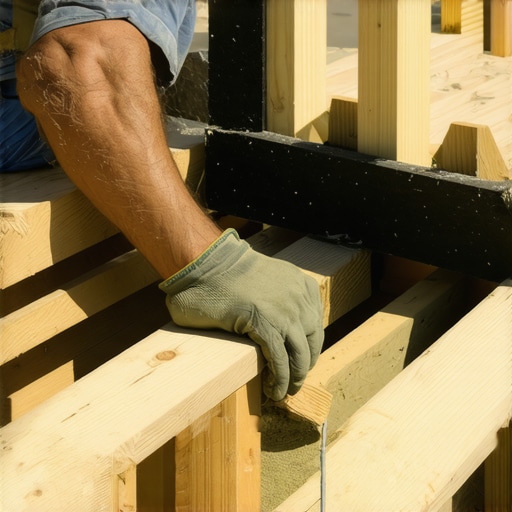
The Hardest Lesson I Learned About Deck Builders Needham
One crucial insight I wish I had grasped earlier was the importance of thoroughly assessing your deck’s structural health before jumping into demolition. Rushing the removal process without understanding the extent of underlying damage can lead to unexpected costs and delays. A detailed inspection reveals whether repairs are sufficient or if complete removal is necessary, saving you time and money in the long run.
3 Myths About Deck Builders Needham That Held Me Back
I used to believe that opting for the cheapest contractor would always be the smartest choice. However, quality craftsmanship and material knowledge often come with higher upfront costs but result in better durability. Additionally, I thought all wood types performed equally in our climate, but understanding material differences, like the benefits of PVC decking, has transformed my approach to renovation projects.
What Experts Won’t Tell You About Deck Builders Needham
Many seasoned professionals avoid mentioning the significance of proper grounding and foundation inspections post-removal. Overlooking these critical steps can compromise your new deck’s longevity, especially with the latest standards of 2026. Learning to identify subtle signs of foundation weakening early can prevent costly repairs down the line.
My Essential Toolkit for Successful Deck Removal
Equipping myself with high-quality tools such as a cordless reciprocating saw and safety gear like gloves and goggles has made a world of difference. Using a laser level for accurate measurements ensures a smoother rebuilding process. Investing in these essentials has paid off by reducing time and enhancing safety during projects.
Books That Changed How I View Deck Preservation and Removal
Reading through “The Complete Guide to Deck Safety and Maintenance” expanded my understanding of material performance and long-term durability. This resource emphasized proactive inspections and choosing resilient materials, empowering me to make informed decisions that extend my deck’s lifespan and reduce maintenance costs.
Where to Go from Here
If you’re contemplating removing or renovating your deck, start by precise evaluations and plan thoroughly. Remember, seeking expert advice or investing in quality tools and materials will yield long-term benefits. Embrace the learning curve—they’re your stepping stones to creating a safe, beautiful outdoor space that lasts for decades.
Your Turn to Transform Your Deck Space
Have you ever overlooked a hidden problem during a deck removal that cost you later? Share your experiences or questions below—I’d love to hear how you’re approaching your next project and help you avoid common pitfalls.